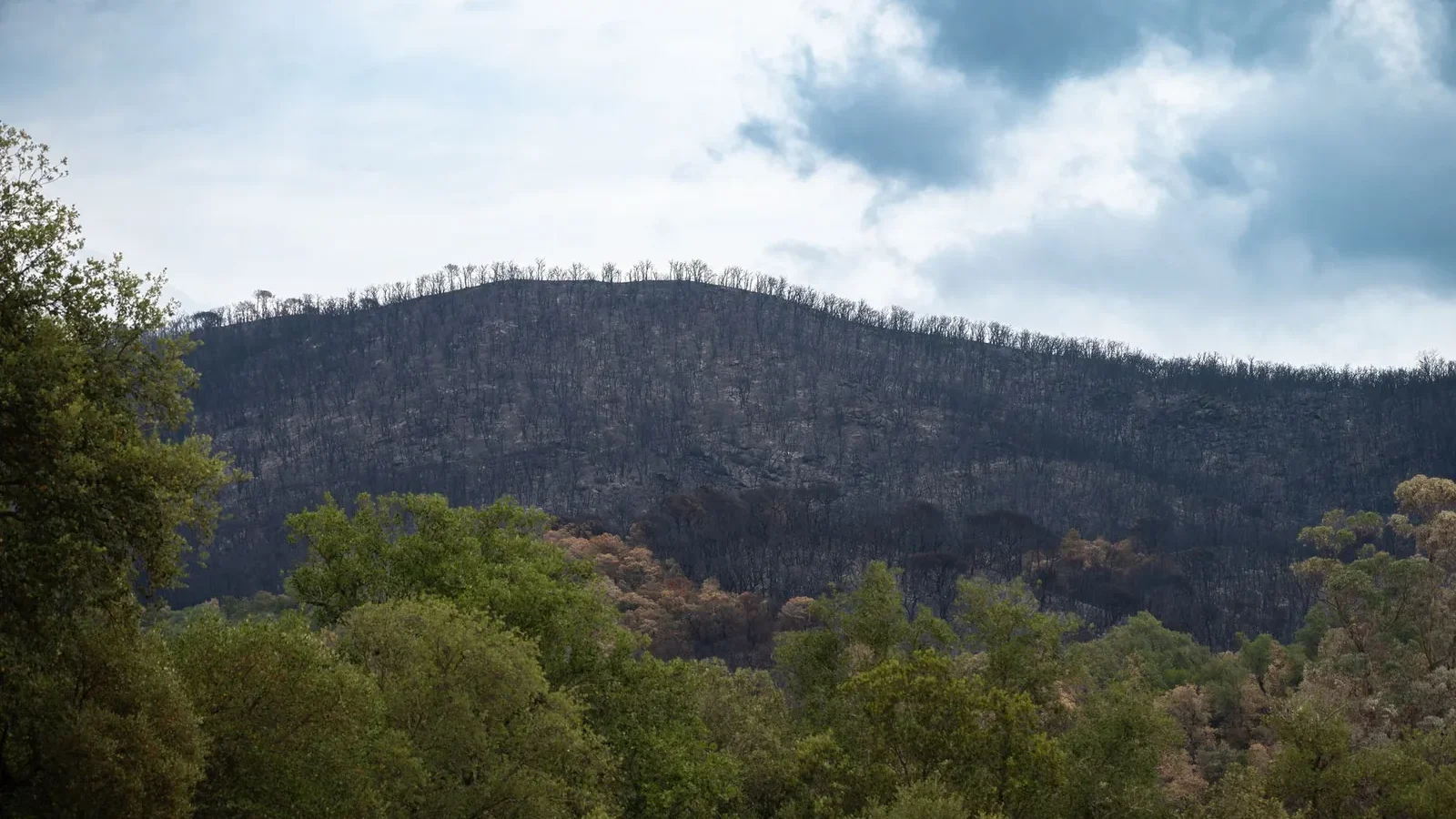
As I’m sure you all remember, 2017 was a devastating year for Napa valley and the Sonoma region due to wildfires. As I’ve mentioned, this is an area we love and have visited many times. If you’ll remember more than 40 people were killed and more than 5,000 homes destroyed. 30 out of 900 vineyards were damaged or destroyed, this according to a USA Today article dated April 19th, 2018.
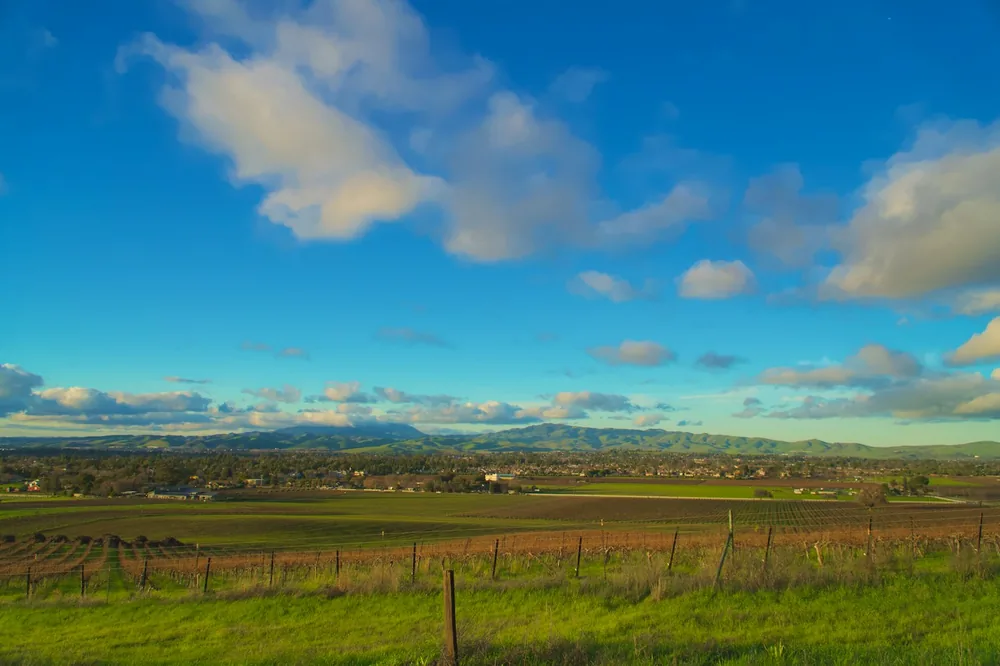
I thought I’d offer you an update on some of the wineries. There’s been lots of good news as wine season begins this month. Tourists are returning, wineries are rebuilding, and glasses are being poured.
We all know Mondavi, fourth generation winemaker. The Atlas fire damaged his family’s Animo Vineyard, high on Atlas Peak, but a tourist visiting his vineyard is highly unlikely to notice.
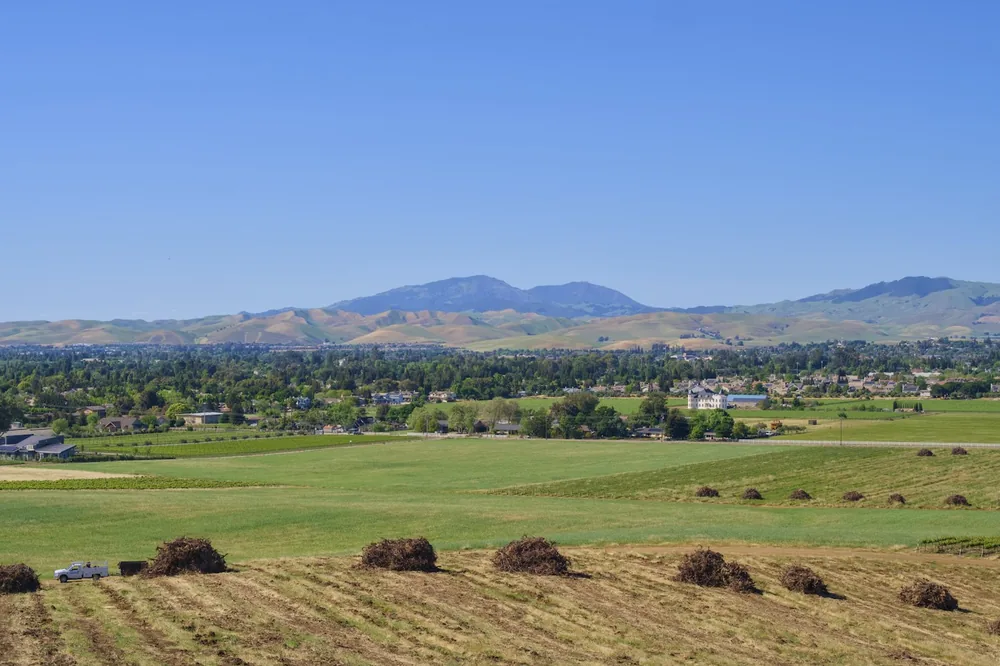
Signorello Estate had its winery building destroyed, but the vineyards themselves were not damaged. They also didn’t lose any of their barreled wines from 2016 vintage or any of their bottled wines. Good news.
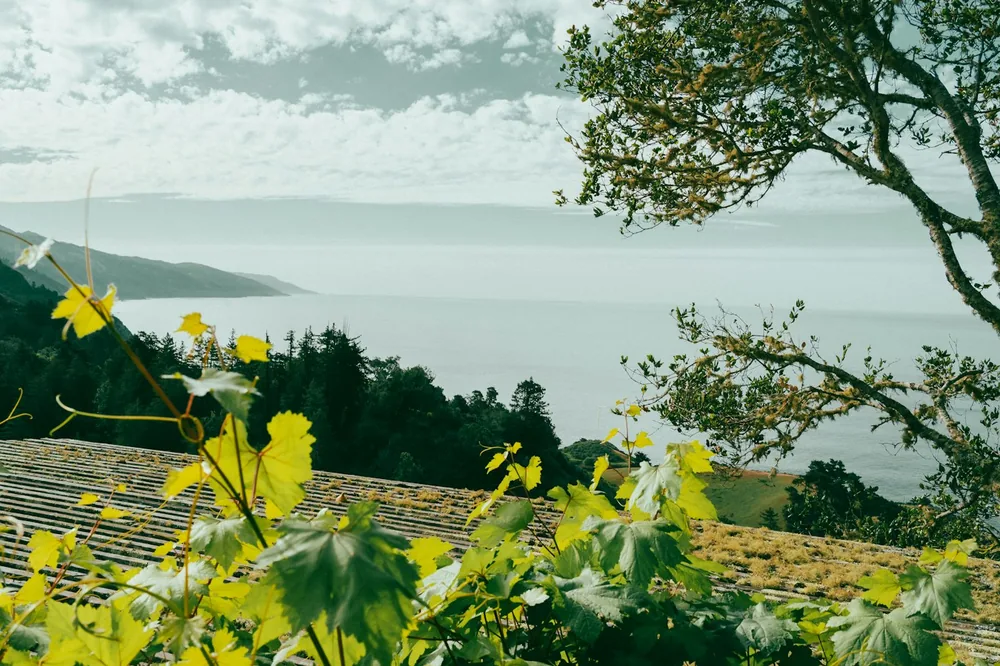
Paradise Ridge Winery in Santa Rosa was completely destroyed in the fire. Fortunately their other tasting room in Kenwood was undamaged and is open and waiting for you to visit.
The wine country wildfires burned to the edge of Buena Vista Winery’s estate, but other than some smoke damage, the winery escaped harm. Tom Blackwood, general manager, said that many are shocked when they visit. Visitors come expecting total destruction. “In reality, that’s far from true”, he says.
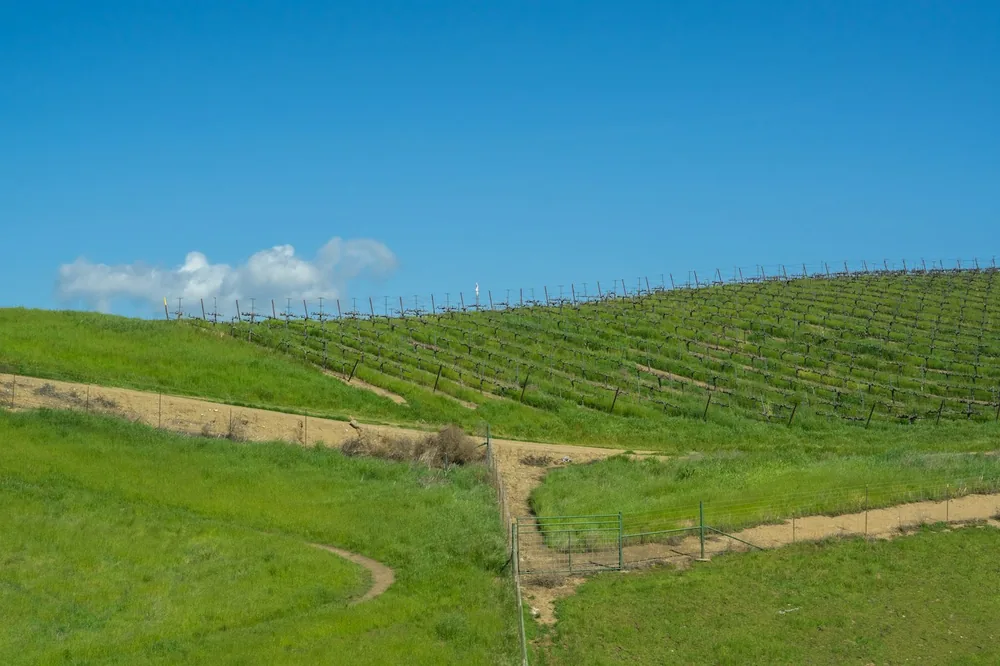
The fires primarily confined themselves to the high areas and left much of the valleys untouched. Even then, only a tiny percentage of vineyards in the area will need to be replanted.
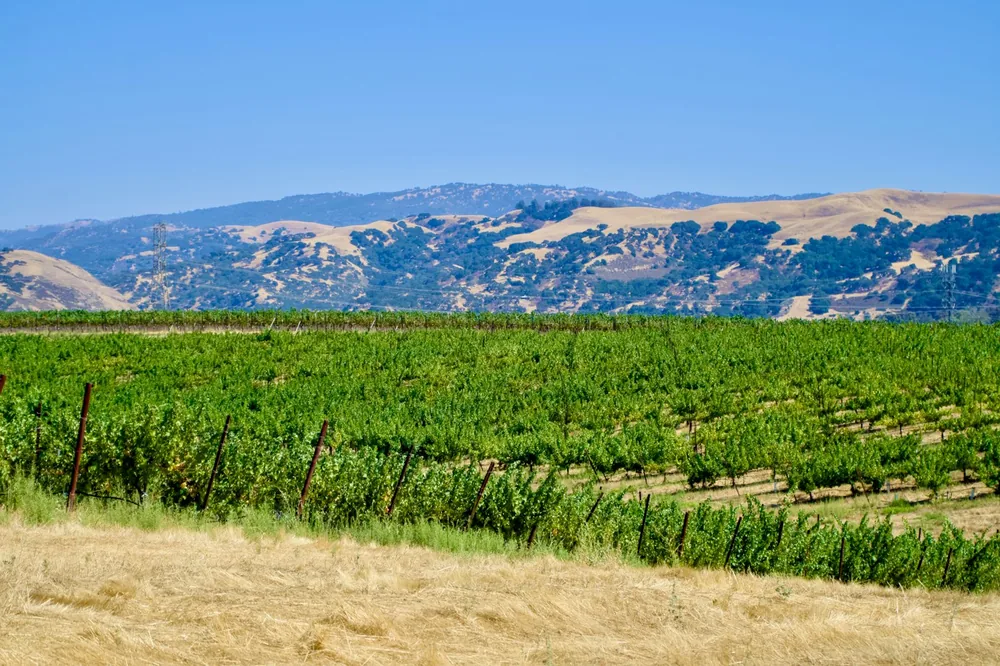
In Napa Valley, the fires didn’t touch many parts of the Sonoma wine country. I am curious to see how the flavor of the wine is impacted. Experts say that there is uncertainty at this time. 90% of grapes had already been harvested at the time of the fire, more good news. This means that the impact should be small.
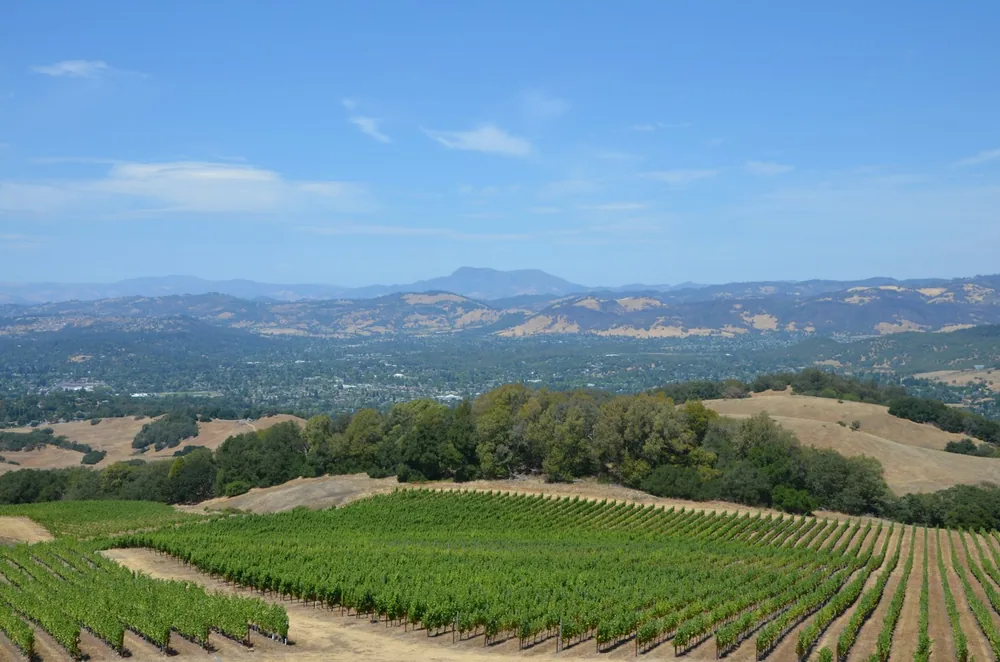
So, parting note. If you are planning a trip to the Napa or Sonoma region, pack your bags and have a great time. The wineries are open and waiting for you. You’re going to have a great time!
Happy Wining Everyone!
What recovery actually looks like on a timeline
Recovery after a major fire happens in stages, and visitors passing through a year later see only some of them. Hazard cleanup and utility restoration come first, followed by a season of vineyard assessment, then rebuilding that can stretch for years where permits and insurance are involved. The vineyard almost always recovers faster than the buildings.
| Stage | Timeframe | What happens |
|---|---|---|
| Immediate | Days to weeks | Access restored, power and water repaired |
| First winter | One season | Erosion control, damaged trellis replaced |
| First growing season | One year | Scorched vines assessed, many push new growth |
| Rebuilding | One to five years | Permits, construction, temporary tasting spaces |
| Replanting | Three to five years | New vines reach commercial production |
That uneven pace is why reports from the same region can sound contradictory. A winery pouring wine in a temporary structure is both open for business and years from finished.
The hazard that follows the fire
The danger does not end when the flames do. Fire strips hillsides of the vegetation and root structure that hold soil in place, and the first heavy winter rains can move that soil downhill quickly. Debris flows in recently burned watersheds are among the most serious post-fire risks in California, and the landslide hazards program at the United States Geological Survey maps and studies exactly those conditions.
For vineyards below burned slopes, the practical work that first winter is erosion control: straw wattles, seeding cover crops, clearing culverts and repairing drainage. Roads and creek crossings often need more attention than the vines. A wet winter after a bad fire season creates a second round of damage in places the fire never reached.
Smoke and the vintage
The question that hangs over any fire year is what happens to fruit still on the vine. Grapes can absorb volatile compounds from dense smoke, and those compounds can bind to sugars in the berry, remaining largely hidden until fermentation releases them. The effect ranges from undetectable to serious depending on smoke density, duration and how close the fruit was to harvest.
Because it is unpredictable, the industry response has been testing and small-scale trial fermentations before committing a block to production. Winemakers can also reduce the risk in the cellar by pressing whole clusters gently, limiting skin contact, and adjusting fermentation choices. Some fruit is left unpicked in bad years, which is a financial decision as much as a quality one.
Fruit already harvested before a fire is unaffected, which is why the timing of an October fire matters so much. In years when most of the crop was already in, the impact on what was eventually bottled was limited.
What changed afterward
The 2017 fires and the seasons that followed changed how properties operate rather than merely how they rebuild. Backup generation, on-site water storage, defensible space around structures and clearer evacuation planning all became standard rather than optional. Communication changed as well, with wineries posting operating status directly during emergencies.
Insurance became the harder problem. Coverage for structures, inventory and business interruption grew more expensive and more difficult to obtain in high-risk zones, and that pressure falls hardest on small family operations. It is one of the quiet reasons some properties changed hands in the years that followed.
Visiting the region now
The most useful thing a visitor can do is show up, and the second most useful is to check ahead. Tasting rooms rebuild on their own schedules, and a property that lost its main building may be pouring somewhere else entirely. Calling or checking a winery’s own updates the week of a trip avoids most disappointment.
Our Napa Valley region guide and Sonoma County region guide cover the geography of both areas, including which subregions sit on the mountain slopes that fire tends to reach first. The broader overview of California’s wine regions puts them in context with the rest of the state.
The part that takes longest
Buildings and vines can be measured, replaced and scheduled, but the labor force cannot. Vineyard crews, cellar staff and hospitality workers live in the same communities that burn, and housing lost in a fire is rarely rebuilt quickly or affordably. A region can have its vineyards intact and still struggle to staff a harvest.
That is the quiet reason recovery in wine country stretches well past the visible repairs. Employers responded with housing assistance, transportation and earlier hiring, and those measures became part of how the region plans for a season rather than an emergency response.
Fire recovery FAQ
Do burned vines have to be pulled out?
Often not. Vines that were scorched but not consumed frequently push new growth from the trunk or the graft union, and growers usually wait a full season before deciding.
How can a winery tell if fruit was affected by smoke?
Laboratory testing for specific marker compounds, combined with small trial fermentations, since the compounds may only become apparent once the wine is made. Both are done before a decision to harvest a block.
Is wine from a fire year worth avoiding?
No, as a rule. Affected lots are generally screened out rather than bottled, and vintages from fire years include a great deal of unaffected wine from fruit picked before the smoke arrived.