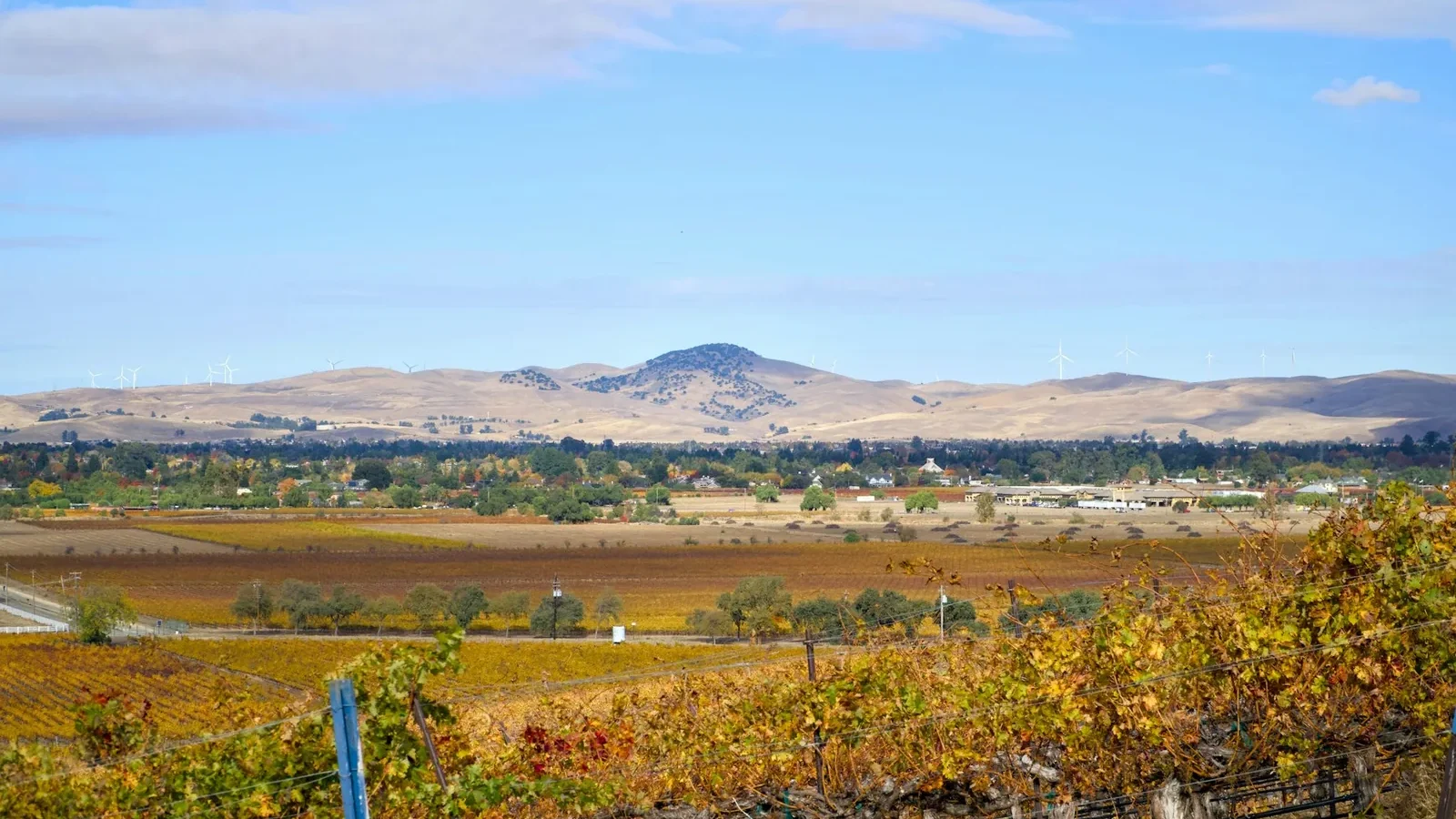
It seems satirical and ironic to be discussing hot topics knowing how horrible California is burning right now.
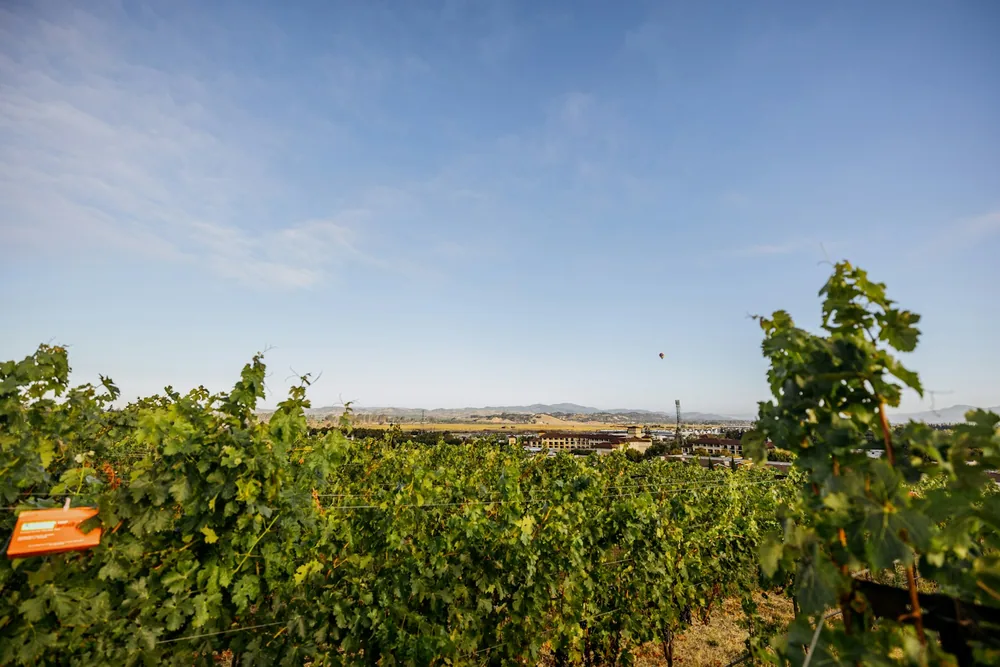
As I’m sure some of you have discovered, even getting wine delivered to you right now has proven to be a bit of a challenge. We have some customers that have waited weeks for their delivery.
I wanted to go serious with you this month and give you an update of what is happening in our great state.
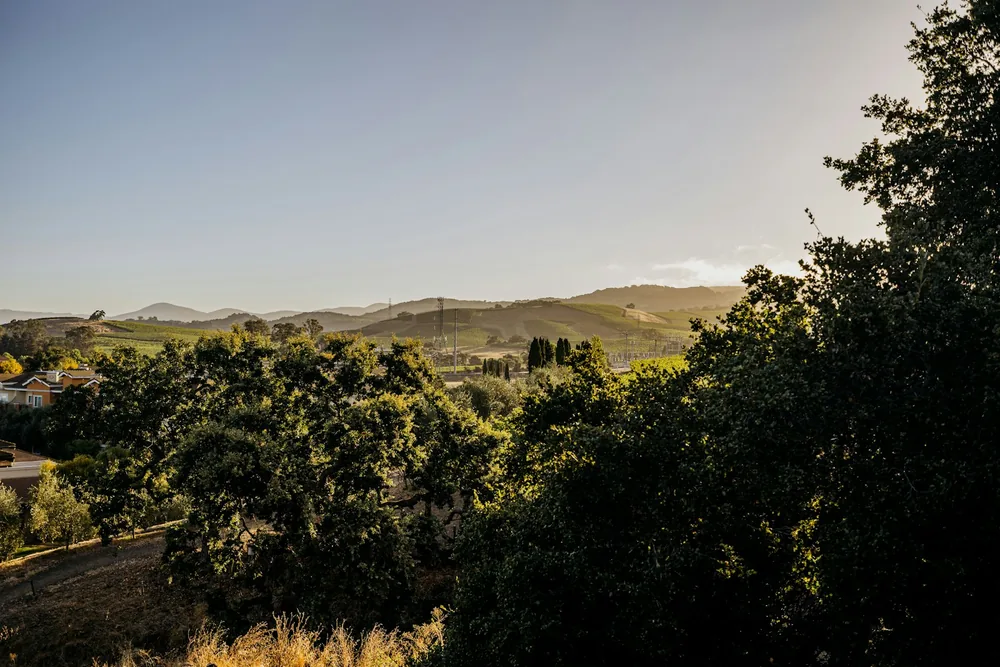
First, for those of you still waiting for your wine. I’m so sorry. I wish I could control the conditions our warehouse is enduring right now. We’ve gone multiple days without electricity, knowing that fires were dangerously close, most of the folks there have been directly or indirectly affected by the flames.
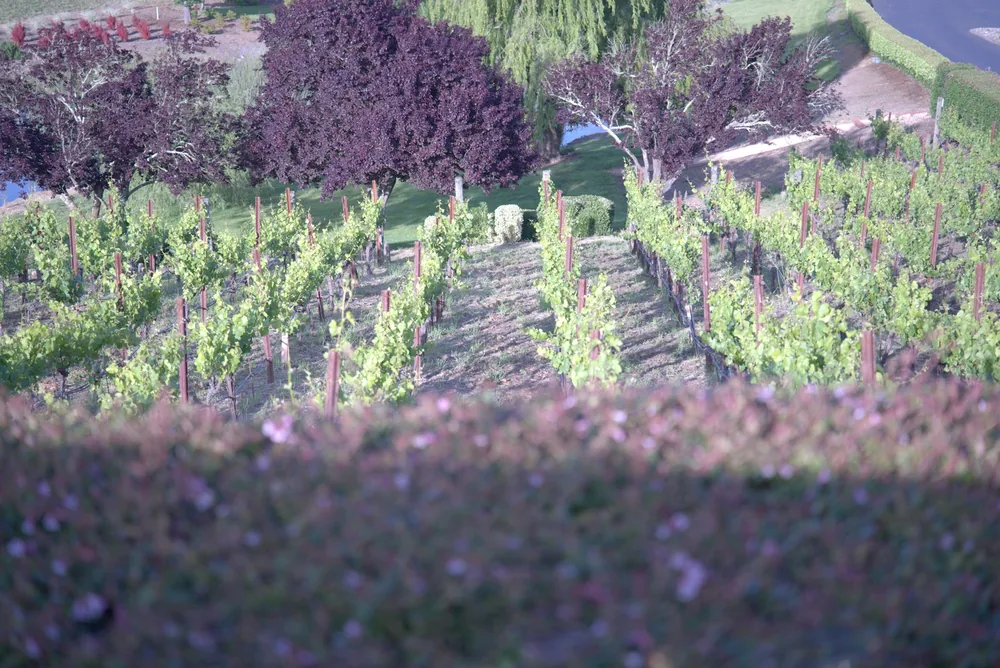
Unfortunately, the number of major fires seems to be increasing daily. We now have Kincade, Maria, Ranch, and Eagle Fires burning in the state. The good news, the Kincade fire is almost under control and many evacuees are being allowed to return home.
At least 11 wineries have been confirmed significantly or totally damaged, the bad news side of the story. One of the worst losses was that of the Soda Rock Winery, 70 miles north of San Francisco. With buildings that were dated to be 150 years old, it’s an irreplaceable loss. Not only are the buildings gone, but the grapes and all inventory as well.
“We’ve seen the news. We are devastated.” The winery posted on Facebook. “Our staff is safe-right now what is most important is the safety of the first responders battling the fire. Thank you everyone for your concern.”
What I love about California, is the resiliency of its people. Soda, like the rest of the devastated areas in California, will rebuild. It’s how they are.In the meantime, be patient with us. Be patient with our warehouse people. We’ll soon be back on track.
Until then, keep California in your prayers. Happy Wining!
Why California burns the way it does
California’s fire season is a product of its climate rather than an accident. Winter rain grows grass and brush, a long dry summer cures that growth into fuel, and autumn brings dry offshore winds that move fire faster than crews can build line. The same Mediterranean pattern that makes the state good for growing wine grapes also makes it prone to fire.
Those autumn wind events matter most because they arrive at the end of the dry season, when fuel moisture is at its lowest. Winds descending from the interior warm and dry as they drop toward the coast, and gusts can carry embers well ahead of the flaming front. The National Park Service’s material on wildland fire explains how fuel, weather and terrain combine to drive fire behavior.
Terrain adds the last piece. Fire moves uphill faster than downhill, so ridges and hillside vineyards face different exposure than valley floors, which is one reason damage in any given fire is so uneven from property to property.
What fire does to a vineyard
Vines themselves are not especially flammable. They are widely spaced, irrigated and full of water, and the ground between rows is often bare or mowed, which is why vineyards have sometimes acted as firebreaks. Damage in wine country usually falls on buildings, equipment, fences and irrigation lines rather than on the vines.
The subtler risk is smoke. Grapes still on the vine can absorb compounds from dense smoke, and those compounds may show up later in the finished wine, a problem that depends heavily on how close the fire was, how long the smoke lingered and how far along the harvest was. Fruit already picked and pressed is not at risk, which is why the timing of a fire within the season matters so much.
Recovery timelines vary just as widely. A damaged tasting room can be rebuilt in a season or two, while a vineyard that must be replanted takes several years to return to full production, and a winery that lost a vintage cannot simply replace it.
| Asset | Typical vulnerability | Recovery time |
|---|---|---|
| Vines | Low, and often act as a break | One season if only scorched |
| Trellis and irrigation | Moderate, plastic and wire fail with heat | Months |
| Buildings | High, especially older wooden structures | One to several years |
| Stored inventory | High if the building is lost | Not replaceable |
| Fruit on the vine | Smoke exposure risk | Affects only that vintage |
Why deliveries slow down during a fire
Shipping problems during a major fire rarely come from a single cause. Highways close, warehouses lose power for days at a time, carriers reroute around evacuation zones, and staff are themselves evacuated or sheltering. Wine adds a further complication, because heat during transit can damage a bottle even when the truck is nowhere near the flames.
Public safety power shutoffs, introduced to reduce ignition risk during high winds, added a new layer to all of this from 2019 onward. A warehouse without power cannot run a conveyor, print a label or keep a cooler cold. Delays measured in weeks were a normal consequence, and they were largely outside any shipper’s control.
Visiting and supporting a region after a fire
The most useful thing visitors did after these fires was to come back once the roads reopened. Tasting rooms, restaurants, hotels and vineyard crews depend on visitor traffic, and a canceled season compounds the damage the fire itself did. Checking a property’s own updates before traveling avoids arriving somewhere that is still closed.
Readers interested in how the state’s growing areas differ can start with our overview of California’s wine regions, which sets out where the mountain and valley zones sit. The companion guide to California grapes and styles covers what grows in each of them and why.
How growers prepare between seasons
Preparation in wine country now runs year round rather than starting in September. Growers clear brush from the edges of blocks, keep row middles mowed low through the dry months, and maintain access roads wide enough for an engine to turn around. Water storage ponds and generator-backed pumps have become standard on properties that once relied on grid power alone.
Buildings get the same attention, since ember intrusion rather than direct flame destroys most structures. Screening vents, clearing gutters, moving woodpiles away from walls and replacing wooden decking are all comparatively cheap changes that shift the odds. Estates with historic wooden buildings face the hardest choices, because the features that make them worth saving are also the ones that burn.
Harvest planning has changed too. Crews are briefed on evacuation routes before the season begins, fruit is moved to processing facilities faster during wind events, and generators are tested before they are needed rather than after. None of it guarantees anything, but it shortens the list of things that can go wrong at the worst moment.
Wildfire and wine country FAQ
Does a nearby fire ruin an entire vintage?
Not automatically. The effect depends on smoke density, how long it lasted and whether the fruit was already picked, and many wineries in fire years harvested normally. Testing and careful winemaking decisions determine what actually gets bottled.
Do vineyards help or hurt fire spread?
They generally help, because irrigated vines and cleared row middles carry fire poorly. That is why aerial photographs after major fires often show burned hillsides stopping at a vineyard edge.
Is it safe to travel to wine country after a fire?
Once evacuation orders lift and roads reopen, yes, though air quality and closures can persist for weeks. Local emergency services and individual wineries post current conditions, and both are worth checking the morning you travel.