by Robin L. Obert
As I sat and contemplated my article this month, I became a bit perplexed. I go over hearing about New Year’s resolutions and the saddening percentage of those that are kept. I, for one, do not make resolutions. Every day I strive to be better at whatever it is. I attempt to be a strong encourager, but like most, I do fall down. Most of us do so that is a moot point. I thought of many topics, none seemed to grab me. Well, that was until a keynote speaker entered the room during a general session at a conference my colleagues and I attended last week.
A young man by the name of Kai Knight entered the room playing his violin. It was mesmerizing, over the top hypnotic. I’m a freak for symphony, so this was right up my alley. When Kai finished, he walked up on stage and began his talk. It was at that point that he resonated (no pun intended) the thoughts and feelings that I had been dwelling on for quite some time. He put his thoughts into a musical scenario which I completely love. When I began to dwell on his presentation, I realized that I wanted to share with you, my audience, the importance of becoming the best that you can be while making a positive impact on the lives that you touch every day.
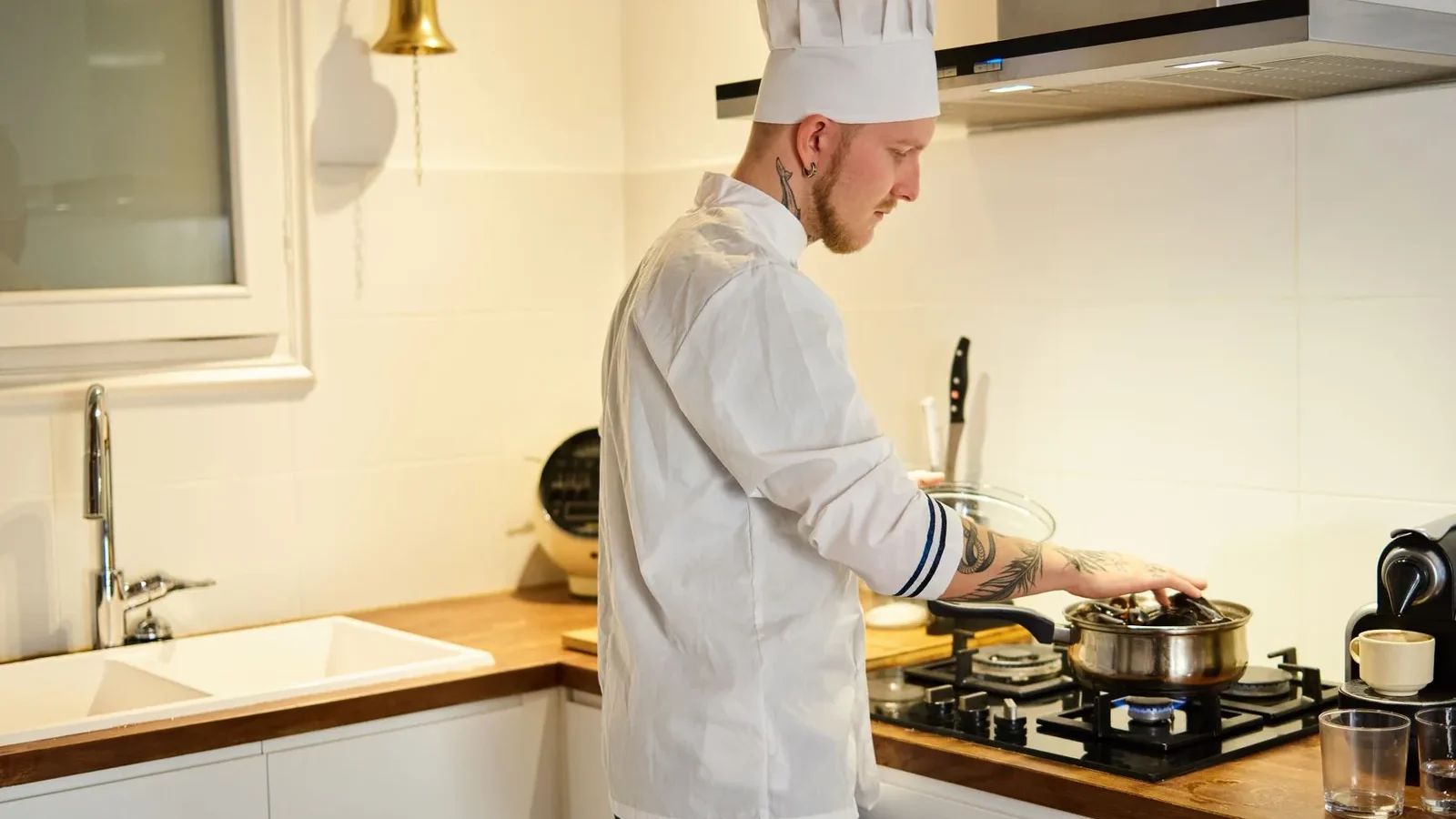
I don’t know if you know this, but chef’s love food in a different way than anyone else in the world. Food is an obsession. Food is our love, food is our life! It is what we are consumed with. Those of us who are really serious about it are preoccupied with the next dish every single second of our lives. Have you ever dined with a chef? If you have, you will totally understand what I’m talking about. We are rarely happy and mostly never satisfied. It’s almost an illness. We strive for a perfection that most knowingly doesn’t exist. It’s as though you are chasing a love that is just out of reach. So, suffice it to say, I cannot convey what I am attempting to say in the number of words that I am allotted in my article. In the next few months, I will be sharing my thoughts and words that will be surprising to most. I am going to challenge you through food, wine, and recipes. This journey will push you and make you think. Enjoy!
The Discipline Underneath the Obsession
What reads as obsession from the outside is usually repetition on the inside. A cook who seems unable to stop thinking about the next dish is really running a loop: taste, adjust, taste again, and remember what the adjustment did. That loop is the whole method, and it is the one part of professional cooking that transfers cleanly to a home kitchen with no equipment budget at all.
The loop works because flavor is not a single sensation. Most of what we call taste arrives through the nose, which is why a head cold flattens a good dinner into cardboard. The National Institute on Deafness and Other Communication Disorders explains how taste and smell combine into flavor, and why the two are so easy to confuse with one another.
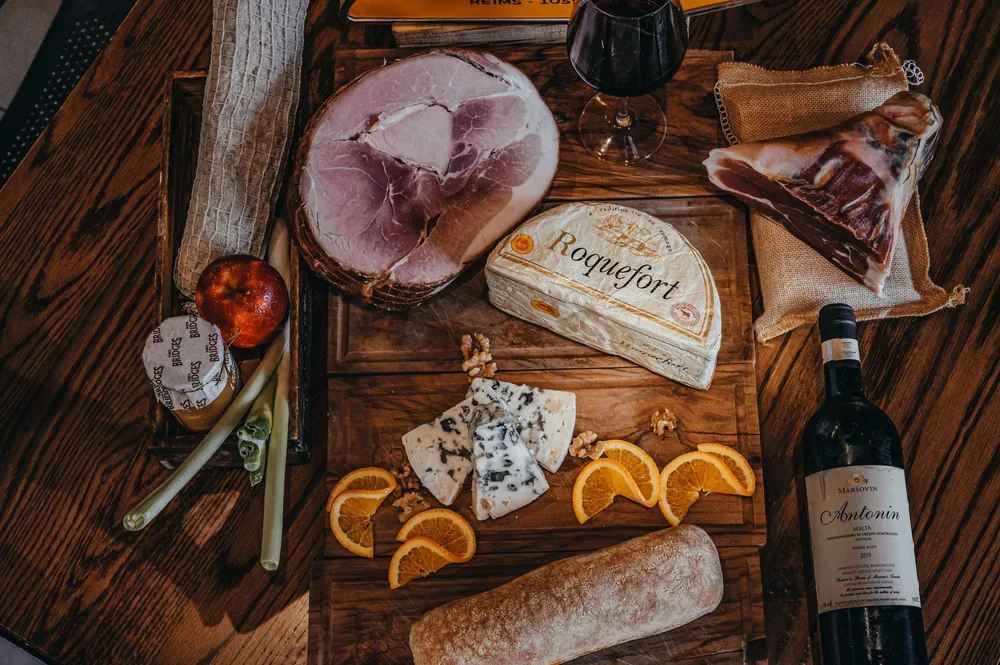
Once you accept that flavor is assembled rather than received, the chef’s restlessness makes sense. Each component can be moved independently, and moving one changes how the others read. Salt suppresses bitterness, acid sharpens everything, and fat spreads flavor and carries it further across the palate.
That is also why the same dish can seem transformed by a squeeze of lemon or an extra pinch of salt at the end. Nothing new was introduced; the balance among the existing parts simply shifted. Cooks who chase perfection are usually chasing that balance, which moves with the ingredients, the season, and the day.
The Five Levers a Cook Actually Pulls
Recipes list ingredients, but cooks think in levers. A dish that is not working is almost always short on one of five things, and the fix is rarely another ingredient.
- Salt — makes existing flavors legible rather than adding a flavor of its own.
- Acid — lemon, vinegar, wine, tomato; lifts a dish that tastes heavy or dull.
- Fat — butter, oil, cream, cheese; spreads flavor across the palate and lengthens it.
- Sweetness — not dessert sweetness, but the roundness in roasted carrots, caramelized onions, or a splash of juice.
- Bitterness — char, radicchio, coffee, browned edges; the lever that keeps richness from becoming cloying.
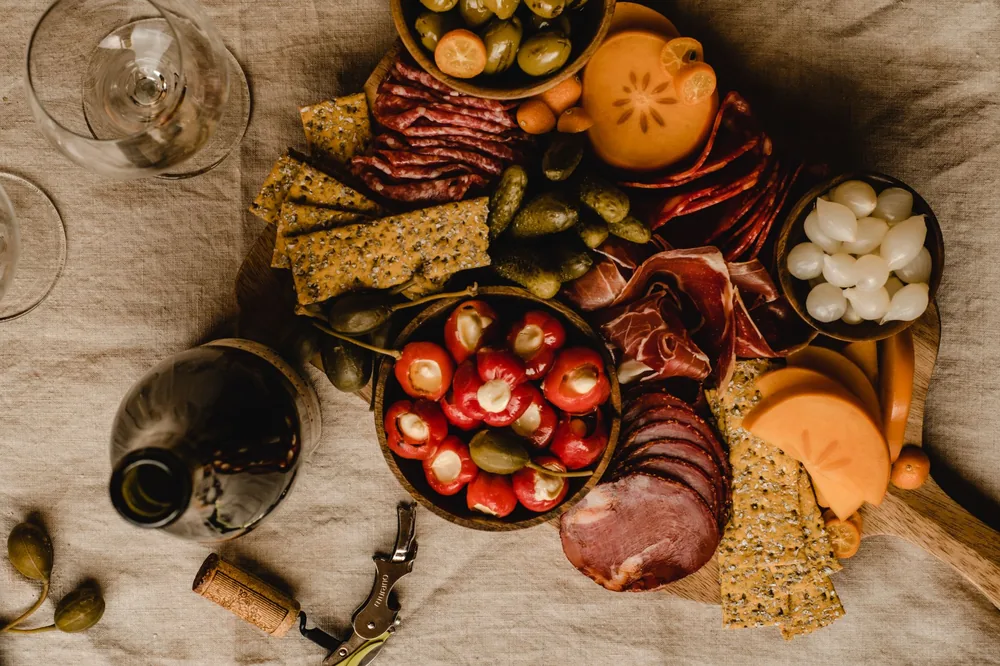
Learning to name which lever a dish needs is slower than learning a recipe and worth far more. It is also the skill that makes wine pairing intuitive instead of memorized, because wine pulls the same levers from the other side of the plate.
How a Plate Changes a Glass
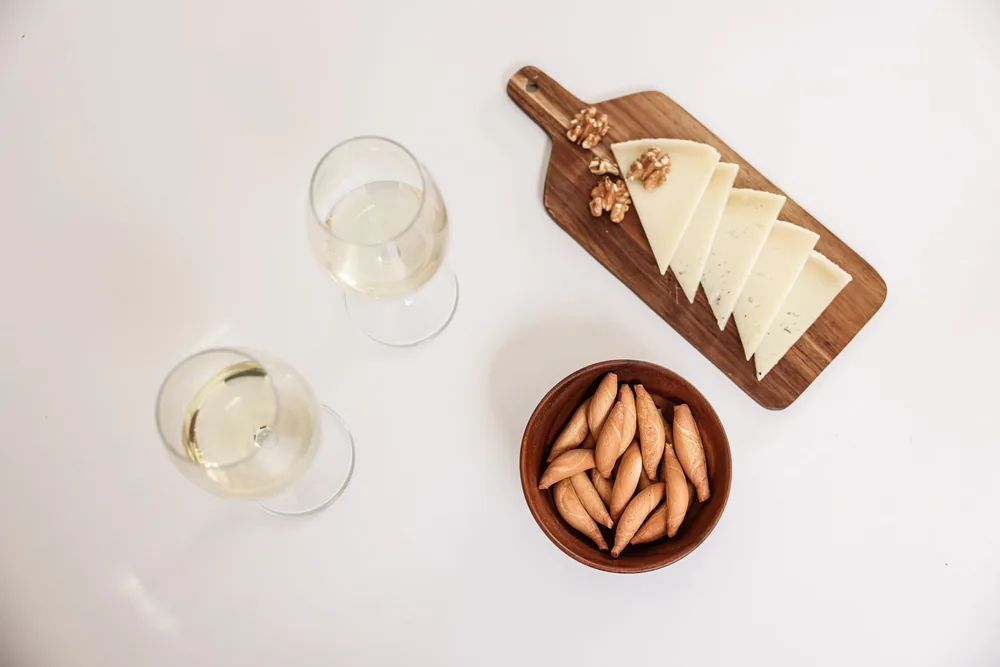
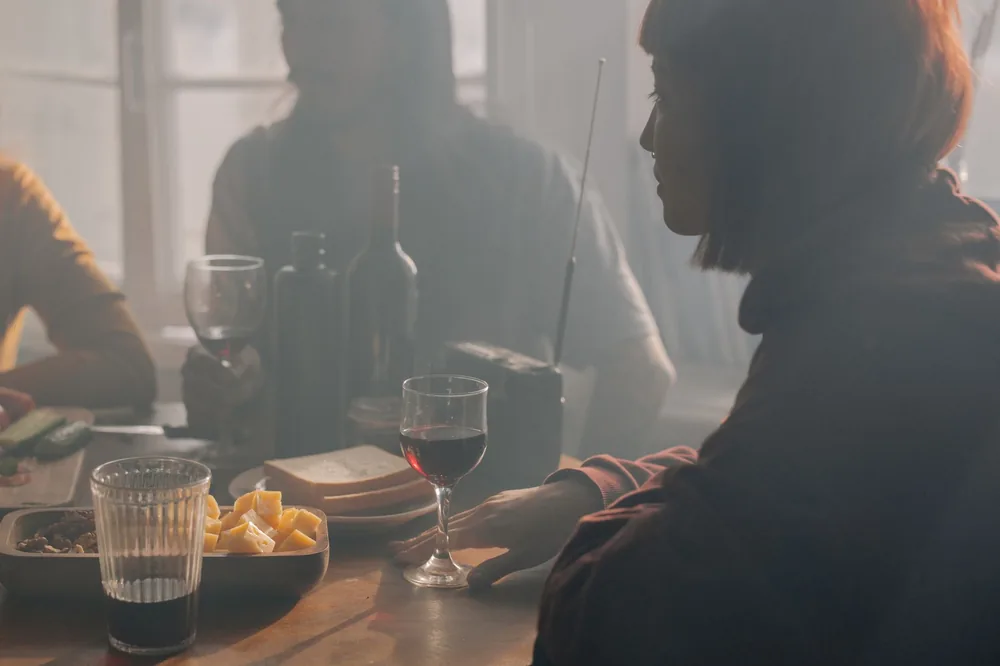
Every element on a fork alters the wine that follows it. The effects are consistent enough to plan around, which is why kitchens and dining rooms that work together tend to build the dish and the pour at the same time. Our overview of food and wine pairing principles covers the same ground from the wine side.
| Element on the plate | Effect on the wine | Practical response |
|---|---|---|
| Salt | Softens tannin and makes fruit read as riper | Salty food gives structured reds an easier ride |
| Acid | Makes a low-acid wine taste flat and heavy | Match a tart dish with a wine of similar briskness |
| Fat | Coats the palate and blunts delicate aromatics | Reach for acidity or tannin to cut through |
| Sweetness | Strips fruit from a dry wine and exposes its tannin | The wine should be at least as sweet as the dish |
| Chili heat | Amplifies alcohol and bitterness | Lower alcohol and gentler tannin sit more comfortably |
None of that requires a trained palate to verify. Pour one wine, taste it plain, then taste it after a bite of something salty and again after something sweet. The wine will seem to change three times, and it never moved.
Practicing Without a Brigade
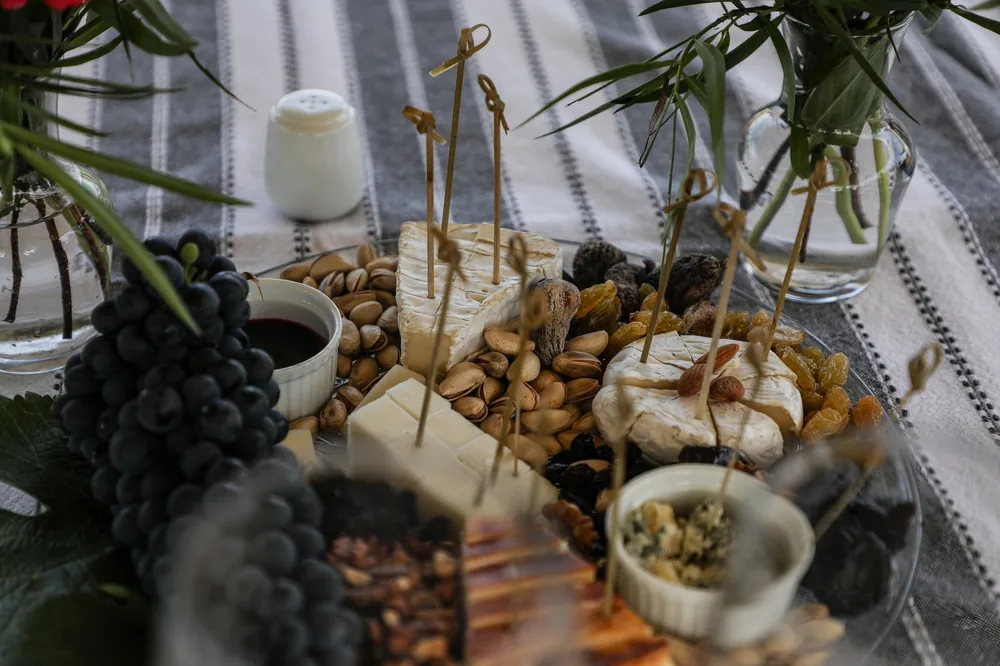
The professional advantage is repetition at volume, not talent. A line cook makes the same sauce four hundred times and learns the shape of it. At home the substitute is deliberate narrowing: cook one dish repeatedly for a month and change exactly one variable each time.
- Pick a dish simple enough that a change is visible — roast chicken, a braise, a tomato sauce.
- Change one thing per attempt: the salt level, the acid, the cooking time, the finishing fat.
- Write down what you changed and what happened, in one line, before you forget.
- Pour the same style of wine each time so the wine becomes the fixed reference point.
Four rounds of that will teach more than a shelf of cookbooks. The habits behind it are the same ones covered in our guide to building practical wine skills, and they compound quietly over years.
Cooking and Wine FAQ
Do I need an expensive wine to learn pairing?
No. Contrast is easier to perceive in straightforward wines, because a complex bottle gives you too many moving parts at once. A modest, clearly styled wine teaches structure faster than a celebrated one.
Is there a rule that never fails?
The closest thing is matching intensity: delicate food with delicate wine, assertive food with assertive wine. Weight mismatches ruin more pairings than flavor mismatches do. Regional logic helps too, since the wines of a place evolved alongside its cooking.
How do I train my palate if I cook alone?
Taste two things side by side rather than one thing carefully. Comparison reveals differences that isolated tasting hides, whether the pair is two olive oils, two vinegars, or two glasses of the same grape from different California growing regions.