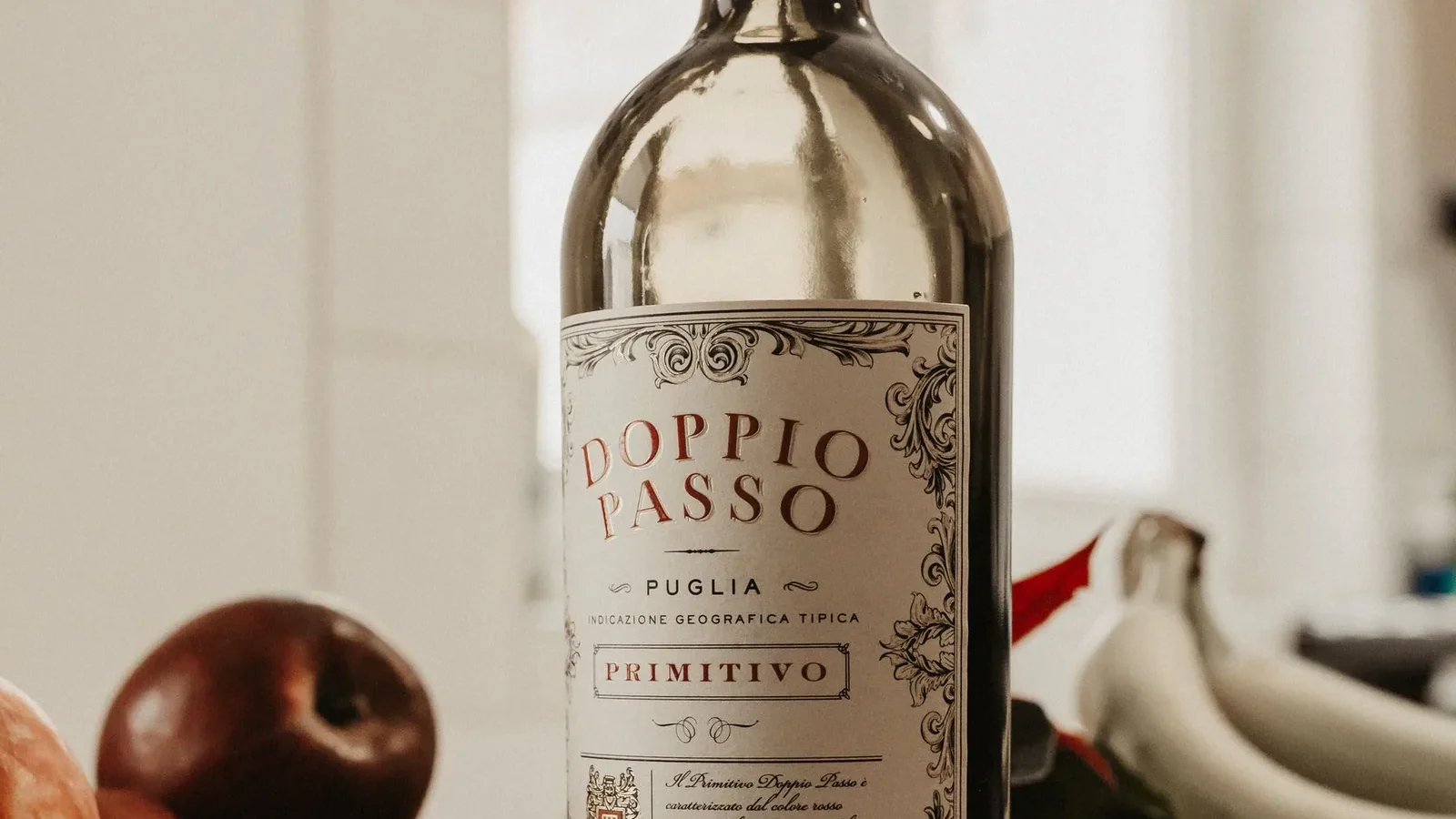
Dear Wine Witch: My husband was born in Puglia and grew up drinking Primitivo. He insists that Primitivo is the same grape as California Zinfandel. I like Zinfandel, but I don’t taste any similarity between Zin and his Italian Primitivo. I don’t think he does either because he always prefers the Italian version. What’s going on here? –Deborah di Donato
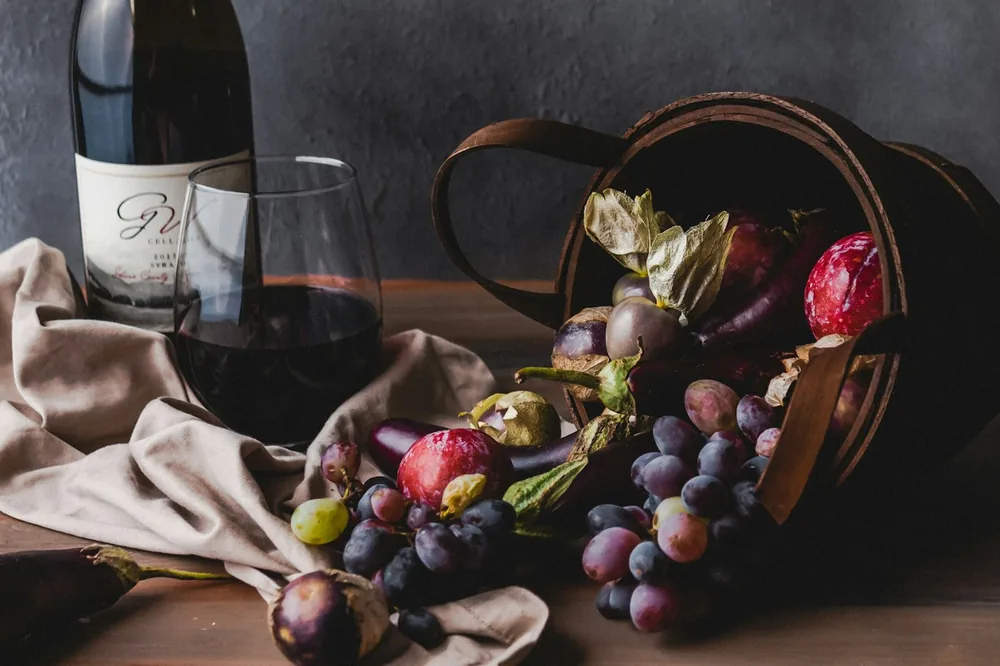
Dear Deborah: Your husband is correct that Zinfandel and Primitivo are one and the same. But that doesn’t mean that they obviously taste alike. The grape variety originated in Croatia and migrated from there to Italy in the 18th Century, arriving on the east coast of the United States in the 19th Century. Arrival times in both countries are well documented, but only recently after the advent of DNA fingerprinting was it possible to determine without doubt that Zinfandel and Primitivo were genetically equivalent to one another and to their older Croatian counterpart.
Over time, the grape variety might have undergone slight character changes in different countries. But flavor differences are due mostly to how the grape matures in different climates and how the wine is made. Most California winemakers, regardless of climate conditions at the vineyard location, allow Zinfandel to ripen to high sugar levels, which spike the alcohol content and reduce acid and tannin so that the wine is very smooth and has sweet, fruity flavors. If you look for the alcohol content on the label, it is commonly around 15% and higher. Italians are likely to pick the grapes earlier so that alcohol is lower and acid and tannins are more apparent. These two stylistic approaches can make a huge difference in the overall flavor of the wine. Apparently, your husband likes his wines more structured, and you like softer and fruitier flavors.
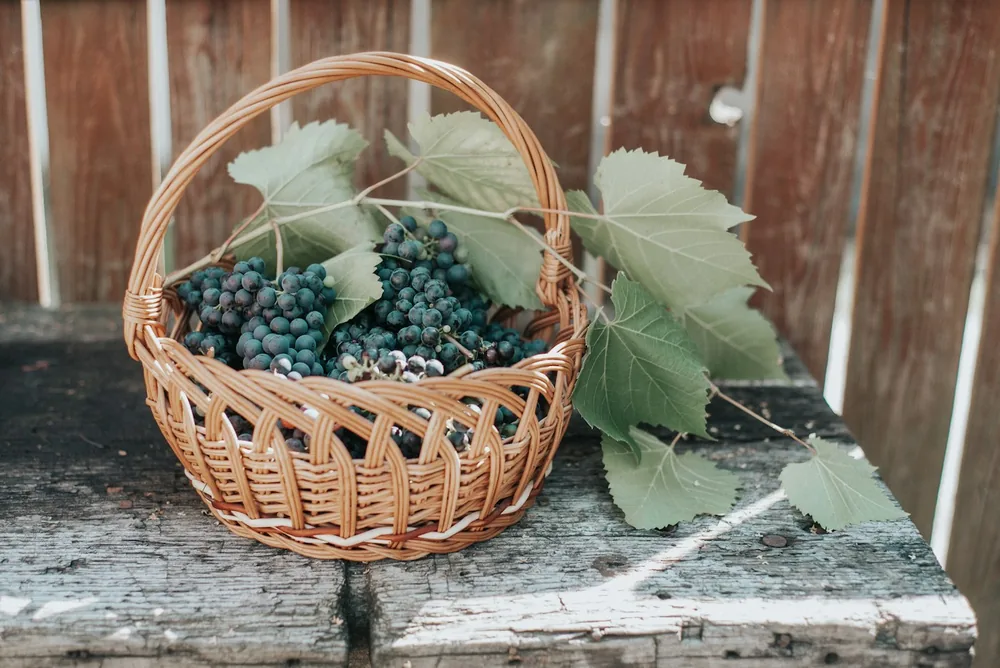
The European Union considers Primitivo and Zinfandel to be synonymous and allows either name on a label although premium wines are likely to be called Primitivo. In the U.S., the regulatory body does not yet consider the names interchangeable, which is at best humorous since the American professor Carol Meredith from the University of California, Davis conducted definitive experiments in 1993. California winemakers with an Italian enthusiasm are likely to seek out clones that come directly from Puglia and to call those wines Primitivo. If you were to taste a California Primitivo, made in the normal California style, you would not be able to tell the difference between that wine and Zinfandel because there would not be any.
By the way, many common grape varieties will taste almost unrecognizably different when made in Europe or California with the exception of Cabernet Sauvignon, which has such strong flavor identity that, regardless of style, it clearly announces its presence, even in a blend. Chardonnay, on the other hand, can taste very different, depending on ripeness and alcohol content, how it was fermented, and whether or not it was exposed to oak barrels. The science of wine has become complicated, but drinking wines from various countries with discernable styles helps you to identify the type of wine that you prefer.
How a grape variety gets identified
Before genetic testing, identification depended on ampelography, the practice of comparing leaf shape, shoot growth, cluster form and berry characteristics against reference descriptions. It is a real skill and it works reasonably well within a single region, but it fails exactly where it is needed most. Two vineyards in different climates will grow the same variety into visibly different plants.
Genetic markers removed that ambiguity. Short repeated sequences in the plant’s DNA vary between varieties but stay constant across clones and climates, so a profile taken from a vine in Puglia can be compared directly against one taken in Sonoma. Matching profiles mean the same variety regardless of how differently the two vines look or how differently the wines taste.
The Croatian trail has since been followed further with more powerful methods. A study of the ancestry and genetic diversity of cultivated and wild grapevines in Croatia examined the eastern Adriatic varieties in detail, including the one carried under the Croatian name Crljenak Kastelanski and the Italian name Primitivo. Work of that kind maps not only identity but relatedness, showing which varieties are parents, siblings or chance seedlings of one another.
Variety, clone and selection
Identity settles less than people expect, because a variety is not a single uniform plant. Vines are propagated by cuttings, and over centuries small mutations accumulate in individual plants, which growers then select and multiply. Those selections are clones, and they can differ in cluster size, ripening speed and vigor while remaining the same variety by every genetic test.
This is why a grower who wants an Italian character from an Italian-named variety looks for plant material of Italian origin. The clone contributes a tendency; the site and the winemaking decide the rest. None of it changes the underlying identity that DNA testing established.
Certified plant material adds another layer to the decision. Nurseries supply vines that have been screened for virus and indexed by clone, and the difference between a clean, documented selection and an undocumented cutting shows up years later in vine health and ripening behavior. Growers replanting a block generally treat that paperwork as seriously as the variety choice itself.
Where the differences actually come from
Two wines made from genetically identical fruit can end up at opposite ends of a tasting table. The reasons are almost entirely decisions, not botany.
| Decision | Effect on the wine |
|---|---|
| Harvest date | Later picking raises sugar and lowers acidity; earlier picking does the reverse |
| Site climate | Warmer sites accelerate sugar accumulation relative to flavor development |
| Fermentation temperature | Cooler ferments preserve fruit aromatics; warmer ferments extract more from skins |
| Time on skins | Longer maceration raises tannin and color |
| Vessel and aging | New oak adds its own flavors; neutral vessels leave the grape more exposed |
| Yield per vine | Lighter crops concentrate; heavier crops dilute and ripen more slowly |
Naming rules and why they lag the science
Regulators approve grape names for labeling through administrative processes that move at their own pace, and synonyms are treated as separate questions in each jurisdiction. A name may be permitted in one market, restricted in another, and accepted as a synonym in a third, all for a variety that genetics settled long ago. The label therefore records a legal decision rather than a biological one.

Synonyms are ordinary in the wine world rather than exceptional. A single variety may carry a dozen local names across the countries where it has been grown for centuries, each one attached to a distinct local tradition of growing and making. Genetics collapses those names into one identity without collapsing the traditions.
For a drinker the practical guidance is simple: treat the name as a signal about intent. A producer who chooses the Italian name is usually signaling an Italian approach to picking and structure, while the Californian name usually signals the riper local style. Our guides to Italian grapes and styles and California grapes and styles set out how those two traditions developed.
FAQ: one grape, two names
Is the variety originally Italian?
The genetic evidence places its origins on the eastern side of the Adriatic, in the region that is now Croatia, with the Italian population established later. Puglia is where it became commercially important under the name Primitivo, which is a separate question from where it began.
Will a wine labeled with either name taste predictable?
Only loosely. The name tells you the variety and hints at the producer’s stylistic intentions, but climate, harvest timing and cellar decisions matter far more to the finished wine than the word on the label.

Does a DNA match mean the vines are identical?
It means they belong to the same variety. Individual clones within a variety can still differ in ripening and cluster structure, which is why growers care about the source of their plant material. Our overview of Italy’s wine regions covers where these varieties are concentrated.