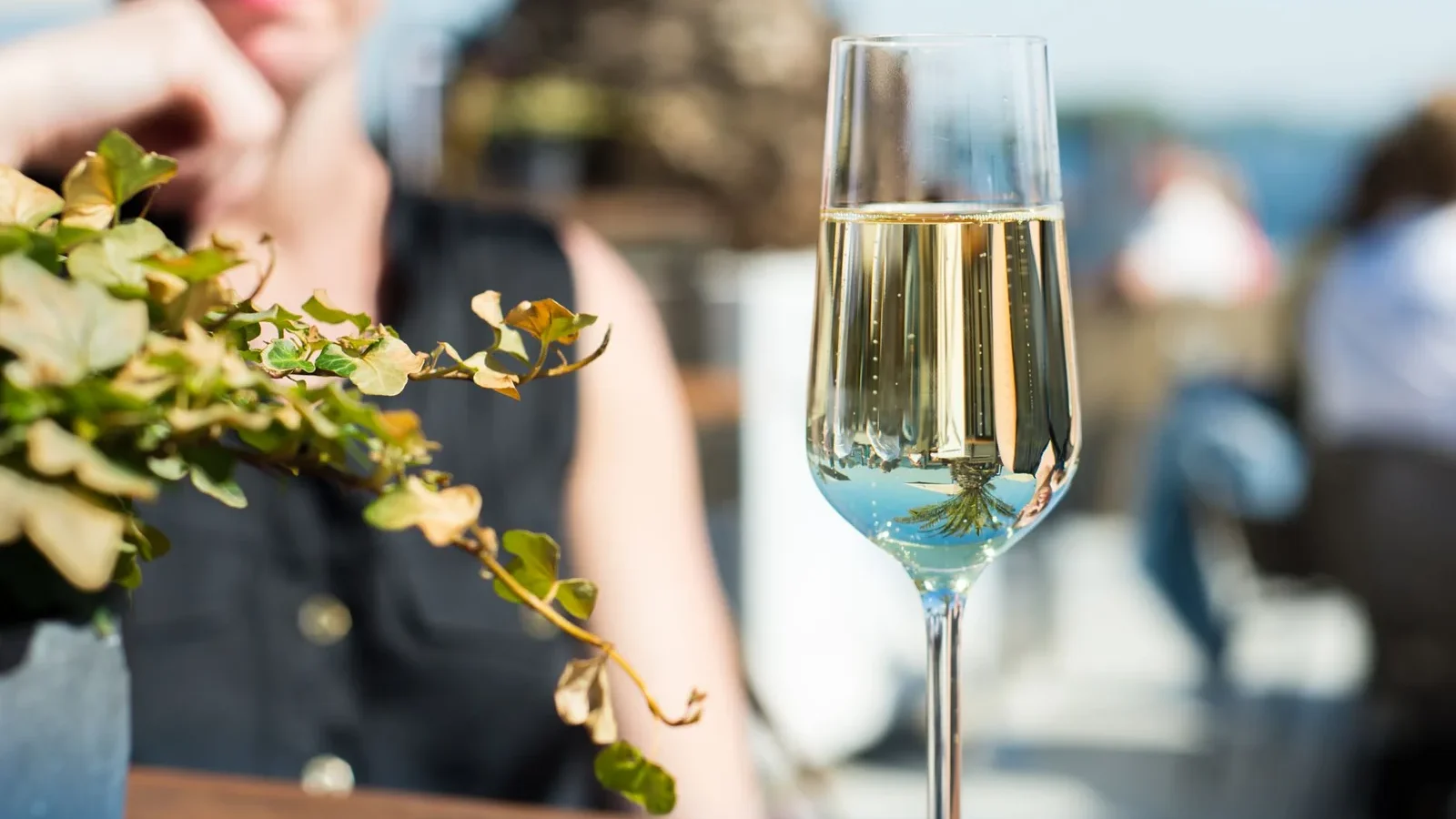
So all those champagne flutes lined up on the shelf that you enjoy filling when an occasion arises? They’re gone like yesteryears’ waist-high jeans. Are they family heirlooms, valuable crystal, expensive Riedel? No matter. Unless you can think of another use for them, they have to go.

Federico Lleonart, global wine ambassador for Pernod Ricard, has announced that the white wine glass is the best for a fine sparkling wine because it lets “the aromas express themselves better.” Our own wine critic Antonio Galloni from Vinous Media agrees.

The idea used to be that the tall and narrow champagne flute kept the wine colder and, more importantly, preserved the bubbles for a longer period, allowing a disaffected guest to observe their paths up to the top of the glass instead of participating in conversation.
The focus is now on aroma, which will be more intense in a wider glass.

So how should we recycle champagne flutes if we don’t want to part with them? Could they serve as vases for maybe small bamboo plants? Would they be hospitable to tiny fish? There doesn’t seem to be a really good answer.

But if we look at the glass as half full instead of half empty, so to speak, single-use tools are a waste of money and space. Instead, we might invest in a few more white wine glasses, which will accommodate the whole range of whites, now including sparkling wine, and maybe even a light red or two.
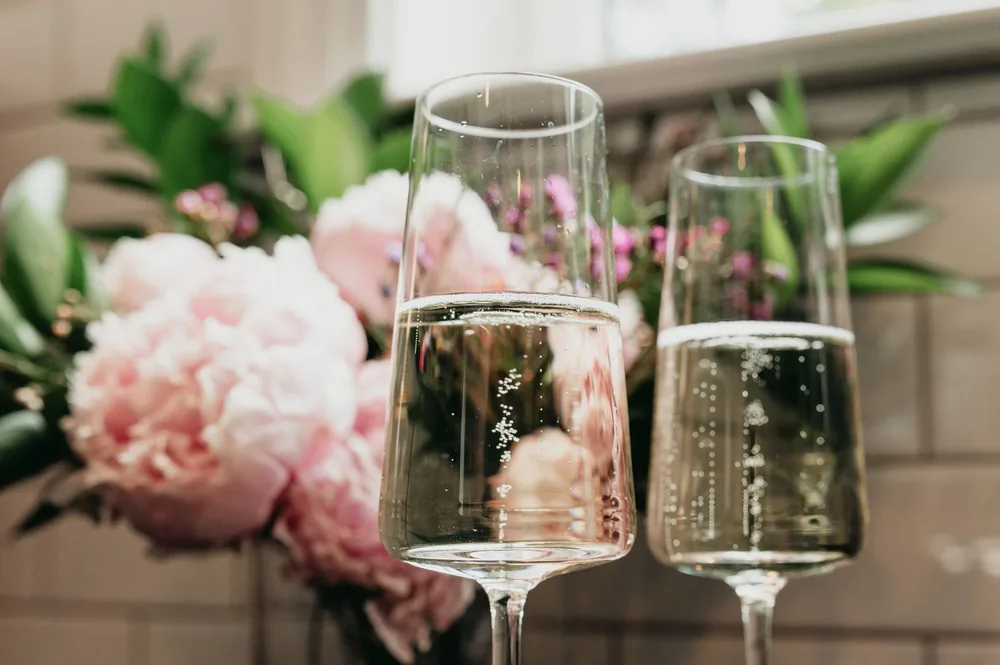
We though we had settled the champagne glass issue once and for all when we eliminated the wide and shallow coupe, which is now a shameful relic of ignorance. But no, scientific progress is unstoppable. We need to bury flutes too.
Happy New Year to all with my fervent wish that our glasses be filled with ample wine of all kinds, in a proper glass, of course, whatever that may be.
What the shape of a glass actually does
A wine glass is a delivery device for aroma. The bowl gives volatile compounds room to collect above the liquid, and the rim decides how concentrated they are when they reach your nose. Everything else, including the stem and the base, is about temperature control and stability.
A narrow opening concentrates aroma but limits the surface area from which it escapes. A wide bowl encourages release but lets it disperse into the room. The tapered shape most white wine glasses use is a compromise between the two, which is why it has become the default recommendation for so many styles, sparkling wine included.
The stem matters more than it looks. Holding the bowl warms the wine within minutes, and for sparkling wine warmth is the enemy of both bubbles and balance. A stem keeps the hand away from the liquid without any effort at all.
Flute, coupe and tulip compared
Each of the classic sparkling shapes was designed around a different priority, and none of them is wrong so much as suited to a different goal. The flute favors the visual display of rising bubbles, the coupe favors ease of service and stacking, and the tulip or universal white glass favors aroma. Knowing which one you are reaching for makes the choice deliberate rather than habitual.
| Trait | Flute | Coupe | Tulip or white wine glass |
|---|---|---|---|
| Bowl width | Narrow | Wide and shallow | Moderate, tapering inward |
| Aroma delivery | Limited | Disperses quickly | Concentrated at the rim |
| Bubble display | Excellent | Poor | Good |
| Temperature stability | Good | Poor | Good |
| Versatility | Sparkling only | Sparkling and cocktails | Whites, sparkling, lighter reds |
The practical conclusion most people reach is that one well-made, medium-sized glass can cover almost the whole table. A set of eight universal glasses takes up less cupboard space than three specialized sets and gets used far more often.
Caring for glassware so it earns its keep
Good glasses fail for boring reasons: detergent film, dishwasher heat, and the way people dry them. Residue on the inside of a bowl flattens foam and dulls aroma, so a hot water rinse with little or no soap is usually enough for wine glasses that have only held wine.
Dry with a lint-free cloth, or let glasses drain upright on a rack rather than face down on a towel, which traps stale air. Store them upright as well, since resting the delicate rim on a shelf is what chips most of them. If a glass has been sitting in a cupboard for months, a quick rinse before use removes any dust or cardboard smell.
These small habits do more for a glass of wine than most gadgets. Our wider collection of wine skills and knowledge guides covers the same practical ground for decanting, storage and serving temperature.
What to do with the flutes you no longer use
Glassware that no longer suits the way you drink does not have to go to waste. Household donation centers accept intact stemware, and community theaters, catering pantries and school drama departments are often glad to take a mismatched set. A flute also makes a perfectly good vessel for a small candle, a bud vase, or a layered dessert.
Recycling is the last resort rather than the first, because drinking glasses and crystal are not the same material as container glass and are usually not accepted in curbside bins. The EPA’s data on glass in the municipal waste stream sets out how narrowly glass recycling programs are defined. Checking a local program’s rules before tossing anything is worth the two minutes.
Whatever you keep, keep enough of it for a crowd. Half a dozen matched glasses covers most occasions, and a few spares mean a broken stem does not end the evening, as our notes on wine for celebrations point out.
Temperature, the glass and the room
A glass does not only shape aroma; it also controls how fast the wine warms. A wide bowl exposes more surface to a warm room, and a heavy bowl held in the palm transfers heat quickly. That combination is why a shallow coupe empties before the wine has a chance to show anything.
Serving temperature is the single easiest correction available to a host. Sparkling wine and light whites belong well chilled, fuller whites benefit from a few minutes out of the refrigerator, and reds are usually better slightly cooler than a modern heated room. Rooms in older houses ran cooler than ours do, which is why the old advice about room temperature misleads so many people.
An ice bucket filled with equal parts ice and water chills a bottle faster than a freezer and with far less risk. Fifteen to twenty minutes brings most bottles down to a good serving range, and the bottle can sit in the bucket between pours without anyone thinking about it again.
Matching the glass to the moment
A toast for twenty people and a quiet dinner for two ask different things of glassware. Large gatherings favor sturdy, mid-sized glasses that stack safely in a dishwasher and survive a crowded table. Small dinners are where the finer, thinner glass earns its place, because there is time to notice the difference.
Glassware FAQ
Do I need lead crystal?
No. Modern crystalline glass without lead is thinner, lighter and dishwasher tolerant in many cases, and the difference at the rim is far more important than the material. Weight and thinness are matters of preference and budget.
Is a stemless glass a bad idea?
Only for wines served cold. Stemless glasses are sturdy and pleasant for casual reds, but the hand warms a chilled white or sparkling wine quickly, which is exactly what you were trying to avoid.
How full should a glass be?
About a third, or less for sparkling wine served in a wide bowl. An underfilled glass looks stingy until you realize the empty space is where the aroma lives, and refilling is easy.