by Sommelier Robin Obert
This month we are going to delve a bit into Champagne. A delicious and exciting treat that (in my opinion) is welcome anytime! All Champagne is sparkling but, not all sparkling is Champagne.
“Always keep a bottle of Champagne in the fridge for special occasions. Sometimes, the special occasion is that you’ve got a bottle of Champagne in the fridge.” – Hester Browne
For the beverage to be called Champagne there are two criteria that must be met. First, the grapes must be grown and the wine produced in a legally defined region in Northern France. Secondly, the method in which Champagne is developed must be a double fermentation. The second fermentation must take place in the bottle in which it will remain for distribution. This method is referred to as method champenoise or method traditionelle.
The traditional grapes used to produce Champagne are Blanc de blanc (white on white) which is a Chardonnay grape that adds a brightness and sophistication to the wine. Pinot Noir know to add structure and body. And finally, Pinot Meunier which is used to round off the wine with a beautiful fruitiness and aroma.
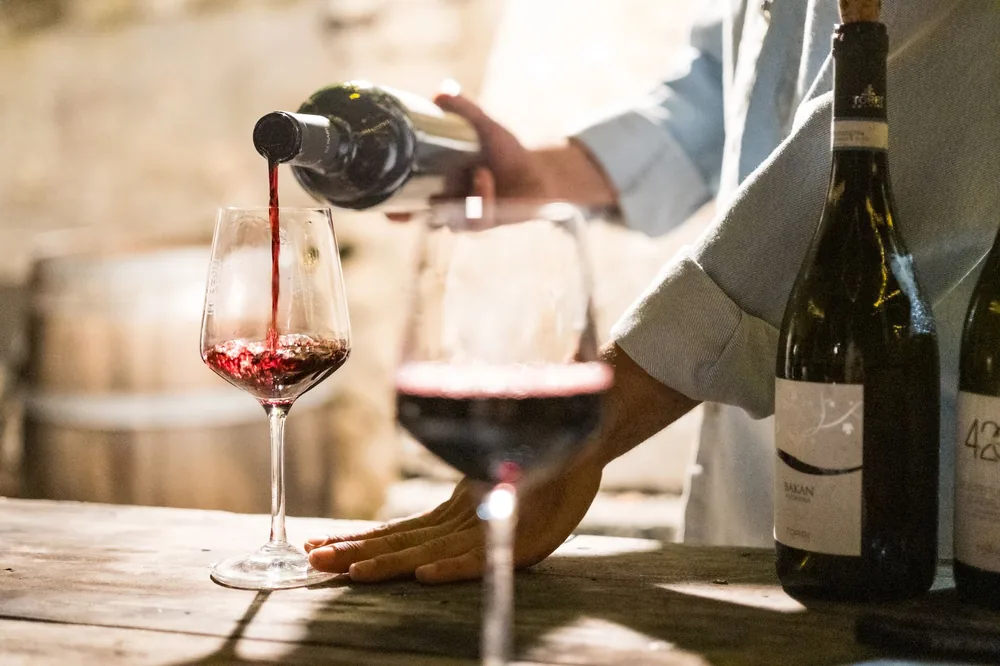
In early times Champagne was actually a still wine, not at all like it is today. It wasn’t until a French monk by the name of Dom Perignon developed the process of a second fermentation which made it into sparkling.
The formal development of vineyards began in the Champagne region in the 5th century. The sparkling wine industry was developed in the 1700’s. Ruinart developed the first Champagne house. In 1743 Claude Moet established what is now considered the largest Champagne house today!
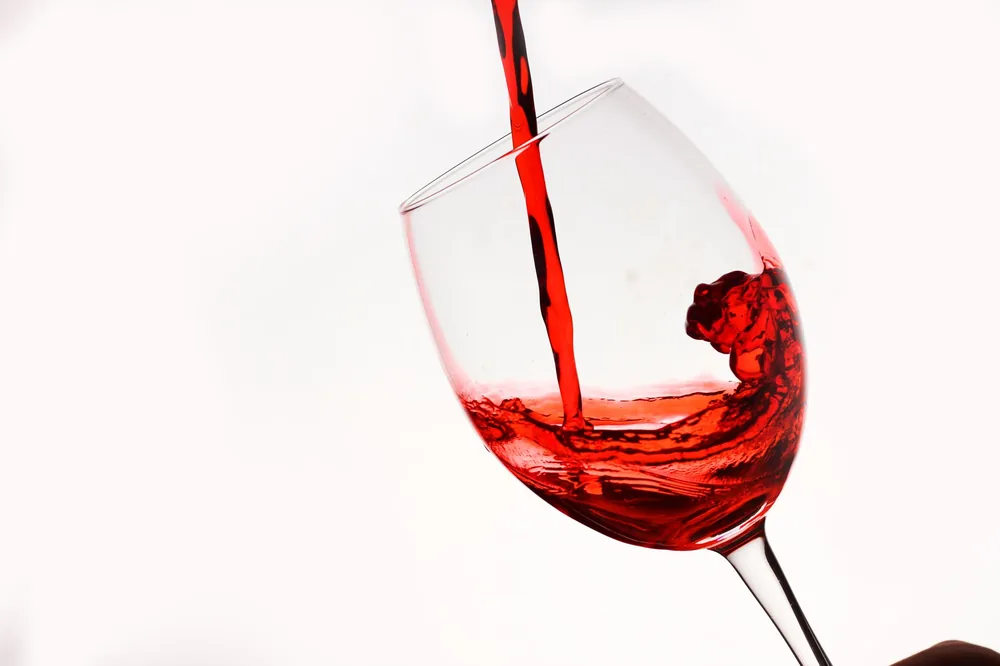
Sparkling wines and Champagnes are either vintage or non-vintage (NV). Non-vintage wines are blended with various vintages of grapes (up to two or three different vintages). These wines do not benefit from cellaring. Vintage wines are produced from an exceptional (single) vintage harvest. Few and far between, a very luxurious indulgence, to develop complexity these wines benefit by cellaring.
The world’s other sparkling wines
Almost every wine-producing country makes a sparkling wine, and most of them use one of two production routes. The traditional method puts the second fermentation in the bottle, which builds fine bubbles and bready character from long contact with spent yeast. The tank method runs the second fermentation in a large sealed vessel and bottles the wine under pressure, preserving fresh fruit and floral aromas instead.
Spain’s Cava and France’s Crémant wines use the bottle route outside the Champagne region, as do Italy’s Franciacorta and the better sparkling wines of California, Oregon and Washington. Prosecco is the best known tank-method wine, and its bright, grapey character comes directly from that choice. Neither route is a shortcut; they are aimed at different results.
In the United States, the labeling of these categories is set out in federal regulation, including the definitions in 27 CFR 4.21 on classes and types of wine. Those rules explain why an American label may say sparkling wine, carbonated wine or naturally fermented in this bottle, and why each phrase means something specific.
How dry is dry on a sparkling label
The most confusing thing on a sparkling wine label is the sweetness term, because the vocabulary is historical rather than intuitive. A wine labeled extra dry is sweeter than one labeled brut, which surprises nearly everyone the first time. The scale reflects a period when sparkling wines were far sweeter than they are today, and the terms simply never moved.
| Term | Relative sweetness | Usual role |
|---|---|---|
| Brut nature | Bone dry, nothing added | Oysters and raw shellfish |
| Extra brut | Very dry | Aperitif and salty first courses |
| Brut | Dry | The versatile everyday choice |
| Extra dry | Off dry, despite the name | Brunch and lightly sweet dishes |
| Sec and demi-sec | Noticeably sweet | Cake and fruit desserts |
The small addition of wine and sugar made after disgorging sets that level, and it is one of the last decisions a producer makes. It also explains why the same base wine can appear in two different sweetness levels under one roof.
What happens between harvest and release
The work that separates a serious bottle-fermented sparkling wine from a simple one happens almost entirely after the second fermentation. The wine rests in the bottle on the spent yeast cells, which slowly break down and give up compounds that add texture and the toasted, bready aromas the style is known for. Months produce a noticeable effect and years produce a pronounced one.
When the aging is finished, the sediment has to come out without losing the pressure. Bottles are gradually tilted and turned so the deposit collects in the neck, a process once done by hand on wooden racks and now usually done mechanically. The neck is then frozen, the plug of sediment is expelled by the pressure inside, and the bottle is topped up and sealed.
Tank-method wines skip most of that. They ferment a second time in a pressurized vessel, are filtered under pressure and bottled within weeks, which preserves the fresh aromatics of the base grape. That is a deliberate stylistic aim rather than a shortcut around quality.
Vintage, non-vintage and why blending matters
Blending across years is not a compromise in sparkling wine; it is the point of a house style. Reserve wines held back from earlier harvests let a producer deliver a recognizable character every year, regardless of what the weather did. That consistency is precisely what a non-vintage bottling promises.
Single-year bottlings take the opposite approach, showing what one growing season produced without the safety net of older reserves. They are made only when a producer judges the harvest worth it, and they generally spend longer aging before release. Both approaches produce serious wine, and preferring one over the other is a matter of taste rather than rank.
Serving sparkling wine well
Chilling matters more than anything else. Cold wine holds dissolved carbon dioxide better, so a bottle straight from an ice and water bath foams less, pours more cleanly and tastes brighter. A freezer is a poor substitute and a risky one.
Open the bottle by holding the cork and turning the base, keeping a thumb over the top the whole time. Pour at an angle against the glass, then top up once the foam falls back. Our notes on wine for celebrations cover serving a crowd, and the broader wine skills and knowledge guides cover glassware and storage in more detail.
Sparkling wine at the table
Treating sparkling wine only as a toast wastes most of what it can do. High acidity and carbonation together scrub fat and salt from the palate, which makes it one of the most flexible things on a dinner table. Fried food, salty cheese, cured meat and anything served with butter all improve next to a dry sparkling wine.
Sweeter styles have their own job. An off-dry sparkling wine handles spicy dishes better than a dry one, because a little sugar softens heat that would otherwise sharpen the alcohol. At the end of a meal, the wine should be at least as sweet as the dessert or it will taste hollow.
Sparkling wine FAQ
Can any sparkling wine be called Champagne?
No. The name belongs to a delimited region in northern France and to wines made there under its own rules. Everything else is sparkling wine, whatever method it uses.
Does sparkling wine improve in the bottle at home?
Most non-vintage wine is released ready to enjoy and gains little from further storage. Vintage bottlings and long-aged styles can develop for years, but they need steady cool temperatures rather than a kitchen cupboard.
What is the fastest way to chill a bottle?
A bucket of half ice and half water, with a handful of salt if you are in a hurry. Water contacts the whole bottle surface, while ice alone leaves insulating air gaps and takes far longer.