
We import our furnishings, clothing, electronic appliances, and children’s toys from China. And that’s just the shortlist. But what’s next? Probably wine.
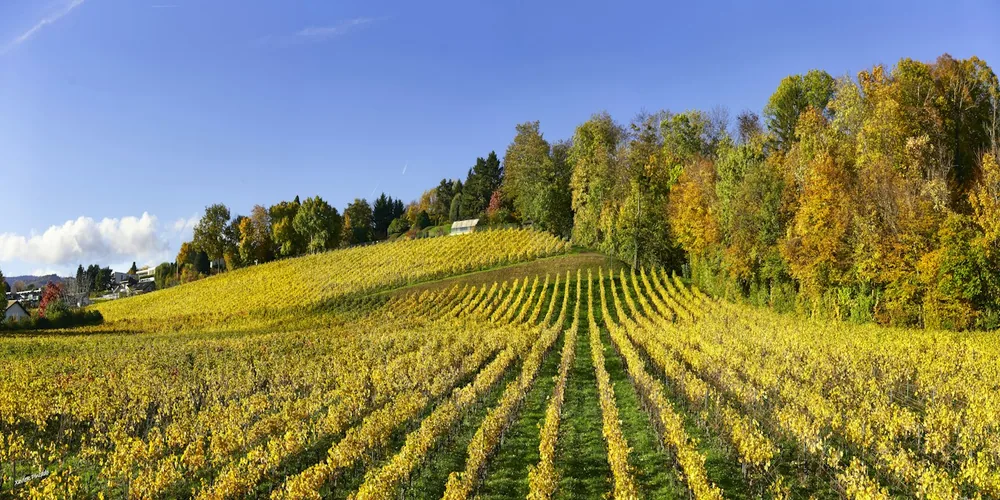
Last year, China became the second largest cultivator of wine grapes in the world after Spain. The country is now ahead of France, Italy, and the U.S. with vineyards occupying more than 3000 square miles of land, mostly all red wine grapes and mostly French varietals. Americans consume the most wine, both white and red. But the Chinese are the largest consumers of red wine in the world. When they discover whites, the numbers will be staggering.
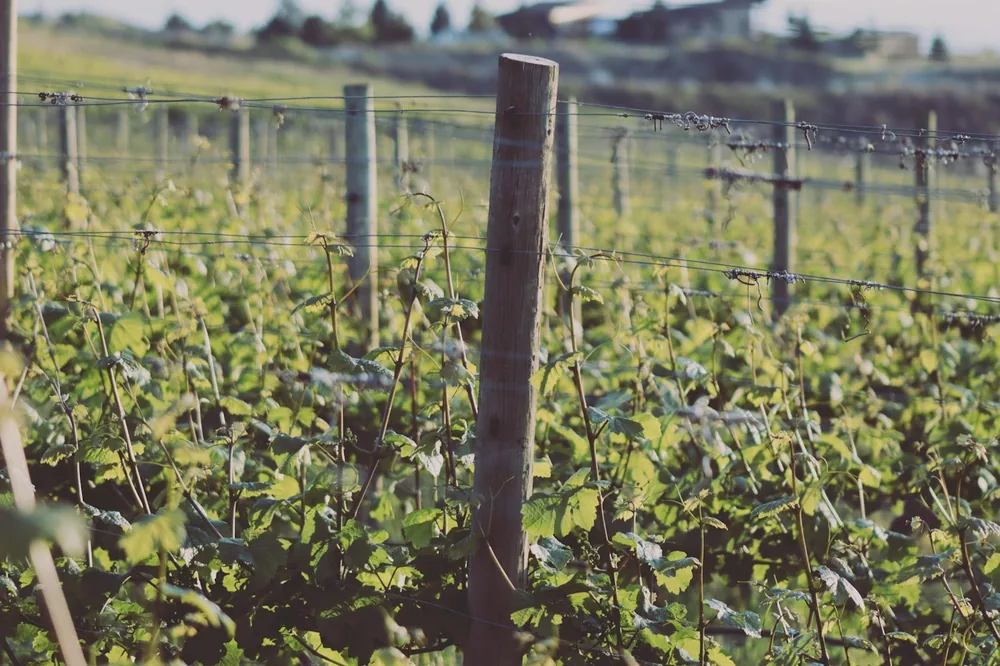
But right now, Chinese wine production is much less than major wine-producing nations because many of their vineyards are new and not yet ready for wine making. But that will change in several years. At this point, the Chinese are importing half of what they consume,the better half. Their own vineyards are relegated to lower value wines. But that too will change. Making fine wine requires a learning curve as Chile, South Africa, and California will testify.
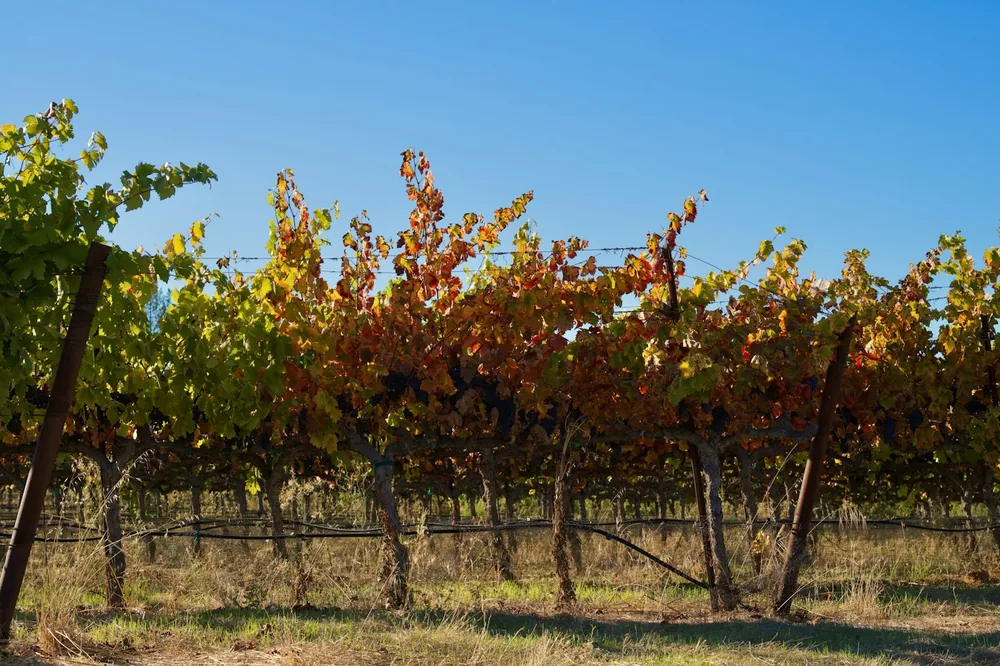
The Chinese enthusiasm for wine, red wine,started about 15 years ago as a burgeoning middle class began to develop. The newly affluent and urban Chinese were brand conscious,and wine, red and French, was a symbol of sophistication. The French embraced these new consumers and marketed their wines there but also invested in China. The Great Wall Wine Co. was built in part with French capital and equipment. Remy Cointreau invested in Dynasty Wines. Great Wall, Dynasty, and Changyu, a domestic company,are the big three of Chinese wine with combined revenues of about eight billion dollars. Not bad for a beginning.
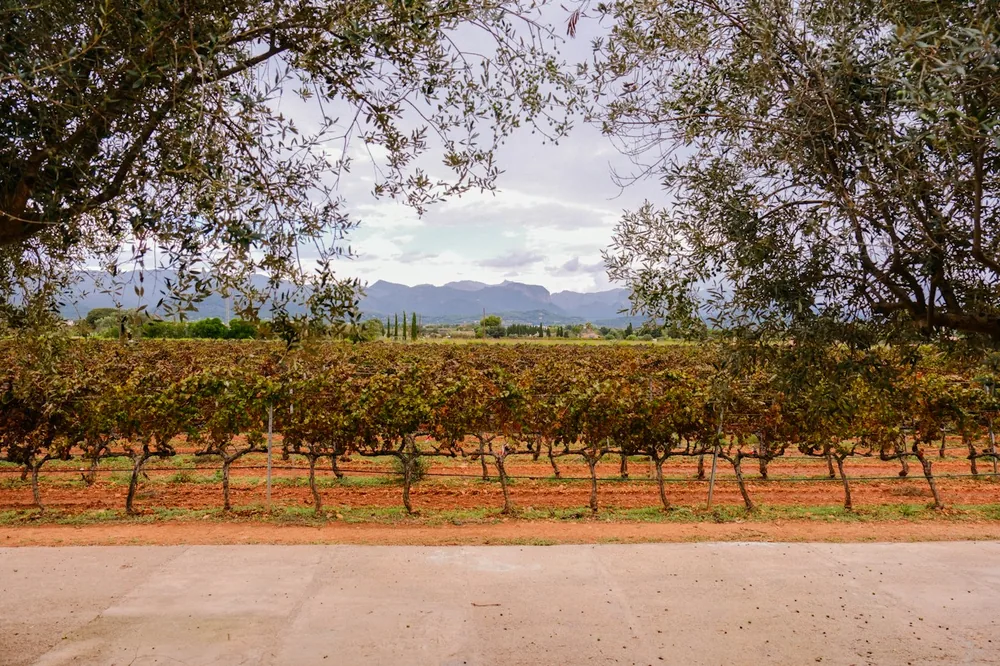
But the French went even further. Rothschild planted a 37-acre vineyard in Penglai, a peninsula of Shandong. LVMH Moet Hennessy planted 163 acres in the province of Ningxia along with 74 acres in Yunnan, further reinforcing their brands.
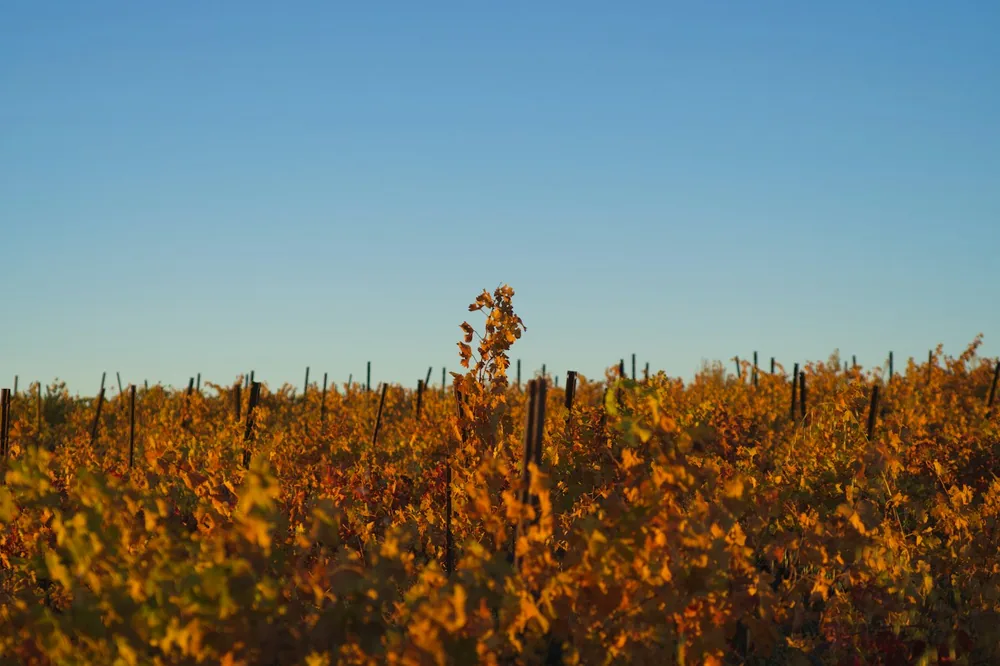
China has almost 20% of the world population,1.3 billion people, and it doesn’t need to export wine to develop the biggest wine business in the world. All it needs is to satisfy its own markets. And right now, that’s the goal. But after it accomplishes that task and improves its wines, we might be seeing Chinese wines at our corner stores for irresistible prices.
What a new wine region has to solve
Planting vines is the easy part of building a wine industry. The difficult parts are matching varieties to climates, developing a skilled workforce, and building the storage and transport chain that gets a fragile product to a customer intact. Every producing country has worked through that sequence, and none has done it quickly.
Climate sets the hardest constraints. Regions with very cold winters must protect vines from freezing, and in parts of northern China that means burying the vines under soil each autumn and uncovering them in spring, a labor-intensive step that few other wine regions require. Regions with summer rain at harvest face disease pressure that dry-summer areas like California simply do not have.
Then there is time. Vines take several years to produce a usable crop and longer to produce their best fruit, so a region planted today shows its real character a decade later. That lag is why judgments about any emerging producer made in its first years tend to age badly.
| Factor | Established region | Emerging region |
|---|---|---|
| Vine age | Decades of mature plantings | Mostly young vines |
| Site knowledge | Generations of trial and error | Still being mapped |
| Workforce | Deep pool of trained staff | Often reliant on consultants |
| Rules of origin | Defined appellations | Boundaries still forming |
| Export presence | Long-standing distribution | Limited and recent |
How wine actually crosses borders
Wine moves through a longer chain than most groceries. It is produced, exported, imported by a licensed business, distributed to retailers or restaurants, and only then sold, and in the United States each of those steps carries its own licensing and tax obligations. Every link adds cost, which is why a modestly priced wine at origin can arrive on a shelf far from modest.
Trade policy sits on top of that. Tariffs, exchange rates and shipping costs can change the economics of an entire category within a year, sometimes making an established import uncompetitive and sometimes opening a door for a new one. United States import and export figures by country and commodity are published through the Census Bureau’s foreign trade statistics, which is where those shifts show up first.
Shipping conditions matter as much as price. Wine spoils in heat, so containers crossing the equator need care, and the cost of temperature-controlled transport is one reason inexpensive wine travels less well than expensive wine does.
Domestic markets come first
Almost every large wine-producing country consumes most of what it makes. Exports are the visible part of the trade, but they are usually a minority of production, and a country with a large population and a growing interest in wine has little reason to prioritize foreign shelves. Building a domestic market is also easier, since it avoids tariffs, translation, distribution and the slow work of building a reputation abroad.
That pattern held for California for most of its history, and it shaped the way its regions developed. Our overview of California’s wine regions traces how domestic demand drove plantings long before exports mattered.
What changes when a country starts drinking wine
Consumption habits reshape production faster than any planting decision. A market that begins with a preference for red wine and imported brands tends to broaden over time toward whites, sparkling wines and local production, simply because drinkers get more curious as they get more experienced. Restaurants and retailers follow that curiosity rather than leading it.
The same broadening happened in the United States over several decades, and it is why the shelf in an American store looks nothing like it did in the 1970s. Categories that were once invisible became ordinary as soon as enough people had tried them.
For the drinker, the practical effect of any new producing country is more choice at every price. It also puts pressure on established regions, which respond by emphasizing what cannot be copied: old vines, defined origins and long-standing local varieties, as our guide to Italy’s wine regions illustrates.
Reading a label from an unfamiliar country
The same information appears on nearly every wine label regardless of origin, once you know where to look. Country and region of origin, grape variety or a place name that implies one, alcohol level, producer and vintage cover almost everything you need. Imported wines sold in the United States also carry an importer’s name, which is often the most useful clue of all.
Importers specialize, and a good one applies a consistent standard across a portfolio. Learning two or three importer names is a faster route into an unfamiliar region than learning dozens of producers, as our wine skills and knowledge guides explain.
Emerging wine regions FAQ
Does a young wine industry mean poor quality?
No, but it does mean inconsistency. Young vines, new sites and inexperienced teams produce wider variation from bottle to bottle than mature regions, and that narrows as the plantings age.
Why do imported wines cost more than they seem to at origin?
Shipping, tariffs, licensing and several layers of distribution each add cost. A wine that is inexpensive at the cellar door is rarely inexpensive after crossing an ocean and three sets of paperwork.
How long before a new region finds its identity?
A generation is the usual answer. It takes that long to learn which varieties suit which sites, to build vine age, and to develop the shared local knowledge that defines a region’s style.