
Recently a wine club member called to reorder a case, an Italian Barbera from the Artisan Series. He asked if many people had reordered the wine, and I answered no. He said that he wasn’t surprised. He and his wife had sat down to dinner and were unimpressed by the wine. A telephone call interrupted their meal for a half hour, and when they returned to the table and their glasses, they were astounded by the wine’s transformation. The Barbera, which at first was banal, was now brimming with berry flavors and aromas and had a silky texture. What could possibly have happened during the half hour that the wine sat in the glass?
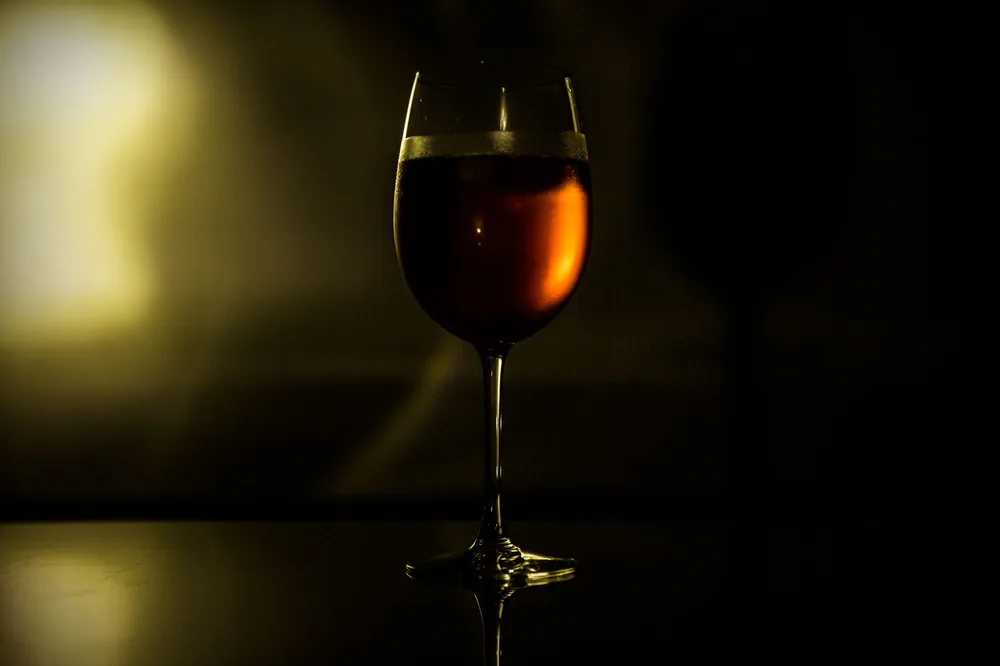
The simple answer is that the wine was allowed to “breathe.” Exposed to air for that half hour, it was able to release its flavors and aromas. The formal method for bringing about this transformation is to decant the wine before serving, transferring it from its original bottle into a decanter, although the process is not without controversy.
The undisputed advantage of decanting pertains to older wines that over time have thrown sediment in the bottle. Carefully transferring the wine to another container while the sediment remains in the original bottle separates the unpleasant sediment from the wine. Another undisputed aspect of decanting wine, whether old or young, is simply that a beautiful decanter made with clear glass is an esthetic pleasure that enhances both the wine and the table.
The controversy centers around whether or not decanting wine and thus aerating it as it transfers from one container to another really benefits the taste, supposedly releasing aromas and fruit flavors and softening tannins through oxidation and evaporation. Most people in and out of the trade think it does although the science, at least what exists, says not or not exactly.
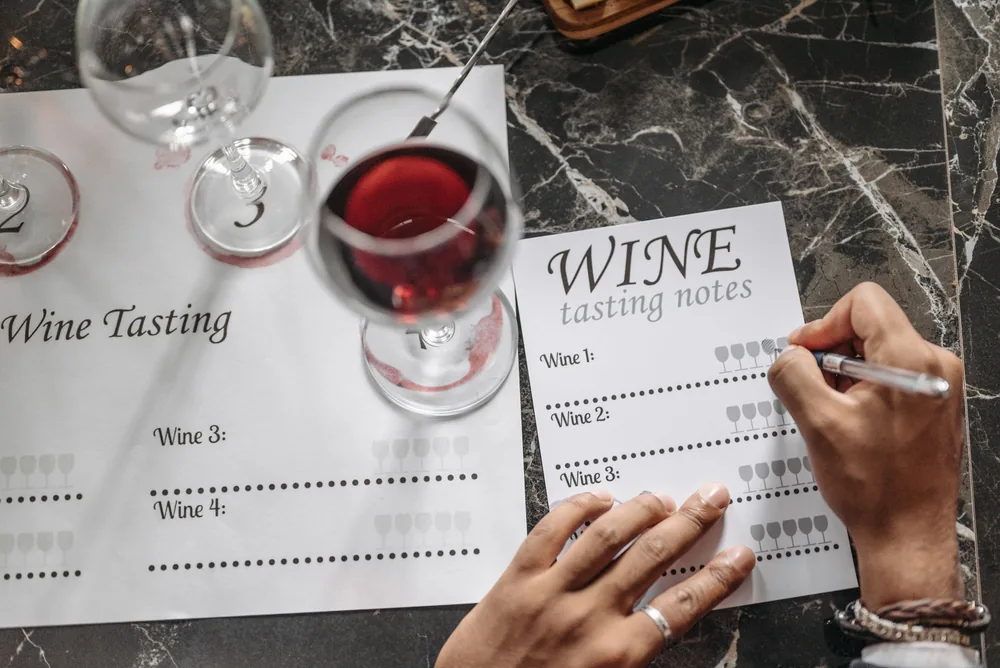
When winemakers taste professionally, they swirl wine in a glass and sniff it first before sipping, because we perceive only sweet sour, bitter, and salt with the taste buds on our tongues and every other flavor with the nerves in our noses. Swirling the wine sets its molecules in motion so that aromas can be more easily inhaled and then identified by our brains. Likewise, decanting a wine will set molecules in motion as does swirling it in a glass although some argue that exposing the wine to air over a prolonged period will dissipate delicate aromas, especially those of older wines.

While aerating wine for at least a short period can noticeably improve flavor, making it smoother is debatable. The primary reason that winemakers age red wine in barrels is that wood is slightly porous and allows the wine to undergo a carefully controlled oxidation over many months. Oxygen promotes the polymerization of tannins, which links shorter molecules into chains that feel smoother on the tongue. In older wines, these chains will become heavy enough to actually fall out of solution and create sediment in the bottle. But the process occurs over many months or years, not within the hour that wine might be exposed to oxygen in a glass or a decanter.
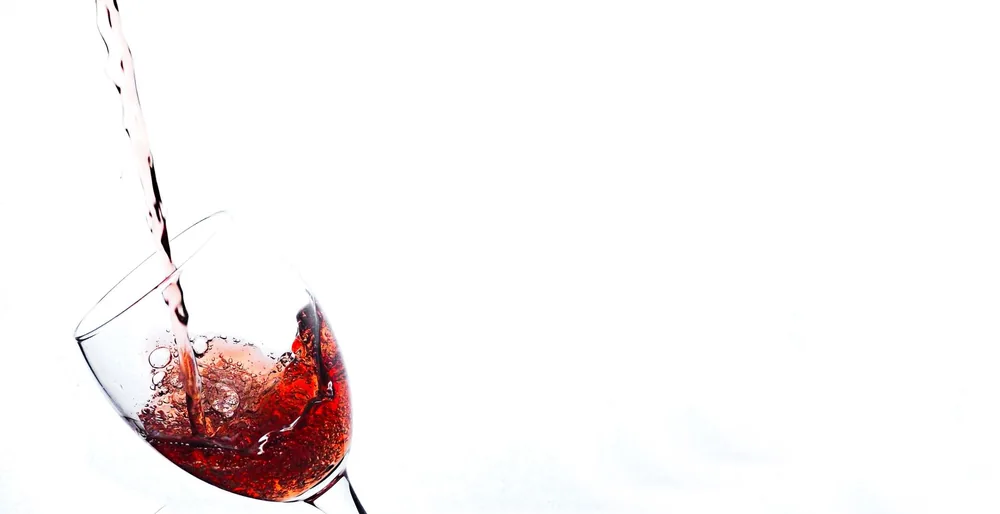
But what can happen within an hour is that preservative sulfur compounds, added during the winemaking process, can evaporate. Yeasty components and carbon dioxide in white wine can also dissipate. Without these extraneous elements, intrinsic fruit flavors become more apparent. Red wine will also more quickly reach room temperature after decanting and feel smoother in the mouth than at lower temperatures.
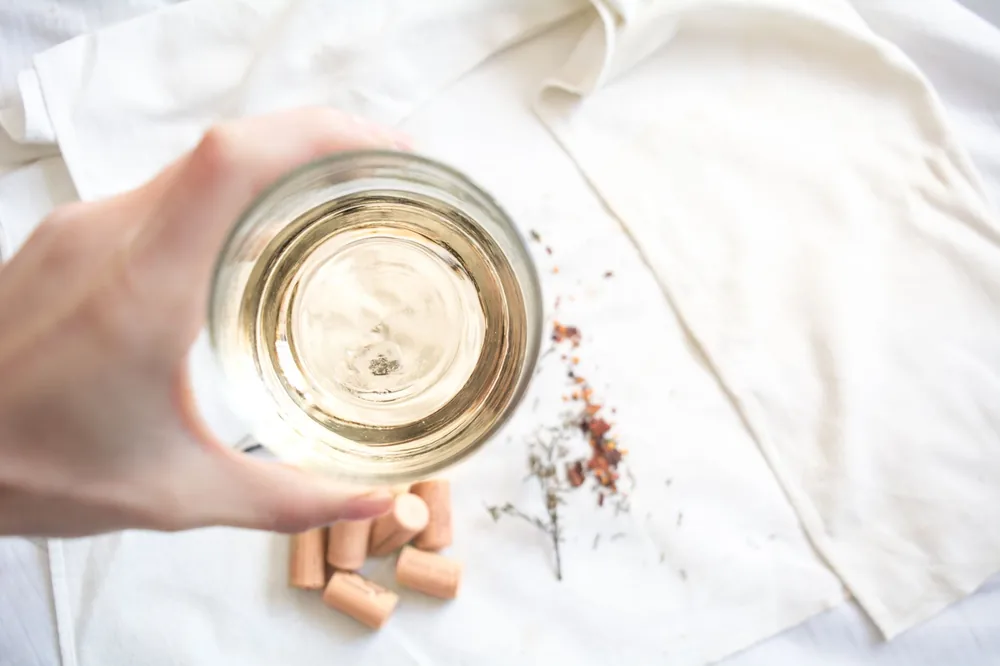
So if you are not in the habit of decanting wine, should you start? I say yes, at least when you have the time and want to enjoy a given wine at its very best and especially if you think a wine is not as good as it should be.
What actually changes when wine meets air
Several things happen at once, and only some of them are oxidation. Dissolved carbon dioxide left from fermentation escapes, which removes a faint prickle that can read as sharpness. Volatile sulfur compounds, which give a young wine a struck-match or cabbage-like edge, also blow off quickly, and their departure is what most people are noticing when a closed wine suddenly seems to open.
Genuine oxidation is slower than that. The reaction between oxygen and the phenolic compounds in wine proceeds over weeks and months, which is the point of barrel aging, not over the half hour a decanter sits on a table. What an hour of air can do is change what you smell, not restructure the wine.
The effect also runs in both directions. A fragile older wine can lose its most delicate aromas within twenty minutes of exposure, which is why the traditional practice with old bottles is to decant them off their sediment and serve them promptly.
Why aroma carries most of the flavor
The tongue reports a short list: sweet, sour, salty, bitter and savory, plus physical sensations such as astringency, heat and temperature. Everything else attributed to flavor arrives through the nose, both by sniffing and through the passage at the back of the mouth while swallowing. That is why a head cold flattens food and wine alike.
MedlinePlus, run by the National Library of Medicine, summarizes how taste and smell work and what disrupts them. Understanding the split explains why swirling helps at all, since agitation increases the surface area from which aromatic molecules can escape. A decanter simply does the same thing on a larger scale.
| Consideration | Old wine with sediment | Young, firm wine |
|---|---|---|
| Purpose | Separate the wine from its sediment | Expose the wine to air |
| Preparation | Stand the bottle upright for a day first | None needed |
| Pouring style | Slow and steady, in one motion | Splashing against the side is fine |
| Time in the decanter | Serve promptly | Thirty minutes to a couple of hours |
| Main risk | Losing delicate aromas | Almost none |
A method that works without special equipment
Stand an older bottle upright for a day so the sediment settles into the punt, then open it without shaking and pour in one continuous motion with a light behind the neck. Stop the moment the sediment reaches the shoulder. A candle is traditional, but a phone light works just as well.
For a young wine the handling is the opposite, and pouring hard against the inside of the vessel is the whole technique. A clean pitcher does the job as well as a crystal decanter, and pouring the wine back into its rinsed bottle afterward keeps the label visible at the table. Half an hour is usually plenty.
The cheapest test is the one the caller in the story above ran by accident. Pour a glass, taste it, leave it thirty minutes, and taste again, since a wine that improves in the glass will improve in a decanter. Our wine skills and knowledge section covers glassware and serving, and our guide to Italian grapes and styles describes the varieties, Barbera among them, whose aromatics reward a little patience.
Temperature interacts with all of this. A wine poured cold releases less aroma no matter how vigorously it is handled, so bringing a red into its serving range matters at least as much as aerating it. Doing both at once explains many dramatic improvements.
Decanting FAQ
Does every red wine benefit from decanting?
No. Light, aromatic reds often show best straight from the bottle, and very old wines can fade quickly once poured.
Can white wine be decanted?
Yes, and full-bodied whites in particular can gain aroma from it. Keep the decanter cool, since a wide vessel warms wine faster than a bottle does.
How long can wine sit in a decanter?
A few hours at most before the gains start reversing. Anything left overnight belongs back in a stoppered bottle in the refrigerator.