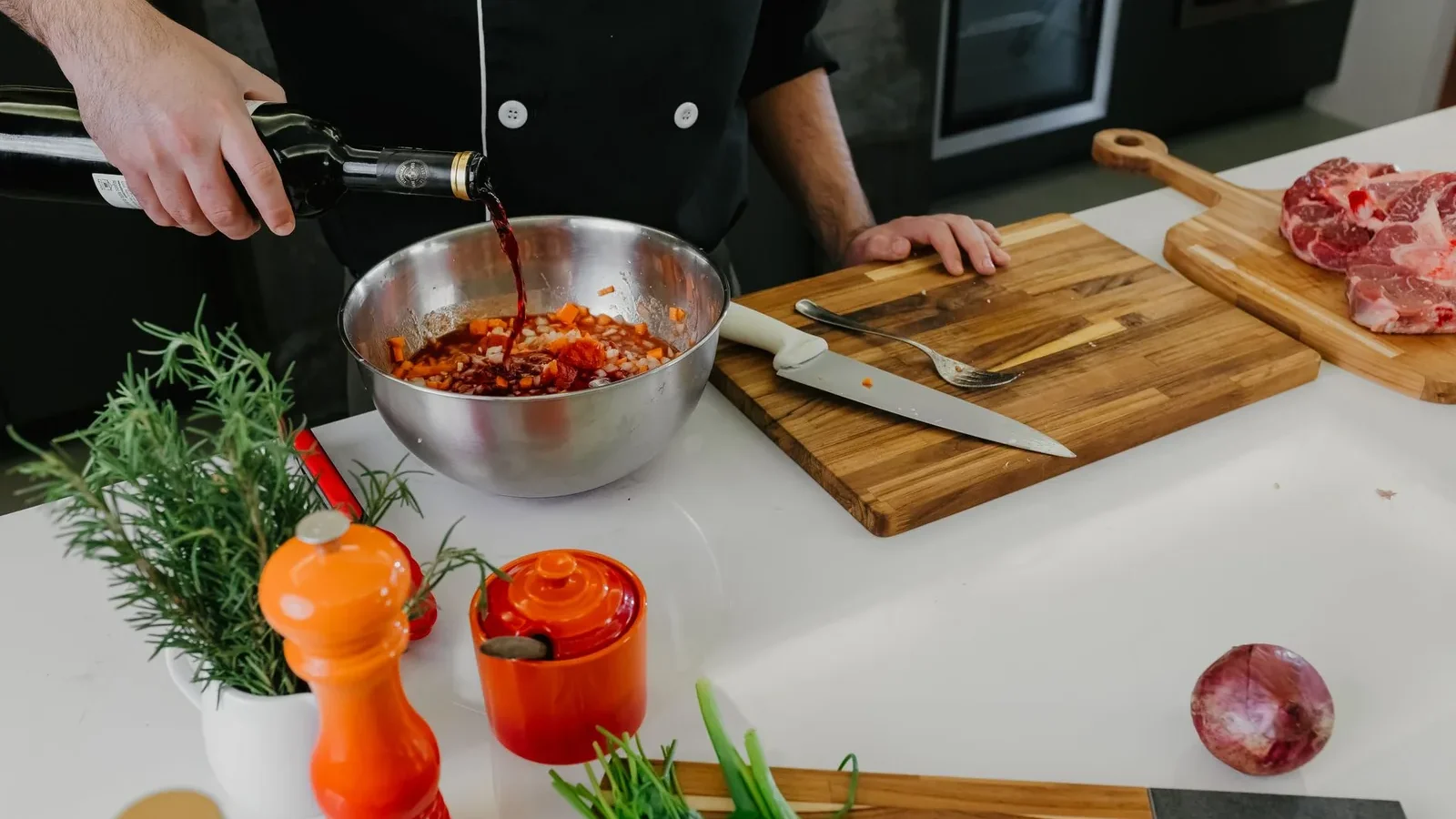
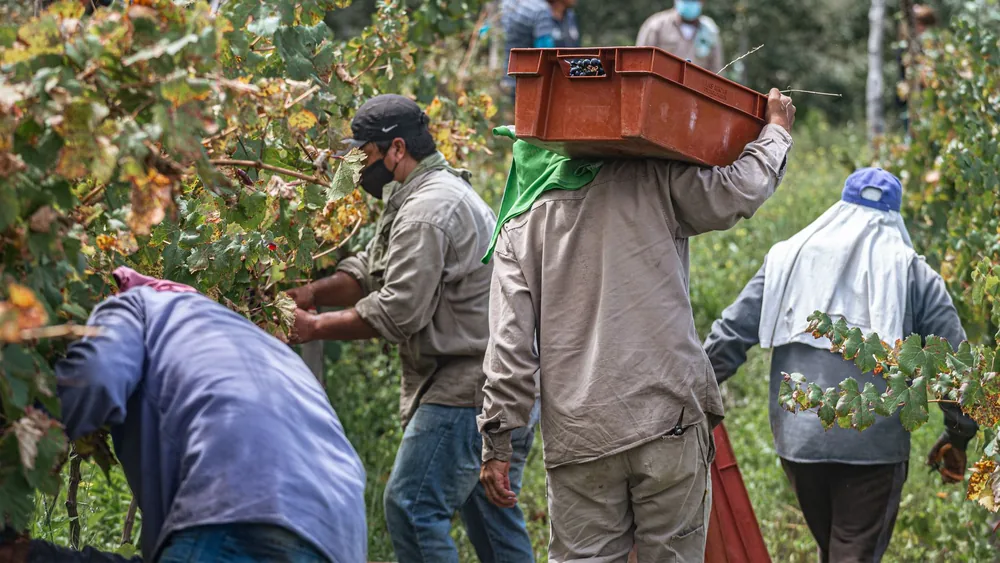
The most often repeated sentence among winemakers is “Wine is made in the vineyard,” or stated differently, “You can’t make good wine without good fruit.” The inference is that wine is a completely natural product made from grapes and the yeast in the air, which ferments them into one of nature’s great gifts, the happy winemaker a simple caretaker in the magical process that transforms grapes into wine.
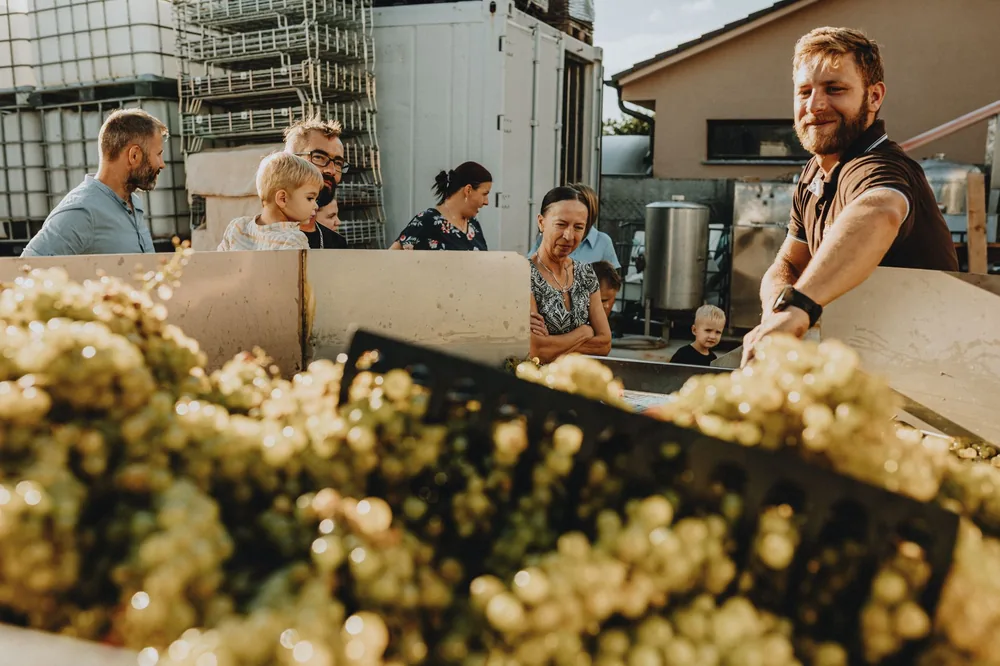
While this may have been true at one time, it is much less so now to the point that the consumer advocacy group “Center for Science in the Public Interest” thinks that the ingredients in wine should be listed on the label in addition to the grape variety, alcohol content, and sulfites now disclosed. Government agencies have heard and might possibly mandate the same ingredient disclosure that we see on packaged foods and personal care products. Tempting as it may be to utter a collective groan, “Oh no, the government is getting involved with our wine,” let’s consider what might be in the bottle beside grapes and to what extent disclosure could benefit consumers.
The first category of additives could be called “natural” and might even be derived from grapes themselves. Mega Purple is a newer, widely used product that adds color and sugar to wine when one or the other might be deficient in the fruit. Basically a grape concentrate, the product tends to homogenize flavor and aroma, creating a particular soft, jammy quality in the wine. The French use beet juice for the same purpose. Powdered or liquid tannins might be added along with tartaric, citric, or malic acid, all of which are necessary for properly structured wine but which can be deficient when fruit is harvested in an overly ripe state. A whole range of lab-cultured yeasts are available with different flavors and properties, and any number of enzymes can be used when yeasts are unable to convert sometimes excessive fruit sugars into alcohol. In the event that alcohol content is too high, water is added to the wine, or the wine is subjected to reverse osmosis.
Fining is a process that clarifies wine, separating grape solids, spent yeast, or tannins from wine with the addition of egg whites, milk protein, and isinglass, a gelatin made from sturgeon bladders. The minerals bentonite or kaolin can be used for the same purpose. None of these elements remain in the wine except possibly on a minute molecular level.
To avoid expensive barrel aging, which produces the same results, the addition of oxygen softens tannins, and oak chips can impart wood flavors.
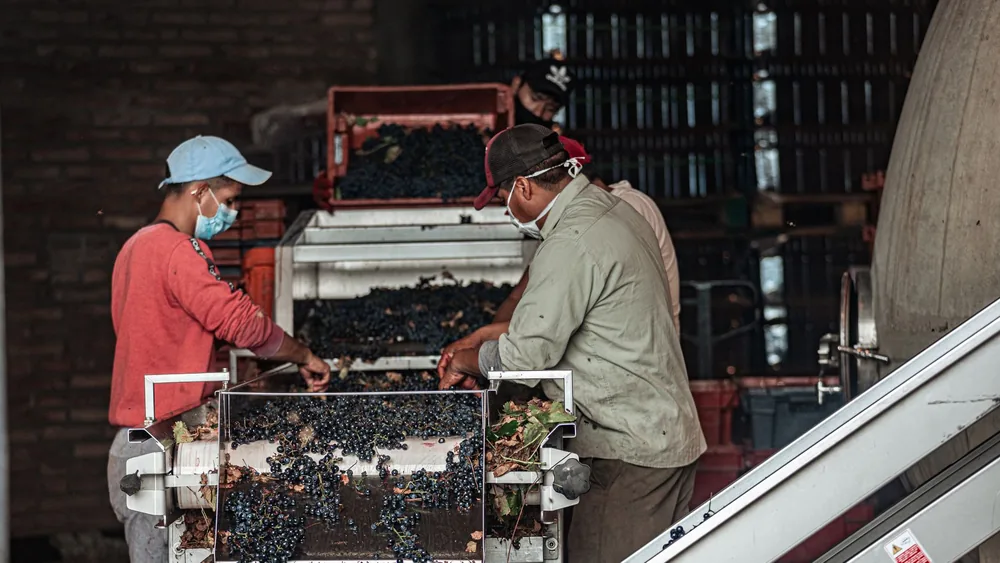
Sulfur stabilizes wine and must be disclosed on the label, but Velcorin is gaining traction among winemakers. Velcorin is the trade name for dimethyldicarbonate, a fairly toxic substance that eliminates yeast, bacteria, and molds that can contaminate wine, but within 24 hours of its introduction into wine, it totally brakes down into minute amounts of flavorless and non toxic CO2 and methanol. The product is widely used for sweet fruit drinks, ready-to-drink teas, and sports drinks. While Velcorin is safe for consumers, it can be hazardous to winery workers, who do not handle it properly.
These ingredients and others do not threaten public health, but they disclose a lot about the wine, especially the quality of the fruit and its authentic expression. Pinot Noir, Zinfandel, Grenache, Sangiovese among other common grape varieties are normally not heavily pigmented. Petite Sirah is often blended with Zinfandel to increase color, but normally the other varieties are beautifully translucent unless they are blended with other grape varieties. Why should we be misled into thinking that good red wine must be inky purple? When color, sugar, acid, and tannin must all be added to a wine, the fruit is deficient. Many of these new winemaking tools are short cuts while others can save a vintage when nature plays tricks. But often they become necessary ingredients for high alcohol wines made from extremely ripe fruit, which diminishes acid, tannin, and the effectiveness of yeast in fermentation, and which necessitates preservatives like Velcorin. No one is advocating the return to lock-jaw, 12.5 percent alcohol, red wines, but maybe 14.5 percent plus is pushing the limits if so much intervention is necessary during the winemaking process.
Regardless how much we might be paying for a bottle, we could make an educated choice if we could see a list of ingredients on the label. The addition of Mega Purple produces a darker, smoother, higher alcohol wine, which we may or may not prefer. Those who eat a vegan diet could easily avoid wines that were fined with animal products. Water is disclosed as an ingredient in food, and personal care products as is added color. Why not in wine? We should know when wine is made in the vineyard and when it is made in the winery so that we know what we are paying for.
Processing Aid or Ingredient?
Much of the disagreement over disclosure comes down to a distinction that food labeling has wrestled with for decades. A processing aid does its work and is then removed, while an ingredient stays in the finished product. Fining agents belong in the first group by design, since the entire purpose of adding them is that they bind to solids and are filtered out afterward.
That distinction matters most to people avoiding particular substances for dietary or religious reasons. A wine clarified with egg white or casein contains no meaningful residue, but the drinker may still want to know it was used, and no current label conveys that either way.
A further complication is that some materials sit awkwardly between the two categories. Oak chips contribute flavor and are then removed, tannin additions dissolve and stay, and water added to lower alcohol changes the finished liquid without leaving anything a laboratory could isolate. Any disclosure rule has to place each of those before a single label is printed.
What Other Labels Already Carry
Comparing the two shelves side by side makes the gap easy to see. Packaged foods and wine bottles are regulated by different agencies under different statutes, and their required elements barely overlap.
| Element | Packaged food | Wine bottle |
|---|---|---|
| Full ingredient list | Required | Not required |
| Major allergen declaration | Required | Not required in the same form |
| Net contents | Required | Required |
| Alcohol content | Not applicable | Required for most wines |
| Sulfite statement | Within the ingredient list | A separate mandatory statement |
The food side of that table follows the framework described in the Food and Drug Administration’s food labeling and nutrition guidance. The wine side sits with a separate federal authority, which is why the two evolved along different lines rather than converging.
Any change would also have to settle a set of practical questions. How long producers keep using existing label stock, whether the list appears on the bottle or behind a printed code, and which materials cross from aid to ingredient are all details that tend to stall such proposals long before the principle is decided.
FAQ: Wine Ingredient Disclosure
Would an ingredient list make wine labels unreadable?
Not necessarily, since most wines would list very few items. The bottles with long lists would be exactly the ones the proposal is aimed at, which is arguably the point.
Do any producers disclose voluntarily?
Some do, usually on a website or technical sheet rather than the bottle itself. Voluntary disclosure has the obvious weakness that the producers with the least to disclose are the likeliest to participate.
How does a reader work around the gap in the meantime?
Alcohol strength, appellation, and the producer’s own technical notes are the practical substitutes, and together they say a good deal about how the fruit was grown and handled. The wine skills and knowledge collection covers reading those signals, the California grapes and styles guide sets the varietal context, and the wine topics archive follows how this debate developed.