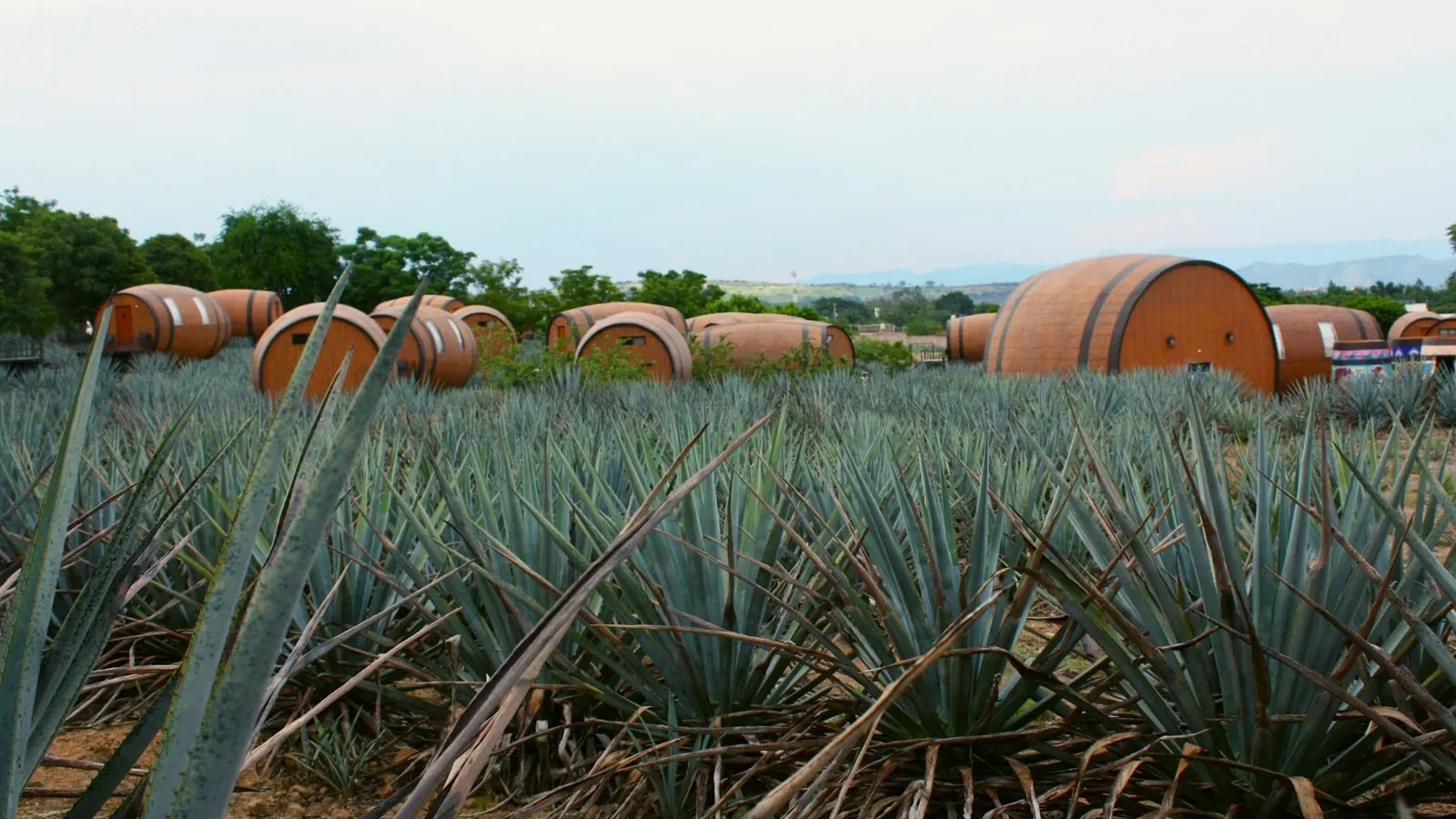
I love wine, but I don’t love it everywhere. I learned that lesson the hard way during a sweltering week in early August when I visited Puerto Vallarta, Mexico. Shimmering whites and rose` may be perfect drinks at mealtime during summer travel in Europe and California, but in Mexico, only Tequila will satisfy, and specifically when it is part of an icy Margarita, blended like a snow cone, not on the rocks and not too sweet. I learned to give directions to the server like cocktail drinkers do in the States. And oh what glorious drinks those Margaritas were when temperatures hit the mid 90s and humidity promised rain any second. In a word, alcoholic beverages are made from plants that are particularly suited to the soils and climatic conditions of the place as are the humans who have also adapted. When in Rome, do as the Romans do. And when you find yourself anywhere else, take a good look around and drink what the nationals drink. They probably have good reasons for their choices.
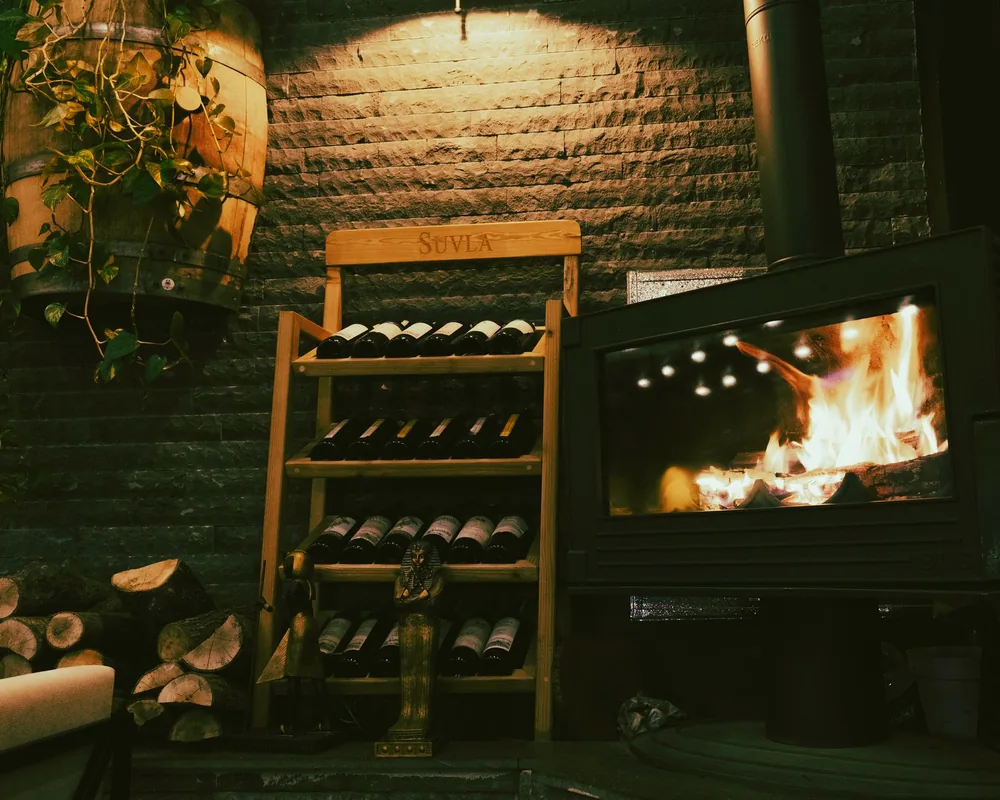
The preferred alcoholic drink of Southern Europeans is wine for the simple reason that the geography was rife with wild grape vines in millennia past when only small tribes roamed the terrain. California is dense with vineyards, because the descendants of those tribes migrated here with vines in their trunks, beginning with the warrior priests of Spain who first colonized California in the mid 18th Century. Grape vines grew happily in their new California habitat. Two hundred and fifty years earlier, Spanish conquistadors began their colonization of Mexico, but the European grape vines that they carried with them were poorly suited to most of that part of North America. The climate was too warm for grape vines that need cool nights during the growing season to slow ripening.
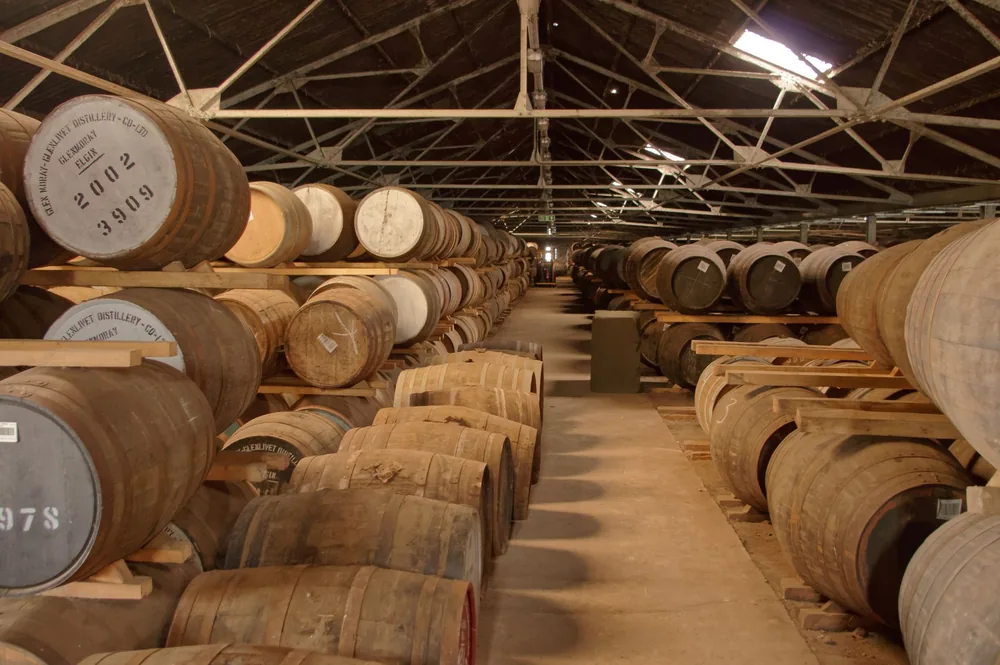
But Tequila tells a different story. This delicious distilled beverage is made from the indigenous Blue Agave plant. Related to the lily, Blue Agave is grown mostly in the Mexican state of Jalisco. Tequila somewhat resembles wine in that it is derived from a plant, unlike spirits that are made from grains. So Tequila can have more complex flavors like wine and show fruity, floral, and vegetal notes. When aged for a short time in stainless steel tanks or neutral oak casks, Tequila is fresh tasting and clear, but when aged in oak barrels for three years or more, it darkens and takes on richer and more complex flavors. And like wine, the best Tequila is made by small family-owned businesses instead of by large multinational corporations that mass-produce well-known brands. Even the Spanish conquistadors appreciated Tequila, especially after they ran out of brandy.
In Puerto Vallarta, which is in the State of Jalisco, at least one Tequila shop is located on every block with tastings that educate customers and with employees on the sidewalk, beckoning the visitor. But to tell the truth, I betrayed the beauty of the drink and preferred to consume it in Margarita form so that I could diminish my dangerously high internal temperature. I discovered a whole range of Margaritas, some of which passed for a complete meal, like the one served in a glass bowl, thick with blended, locally grown mango and strawberry and who knows how much Tequila. But the one I turned to most often was a snowy white tower of ice, blended with a dash of Cointreau and a squeeze of fresh lime juice that the server brought to the table. He then poured Tequila from a bottle with a silver spout, rotating it around the mound of snowy ice until I told him to stop. Since most Tequila is just 40% alcohol, I probably told him to stop sooner than I needed to.
Now back in California, I am happily drinking wine. The geography and climate requires it, and so do I.
How an agave spirit is actually made
The plant is the slow part. A blue agave spends years in the field before the leaves are cut away and the heavy core, called the pina, is harvested by hand with a flat blade. Unlike grapes, the core holds long-chain carbohydrates rather than simple sugars, so it has to be cooked in ovens or autoclaves before anything will ferment.
After cooking, the softened cores are crushed and washed to extract their juice, which is fermented and then distilled, usually twice. Everything that gives the finished spirit its character is set by decisions at those stages: how long the plants grew, how they were cooked, whether the fermentation used wild or cultivated yeast, and what the still was made of. The parallels with wine are real, which is why agave spirits reward the same kind of attention.
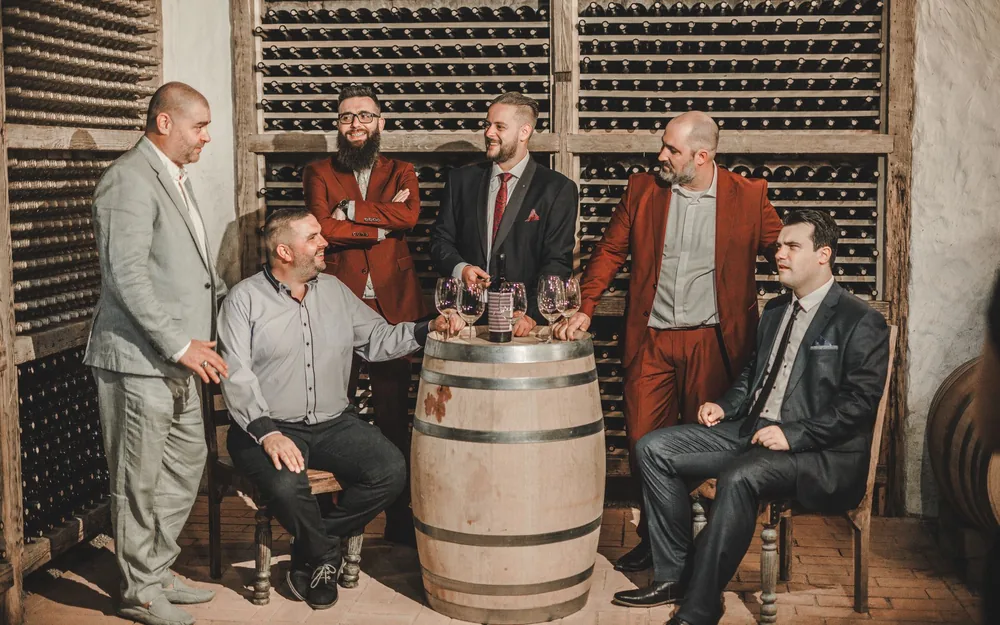
Place is written into the rules as well. Production is restricted to designated Mexican states, with Jalisco at the center, and the surrounding fields and distilleries are recognized on the UNESCO World Heritage list as the agave landscape of Tequila. The listing covers the cultivated landscape and the industrial buildings together, much as European vineyard landscapes are recognized.
| Category | Time in wood | General character |
|---|---|---|
| Blanco | None, or a very brief rest | Clear, with the plant character most exposed |
| Reposado | At least two months | Pale gold, softer, lightly marked by oak |
| Anejo | At least one year | Darker, with more wood influence |
| Extra anejo | At least three years | Deepest color and the most oak-derived flavor |
Harvest is destructive in a way that farming grapes is not. A vine is picked every year for decades, while an agave is cut down once and the field replanted, so a grower commits land for years before knowing what the market will look like. Cycles of shortage and glut follow naturally from that lag.
Why regional drinks follow regional plants
Grapevines need a long, dry ripening season with cool nights, which is why they settled so comfortably in coastal California and along the Mediterranean. Agave tolerates heat, thin volcanic soils and irregular rainfall that would exhaust a vineyard. Neither plant chose its home; people planted what survived and made a drink from it.
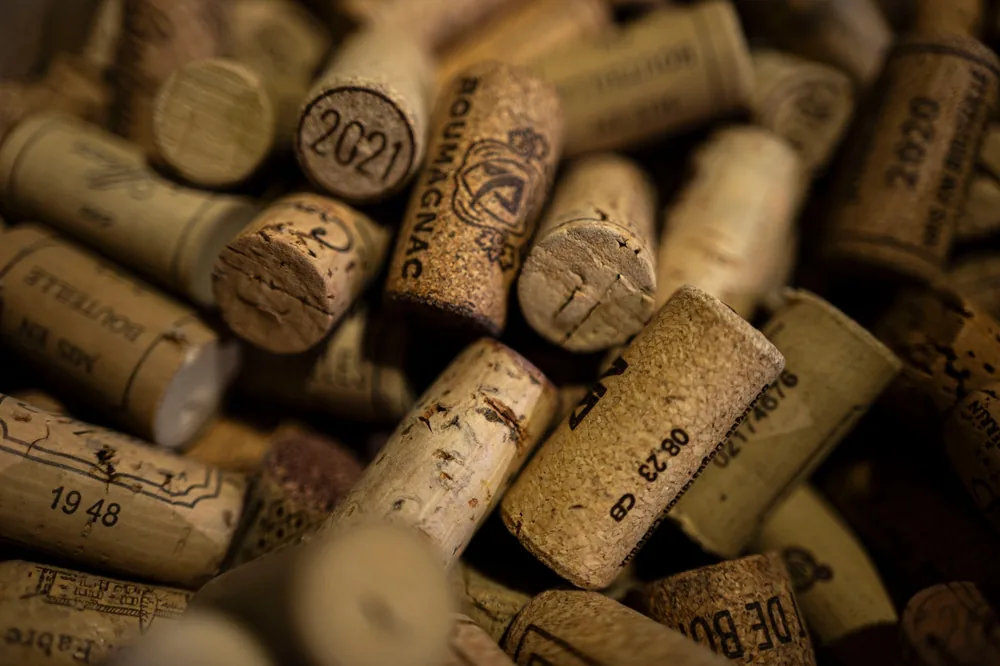
That logic explains the map of traditional beverages almost everywhere. Northern Europe brewed grain because barley grew where grapes would not ripen, apple country fermented cider, and rice regions made rice-based drinks. The local drink is usually the local agriculture in liquid form.
The same reasoning underlies the geography of American wine. Our overview of California’s wine regions describes how coastal fog, elevation and distance from the ocean decide what ripens where, and our guide to California grapes and styles covers which varieties suit each of those conditions.
Agave spirits FAQ
What does one hundred percent agave mean on a label?
It means all of the fermentable sugar came from agave. Where that statement is absent, a portion of the sugar may have come from another source, and the two categories taste noticeably different. The phrase is regulated rather than promotional, so its presence or absence is informative.
Is mezcal a different drink?
It is a broader family. Mezcal may be made from many agave species across a wider set of regions, and the cores are often cooked in earthen pits, which is where its smoky character comes from. By that logic every tequila is a kind of mezcal, though the reverse is not true.
Does aging make a spirit stronger?
No. Time in wood changes color and flavor, and strength is set at bottling by dilution rather than by age. Our wine skills and knowledge section covers how serving temperature and glass shape affect what any distilled or fermented drink shows.