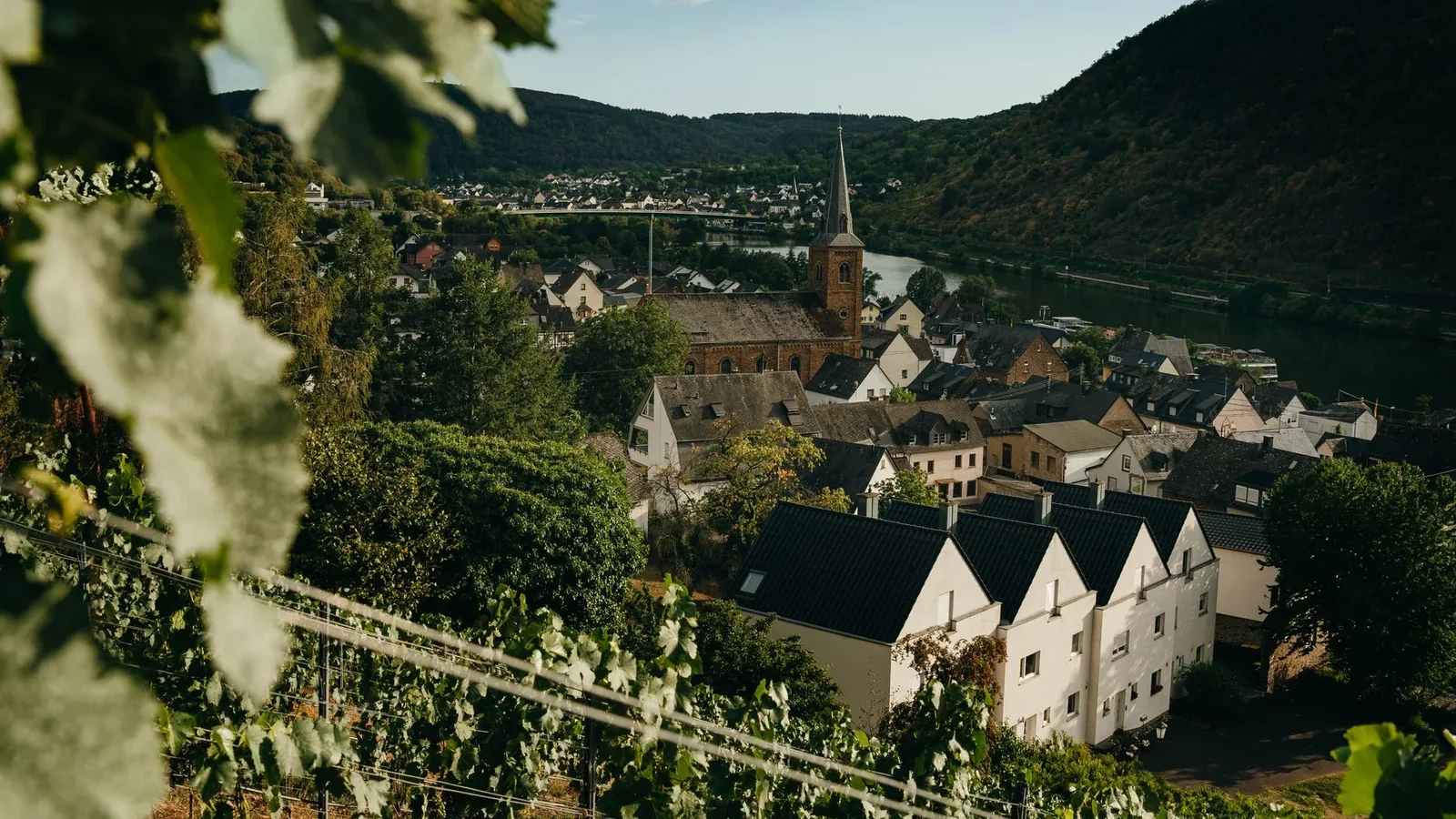
There’s a wonderful Twitter based conversation called #SonomaChat. It’s great place where information is exchanged and lively wine discussions are had. The fun, interesting facts I’m listing below are all from their Twitter page.
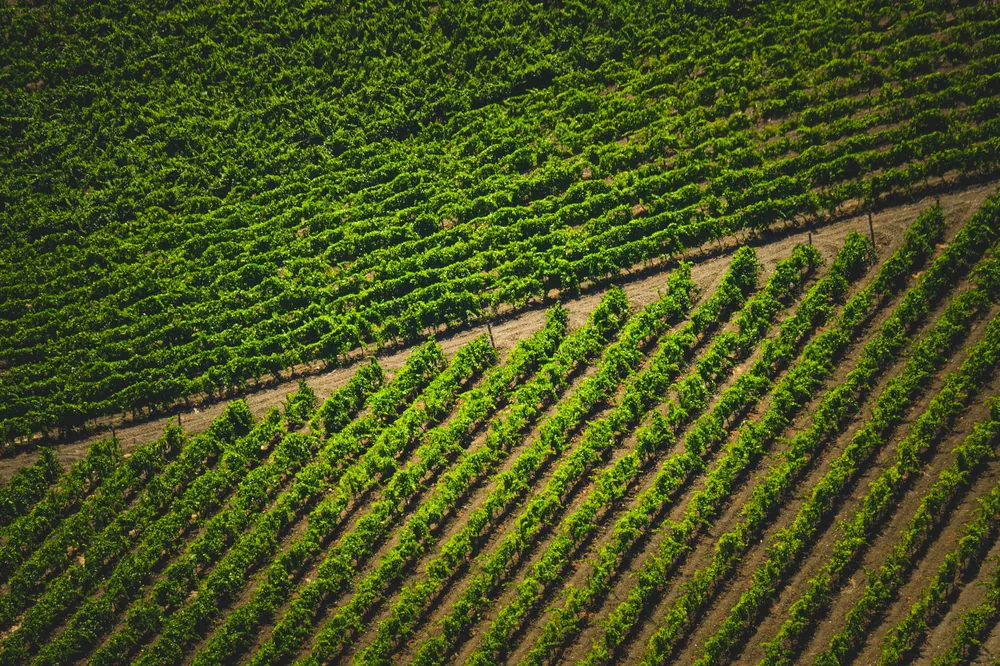
To put the growth of wine’s popularity in perspective, remember we talked about that at the first of the year, wine is now made in virtually every country. There are actually 10,000 different varieties of wine grapes worldwide. To note, the grapes that are used in wine are not the kind you buy at the store for your chicken salad.
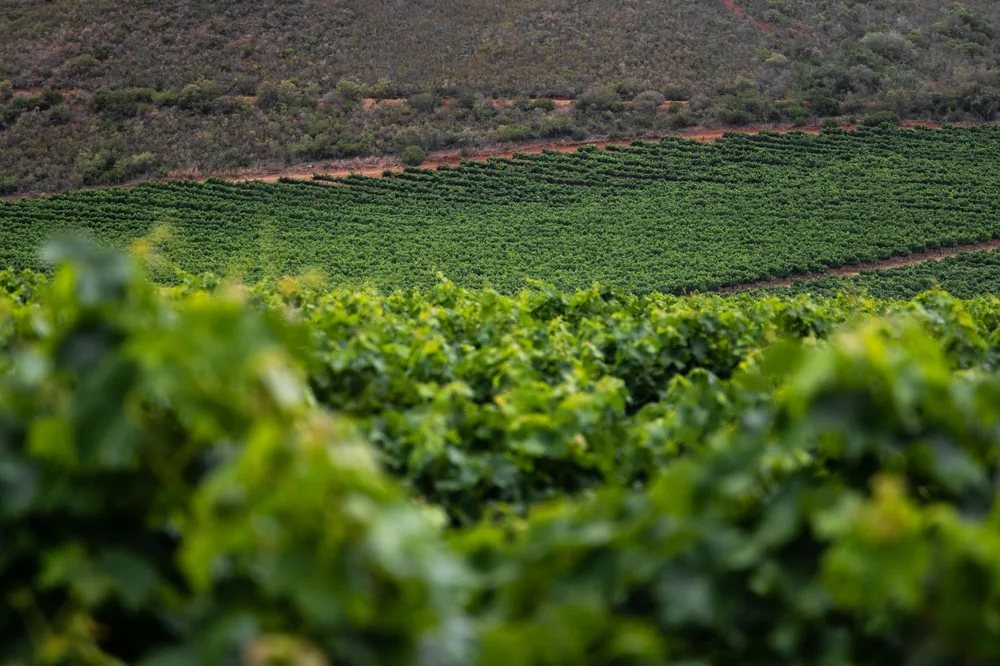
European wines are named after their geographic locations. For the rest of the world, the wines are named after the different grape varietals. Because grapes in the Southern Hemisphere are picked during what is Spring in the Northern Hemisphere, a 2010 Australian wine could be six months older than a 2010.
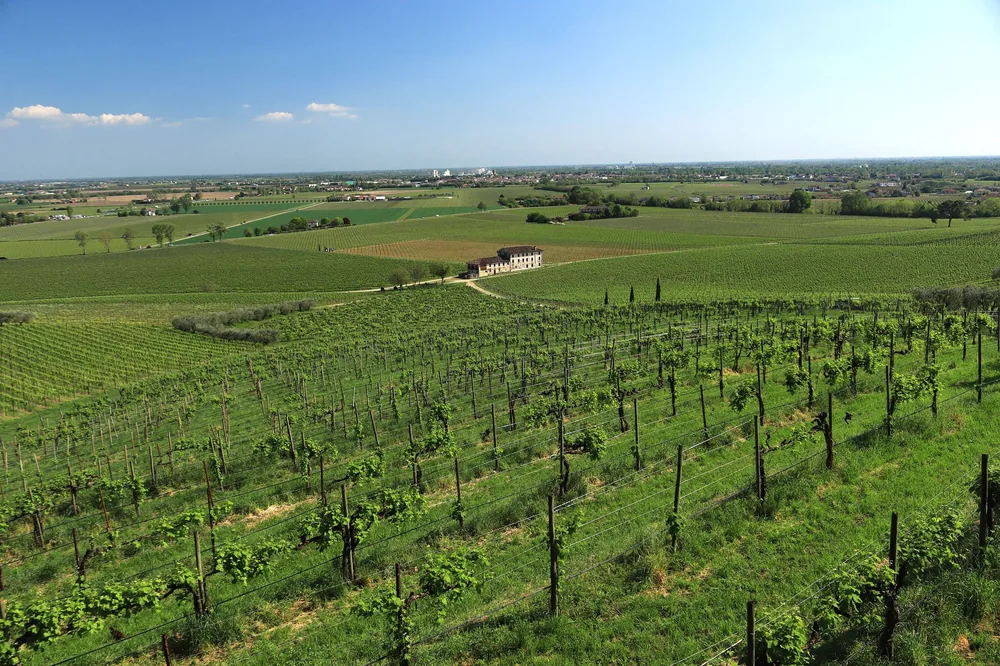
How many grapes does it take to fill your glass with wine, you ask? One glass of wine consists of juice from one cluster of grapes. A cluster is typically 75 grapes. Something to think about when you tour the next vineyard. One grape vine produces 10 bottles. One acre typically contains 400 vines, which is roughly five tons of grapes.
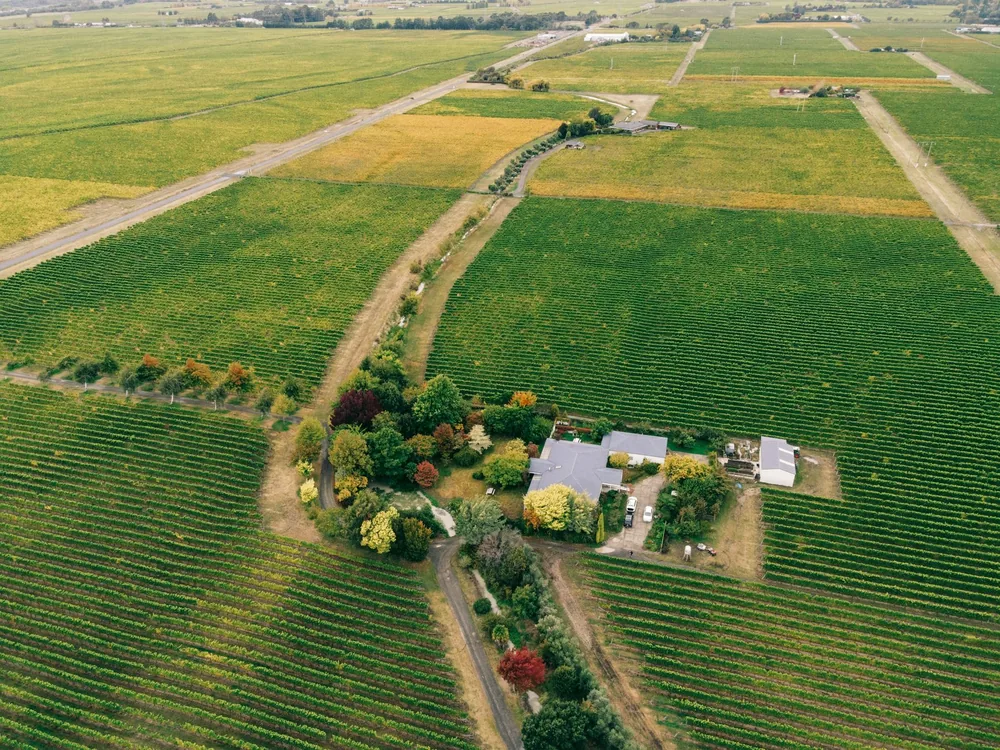
It takes 2.4 pounds of grapes to produce a bottle of wine. For a barrel of wine, a producer needs 740 pounds of grapes. This is equal to 1,180 glasses of wine. Once again, your next wine tour, it puts the vines-to-thebarrel into perspective. That’s a lot of grapes, given that a crop of newly-planted wine takes about four to five years to grow before it can be harvested. When you consider the commitment and work it takes to produce wine, it gives me a whole new respect for wine producers.
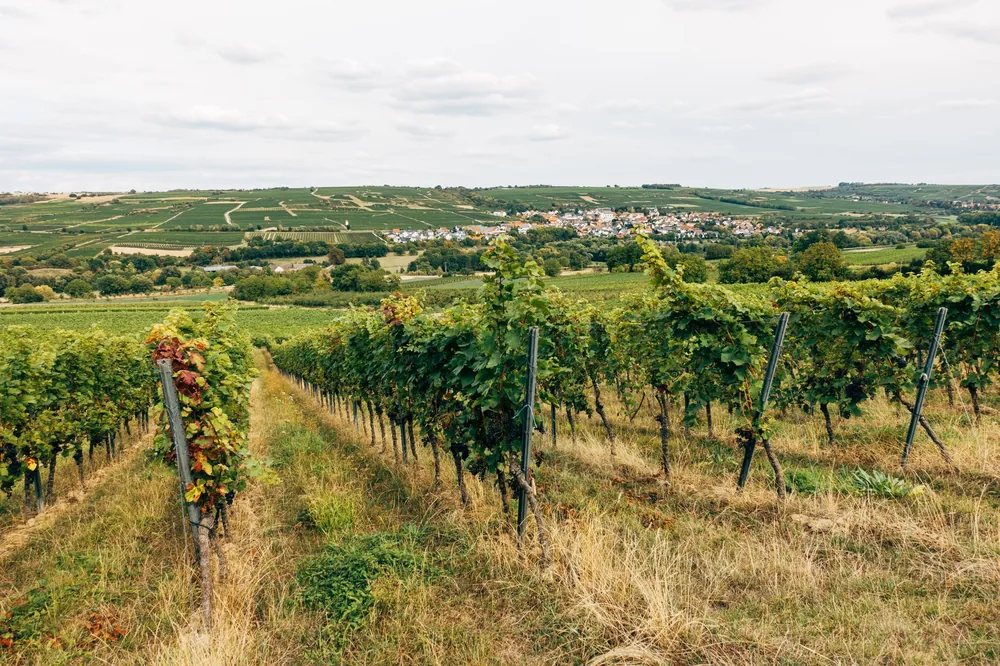
About those barrels you’re viewing on your tour, the average age of a French oak tree harvested for use in creating wine barrels is 170 years. There are 400 different oak species that are available to source wood for wine barrels.
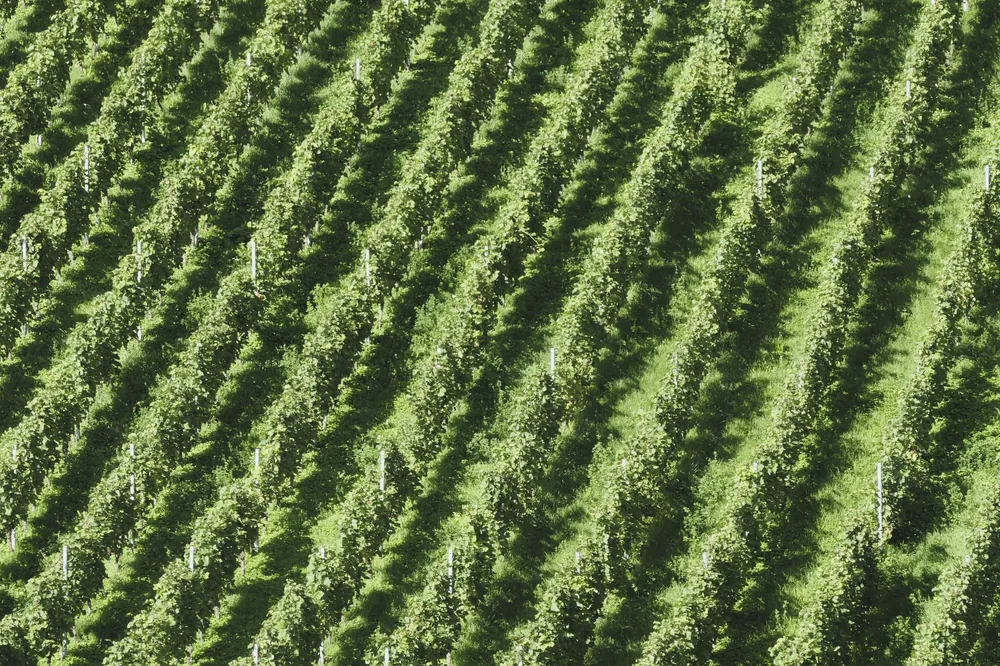
All wine is stored at the same temperature, no matter the color, However, as we know, not all wine is served at the same temperature.
I hope I’ve helped prepare you for your next wine tour.
Happy Wining All!
Turning the numbers into something you can picture
Wine arithmetic is easier to remember when it is anchored to objects rather than abstractions. A standard barrel holds about 225 liters, which is roughly 300 bottles, or twenty-five cases. A ton of grapes yields somewhere near 150 gallons of wine after pressing, which lands close to sixty cases depending on how hard the fruit is pressed.
Vineyard yields vary enormously by region, variety and intent. A hillside block farmed for concentration may produce two tons per acre, while an irrigated valley block planted for volume can produce five times that. Statewide figures for how much fruit is actually harvested and processed each year are published in California’s annual grape crush reports through the National Agricultural Statistics Service.
Those ranges are why any single figure about grapes per glass should be treated as an illustration rather than a constant. The useful takeaway is the scale: a bottle represents a few pounds of fruit and about a year of farming.
The life of a vine
A newly planted vine produces no usable crop for its first two or three years while it establishes roots and permanent wood. A small harvest usually follows in the third or fourth year, and full production arrives after that. A well-tended vineyard can stay commercially productive for several decades.
Yields decline as vines age, but the fruit often gains concentration, which is why old blocks are prized even when they produce very little. The decision to replant is economic as much as agricultural, weighing declining tonnage against the cost of three unproductive years.
- Winter: dormancy and pruning, which sets the size of the coming crop.
- Spring: budbreak and shoot growth, the period most vulnerable to frost.
- Early summer: flowering and fruit set, which determines cluster size.
- Late summer: veraison, when the fruit changes color and begins accumulating sugar.
- Autumn: harvest, timed by sugar, acidity and flavor together rather than by date.
About those barrels
Oak is not a flavoring so much as a slow, controlled exposure to air with some aromatic contribution attached. New barrels give more aroma and more tannin, and each subsequent use gives less, which is why cellars maintain a mix of new and older barrels. After several years a barrel is essentially a neutral vessel.
| Trait | French oak | American oak |
|---|---|---|
| Grain | Tighter | Wider |
| Aromatic character | Subtle spice and toast | More overt vanilla and coconut |
| Preparation | Usually split by hand | Often sawn |
| Relative cost | Higher | Lower |
| Common use | Delicate reds and whites | Bolder reds and fortified styles |
Barrel size matters as much as origin. A small barrel exposes the wine to proportionally more wood and more air than a large cask does, which is why traditional regions using very large casks produce wines that taste far less oaky despite years in wood.
Hemispheres, harvests and vintage dates
The southern hemisphere harvests in February and March while the northern hemisphere harvests in August through October, so two bottles carrying the same vintage year can be six months apart in age. That gap matters most for fresh, aromatic whites, where a few months of extra bottle time is noticeable.
It also explains why a southern hemisphere wine can appear on shelves so soon after its stated year. Nothing is being rushed; the calendar simply runs on a different schedule below the equator.
Storage temperature, and one persistent myth
Wine is stored cool regardless of color, but it is served at different temperatures depending on style, and those two facts get tangled constantly. Storage is about slowing chemical change, so a steady temperature in the mid fifties suits everything from sparkling to fortified wine. Serving is about aroma and balance, which is why the glass in your hand should be colder for a white than for a red.
Steadiness matters more than the exact number. A cellar that swings twenty degrees between seasons ages wine faster than one that sits slightly warm but never moves, as our wine skills and knowledge notes explain.
A few numbers worth knowing
Some figures come up often enough to be worth carrying around. A standard bottle holds 750 milliliters, which is about five standard pours, and twelve of those bottles make a case. Fermentation converts roughly half the sugar in the juice into alcohol by weight, which is why ripeness at harvest sets the alcohol level long before the winemaker gets involved.
Pressing gives another useful benchmark. The first, gentlest fraction of juice is the most delicate, and harder pressing extracts more volume along with more tannin and coarser character, which is why volume and finesse pull against each other. Almost every production decision in a cellar is some version of that trade.
Wine facts FAQ
Are wine grapes the same as table grapes?
No. Wine grapes are smaller, thicker skinned, higher in sugar and much higher in acid, with more seeds and far less flesh. Eating them fresh is possible but rarely enjoyable.
How many varieties are actually used commercially?
Thousands exist, but a few dozen account for most of the world’s planted acreage. Regional revivals have brought a number of nearly extinct varieties back into small-scale production, as our guide to California grapes and styles describes.
Does a heavier bottle mean better wine?
Not at all. Bottle weight is a packaging decision, and heavy glass adds shipping cost and carbon without changing what is inside.