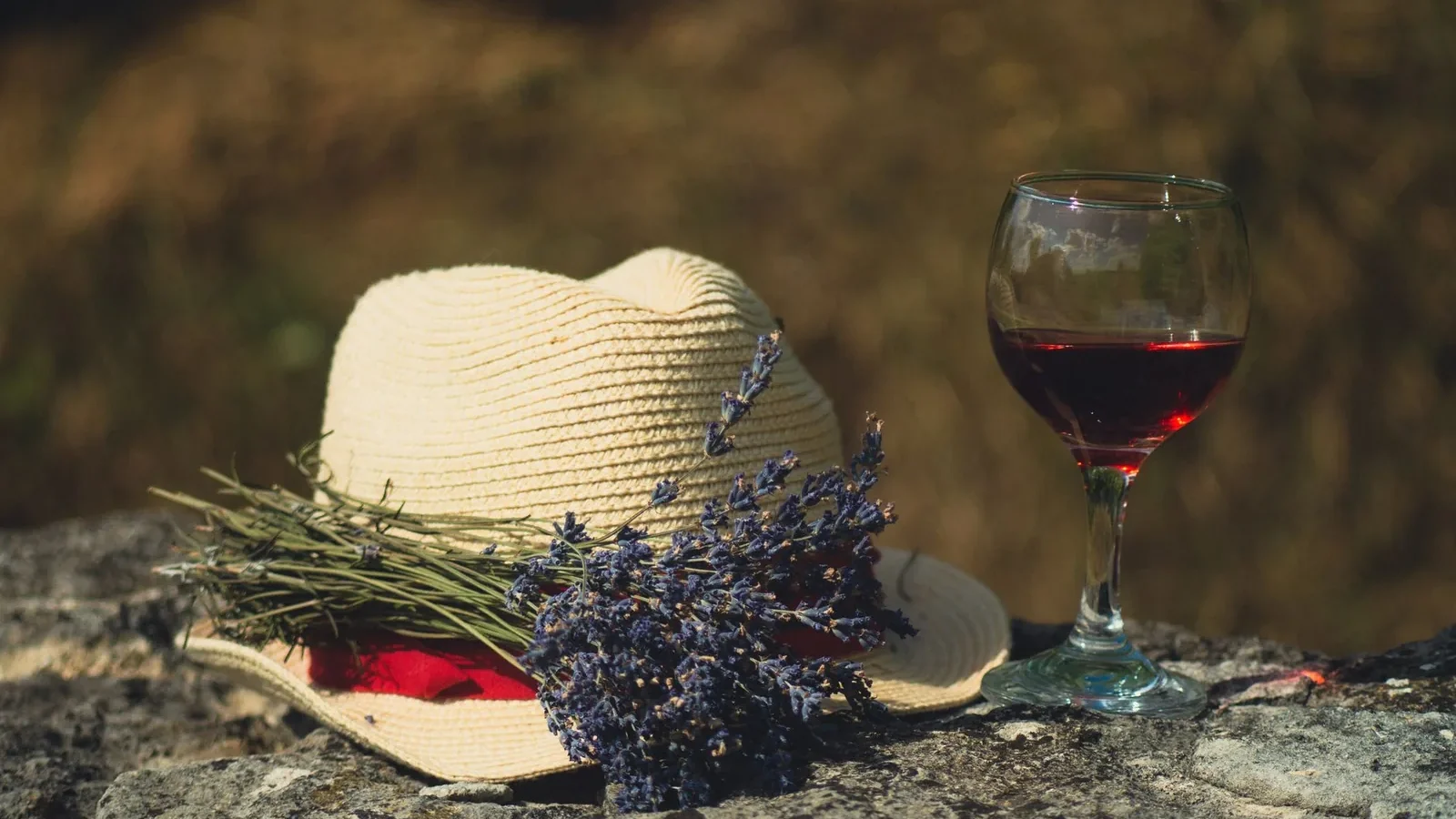
Some of the first information that we learn about wine is that we serve whites chilled and reds at room temperature. Later we learn the reasons. Chilling brings up refreshing acid in white wine, which is a large part of its appeal, although it also lessens the flavor a bit. The reason that we serve red wines at room temperature is that the warmer temperature highlights the richer flavors and also reduces the effect of grainy tannins, making the wine smoother. But most of us enjoy breaking a rule now and again, and violating this one has various satisfactions and almost no risks, unlike driving over the speed limit or misrepresenting numbers on tax returns.

Many of us know that the finer a white wine the less it should be chilled and maybe not chilled at all. Spending big bucks for a beautiful white and diminishing its flavors by chilling it down makes little sense.

Similarly, there may be a time to violate protocol and chill red wine, particularly when summer temperatures drive the thermometer needle into the 90s range. Let’s say that you’re a dedicated red wine person. But it’s bloody hot, and you’re outside standing over the grill, with salmon, chicken, or ribs shooting sparks at your forearms. Yes, yes, you’re probably sipping a beer at the moment, maybe even guzzling it. But when you carry that beautiful platter to the table and sit down to enjoy, a slightly chilled red could be heavenly. But not just any red, preferably it would be a lighter one, maybe a fruity Pinot, a Beaujolais, a Barbera, or maybe a Zinfandel.
Several years ago, I attended a reception and tasting that Wine and Spirits Magazine hosted to honor its top 100 wines. Various tables exhibited particular groups of wines, such as French, Italian, German, Pinot Noir, and so forth. One section was devoted to Napa Cabernet, and behind that table, someone was pouring a particular Napa Cab, which he took from an ice bucket. I was dismayed and asked him why he was chilling this prize-winning Cab. First of all, he had an English accent, which had a bearing on his choice to chill the wine. And secondly, he wasn’t the winemaker, but he had enough clout at the winery so that no one stopped him from committing his sacrilegious act.
In his own defense, he explained that the wine was very ripe and high in alcohol and that chilling it brought up the acid and tannins so that the wine had more structure than it otherwise might have at room temperature. He was absolutely correct, and the wine was delicious. Wine and Spirits Magazine might have though that this was a terrific wine, but the Englishman, who was pouring it, felt that it was not quite balanced. Being English, he was probably weaned on European wines, which have a slightly different emphasis, less alcohol and more acid. So by chilling the wine slightly, he was making a temporary adjustment to the balance of the wine that he felt improved it.

But back to the summer barbecue…. Since Zinfandel is likely to be the highest alcohol wine in the California line-up, it too might be one that you could choose to chill down. Half an hour in the refrigerator or five minutes in an ice bucket would be just fine. And by the way, in case anyone at the table challenges you, tell him or her that the Europeans sometimes chill reds in the summer when the weather warrants it, and they’ve been drinking wine a lot longer than we have.
What temperature actually changes in a glass
Temperature governs how quickly aromatic compounds leave the wine and reach your nose, which is why a cold glass smells faint and a warm one smells loud. It also changes the balance you perceive. Cold sharpens the impression of acidity and firms up tannin, while warmth emphasizes sweetness, body and alcohol.
Alcohol is the trait most sensitive to the difference. At warm room temperature a high-alcohol red can taste hot and slightly sweet, and the same wine ten degrees cooler reads as fresher and better defined. The Englishman with the ice bucket in the post above was applying that principle deliberately.
Room temperature is also a moving target. The phrase dates from unheated European dining rooms and described something closer to sixty degrees than to the seventy-two a modern thermostat holds. Measured against the original meaning, most American red wine is served warm.
A practical range for each style
Ranges matter more than exact numbers, because a glass gains several degrees within twenty minutes of being poured. Serving slightly cooler than the target and letting the wine warm in the glass is more reliable than chasing a precise figure. Thermometry is a surprisingly deep subject, and the National Institute of Standards and Technology explains the science behind how temperature is defined and measured for anyone curious about what a reading really represents.
| Style | Suggested range | Effect |
|---|---|---|
| Sparkling wine | Around forty-five degrees | Holds the bubbles fine and the wine crisp |
| Crisp white | Upper forties | Keeps acidity bright without muting fruit |
| Full-bodied white | Low to middle fifties | Lets texture and aroma show |
| Light red | Middle to upper fifties | Refreshing, with fruit still forward |
| Full-bodied red | Around sixty-two to sixty-five degrees | Softens tannin without exaggerating alcohol |
Chilling without overdoing it
Glass shape and pour size matter more than most people credit. A wide bowl filled a third of the way exposes a great deal of surface to the room, and the wine inside climbs toward ambient temperature within a quarter of an hour. Pouring smaller amounts more often keeps the last glass close in temperature to the first.
Twenty minutes in the refrigerator drops a bottle roughly ten degrees, and a bucket of ice and water does the same job in about seven minutes because water carries heat away far faster than air. Ice alone is slower than ice and water together, since the water fills the gaps around the bottle. A freezer works too, but it is easy to forget a bottle there and ruin it.
The reverse mistake is more common than over-chilling. A red left standing in a warm kitchen all afternoon needs fifteen minutes of refrigeration to come back into range, not a decanter by the stove. If a wine tastes flat and slightly sweet, cooling it is the first thing to try.
Style still guides the choice. Lighter reds with modest tannin take a chill gracefully, while a dense, tannic wine turns stiff and bitter when it gets too cold. Our overview of California grapes and the styles they make is a useful companion when deciding which bottles tolerate the treatment.
Serving temperature FAQ
Does chilling a red wine damage it?
No. The change is entirely reversible, and a glass left on the table climbs back toward room temperature within twenty minutes anyway. The only real risk is forgetting a bottle in the freezer, where a full bottle can eventually push its cork out as the liquid expands.
Which reds handle a chill best?
Light-bodied, fruit-driven reds with soft tannin, and high-alcohol reds that benefit from being reined in. Firm, structured wines with heavy tannin are the poor candidates, since cold makes their astringency more prominent. Warm weather and grilled food push the choice further toward the lighter end.
Should expensive white wine be served warmer?
Generally yes. Complex whites carry aromas that a hard chill suppresses, so the low fifties suit them better than the refrigerator does. Ten minutes on the counter is usually enough to bring a bottle into that range. Our wine skills and knowledge section covers glassware and serving in more detail.