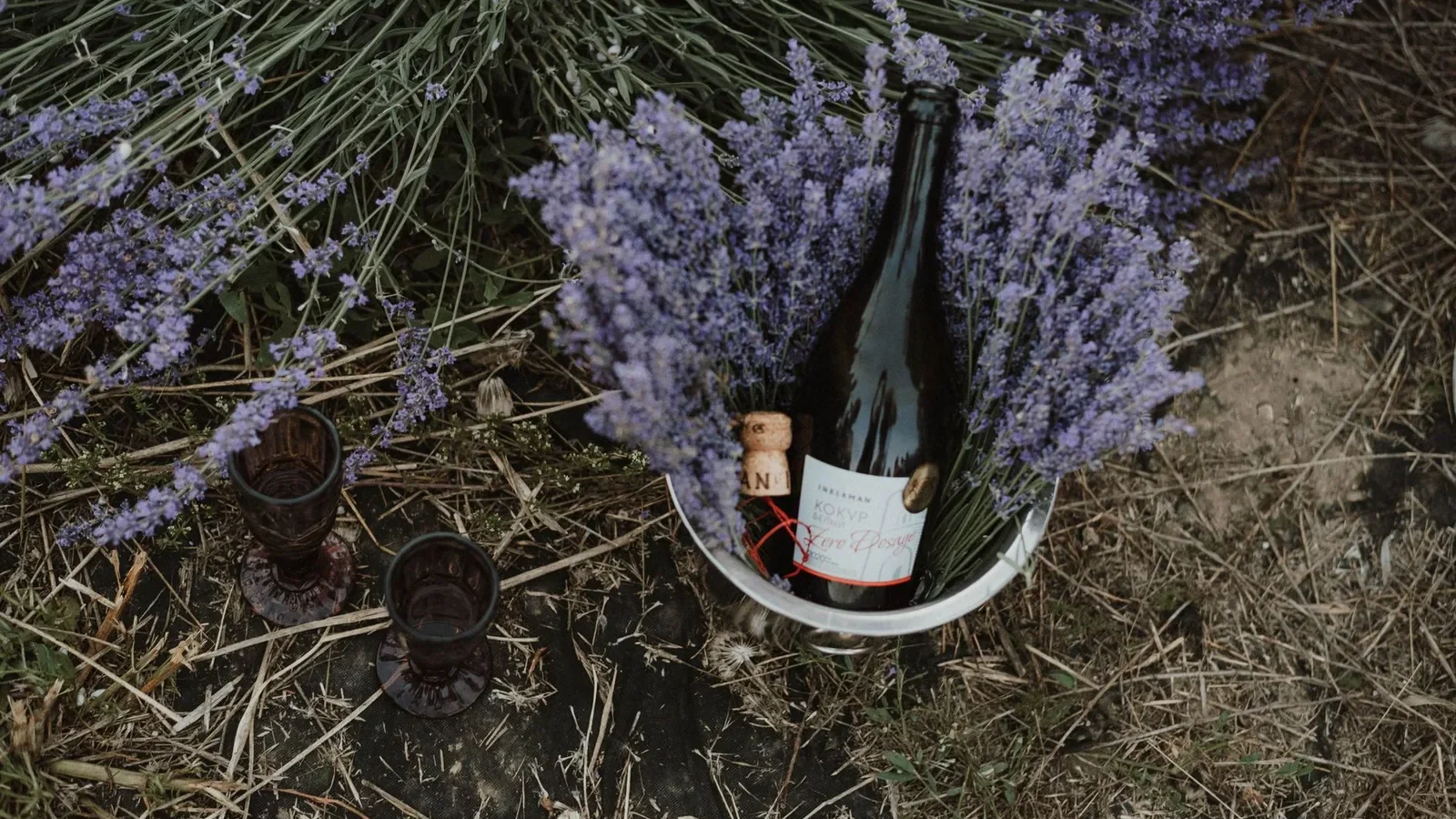
If you like us on Facebook, and we hope you do, we had a trivia question. Our question this month was, “What Country Invented Sparkling Wine”. Surprisingly, no one came up with the correct answer.

The reason for that is the mere fact, we all associate sparkling wine with France. I was included in that group as well. We got lots of France and Spain guesses, but no guessed the correct answer.
Sparkline wine, which is a wine with significant levels of carbon dioxide making it fizzy to the palate and nose, was actually invented by the British. They produced the first bottles. Interesting, huh?
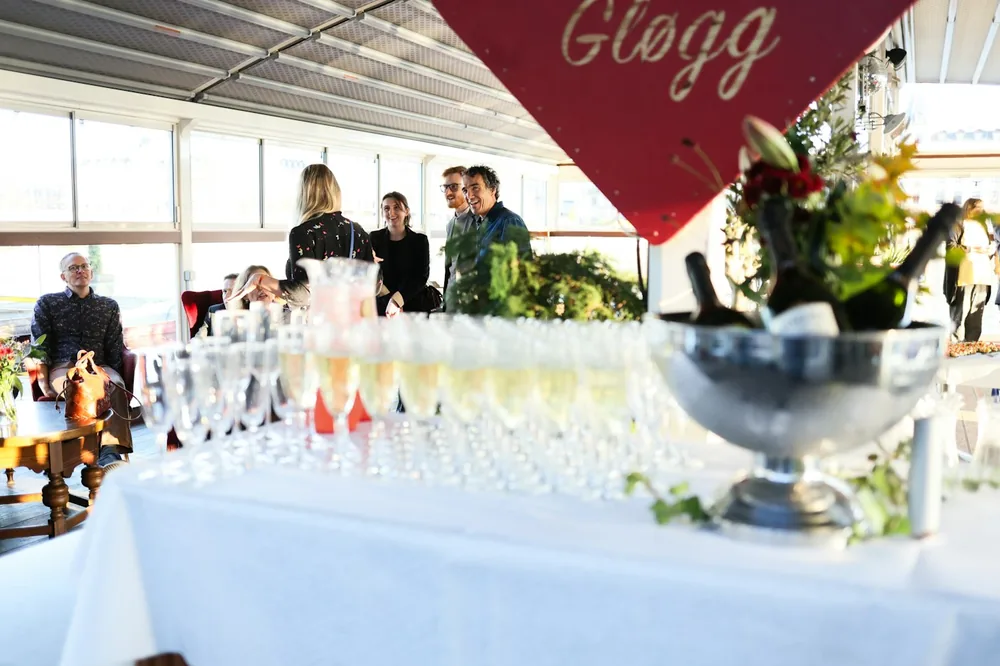
The English imported non-sparkling wine from the Champagne region of France. They, however, preferred to have bubbles in their wine. So, they took the imported wine and stored it in cellars over the winter. It was there that it underwent a secondary fermentation. Initially, the French were not impressed and made multiple attempts to keep the British from “spoiling” their wine.
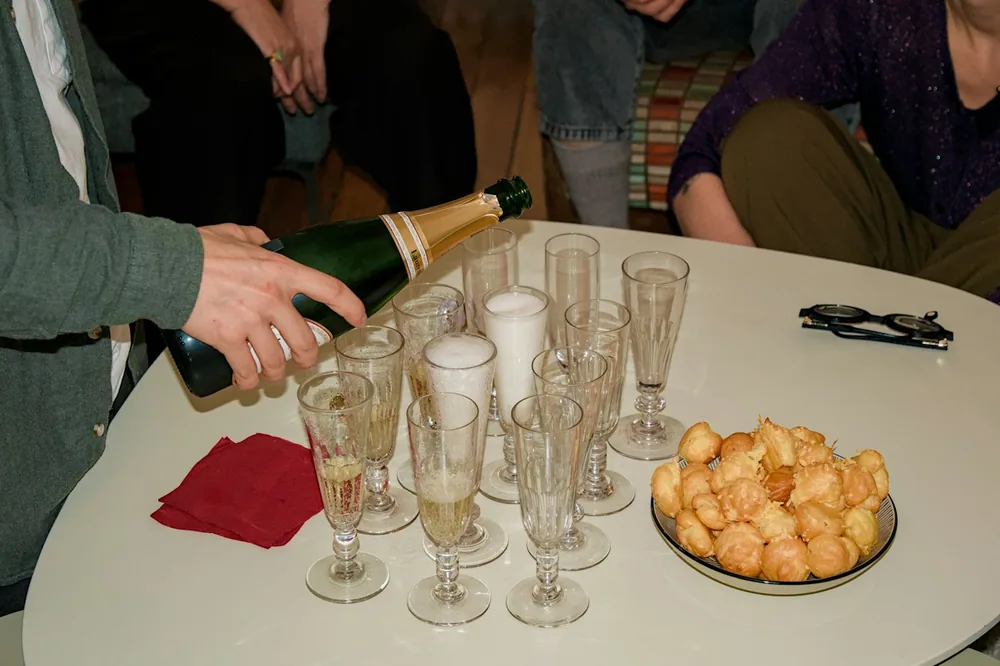
Later, the myth would arise that sparkling wine was invented by Dom Perignon. Not true. Those myths came from a marketing campaign that ran around the early part of the 20th century for a Champagne company.

Anyone want to guess what champagne the company produced? Yep, Dom Perignon. Dom Perignon did make improvements to sparkling wine. He started using stronger bottles and developed a strong closure system. This helped contain the powerful buildup of pressure within the bottles. He also experimented with blending the contents.

The pressure in champagne can be as high as 90 pounds per square inch, so many bottles were broken over the years, and it did take years for Dom Perignon to develop the right combination of glass, pressure, and blend. In fact, it would take a century to achieve the final product.
Now we know.
Once again, if you don’t like us on Facebook, please do. Facebook is redoing their algorithms this summer. The less activity the page has, the more restricted our message will be.
I hope you all are having a great summer and had a marvelous Fourth of July.
Happy Wining to you all!
The technology that had to exist first
Sparkling wine could not become a commercial product until three separate things were solved: glass strong enough to hold pressure, a closure that would not blow out, and some control over how much gas ended up inside. Each of those arrived at a different time, which is why the story is spread across two centuries rather than attached to one inventor.
Strong glass came first, and it came from England. Coal-fired furnaces burned hotter than the wood-fired ones they replaced, producing a darker, thicker, much tougher bottle that could survive internal pressure. That single manufacturing change made a deliberately sparkling wine possible as something other than an expensive accident.
Closures followed. Cork, cut from bark and compressed into the neck, held far better than the oiled cloth and wooden plugs that preceded it, and by the eighteenth century it was the standard for wines meant to be kept. The wire cage that secures a sparkling cork is a nineteenth-century refinement that finally made handling and transport routine.
Understanding the second fermentation
Every early sparkling wine depended on fermentation restarting in a sealed container, but nobody could explain why it happened. Wine fermented in a cold cellar would sometimes stop before all the sugar was used, then start again when spring warmed the cellar, and any wine already bottled would take on gas. Bottles exploded often enough that cellar workers wore protective masks.
Written descriptions of adding sugar to a finished wine to provoke that second fermentation appear in England in the 1660s, decades before the practice was systematized in France. Understanding why it worked took much longer, since the role of yeast in fermentation was not established until the nineteenth century. Once that chemistry was understood, producers could calculate how much sugar a bottle needed and stop guessing.
Two older methods survive alongside the modern one and are worth distinguishing. The comparison below sets them out.
| Trait | Ancestral method | Traditional method |
|---|---|---|
| How gas is created | One fermentation, finished in bottle | A second fermentation, started in bottle |
| Sugar added before bottling | None, the original sugar remains | Yes, with yeast |
| Sediment removed | Often not | Yes, by riddling and disgorging |
| Pressure | Usually lower | Usually higher |
| Consistency | Variable bottle to bottle | Highly controlled |
From cellar problem to luxury product
What turned a difficult wine into a famous one was nineteenth-century industry rather than any single discovery. Riddling racks let cellars collect sediment in the neck and remove it cleanly, and standardized dosage let a house set sweetness deliberately instead of accepting what the fermentation left. Together they made a consistent, clear, reliably fizzy wine that could travel.
Marketing did the rest. Sparkling wine was tied to coronations, ship launchings, new years and weddings until the association became automatic, and the imagery of that campaign still shapes how the category is sold. Smithsonian Magazine has covered that advertising history and the glassware it popularised.
By the early twentieth century the pattern was set, and every wine region with cool enough sites had begun making its own version. Our notes on wine for celebrations trace how firmly the connection between bubbles and occasions took hold.
Where the tradition traveled
The bottle-fermented method spread wherever growers had high-acid base wine to work with. Spain built an enormous industry on it, other French regions adopted it under their own names, and northern Italy applied it in Franciacorta and Trentino. California, Oregon and England took it up later, all of them relying on cool sites where grapes ripen slowly and keep their acidity.
The tank method arrived in the early twentieth century and changed the economics completely. Running the second fermentation in a large pressurized vessel takes weeks instead of years and preserves the fresh, floral aromas of grapes like Glera, which is why northeastern Italy adopted it so enthusiastically. Our guide to Italian grapes and styles covers the varieties that suit each approach.
What the myths got right and wrong
Origin stories in wine tend to compress decades of gradual work into a single dramatic moment, and sparkling wine attracted more of that than most categories. The familiar tale of a monk tasting stars is a nineteenth and twentieth-century embellishment, but the cellar work behind the legend was real. Careful blending across parcels, gentle pressing to keep juice pale, and attention to which vineyards produced the cleanest wine were genuine contributions.
The English side of the story is documented in scientific correspondence rather than folklore, which is why it survived at all. Both threads can be true at once, since one country solved the glass and the deliberate addition of sugar while another built the commercial method that made the wine famous.
Sparkling wine history FAQ
Was sparkling wine really invented by accident?
The first sparkling wines were accidental, in the sense that fermentation restarted in sealed containers without anyone intending it. Turning that accident into a repeatable process took strong glass, cork, and an understanding of yeast, and each of those took a long time to arrive.
Why is the region of Champagne so closely associated with it?
Its cool northern climate produces base wines high in acidity and low in alcohol, which suit the method perfectly, and its producers organized early and marketed hard. The name is now legally protected and reserved for wines from that delimited region.
Did the method change much in the twentieth century?
The principles did not, but the mechanics did. Machines replaced hand riddling, freezing the neck replaced skilled hand disgorging, and modern closures made storage more predictable, all without altering the fundamental idea of a second fermentation in a sealed bottle.