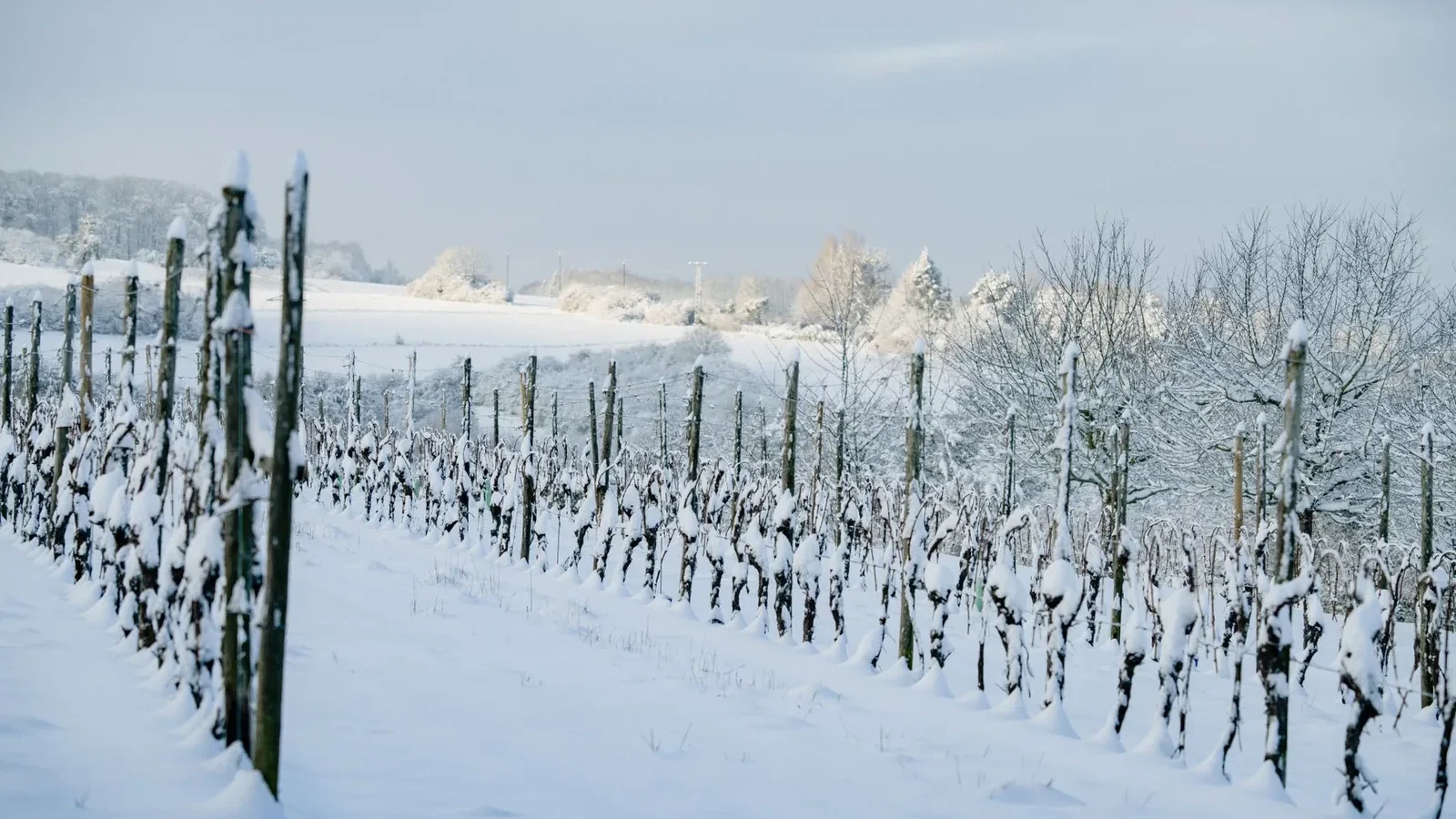
We’re bordering on the New Year! A time for bubbly and celebration! We’ve been through some incredibly turbulent and difficult times of late. Let’s throw division aside and find the joy and love in our hearts (for each other) that is meant to be!
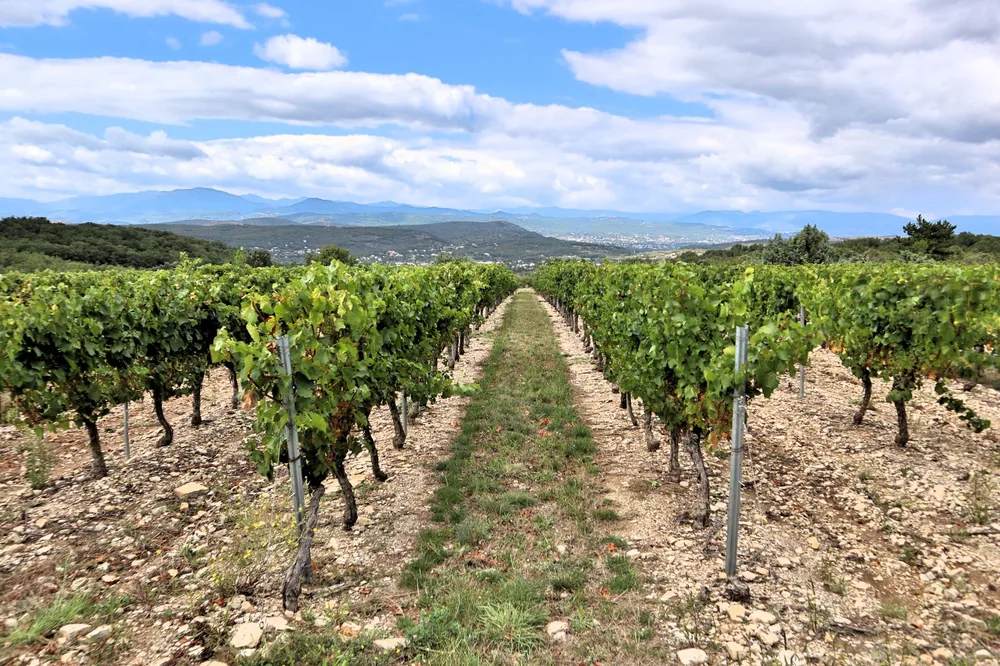
Let me introduce myself. I’m Chef Robin L. Obert. I’m in school nutrition and was formerly a chef for a Governor in my state. I resigned my position with the Governor to serve our amazing kids. It’s my personal effort to be a part of changing the paradigm of school nutrition. I want our kids to achieve the goal of being adventurous eaters! I have been involved in food service for over 30 years. I’ve not regretted my career for even one day of my life!
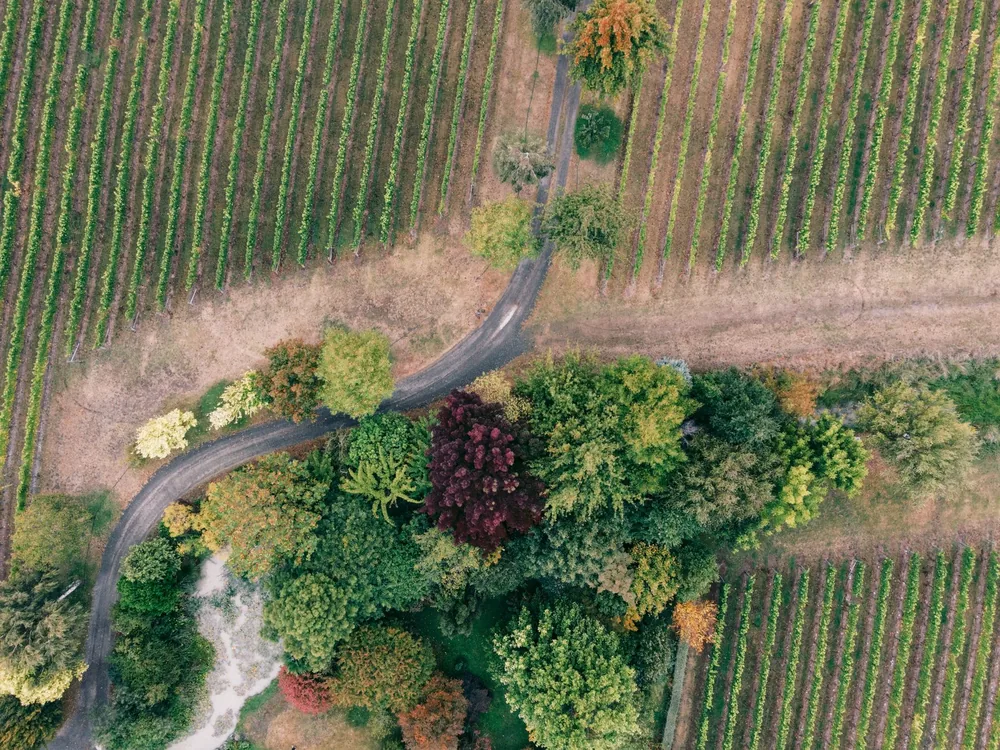
I’m excited to begin my new venture with all of you! My passions are food and wine! I’m both a Chef and Sommelier, my goal is to give each and every one that I serve a personal and extraordinary experience! Through this venue I hope to give you an extended excitement for both food and wines of the world!
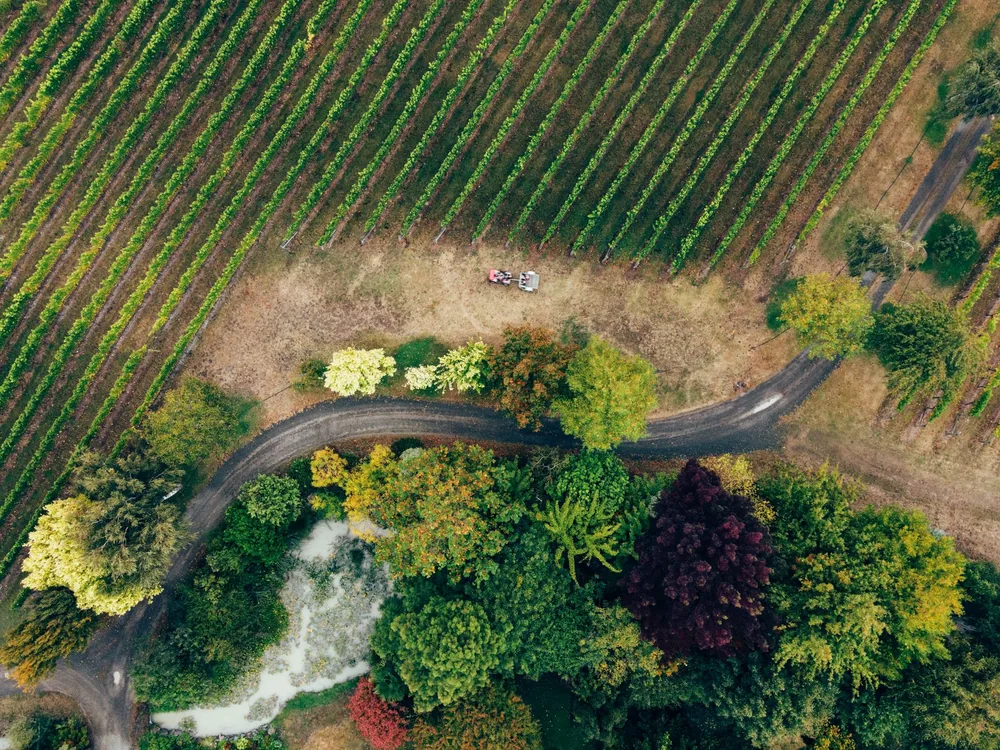
One of the areas that fascinate me the most is the women of wine. Two of my favorites are The Widow Clicquot and Argentinian wine maker Susan Balbo. I will be writing more about these two women in the future. They both have made a global and lasting impact on the world of wine for all of us!
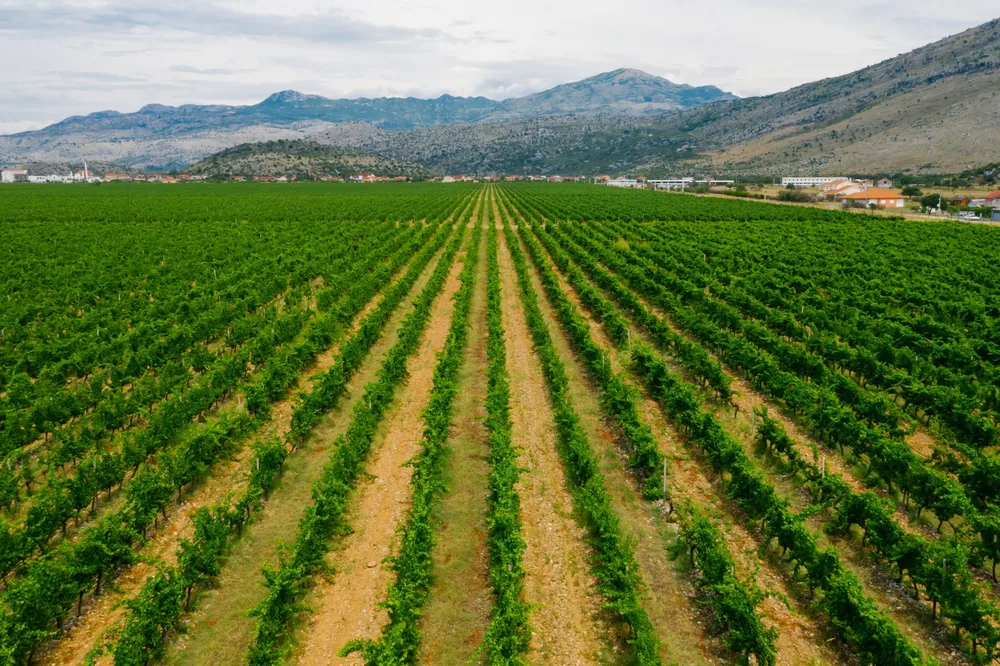
In the coming new year I implore all of you to push yourselves to move closer to your dreams. It’s easier than it sounds. What makes you smile? Truly, if you run towards your true love I promise that you will find success and happiness!
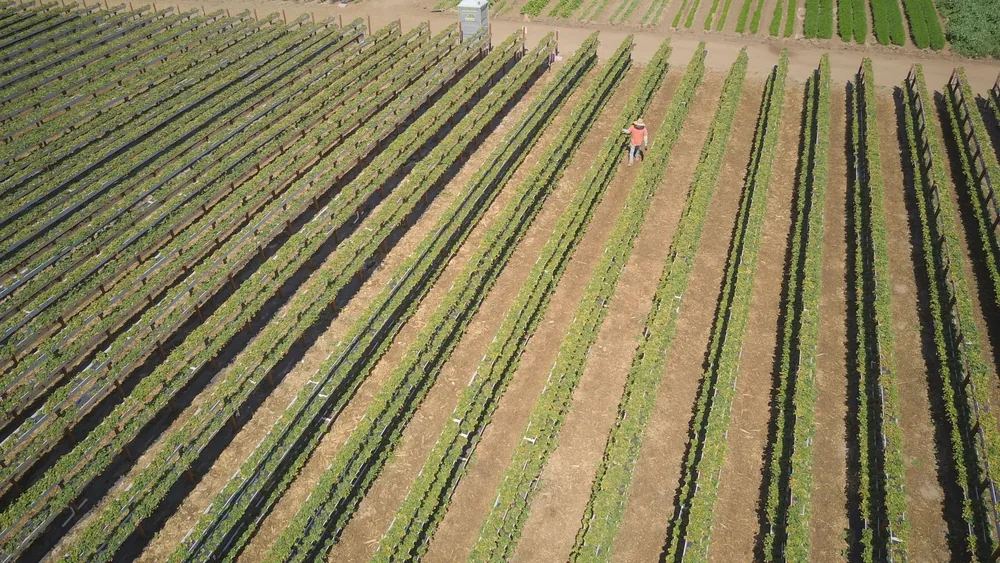
In the next year I will discover with you different cultures and wine experiences. I’m so excited and would love to get to know each and every one of you a bit more! Thank you for allowing me to be part of your love for wine and life!
I hope your New Year is filled with much wine, joy and laughter. I look forward to an ongoing and educational experience!
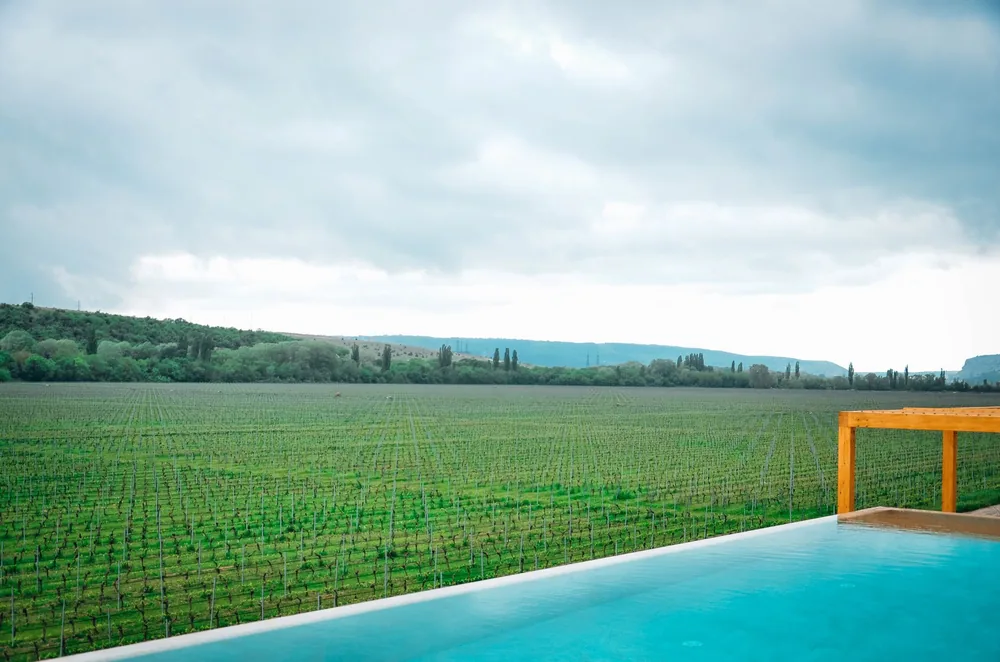
Aged wine and corks!
Wine generally ages better than the corks do, thank goodness. The Renaissance wines featured this month will have somewhat brittle corks. An Ah So type cork puller will probably work best. If the cork doesn’t make it out in one piece, just strain the wine and enjoy.
Opening an Older Bottle Without Losing the Cork
The advice about brittle corks at the end of this column is worth expanding, because opening a mature bottle is a different job from opening a recent one. A cork that has spent decades in contact with wine loses elasticity from the bottom up, so a standard corkscrew worm can tear straight through the softened section. The two-pronged puller mentioned above avoids that by gripping the sides of the cork instead of piercing it.
Using one takes a little practice. The longer blade goes in first, at the point where the cork meets the glass, then the shorter one on the opposite side, and the tool is rocked gently downward rather than forced. Once both blades are seated, a slow twist while pulling lifts the cork whole.
When the Cork Breaks Anyway
A cork that crumbles is a nuisance rather than a disaster. Pushing the remains into the bottle and decanting through a fine mesh strainer or an unbleached coffee filter recovers the wine cleanly. Fragments floating in a glass affect nothing except appearance.
| Trait | Waiter’s corkscrew | Two-pronged puller |
|---|---|---|
| How it works | A worm screws into the cork | Blades slide down either side |
| Best for | Young, sound corks | Old, soft, or crumbling corks |
| Main risk | Tearing a fragile cork apart | Pushing the cork into the bottle |
| Learning curve | Minutes | Several bottles |
| Reseals the bottle | Not easily | Yes, the cork goes back whole |
Sediment, and Why Old Bottles Stand Up
Red wine deposits sediment as color and tannin molecules link together and fall out of solution over years. The deposit is harmless and tasteless in the mouth but gritty and unattractive in a glass. Standing a bottle upright for a day before opening lets it settle into the punt.
Decanting then means pouring in one slow, continuous motion and stopping when the sediment reaches the shoulder. A light behind the neck makes the moment obvious. Old wine should be served soon after, since the aromas that survived decades can fade within an hour of meeting air.
How Long a Wine Can Actually Age
Very few wines improve indefinitely, and the ones that do share the same structural traits: firm acidity, substantial tannin or sugar, and concentration from low yields. Those components act as preservatives while the wine’s primary fruit aromas slowly give way to tertiary notes of earth, dried fruit, leather, and spice. The curve rises, plateaus, and then falls, and the plateau is where a bottle should be opened.
Storage decides how fast that curve runs. A wine kept at a steady 55 degrees ages gently, while the same bottle in a warm room may be exhausted in a fraction of the time. Bottle size matters too, since a magnum ages more slowly than a standard bottle holding the same wine.
Cork condition sets an outer limit regardless of the wine’s own potential. Even a sound closure allows a very slow ingress of oxygen, and after several decades the seal is the weakest part of the package. Estates that recork old bottles do so for exactly this reason.
Food, Wine, and the Table
A chef’s perspective on wine tends to start from the plate rather than from the bottle, which is a useful inversion for anyone planning a holiday meal. Acidity in a wine performs the same job as a squeeze of lemon, salt in a dish softens tannin, and sweetness in a sauce needs a wine at least as sweet or the wine will taste sour. Those three rules cover most of what goes wrong at a festive table.
Careers that combine cooking and wine service have become common, and the school nutrition work described above sits in the same territory of teaching people to eat attentively. The Centers for Disease Control and Prevention’s overview of school nutrition outlines what that field involves. The pairing principles themselves are gathered in the food and wine pairing guide.
Where This Column Sits in the Archive
Celebrations Wine Club introduced new contributors through these monthly columns and stopped shipping in December 2019, so this piece marks the beginning of a run of writing rather than the start of a current series. The promised features on individual winemakers appear later in the same archive. The whole sequence is preserved in the newsletter archive.
Older Bottles FAQ
How can you tell whether an old bottle is still good before opening it?
The fill level and the state of the capsule are the best available clues, since a low fill suggests a long, slow leak. Neither is conclusive. The only real test is opening it.
Does an old wine need to breathe?
Rarely, and it can be harmed by too much air. Decanting an old bottle is about separating it from sediment, not aerating it. Pour, taste, and drink it while it is showing well.
What if the wine tastes tired?
A wine past its peak loses fruit and shows dried, tea-like or vinegary notes. Nothing recovers it, though a few minutes in the glass sometimes brings a little back. Practical handling advice of this kind is collected in the wine skills and knowledge guide.