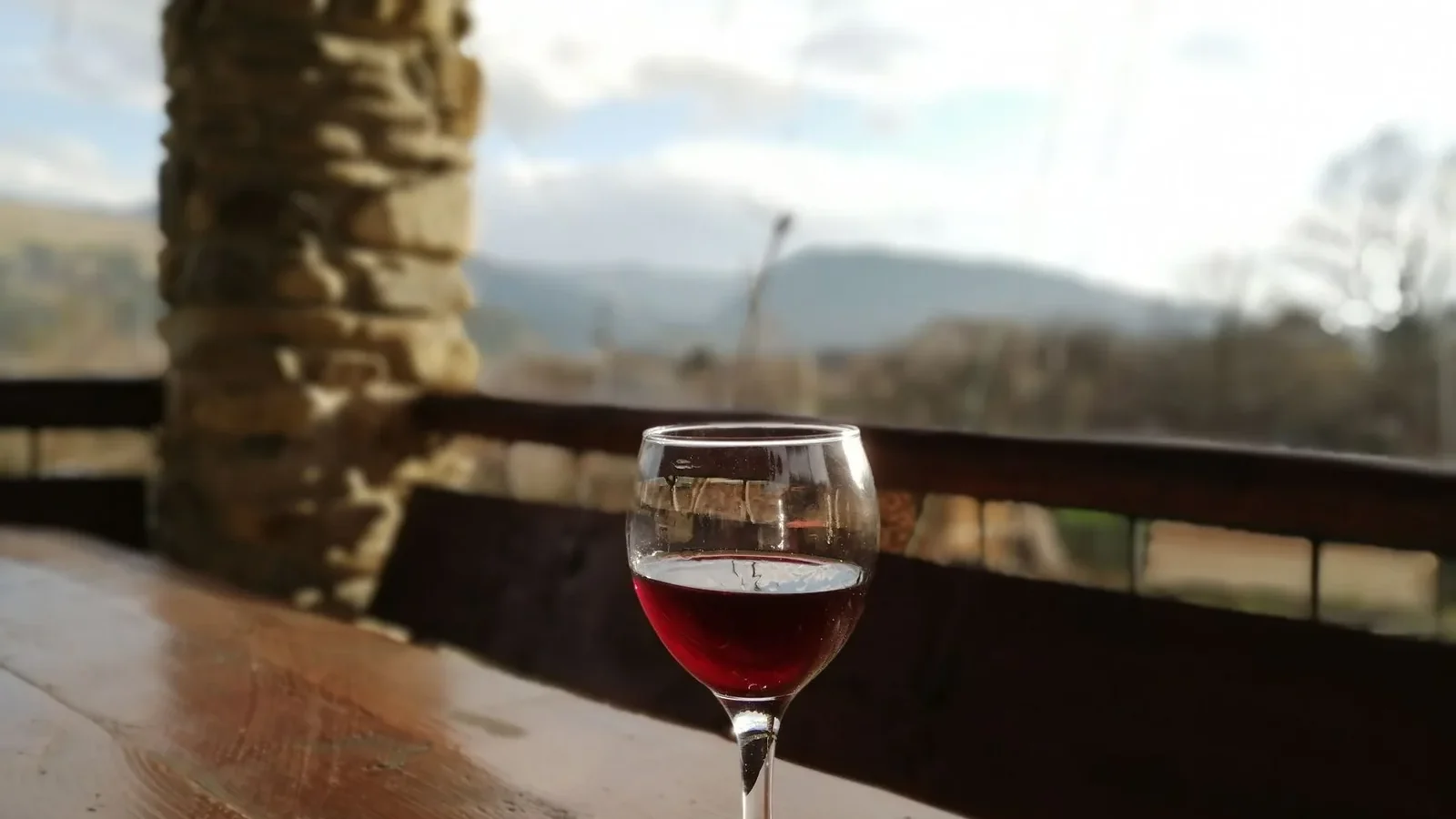
Before opening your bottle of Celebrations Wine this month, let’s talk about how to maximize the taste of that bottle of wine. Hopefully I can help you have THE perfect glass wine every time.
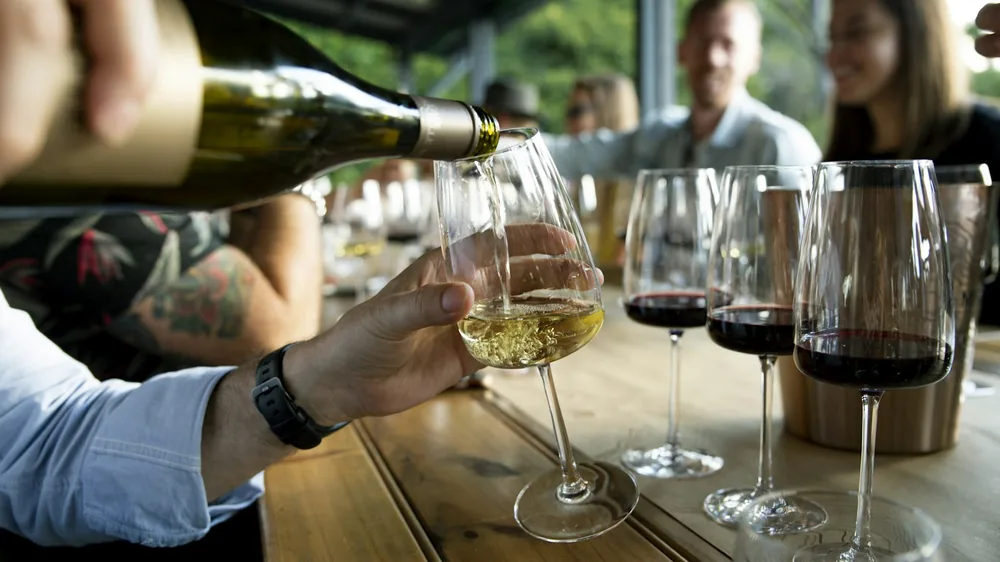
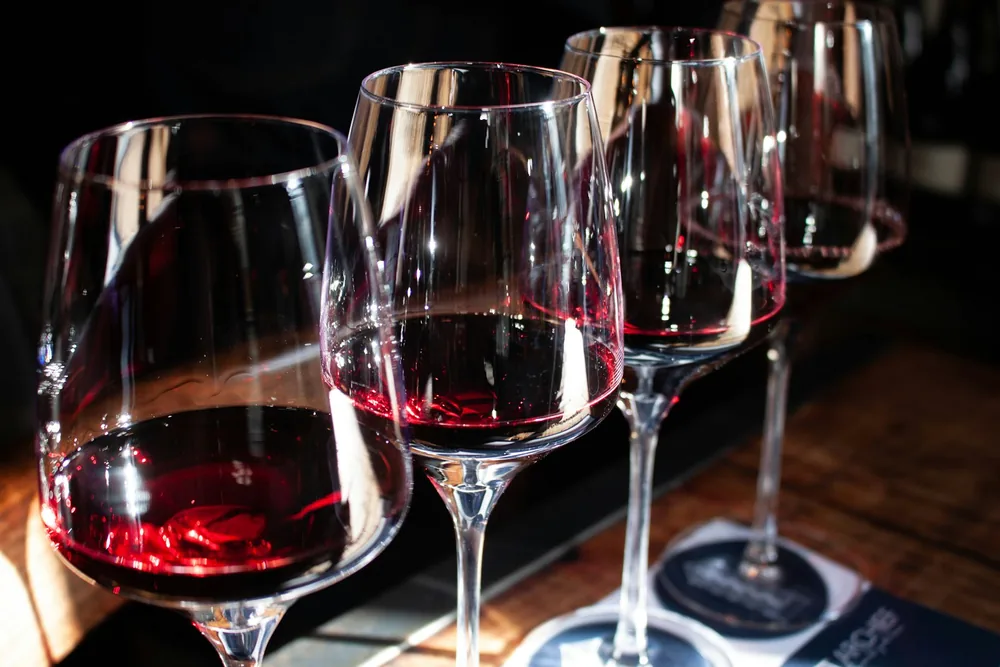
Never to be neglected in its importance is the wine glass. The glass design determines how the aromas reach your nose, as well as how the wine is received on the palate. Glasses can be wine specific. If you are drinking a Pinot, use a glass designed for Pinot.
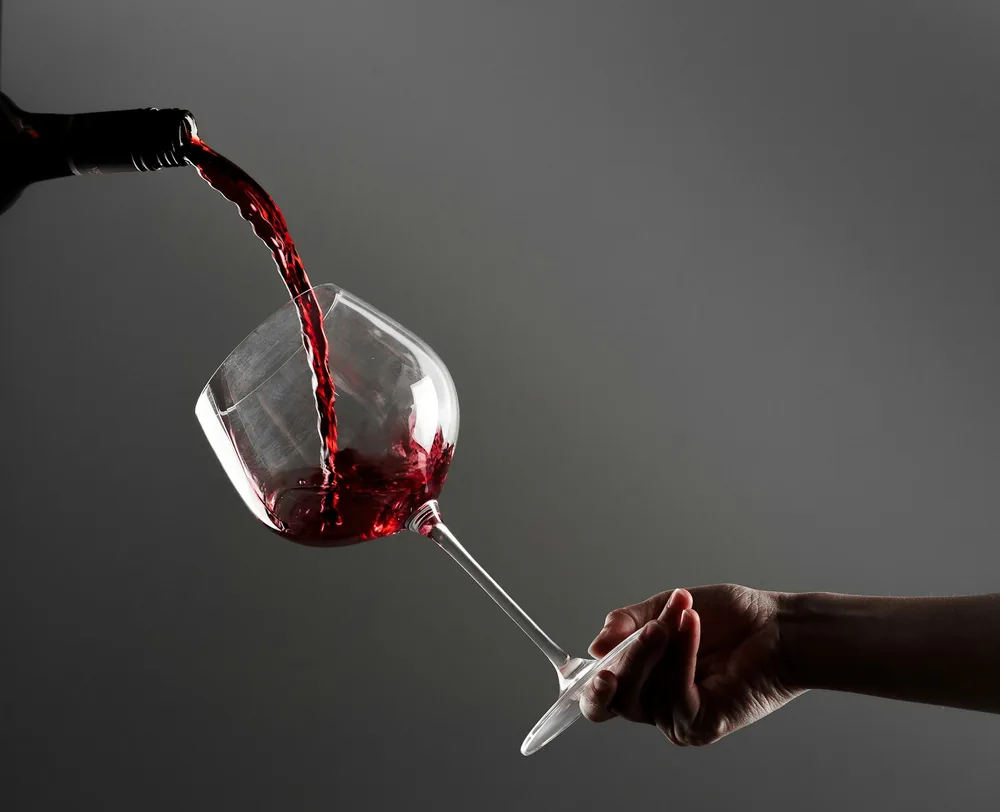
Our favorite stemware maker is Riedel. They’ve been around for forever and have stemware design down to a science. In my opinion, they are the best glasses on the market today.
For fun, just to see the difference it makes, do an experiment at home. Poor the same wine into a Riedel glass (or one of your preference that meets the criteria given above), then pour two other glasses into random glasses of choice. You will be amazed at the difference in the nose and palate.
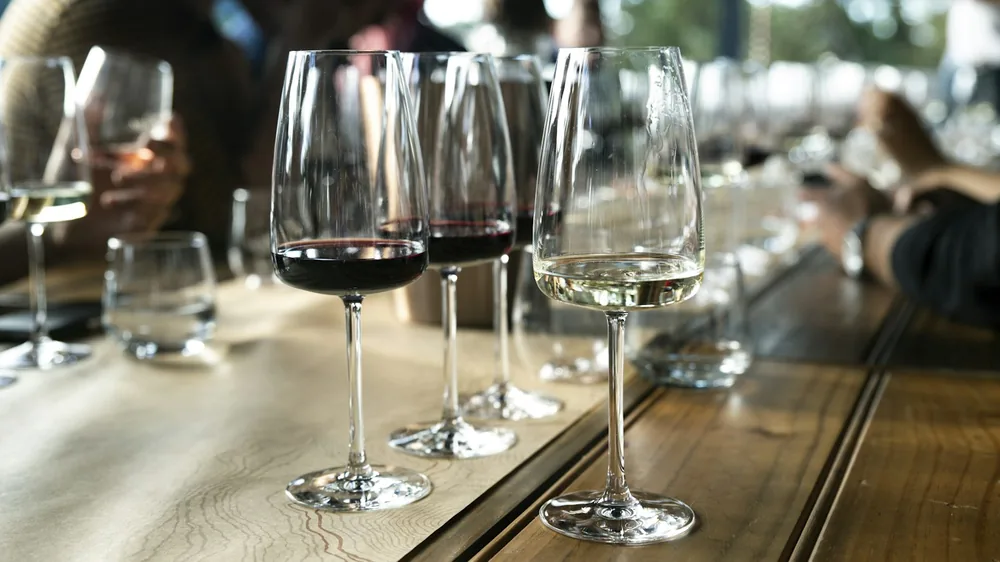
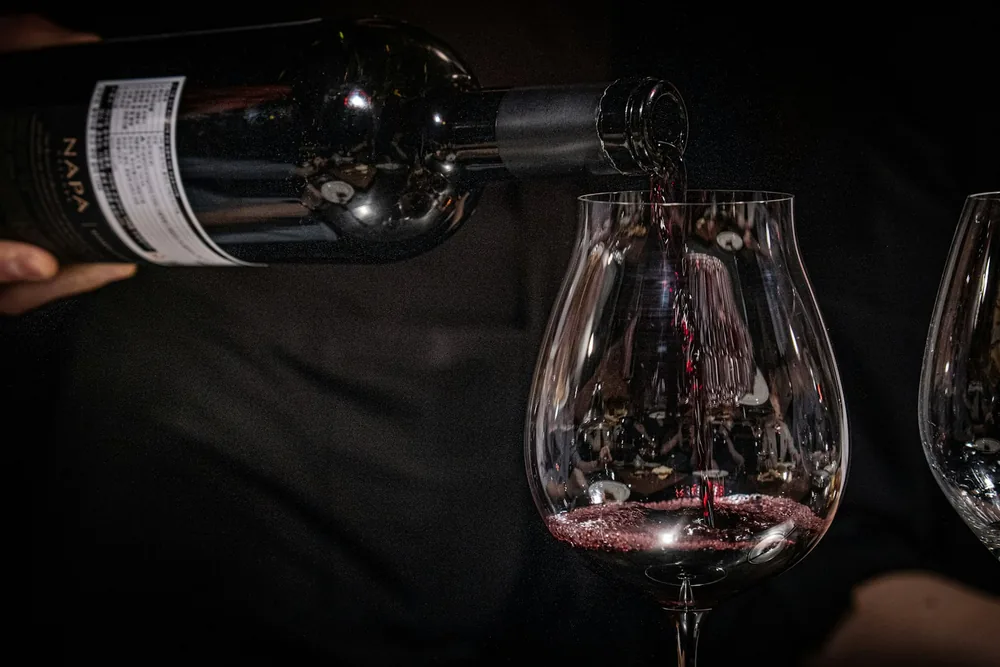
Next, for our perfect glass of wine, let the wine breathe. It takes ten to thirty minutes for a bottle of wine to open up. When we are having guests, especially a wine tasting, the wine has been put in a decanter ahead of time. If we do not have time to decant, then we use an aerator. An aerator plugs into the neck of the bottle. There, using gravity to force the wine through a mesh, air is let into the wine and expedites the “opening up” process.
My opinion, if you’ve got the time, decanting is always the best. Think timing. Before you serve the first bottle, open the second and pour into your decanter to let the flavors come alive.
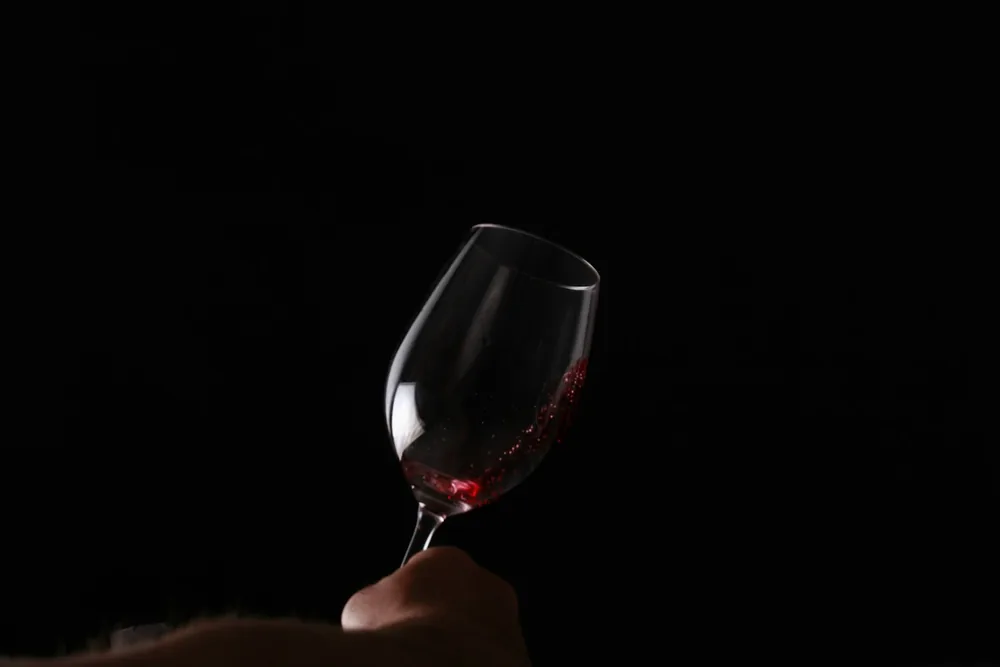
Lastly, don’t let open wine sit for very long before finishing. Most wine, after opening, just last two days, then the alcohol begins to evaporate out of the wine. This leaves you with a flat, vinegar tasting, undrinkable bottle of wine.
There are cork systems that will allow you to recork the bottle and remove the air for longer keeping. Even then, the recommended time to finish the bottle is within five days.
Last, but most importantly, surround yourself with good friends, or a good book, or a beautiful sunset and enjoy the moment.
Happy Wining All!
Decanting and aerating do different jobs
The two words are used interchangeably, but they solve different problems. Decanting separates clear wine from sediment, which matters for older reds and unfiltered bottles, and it happens slowly and carefully with the deposit left behind. Aerating exposes wine to oxygen quickly to soften tannin and release aroma, which is what a pouring aerator or a vigorous swirl achieves.
Young, firmly structured reds benefit most from air, and an hour in a wide vessel changes them noticeably. Older wines are the opposite case, since their aromatics are fragile and can fade within minutes of being opened, so they are usually decanted for clarity alone and served promptly. Whites are rarely decanted, though a tight, reductive white can improve with a few minutes of air.
The vessel matters more than the equipment. A wide-based decanter exposes far more surface than a narrow one, and pouring a wine back and forth between two pitchers accomplishes in two minutes what an hour of sitting would.
Temperature, the setting most people get wrong
| Style | Approximate serving range | Practical method |
|---|---|---|
| Sparkling | Well chilled | Twenty minutes in ice and water |
| Light white and rose | Chilled | Straight from the refrigerator |
| Full white | Lightly chilled | Ten minutes out of the refrigerator |
| Light red | Cool | Half an hour in the refrigerator |
| Full red | Below room temperature | Fifteen minutes in the refrigerator |
Too cold mutes aroma and exaggerates tannin, while too warm exaggerates alcohol and flattens acidity. Wine warms in the glass anyway, so serving slightly cooler than the target leaves room for it to open as the meal goes on.
Pouring, and how much to pour
A third of the way up a medium glass is the right amount for almost every wine. That leaves the space above the surface where aroma collects, which is exactly the part a full glass throws away. It also lets the wine be swirled without incident.
Pour from the middle of the bottle rather than from a height, and give the bottle a slight twist at the end of the pour to catch the last drop. If a bottle has sediment, pour in one continuous motion and stop when the deposit reaches the shoulder.
What happens after the bottle is open
Once wine meets air, oxidation begins, and the fresh fruit aromas are the first thing to go. Over days, acetic acid bacteria can convert alcohol into acetic acid, which is the sharp, vinegary character of a bottle left too long. Cold slows every part of that process, which is why the refrigerator is the right place for an open bottle of any color.
Refrigerator temperature is worth knowing rather than assuming, since appliances drift and a warm refrigerator affects a great deal more than wine. The FDA’s guidance on refrigerator thermometers explains how to check it properly.
- Re-cork or stopper the bottle as soon as the last glass is poured, not at the end of the evening.
- Transfer a half bottle into a smaller sealed container to reduce the air above the wine.
- Take a chilled red out twenty minutes before the next serving.
- Use a sparkling stopper for anything with bubbles, since ordinary corks will not hold pressure.
Storing bottles before you open them
Long-term storage asks for the opposite of a kitchen: steady cool temperatures, darkness, moderate humidity and no vibration. A closet on an interior wall beats a rack above the refrigerator by a wide margin, and consistency matters more than hitting an exact number. Bottles under cork are stored on their side so the cork stays damp.
Most wine made today is meant to be enjoyed within a few years, so serious cellaring applies to a small minority of bottles. Our wine skills and knowledge guides go through which styles reward keeping, and our food and wine pairing notes cover what to do with the ones that do not.
The glass, briefly
Shape changes what reaches your nose, and the difference is easy to test at home with the same wine in two glasses. A bowl wide enough to swirl, tapering toward the rim, concentrates aroma where a straight-sided tumbler lets it escape. That single feature accounts for most of what specialized stemware achieves.
Beyond that, thinner rims feel better and heavier bases survive more dinners, which is a genuine trade rather than a marketing one. One well-shaped medium glass will serve nearly everything on a table, including sparkling wine, and a second larger shape is worth having only if you drink a lot of full-bodied red.
Keep them clean the boring way. Hot water, little or no detergent, a lint-free cloth and upright storage prevent the film and stale-cupboard smell that flatten aroma before the wine ever reaches the glass.
Serving wine FAQ
Does an aerator replace a decanter?
For young wines, largely yes, since both are introducing oxygen. For old wines with sediment, no, because only careful decanting separates the wine from its deposit.
Can I keep an open bottle in the refrigerator door?
Yes, though the door is the warmest part of the appliance and swings in temperature every time it is opened. A shelf toward the back is more stable.
How long should a wine sit before drinking?
Give any bottle a few minutes in the glass and taste it again. Wines change measurably in the first fifteen minutes, and that second impression is usually the more accurate one.