by Sommelier Robin Obert
Francois was very open with Barbe-Nicole when it came to discussing the business. This is believed to be in part because Francois father did not feel comfortable with his son traveling the globe, attempting to sell luxury wines to people who were just overcoming severe adversity and economic crisis due to warring among countries. As a newcomer it was very difficult for Francois, but, he continued to persevere. It was critical to his success to become entwined with aristocracy who could afford the luxury of expensive wines. It was difficult for Francois as it was not common for the wealthy to swing their doors wide open for traveling salesmen.
Sales were measly at best. Even the renowned Moet family was struggling. Sales for Francois were disastrous and Francois had to return home to face his father. To make matters worse, weather was an enemy that summer and the meager orders that he was able to secure would not be able to be fulfilled. It was with all of this Francois decided to up the risk and determined that it was time to stop relying on others to provide him with their wines. He was going to jump off the cliff and begin growing his own grapes and bottling his own wines.
Francois pushed forward, more than a year later he progressed towards his ultimate goal to produce his first “house” wine. It was a slow and laborious process, but, one he was not afraid to embark upon. There was a lot to learn, but it was at this time wine makers, the experts were beginning to produce books to help the novice break into the art of winemaking.
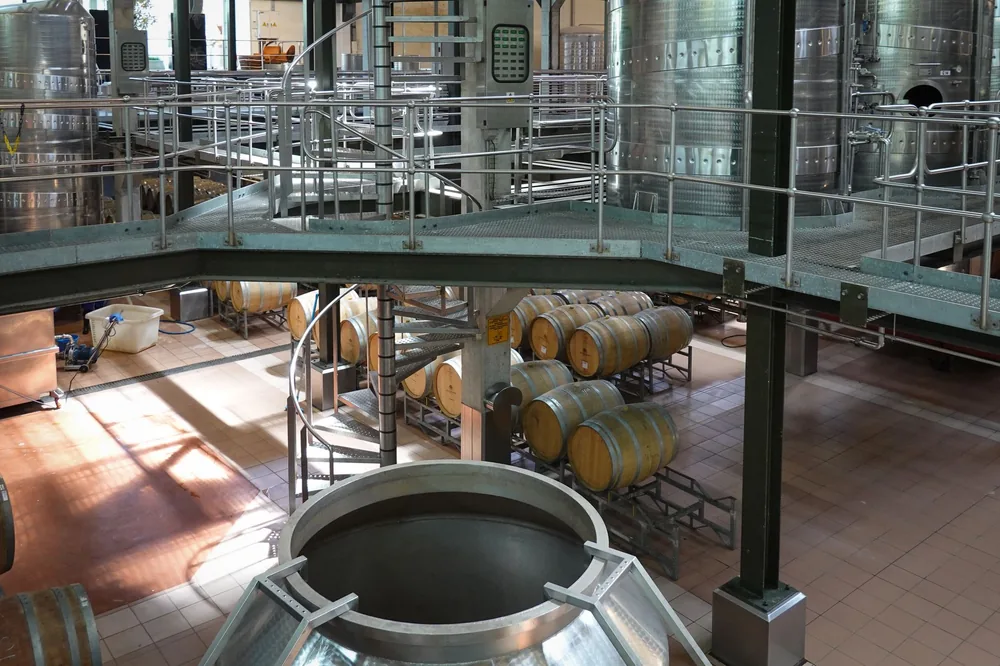
It was through this progression that Francois journeyed through where that spark of passion was birthed into Barbe-Nicole. It was a hunger that she would embrace for a lifetime. Harvest was among her favorite time. She would arrive as the sun rose in the morning and she would watch in wonder as the field workers gathered the yield which were grown on the family vineyard. She would then proceed to the modern presses and sit for hours observing as the grapes began the process of being slowly and gently crushed right before her eyes. Next month we are going to go in to detail the actual process of making Champagne and the journey Barbe- Nicole went through to further develop the art of making what we now know as Champagne. It was quite different than what the early aristocrats understood. Oh, if they could only have known…
What “Selling Wine” Meant in 1800
The trade Francois was trying to enter looked almost nothing like a modern wine business. A merchant house rarely grew grapes. It purchased finished or half-finished wine from growers, blended it, held it, and sold it onward under its own name, which made reputation the entire asset.
Traveling salesmen were a necessity because there was no other way to reach a customer. Catalogs, price lists sent by post, and agents in foreign cities all existed, but a serious sale to an aristocratic household required someone standing in the hall with a sample case. That is why the innovation of carrying the wine itself mattered so much.
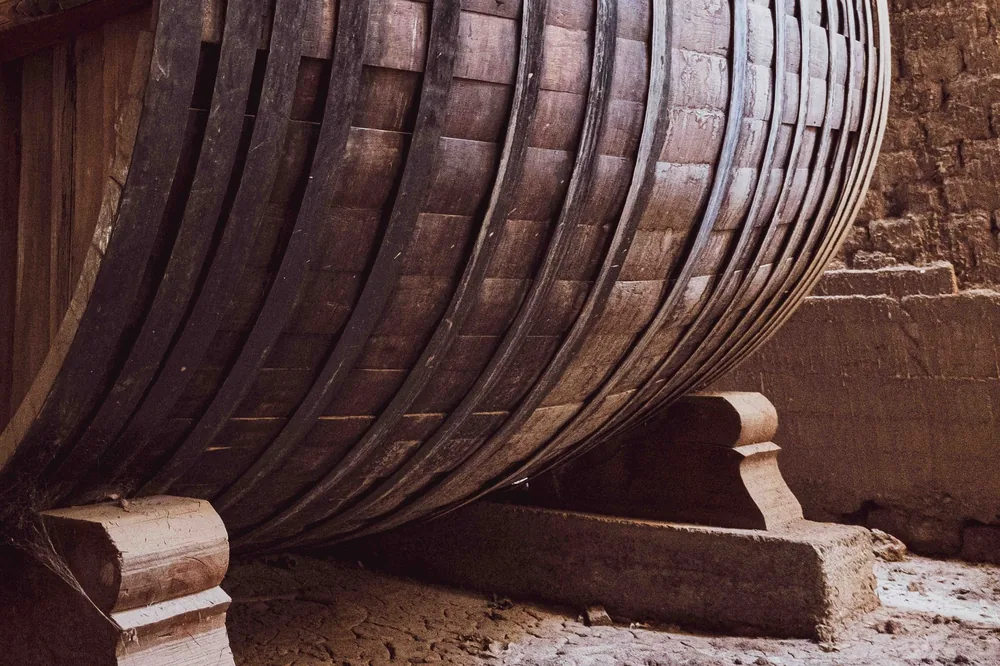
Roads and shipping were the other constraint. Wine moved in barrel over rutted roads and in bottles packed in straw, through customs posts that changed hands as armies moved, and a consignment could be spoiled, seized, or simply lost. Every sale carried a delivery risk that the seller absorbed.
Growing Your Own Grapes Changed the Arithmetic
Deciding to grow and bottle rather than to trade was not a romantic gesture but a change in the structure of the business. A merchant buying wine is exposed to whatever the growers deliver in a given year and to whatever price they can command. A house with its own vineyards controls the raw material and captures the margin at both ends.
The cost is that the risk moves indoors. A frost, a hailstorm, or a wet August now falls directly on the house rather than on a supplier, and vineyards cannot be sold off in a bad year the way a contract can be declined.
| Consideration | Merchant buying wine | House with its own vineyards |
|---|---|---|
| Capital required | Lower; stock and cellar only | High; land, presses, cellars, labor |
| Control of quality | Limited to what suppliers offer | Decisions begin in the vineyard |
| Exposure to weather | Indirect, through supply and price | Direct and immediate |
| Consistency year to year | Depends on available purchases | Achievable by blending and holding reserves |
| Value of the name | Rests on selection and reputation | Rests on selection plus the estate itself |
Weather Was the Business Risk Nobody Could Manage
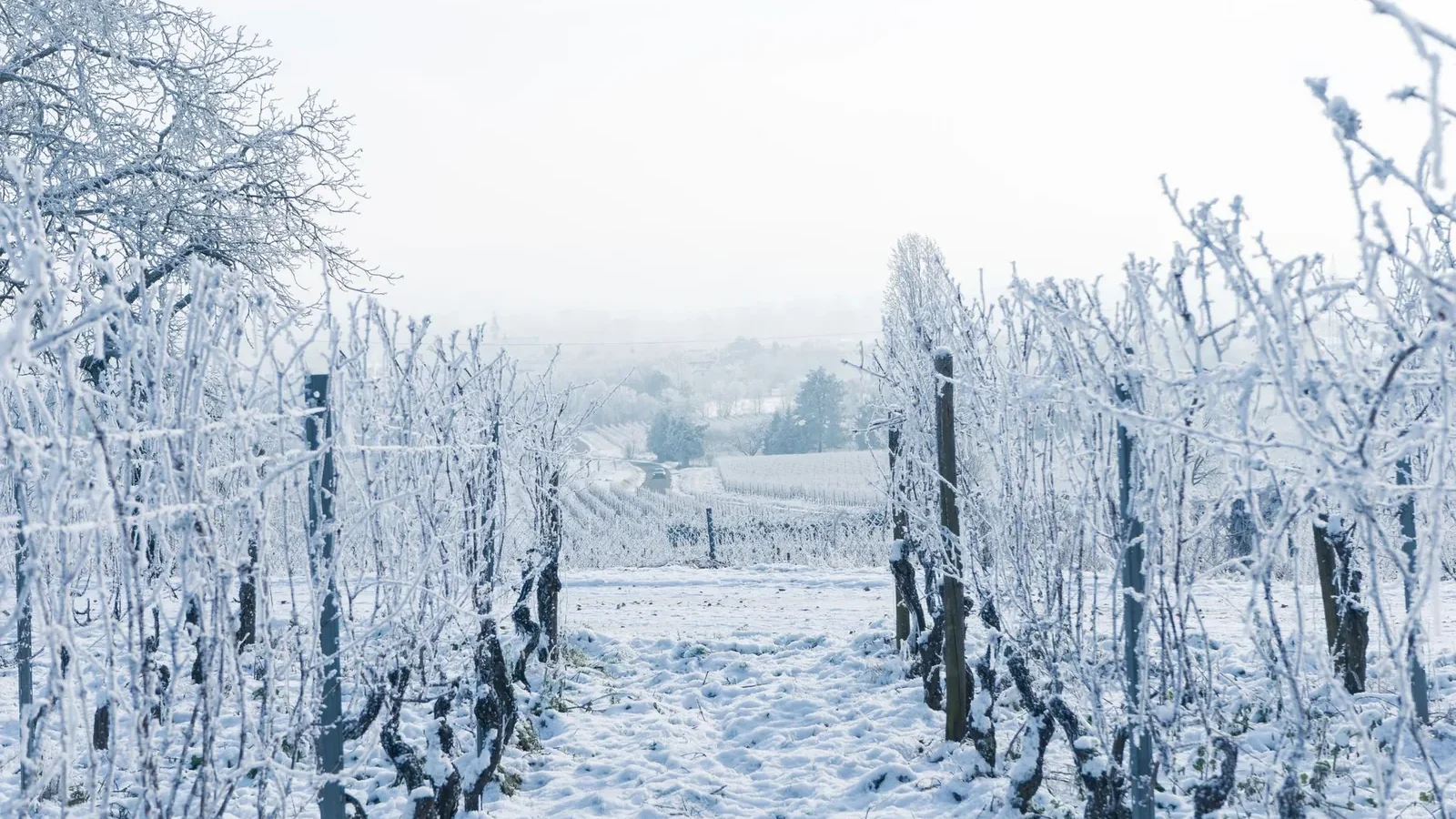
A ruined summer meant fewer grapes, thinner wine, and orders that could not be filled, and northern France sits close enough to the limit of ripening that this happened regularly. Champagne’s latitude gives it slow ripening and high natural acidity, which is exactly what sparkling wine wants, but it also leaves very little margin in a cold or wet year.
The early nineteenth century was a difficult stretch for European agriculture generally, and grape harvests recorded the swings faithfully. The National Oceanic and Atmospheric Administration’s collection of climate education resources explains how historical records of this kind are assembled and read.
The eventual answer was blending across years. By holding back reserve wine from good harvests and adding it to weaker ones, a house could produce a consistent style regardless of what any single summer delivered. That practice is the reason most Champagne carries no vintage year at all.
Reserve wine is expensive to hold, since it occupies cellar space and capital for years before it earns anything. Only a house with sufficient resources can afford the practice, which is one more reason the trade concentrated into a small number of large names over the following century.
Learning a Craft From Books
The detail about winemaking manuals appearing at this moment is easy to pass over and genuinely important. Until then, technique passed from one cellar master to the next by apprenticeship, and a family without that lineage had no route in. Printed treatises broke the monopoly.
They were imperfect guides, written before anyone understood that fermentation was the work of yeast, and much of the advice was empirical rather than explanatory. But they described presses, vessels, timing, and the handling of bottles well enough that a determined newcomer could begin. Ambition and a library substituted for inheritance.
That shift shows up repeatedly in wine history, and it explains why so many celebrated houses were founded by outsiders rather than by established grape-growing families. Our hot topics archive returns to these origin stories often.
Champagne History FAQ
Why did Champagne become a luxury product rather than an everyday one?
The method was slow, the losses were high, and the cost of producing it was far above that of still wine. Bottles could and did explode during the second fermentation, so every successful bottle carried the cost of the ones that failed. Scarcity and expense arrived together.
Did houses of this era make the wine we would recognize today?
Only partly. The bubbles were present, but the wines were generally sweeter, the pressure less predictable, and the clarity poorer before the techniques for removing sediment were developed. The refinements came over the following decades.
Why do sparkling wines still anchor celebrations?
Partly ritual, partly the theater of the pour, and partly the fact that high acidity and effervescence sharpen the appetite at the start of a meal. The tradition and its practical uses are covered in our guide to wine for celebrations, and the newsletters gathered in our newsletter archive revisit it every December.