
I found a great article in Bloomberg, written by Elin McCoy, that discusses some 2019 trends. As we quickly hit the halfway point of the year, I thought I would share a few.
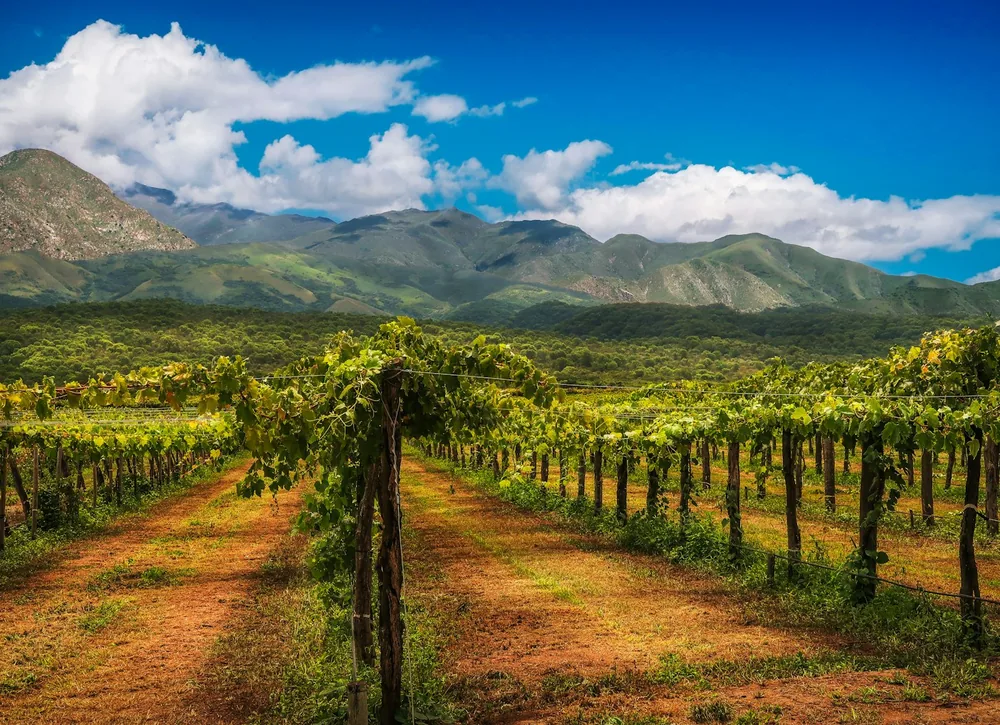
Be on the lookout for old new hybrids of grapes. Some countries are resurrecting old, abandoned vineyards and embracing forgotten varieties. Chili is currently working to rescue ancient vineyards planted by Spanish explorers centuries ago.
The article states that unfamiliar native and hybrid grapes, such as pais, Marquette, petite arvine, and zibibbo are in our futures. Be on the lookout.
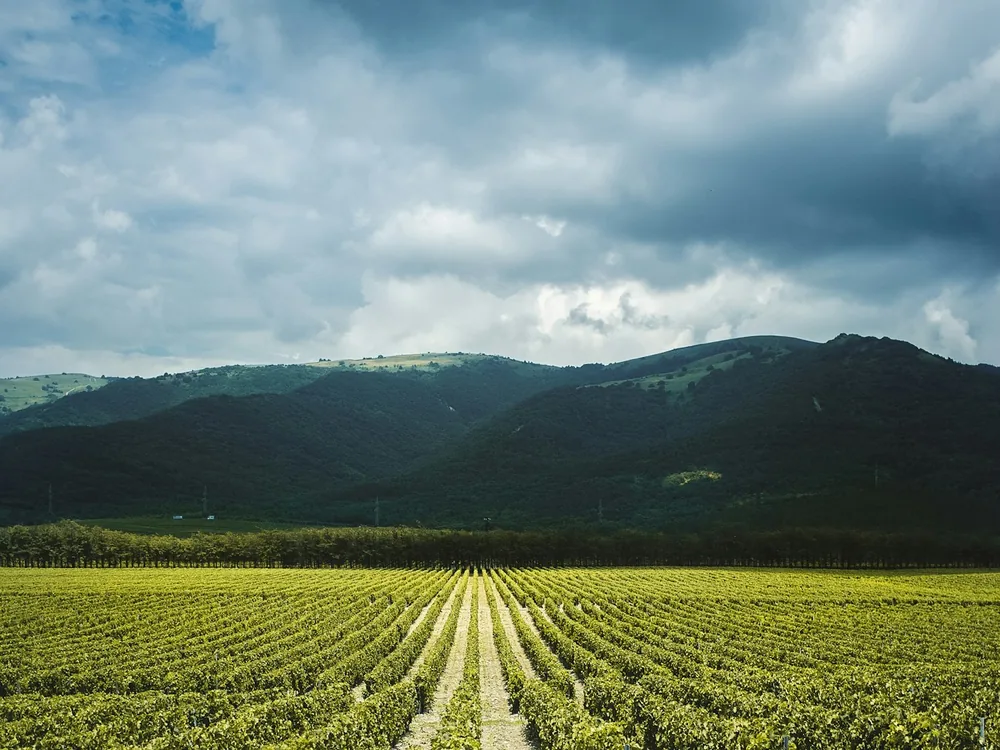
Did not see this one coming… With the legalization of cannabis, the newest trend is cannabis infused wines. According to Canaccord Genuity, LLC, a Canadian investment bank, marijuana-infused beverages could become a $600 million market in the U.S. in the next four years.
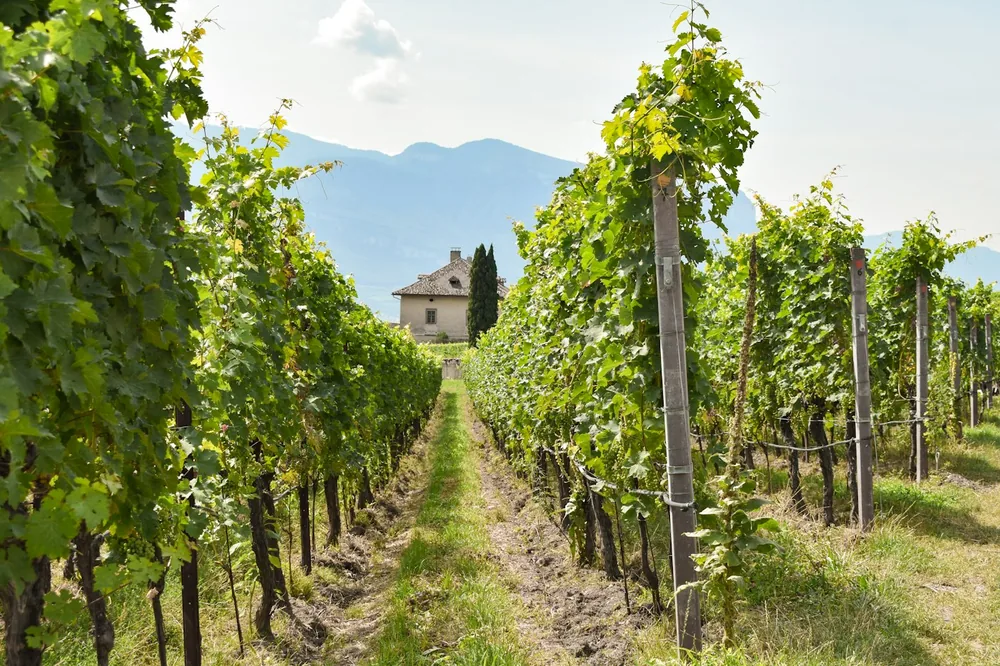
Rebel Coast Cannabis Infused Sauvignon Blanc is one of the first to be produced in Sonoma. Legally, to quote the author Elin McCoy, you can’t mix alcohol and THC, so the alcohol has been removed. As a result, a glass of this wine has only 35 calories and is sold only through licensed California THC dispensaries.
I’ve written about this several times, as we are now seeing the impacts of climate change truly come to life before our eyes, cool regions aren’t that cool anymore.

Wineries are having to move, basically heading for more northern, geographic areas. Wines from Idaho, Minnesota, upper New York, and even Quebec are going to become the norm more and more.
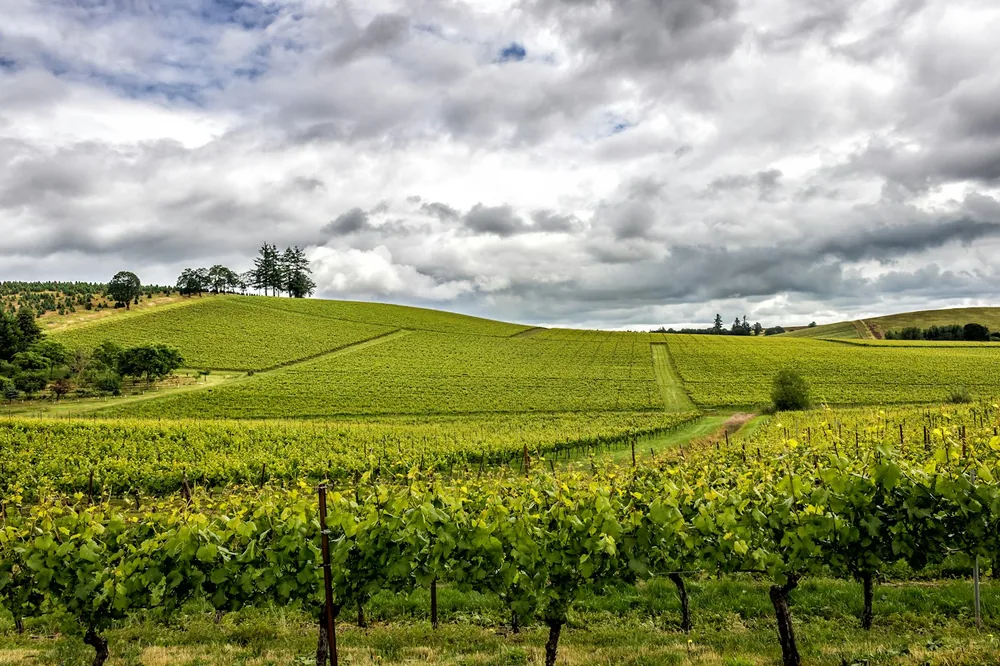
Another subject I’ve written of in past predictions is also coming to fruition, vegan is in. This is particularly strong with young wine drinkers (representing the largest growing wine market globally right now). It shows no stopping nor slowing down.
Instead of using agents from milk, egg, or animal/fish proteins, to remove heavy tannins, winemakers now are using clay or charcoalbased alternatives.
Young people are driving these changes. I find it exciting!
Sake is hot right now. No kidding… They are beginning to show up at wine tastings conducted by some of the most well-known sommeliers. Glassmaker Riedel even recently introduced a new Junmai glass designed for this category of very complex sakes. I’m not sure how I feel about that one, but anything that supports our industry must require that I keep an open mind.
Happy Wining All!
Background to the 2019 Trend List
Every item in this roundup had been building for years before it reached a mid-year trends column. The notes below fill in the mechanics behind them: why forgotten grapes came back into commercial planting, how a wine has its alcohol taken out, and what replaced the animal-derived agents used to clarify wine. None of it changes the newsletter above, and none of it is a fresh forecast.
Why Forgotten Grapes Came Back
Old vineyards survive in places where nobody had a commercial reason to pull them out, which is why abandoned plantings so often hold varieties that nurseries stopped propagating generations ago. Vines that have persisted in one site for a century are, by definition, adapted to its drought, heat, and disease pressure. Reviving such a variety still means locating clean plant material, propagating it, and then persuading drinkers to try a name they have never seen on a shelf.
Hybrids are a separate category. They are crosses between the European wine grape and other grape species, bred deliberately for cold hardiness or for resistance to mildew and phylloxera. That resistance is exactly why hybrid plantings spread through regions with short growing seasons and hard winters, far outside the traditional wine map.
Taking the Alcohol Back Out
Any beverage that begins as fermented wine and ends up without alcohol has to have the ethanol removed after the fact. The common industrial methods are vacuum distillation, spinning cone columns, and reverse osmosis, all of which operate at low temperature so the liquid is never cooked. Aroma compounds are volatile as well, so the hard part of the job is capturing those aromatics and returning them to the finished liquid.
Beverages that combine a wine-like base with cannabis extracts sit in an unusual regulatory position, because alcohol, food, and cannabis rules are written and enforced by different agencies. The Food and Drug Administration’s overview of cannabis and cannabis-derived products sets out why something permitted under a state program is still treated separately at the federal level. That mismatch, rather than consumer appetite, is what dictated where such drinks could be sold.
Clarifying Wine Without Animal Products
Fining is a clarifying step, not an ingredient. An agent is stirred into the wine so that it binds with proteins, harsh tannins, or other suspended material, and the resulting clumps settle and are removed before bottling. The traditional agents are egg white, casein from milk, isinglass from fish, and gelatin, which is how a finished wine can fall outside a vegan diet even though nothing visible remains in the bottle.
| Trait | Animal-derived agents | Clay and carbon agents |
|---|---|---|
| Typical materials | Egg white, casein, isinglass, gelatin | Bentonite clay, activated carbon, plant proteins |
| Usual target | Tannin, bitterness, color | Unstable protein, color, off-aromas |
| Suits vegan labeling | No | Yes |
| Remains in the bottle | Removed with the sediment | Removed with the sediment |
Bentonite is a swelling clay that has been standard for protein stability in white wine for generations, so the mineral route was never an invention of the last few years. Activated carbon and pea protein do comparable work from other non-animal sources. What actually changed was disclosure and the number of drinkers who wanted to know how their wine had been handled.
Cool Regions and Moving Targets
Grapevines respond to accumulated warmth over the season, which is why a shift of a degree or two changes harvest dates, sugar levels, and acid retention. Growers meet that in stages: canopy management and picking decisions first, then rootstock and clone choices, then, eventually, new ground. Buying land at a higher elevation or a higher latitude is the slowest and most expensive of those responses, which is why it makes headlines when it happens.
Anyone tracing how climate reshaped a particular place will find the groundwork in the guide to California wine regions, where elevation, fog, and distance from the ocean explain most of the differences between neighboring appellations. The same logic applies to the grapes themselves, sorted by ripening pattern in the California grapes and styles overview.
Reading These Roundups Now
Celebrations Wine Club published a monthly topic column alongside its shipments and stopped shipping in December 2019, so these pieces now read as a record of what the trade was discussing at the time rather than as current advice. Read in sequence, they show which forecasts held and which faded. The rest of the monthly hot topics archive follows the same year-by-year pattern.
Wine Trends FAQ
Is a hybrid grape the same thing as a rediscovered heritage variety?
No. A heritage variety is an old European wine grape that fell out of commercial favor, while a hybrid is a deliberate cross between the European wine grape and another species. They often appear in the same conversation because both offer growers an alternative to the handful of internationally planted varieties.
Does removing alcohol change how a wine tastes?
It changes body and texture noticeably, since ethanol contributes weight, sweetness of impression, and the carrying of aromas. Producers compensate with residual sugar, acidity adjustments, and captured aroma fractions. The result is a different category of drink rather than a like-for-like substitute.
How would anyone know whether a wine was fined with animal products?
Ingredient and process disclosure is not required on a standard wine label, so the usual sources are the producer’s own technical sheets or a vegan certification mark. Some wines are never fined at all and say so on the back label. Absence of a claim is not evidence either way.