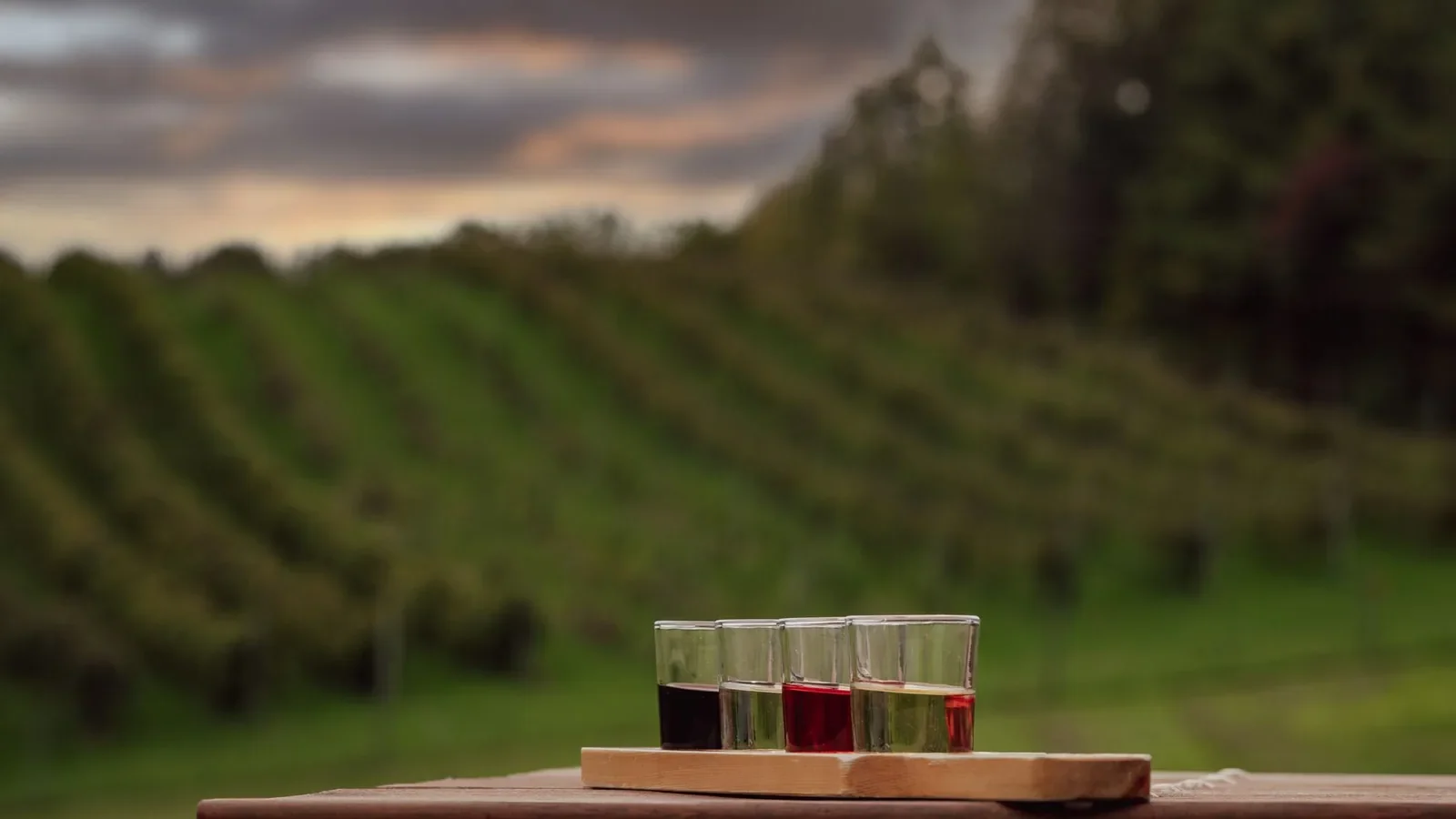
In my home state, liquor laws are archaic and highly restrictive. The first challenge is that, quite simply, it’s the heart of the Bible Belt. While that makes it a state known for charity, heartiness, and selflessness, it also leads to the view that the consumption of alcohol in any form is sinful and a sure path to self-destruction.
The second challenge is the political environment. There are two families in this state that, through money and politics, have been able to keep a tight control and monopoly on the flow of liquor in and out of the state. It has been that way for decades.
Now, however, it is an exciting time! There is a key initiative coming up in the next election that could totally liberalize the laws governing liquor sales. They may actually be able to go to the local grocery store and, while picking up milk and bread, be able to purchase a lovely bottle of wine for dinner that evening. Pretty exciting stuff!
So, as is my usual fashion, I got to thinking. Are all states as behind the times as this? Are there other places with as nonsensical laws and ideologies as ours? And, out came the pocket protector and abacus and off I was with my research pen in hand.

The answer I found is a resounding yes. Other states can be just as silly as us… Come with me while we go on a quick US Laughable Laws and Liquor Tour. Let’s begin.
Utah: Here it is legal to have wine with a meal, but only if one asks for the wine list. It is illegal to sale alcohol during an emergency and one must order food in order to get served alcohol at a restaurant.

Connecticut: Sorry Huskies fans, you’re out of luck on Sundays. No alcohol sells on that day.
Iowa: Bring cash or credit if you go to a bar. It is illegal in your state to run a tab.
Montana: Play in a band? Be careful in Billings. If you leave the stage while performing, you could spend the night in the pokey.
Kansas: This one is a doozy. According to an Attorney General at one point in time, it was illegal to drink in an airliner in Kansas airspace while flying over parts of Kansas that are “dry”. It would seem that “Kansas goes all the way up and all the down”, so the law covers all the down and all the up. I’d love to see that high speed chase!
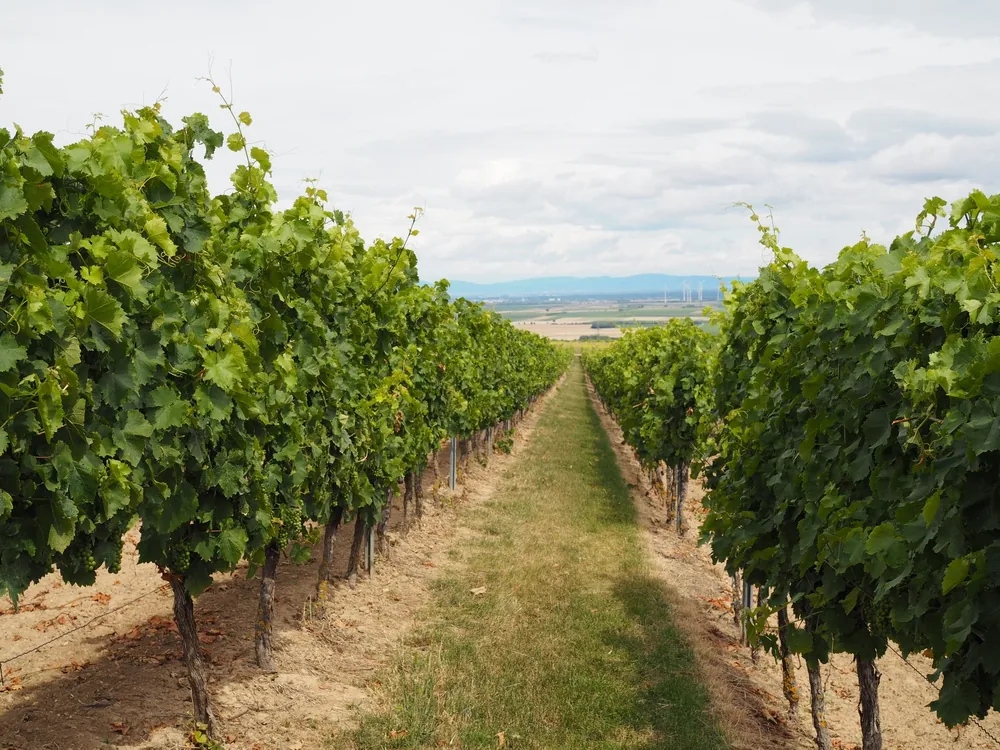
I’d love to continue. There are SO many, but I’m already over my word limit. Perhaps another day, I’ll share some more. To sum it up, there are still laughable laws out there and it is strange the views some have of alcohol. Cheers my friends. Keep Wining!
Why American Alcohol Law Is a Patchwork
The oddities collected above are not accidents of local temperament. They follow from a specific constitutional arrangement: the amendment that ended national Prohibition also handed authority over the transportation and importation of alcohol back to the states, in language preserved in the National Archives text of the Constitution’s amendments.
That single sentence created fifty separate regulatory systems rather than one. A state may permit grocery store sales or forbid them, set its own hours, license or monopolize distribution, and allow counties to opt out entirely, and all of it is constitutionally sound.
Layered on top is the three-tier structure adopted almost everywhere after repeal, which separates producers, wholesalers, and retailers into distinct licensed businesses. It was designed to prevent the return of producer-owned saloons, and it remains the framework through which nearly every bottle moves.
Control States and License States
The deepest division is between states that license private businesses to sell alcohol and states that operate as wholesalers or retailers themselves. Control states run the distribution system directly, which lets them set prices, limit outlets, and capture revenue that would otherwise go to private margins.
Neither model is obviously better at what it claims to do, and both produce rules that look absurd from outside. A store closed on Sunday, a restaurant requiring a food purchase, or a wine list that must be requested rather than offered all descend from the same instinct: make the transaction slightly inconvenient.
| Feature | License state | Control state |
|---|---|---|
| Who sells | Licensed private businesses | The state, at wholesale or retail or both |
| Pricing | Set by the market within rules | Set or approved by the state |
| Number of outlets | Limited by license quotas | Limited by state decision |
| Product selection | Retailer’s choice | Determined by a state listing process |
| Local opt-out | Counties or towns may go dry | Counties or towns may go dry |
The Rules That Reached the Supreme Court
Some of this patchwork has been tested rather than merely mocked. In 2005 the Supreme Court held that states could not permit their own wineries to ship directly to consumers while forbidding out-of-state wineries from doing the same, since that amounts to discrimination against interstate commerce.
The decision did not require any state to allow direct shipping. It required states to treat in-state and out-of-state producers alike, which most resolved by opening direct shipment to both under a permit system, and a few by closing it to everyone.
The result is that a bottle’s legal path from a winery to a household still depends heavily on which line on the map it crosses. Small producers feel this most acutely, since permits, reporting, and taxes have to be handled state by state.
Restaurants live inside the same patchwork. Rules on whether a license covers beer and wine only, whether a minor may sit at a bar, and whether a partly finished bottle may leave the premises all vary, and a chain operating in a dozen states trains its staff differently in each one.
Some of the stranger provisions are simply old rules that nobody has bothered to repeal. A statute written for saloons in the 1930s stays on the books until someone has a reason to remove it, which is why obsolete language survives long after the concern that produced it has faded.
Why Reform Moves Slowly
Liberalization efforts run into an unusual coalition. Wholesalers and existing license holders have a direct financial interest in the current structure, since scarcity of licenses is itself valuable, and they are frequently joined by constituencies opposed to expanded availability on entirely different grounds.
Ballot initiatives are consequently the common route, because legislatures rarely take up the question on their own. When change does arrive it tends to arrive all at once after decades of nothing, which is why a state can move from restrictive to ordinary in a single election.
The practical effect on anyone who simply wants a bottle with dinner is modest but persistent: what is routine in one state requires a special trip in the next. Shifts of this kind turn up regularly in our hot topics archive.
Alcohol Law FAQ
Why can some states sell wine in grocery stores and others cannot?
Because each state decides for itself which license classes may sell which beverages. Some permit wine and beer in grocery stores while restricting spirits to specialized outlets, and others separate all alcohol from general retail entirely.
Are dry counties still a real thing?
Yes. Local option provisions in many states let counties and municipalities prohibit sales within their boundaries, which produces the familiar situation of a county line marked by a cluster of stores on one side.
Do these rules affect what a wine club could ship?
They did, substantially. Direct-to-consumer shipping depended on permits held state by state, and some destinations were closed regardless, a constraint described in the practical notes gathered in our guide to wine skills and knowledge.