
by Debra Williams
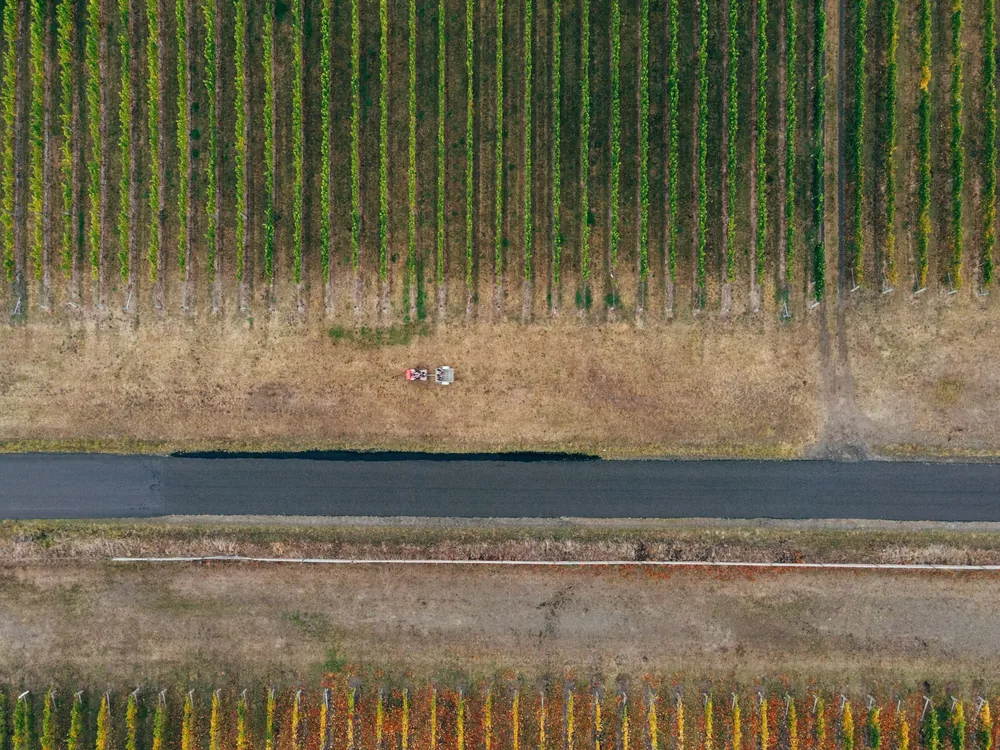
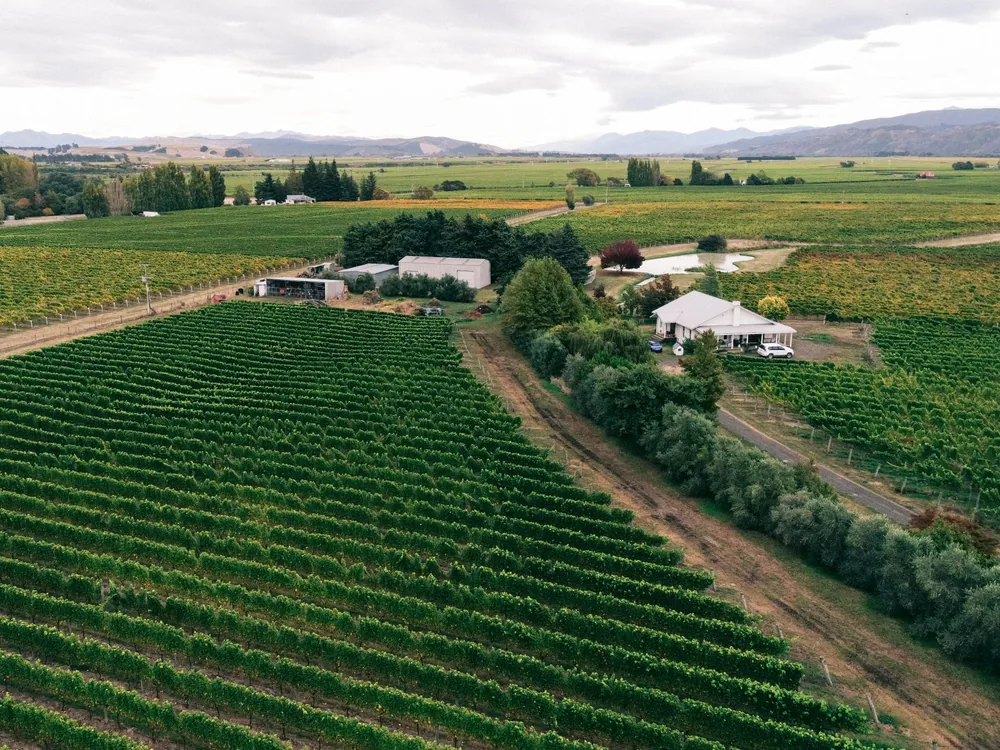
I was reading an article written by Nolan Moore, August, 2014 on ListVerse and wanted to share some rather interesting, lesser known facts about wine. For example, while we don’t really think of wasps as being our friends (the author calls them hypodermic needles with wings), they are critical to the development of grapes used in winemaking.
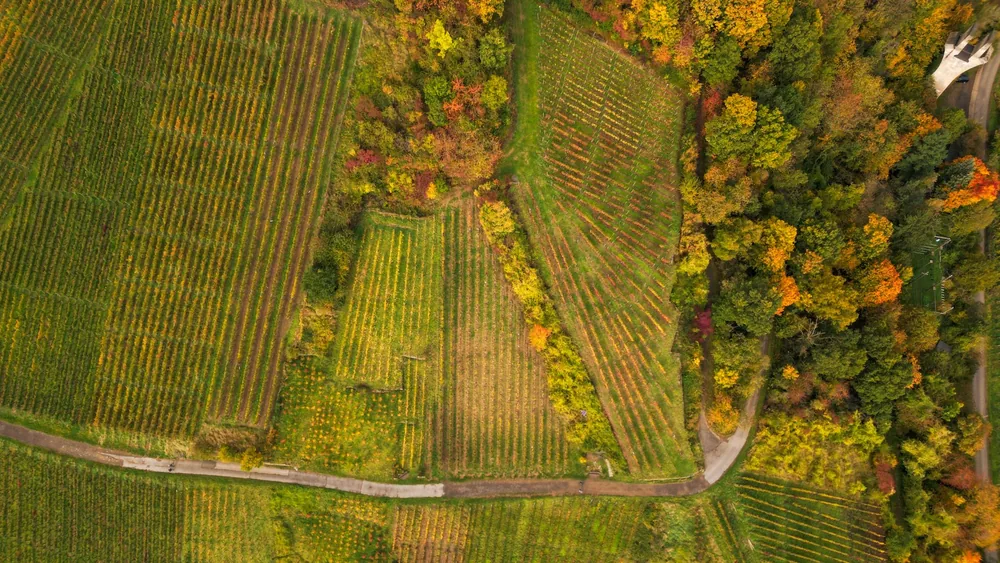
It would seem wasps love grapes. Grapes grow a fungus called Saccharomyces cerevisiae. This fungus is crucial in making wine, beer, and bread. Even though the winemaker will add more yeast later, without the natural fungus being present, the wine is just simply not as flavorful.
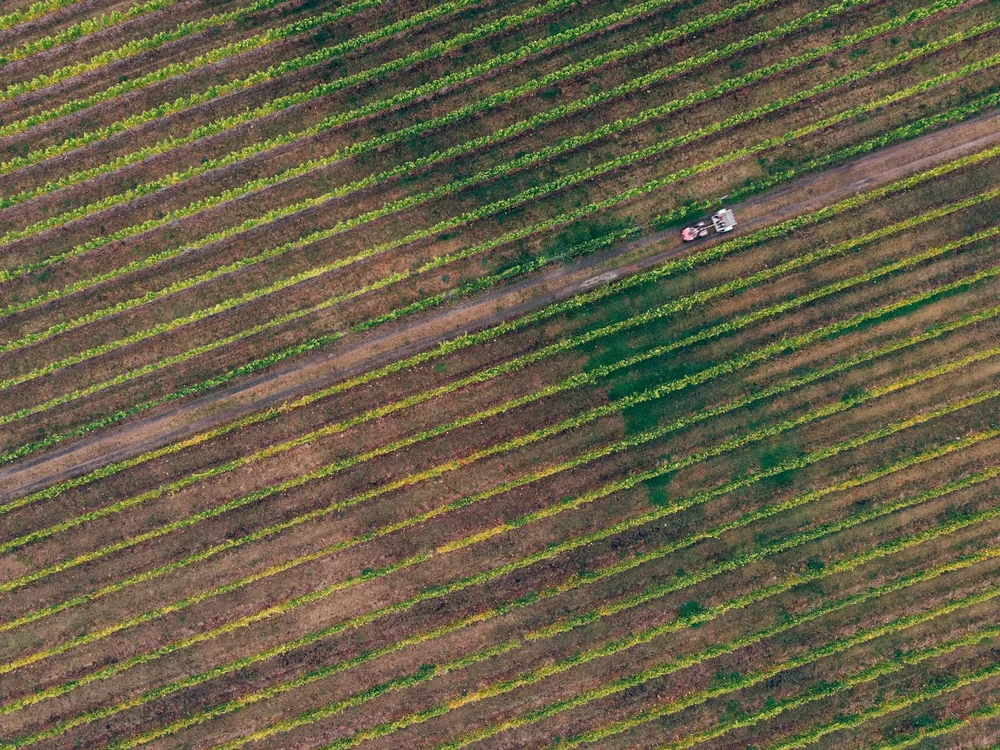
S. cerevisiae, unfortunately, dies off each winter. That’s where wasps do their magic. They ingest the fungus then return to their nests to share the masticated mush with their larvae. The fungus will not only survive in the stomachs of the adult wasps, but will also be passed to the larvae. As they mature and go for their first grape binges, the fungus is passed back into the grapes. Thus, we have a new, delicious vintage with each passing year. I’ve a new found respect for wasps.
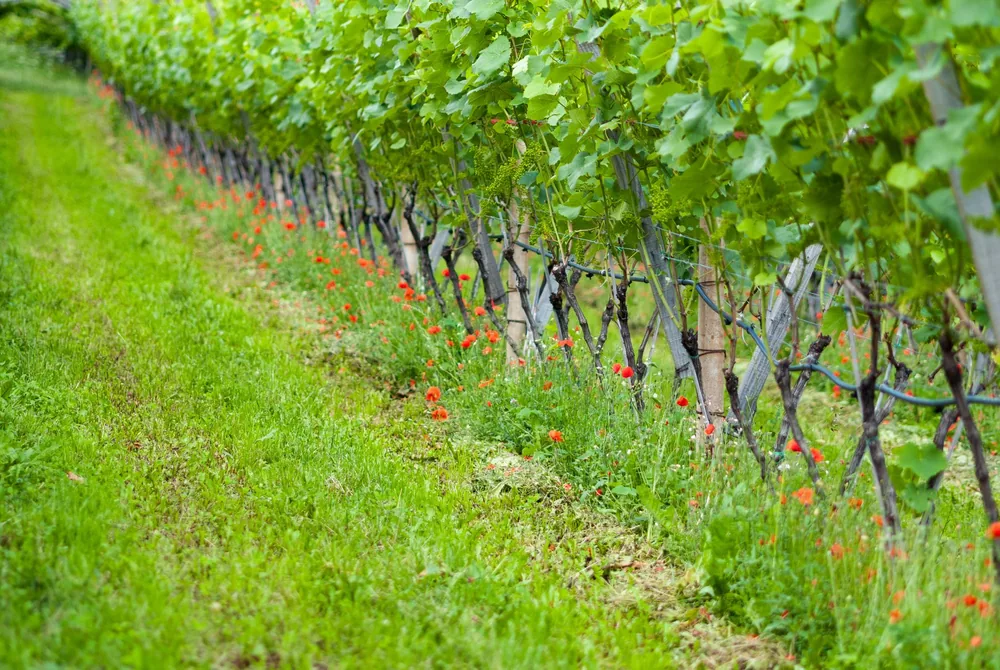
The first wine in space, you ask? 1969, Buzz Aldrin. The writer writes, “…a small vial of wine boldly went where no beverage had gone before.” If you’re a Trekie (which I am), you’ll get it. Buzz held the first communion on the Moon.
In the 1970’s, Charles Bourland found a way to package Sherry, a fortified wine, and send with the astronauts participating in the Apollo program. Working with the University of California, he found a way to package the wine so that it did not lose its flavor. This consisted of a specialized, plastic, package with a straw inserted. A simple squeeze, and the spacemen could enjoy a lovely sip of wine.
Alas, to quote the author, “When the public learned of the plan, teetotalers around the nation rose up in righteous anger…” NASA pulled the plug, or one could say that they plugged the straws and the initiative was cancelled. A backward step for mankind.
Lastly, I’ll leave you with this. Benjamin Franklin said that wine is “constant proof that God loves us and loves to see us happy.” Thanks again Nolan Moore for a wonderful article!
Happy Wining Everyone!
Yeast, the invisible half of winemaking
Fermentation is the work of yeast, and until the nineteenth century nobody knew that. Grape skins and vineyard surfaces carry a mixed population of yeasts and bacteria, and for most of history wine simply began fermenting on its own once the fruit was crushed. That the process worked at all was treated as a property of the grapes rather than of the microbes living on them.
Modern cellars can go either way. Inoculating with a selected strain gives a predictable, reliable fermentation, while relying on the population already present gives a more variable one that some producers value for its complexity. Both approaches are used deliberately, often within the same cellar for different lots.
| Trait | Selected yeast | Ambient yeast |
|---|---|---|
| Speed of start | Fast and predictable | Slow, sometimes days |
| Risk of stalling | Low | Higher |
| Aromatic outcome | Consistent to the strain | Variable, often more complex |
| Control | High | Requires close monitoring |
| Common use | Large volumes and delicate whites | Small lots and site-driven wines |
Insects, birds and the vineyard ecosystem
A vineyard is a farm, and the organisms living in it matter more than the tidy rows suggest. Beneficial insects control vine pests, cover crops feed soil life and hold soil in place, and raptor perches and owl boxes are now common as a way of managing rodents without poison. Growers who once cleared everything between rows now often plant it deliberately.
Some of those relationships are surprisingly specific. Certain wasps carry fermentation yeasts through the winter in their guts and return them to fruit the following season, one of several routes by which the microbial population of a vineyard persists from year to year. It is a good reminder that the ingredients of wine are not limited to grapes.
Wine, ships and space capsules
Wine has followed people into almost every difficult environment, largely because it kept better than water for most of history. Amphorae recovered from Mediterranean shipwrecks show how routine the long-distance wine trade was two thousand years ago, and shipboard rations included wine well into the modern era. Fortification itself was a preservation technique before it was a style.
Space was the strangest destination. Wine was carried aboard an Apollo lunar module for a private communion in 1969, and NASA’s own record of the Apollo 11 mission documents the flight it traveled on. Proposals to include wine in later space food systems were developed and then dropped, and alcohol has not been part of American crew provisioning since.
The practical obstacles are considerable in any case. Carbonation behaves badly without gravity, glass is a poor material for spaceflight, and every gram of payload has to justify itself.
Cork, an agricultural product of its own
The cork in a bottle comes from the bark of a living tree, harvested by hand without felling it. A cork oak must grow for decades before its first usable harvest, and the bark is stripped only every nine years or so thereafter, which makes cork forests some of the slowest agricultural systems in commercial use. Those forests support significant wildlife populations precisely because they are never cleared.
Alternative closures exist for good reasons, chiefly consistency, and screw caps and synthetic stoppers now hold a large share of the market. None of that makes cork obsolete, and the choice of closure is a technical decision about how much oxygen a wine should meet over time rather than a signal of quality. Our wine skills and knowledge guides cover what each closure does in practice.
Old habits with real explanations
Several familiar wine customs turn out to have practical origins. Holding a glass by the stem keeps the hand from warming the wine, the punt in the base of a bottle adds structural strength and makes bottles easier to stack, and the deep color of most wine bottles blocks light that would otherwise degrade the wine.
Even the ritual of showing the cork has a purpose, since a cork soaked through its full length or badly dried out signals a storage problem. Sniffing it tells you very little, but looking at it can tell you something. Our notes on food and wine pairing deal with another old habit worth keeping, which is serving regional food with regional wine.
Words that outlived their origins
A fair amount of wine vocabulary is older than the practice it now describes. Vintage simply meant the harvest itself before it came to mean a year printed on a label, and a magnum and the larger bottle sizes above it carry names borrowed from biblical figures for reasons nobody has satisfactorily explained. Even the word cellar refers to a storage room rather than anything underground.
Knowing the literal meaning helps in practice. A vintage-dated wine is telling you when the fruit was picked, not when the wine was bottled or released, and those can be years apart.
Wine trivia FAQ
Does wine really contain only grapes?
Mostly, but not entirely. Yeast, and sometimes small additions such as sulfur dioxide for stability or fining agents used during clarification, are standard, though most fining agents are removed before bottling.
Why do some bottles have sediment?
Unfiltered wines and older reds throw a natural deposit of tannin, pigment and tartrate crystals. It is harmless, and standing the bottle upright before serving keeps it out of the glass.
Is a cork-sealed bottle better than a screw cap?
Neither is inherently better. Cork allows a very slow exchange of oxygen suited to long aging, while a screw cap is more consistent and well suited to wines meant to be enjoyed young.