
by Debra Williams
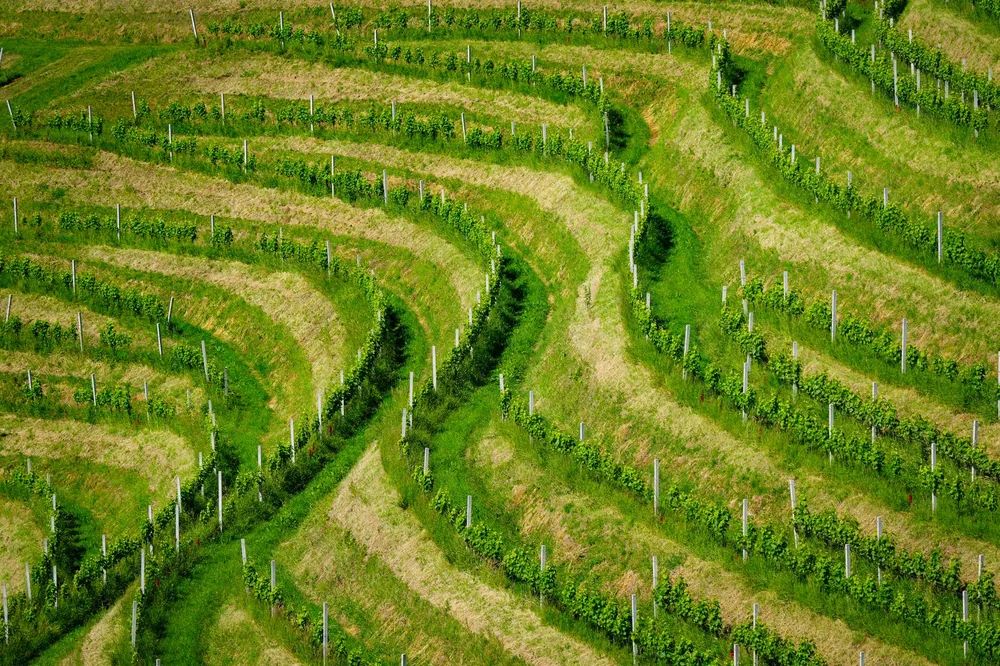
I thought, in this newsletter, I’d share with you some fun and/or unusual facts about wine. Away we go.
Did you know…
Oenophobia is an actual fear of wine. We, of course, hope none of our members has it.
It is always best to store wine laying down. If the bottle is standing upright, the cork can actually dry out and shrink causing it fall into the wine.
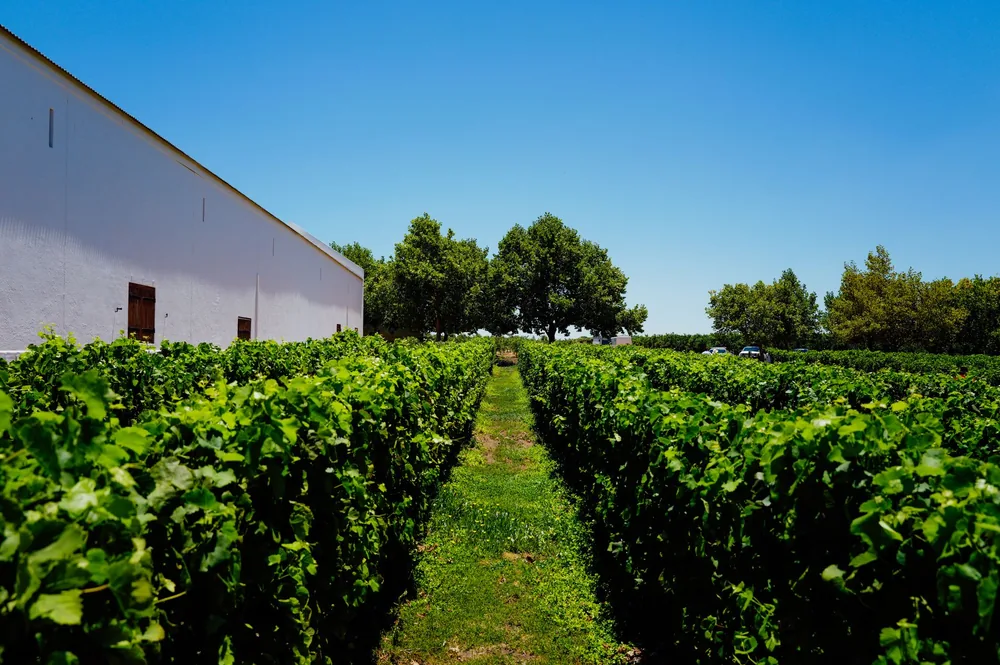
The oldest known wine cellar is still resting at the bottom of the ocean on the Titanic. It is thought to still be intact, based on observations from divers. The oldest bottle of wine was found near a town in Germany called Speyer. It has been dated to A.D. 325.
In Roman times, it was forbidden for a woman to drink wine. If a woman was found to be drinking wine, her husband had the right to kill her. Kind of brings a whole new meaning to the term “closet drinker”.
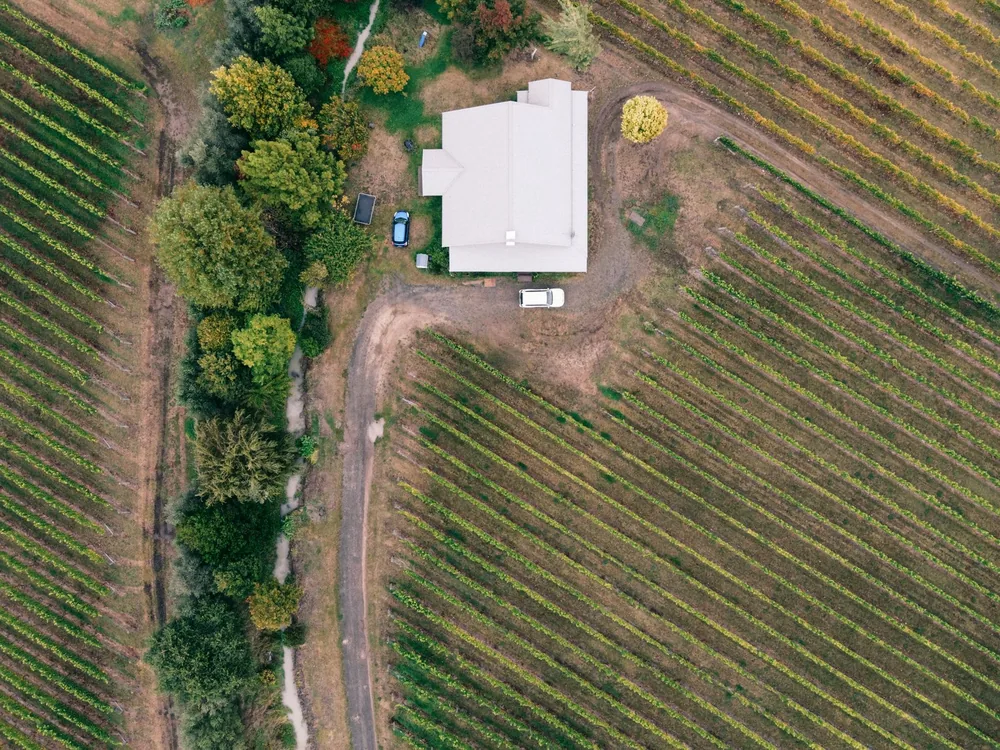
“Drinking to one’s health” came from the Greeks. The host of any dinner would take the first sip of wine to assure his guests that the wine was not poisoned. Seems like a fun crowd.
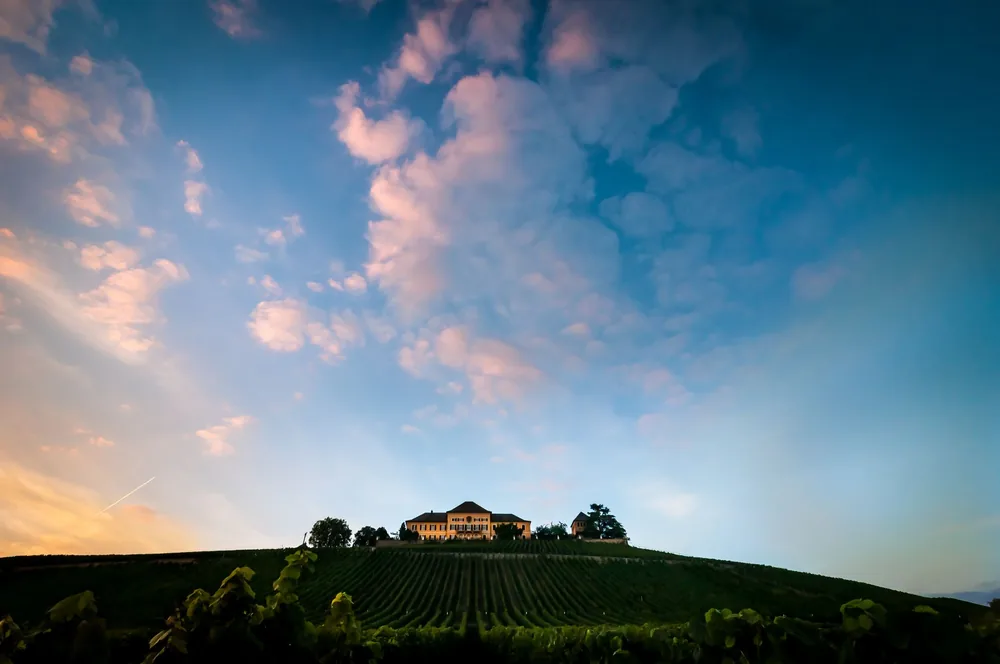
The four largest producers of wine are France, Spain, Italy, and California. We, of course, are very partial to the latter two. The complexity of the organic compounds found in wine is greater than that of blood serum, and one would have to drink 20 glasses of apple juice to get the same amount of antioxidants found in wine. It gets even better. Wine has no fat and no cholesterol. How great is that!
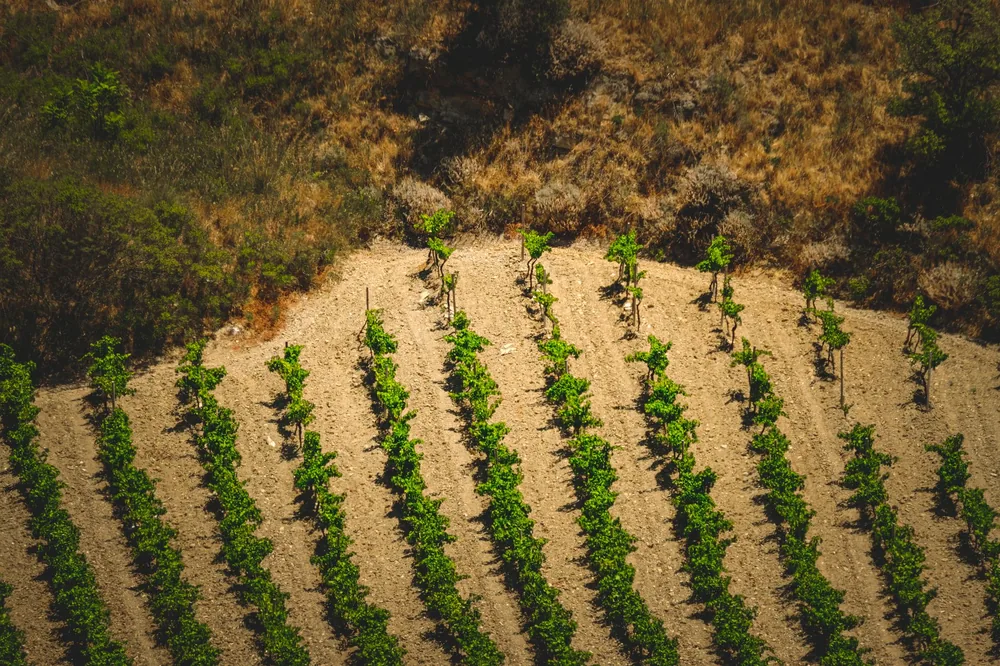
Drinking wine improves your sex life. An Italian study found that women who drink two glasses of wine daily, enjoy physical pleasure more intensely than women who do not. The country with highest consumption of red wine is China, 155 million 9-litre cases of red wine in 2013. France, Portugal, and Italy round out the top four. In the U.S., California, New York, and Florida take the lead for red wine consumption.
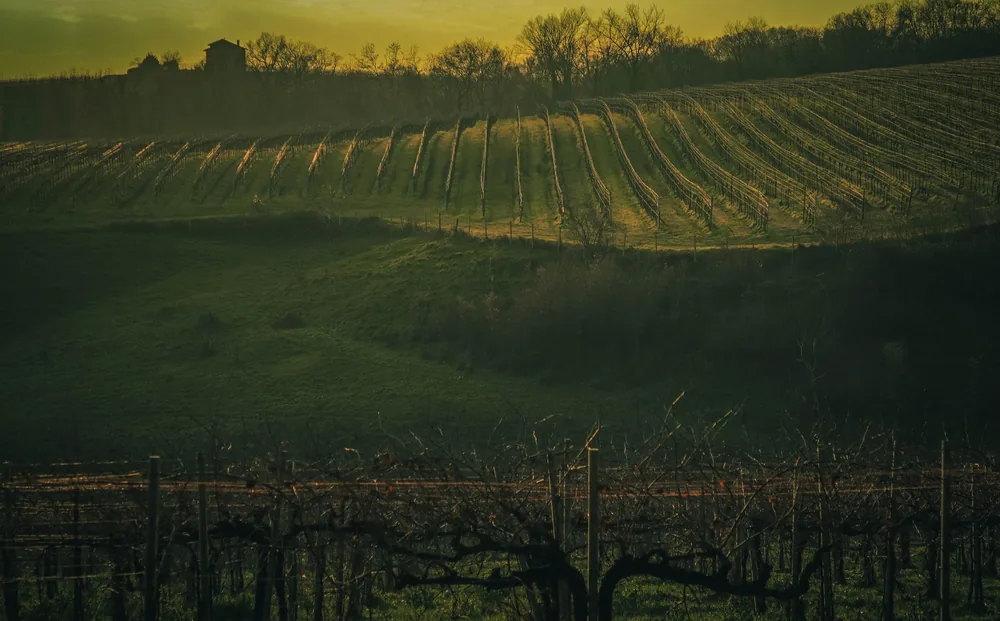
There’s an organization that utilizes wine tastings as an opportunity to raise funds to dig wells in Africa. They are called Wine to Water, https://www.winetowater.org/. Check out their website.
We at Celebrations, of course, believe wine to be the maker of great friends, great times, and great memories.
Cheers Everyone!
The Stories Behind a Few of These Facts
Wine trivia travels well because so much of it is genuinely strange, and a surprising amount of it turns out to be verifiable. The notes below add context to several items in the list above rather than extending it. Each one has a mechanism behind it that is more interesting than the fact by itself.
A Cellar on the Seabed
The wine and spirits carried by the Titanic went down with the ship and have been photographed in place on the debris field during survey expeditions. The conditions that far down are close to ideal for glass storage: near-freezing water, total darkness, no vibration, and no seasonal temperature swing. The wreck itself is protected, and NOAA’s page on the RMS Titanic describes the legal framework and the scientific expeditions to the site.
Whether the wine inside those bottles would be drinkable is a separate question. Corks under pressure for more than a century are unlikely to have kept a perfect seal, and seawater intrusion is the usual assumption. The bottles are historical artifacts rather than a cellar in any useful sense.
Roman Wine and the Speyer Bottle
The vessel found near Speyer survived because it was sealed with a thick layer of olive oil floating on the liquid, topped with a wax seal, which kept oxygen away far more effectively than any cork. That technique was standard practice in the ancient Mediterranean. The contents are cloudy and no longer resemble wine, and the bottle has never been opened.
Roman wine was also routinely diluted, spiced, and sometimes boiled down in lead vessels, so it would be barely recognizable to a modern drinker. Amphorae sealed with pine resin gave the wine a resinous character that survives in a few regional styles today. Ancient wine is best treated as a relative of the modern drink, not an ancestor with a straight line.
Why Bottles Lie Down
A cork stays sealed because it is swollen with moisture, and a bottle standing upright for years lets the exposed end dry, shrink, and admit air. Side storage keeps the wine against the cork and solves that. Bottles under screw cap or crown cap have no such requirement.
| Condition | What helps | What harms |
|---|---|---|
| Temperature | Steady, around 55 degrees | Swings, and anything above 70 degrees |
| Humidity | Roughly 60 to 70 percent | Very dry air, which shrinks corks |
| Light | Darkness | Direct sun and fluorescent light |
| Vibration | Stillness | Appliance motors and frequent handling |
| Position | On its side under natural cork | Upright for years under natural cork |
Toasting, Poison, and the Origin Story
The idea that toasting began as a demonstration that the wine was not poisoned is a popular explanation, but the customs it describes are hard to trace to a single source. What is documented is that the word toast comes from the spiced bread once floated in a cup of wine. Origin stories of this kind are worth enjoying without treating them as settled history.
The Vocabulary Itself
Most of the specialist words around wine come from a single Greek root, oinos, which gives oenology for the study of winemaking, oenophile for an enthusiast, and the fear named at the top of this newsletter. Viticulture comes from the Latin for vine and covers the growing rather than the making. The split between those two words is the same split that runs through every wine estate, between the vineyard and the cellar.
Other terms are less venerable than they sound. Sommelier once meant an official responsible for transporting a household’s provisions, and only later narrowed to wine service. Terroir has no exact English equivalent and is best read as the sum of site, climate, and local practice.
Facts Worth Checking
Wine attracts more folklore than almost any other agricultural product, partly because it has been written about for three thousand years and partly because so many claims are difficult to test. Production rankings shift from year to year with the harvest, and consumption figures depend heavily on whether they count volume, value, or per person. Any number attached to wine is worth reading with its date and its unit attached.
The habits that actually improve what is in your glass are less exotic than the trivia. Serving temperature, glass shape, and storage do more for a bottle than any fact about it, as the wine skills and knowledge guide lays out. For bottles opened at a milestone, the wine for celebrations guide covers the planning side.
Wine Trivia FAQ
Does old always mean valuable?
No. The overwhelming majority of wine is made to be drunk within a few years and simply declines after that. Age adds value only for wines built with the tannin, acid, and concentration to survive it.
What is the oldest wine anyone can still drink?
Fortified wines such as Madeira are the usual answer, because their production process makes them extraordinarily resistant to heat and oxygen. Bottles from the nineteenth century are still opened and enjoyed. Ordinary table wine of that age is a museum piece.
Are the dark green bottles just tradition?
Colored glass screens ultraviolet light, which degrades wine and produces the stale, cabbage-like aromas known as lightstrike. Clear bottles look attractive on a shelf but offer no such protection. More background sits in the hot topics archive.