
When my daughter took a job in London at the end of April, little did I know that I would be visiting her during the historic referendum of 23 June, when the brave people of England voted to extract themselves from the European Union and create their very own destiny.

Apart from the tourists, whose currency immediately got stronger against the pound, the mood on the streets became markedly somber after the vote, at least in London, which overwhelmingly supported remaining in the EU. When I asked a local wine clerk if he was selling more or less wine since the election, he looked out the window in despair, mumbling an answer I couldn’t hear.
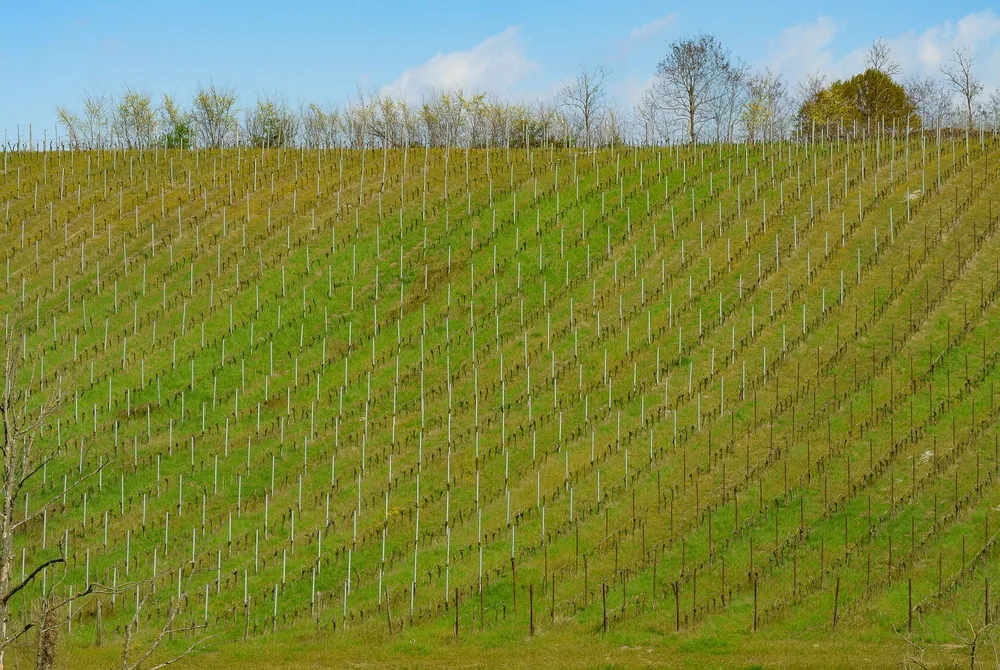
My intention was to taste as much beer and cider as I could in this land that is famous for both, to see if wine industry panic over its consumption is indeed valid. Has cider and craft beer become so delicious that it will seriously cut into wine consumption as the industry fears?

Instead of fully engaging with my research, I’ve been glued to my laptop, reading reports on the EU exit as history unfolds. So I don’t claim to have tasted as many ciders and beers as would make my research thoroughly reliable. But so far, I would say to the wine industry, “Calm down. Nothing will replace wine. It is the most varied, nuanced, and delicious alcoholic drink in the world.”
I am enjoying cider, but I haven’t yet found the sweet spot. It tastes either too much like apple juice on the sweet side or not enough like apples on the dry side.
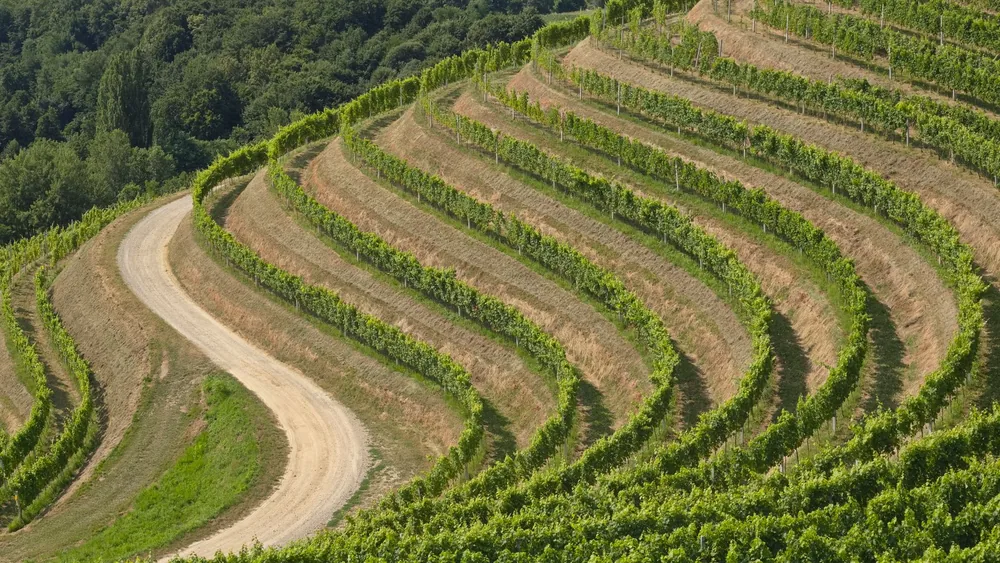
I much prefer beer, which is more varied, ranging from the rich and murky to the lean and golden. By accident, I tasted the legendary Pliny the Elder before it developed its world- class reputation. I saw it listed on a chalkboard menu in a tiny out-of-the-way café in San Francisco and ordered it because I was seduced by its name. It was astoundingly good. Interestingly, I haven’t yet tasted an English beer that delicious.

But as much as I enjoy beer, I would not want to drink it everyday like I do wine. Beer is beer, predictably enjoyable, especially when the weather warms, but not a drink for all occasions, all foods, or all seasons like wine is. Ultimately wine presents an infinite variety of flavors and sensations. No two bottles, even of the same wine, are the same. And exactly those differences create the intrigue that each bottle provides when you take the first sip or even the last in the glass.

In my opinion, those, who truly pay attention to what they’re drinking, soon want to get acquainted with wine. In fact, that’s exactly what Millennials are doing. The generation is now the largest consumer of wine in the US. So let them drink the occasional cider or beer, which is lower in alcohol than wine, much less costly, and definitely enjoyable. Cider and craft beer have a place on the menu but will never dominate it.
Why comparing wine, beer and cider is not straightforward
All three drinks are fermented rather than distilled, and all three depend on yeast converting sugar into alcohol. The differences begin with where the sugar comes from and how much of it is available. Grapes arrive at the winery with enough natural sugar to reach table wine strength, while brewers must convert starch from malted grain into fermentable sugar before fermentation can begin at all.
Apples sit between the two. Cider apples carry sugar in a lower concentration than wine grapes, which is why traditional ciders finish at strengths closer to beer than to wine. That ceiling is chemistry rather than choice, and it shapes how each drink is served and how much of it a person comfortably drinks at a sitting.
Public health guidance handles the difference by converting everything to a standard measure. The National Library of Medicine’s MedlinePlus overview of alcohol sets out how a standard drink is defined across beer, wine and spirits, which is the only fair way to compare a pint with a glass.
Three fermented drinks compared
The table below sets out structural differences rather than flavors, since flavor is where personal preference takes over entirely.
| Trait | Wine | Cider | Beer |
|---|---|---|---|
| Fermentable base | Grape juice | Apple or pear juice | Malted grain |
| Extra conversion step | None needed | None needed | Mashing converts starch to sugar |
| Typical strength | Roughly 11 to 15 percent | Roughly 4 to 8 percent | Roughly 4 to 6 percent |
| Usual serving size | Small glass | Half pint to pint | Half pint to pint |
| Vintage variation | Central to the category | Present in traditional styles | Largely engineered out |
What each drink is built to do
Beer is designed for consistency. A brewery that produces the same beer every week is doing its job well, and drinkers reward that reliability, which is why brewing controls variables a winery deliberately leaves alone. The result is a drink you can count on and rarely need to think about.
Wine works in the opposite direction. A vintage is an accident of weather recorded in liquid form, and the producer’s craft consists of responding to it rather than erasing it. That is why the same label tastes different from one year to the next, and why comparing bottles becomes a lasting interest rather than a single verdict.
Cider borrows from both traditions depending on the maker. Large producers treat it as a consistent branded drink, while traditional cider makers press specific apple varieties from named orchards and let the year show, much as a winemaker does. Anyone curious about how a drink can encode a place will find our notes on building practical wine knowledge a useful next step.
At the table, the differences matter more
Carbonation and bitterness are the two features that decide how a drink behaves with food. Beer’s carbonation and hop bitterness cut through fat and salt, which is why it partners so well with fried food. Wine’s acidity and tannin work across a wider range of dishes, which is the practical reason it appears at more meals.
Strength matters too across a long meal. A drink at five percent can accompany several courses without difficulty, while a wine at fourteen percent asks to be poured in smaller measures. Our guidance on matching food and wine works through the same trade-offs course by course.
Why one category rarely swallows another
Drinks categories tend to grow by taking new occasions rather than by taking each other’s customers. A household that adds cider to summer afternoons has not necessarily removed wine from dinner, and surveys of drinking habits usually find the same people moving between categories by season and setting. Panic about substitution generally overstates how exclusive those choices are.
What does move between categories is attention. A generation that learns to notice differences in one fermented drink tends to carry that curiosity into the others, which is why the growth of small breweries and small wineries has so often happened in the same decades and the same towns.
FAQ: wine, cider and beer
Is cider technically a wine?
In regulatory terms it often is. Many jurisdictions classify fermented fruit beverages under wine rules, with cider treated as a separate class within that category depending on its strength and carbonation.
Why can wine reach a higher alcohol strength than beer or cider?
Because grape juice starts with more sugar available for fermentation. Brewers and cider makers can raise strength through additional processing, but their natural starting point is lower.
Does lower alcohol make a drink lighter in every sense?
Not necessarily. A dark beer at five percent can taste heavier and more filling than a crisp white wine at twelve, because body comes from residual sugar, carbonation and dissolved solids as well as from alcohol.