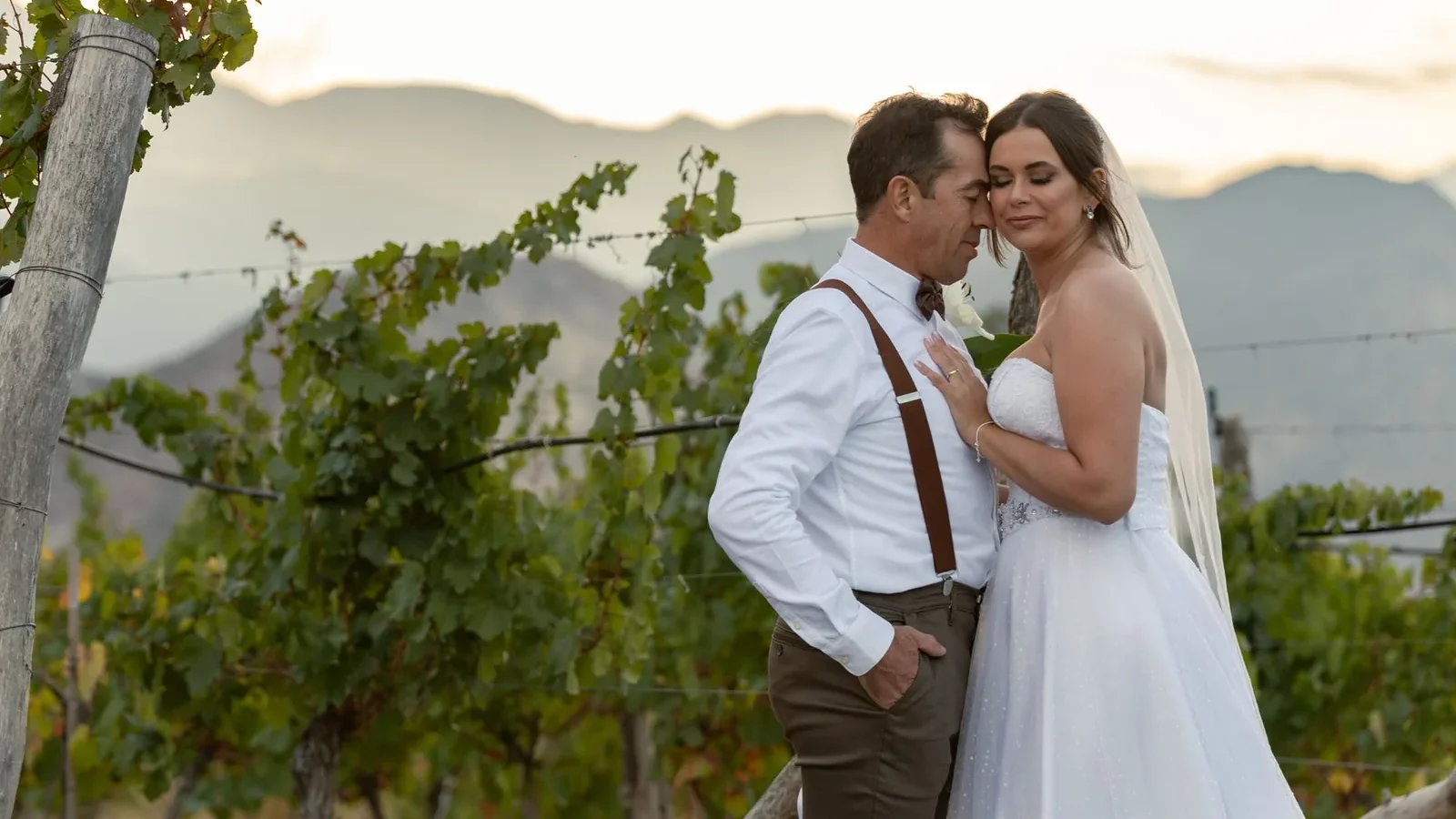
Is it not the season for weddings? Recently, my nephew had the most beautiful outdoor wedding, rustic barn theme. Handsome groom. Gorgeous bride. It brought a tear to the eye. Champaign and wine were a big part of the ceremonial event. Which, of course, we are always more than happy to provide (insert commercial here).
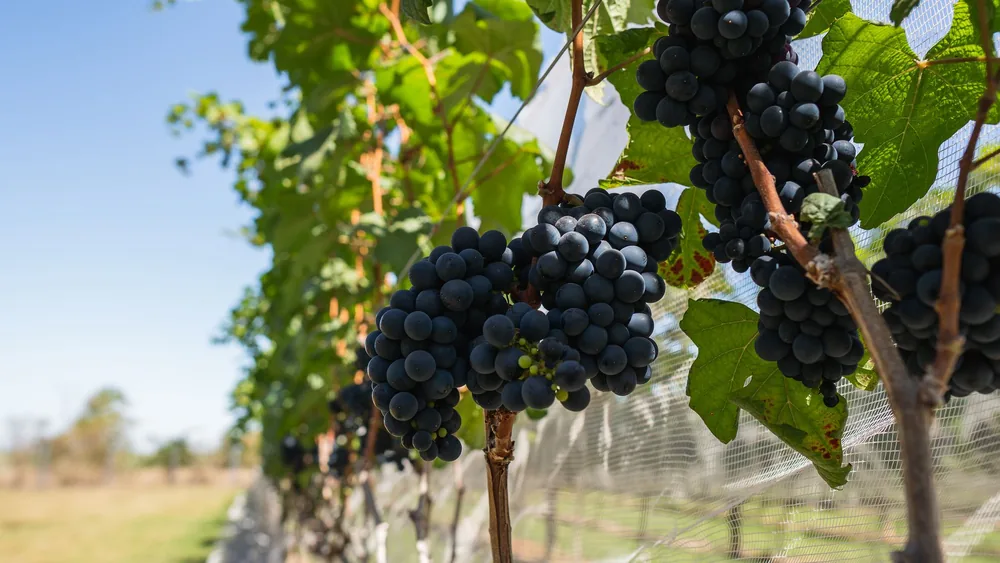
I got to thinking. I wonder if there were any love stories centered around wine. Could wine bring two people together?
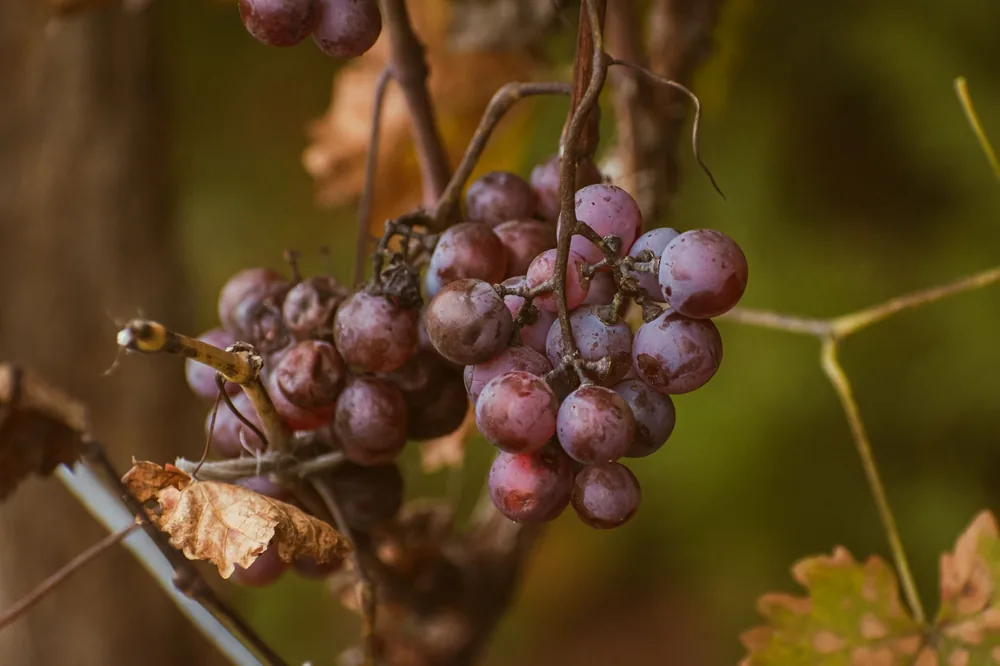
I found a lovely story written by Courney Schiessl in Vinepair and wanted to share. I find it extra exciting when it is an area or a vineyard that we’ve actually visited. The story goes as follows:
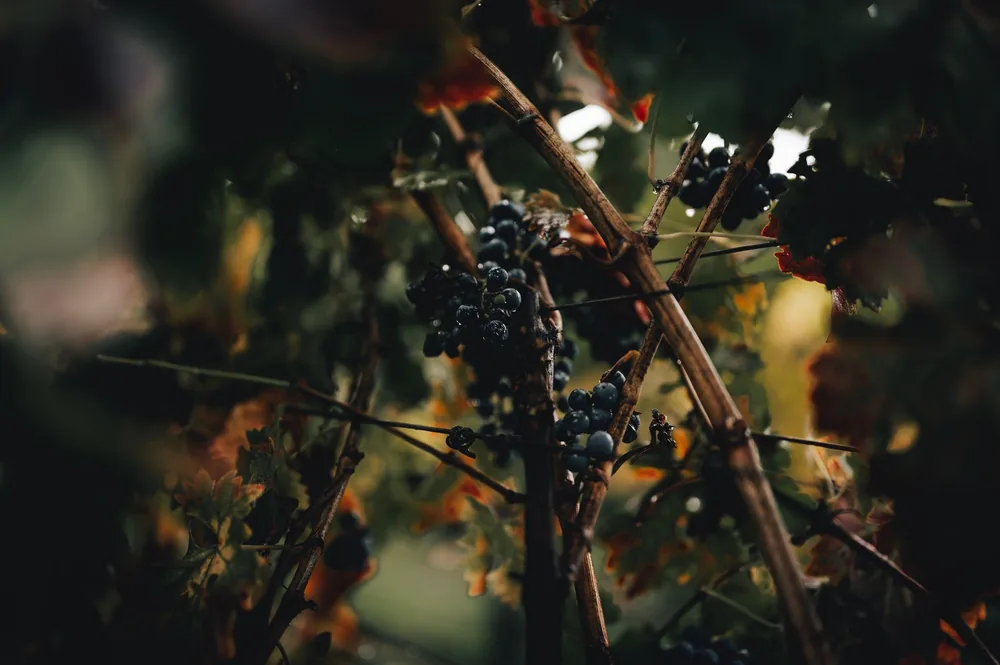
‘It all started not in the U.S., but in Italy, where, in the late 1800’s, 19-year-old Giuseppe Martinelli fell in love with 16-year-old Luisa Vellutine. But when the Tuscan winemaker declared his intention to marry Luisa, his family decried the wedding, declaring that Luisa was an improper social class. Determined to be together, the young couple left behind their homes and families and eloped to California’s Russian River Valley. Here, Giuseppe worked in vineyards until he had saved up enough money to buy his own land that happened to include the famed Jackass Hill, which to this day is the core of Martinelli’s vineyards. Working side-by-side, both literally and metaphorically, Luisa and Giuseppe planted Zinfandel and Muscat of Alexandria vines, begging the Martinelli legacy. As Giuseppe sold grapes and wine in San Francisco (via horse and surrey!), Luisa pruned vines, cared for the children and even took to shooting wild turkey and quail, putting dinner on the table for the family upon Giuseppe’s return.’ I imagine such a hearty, capable, strong couple.
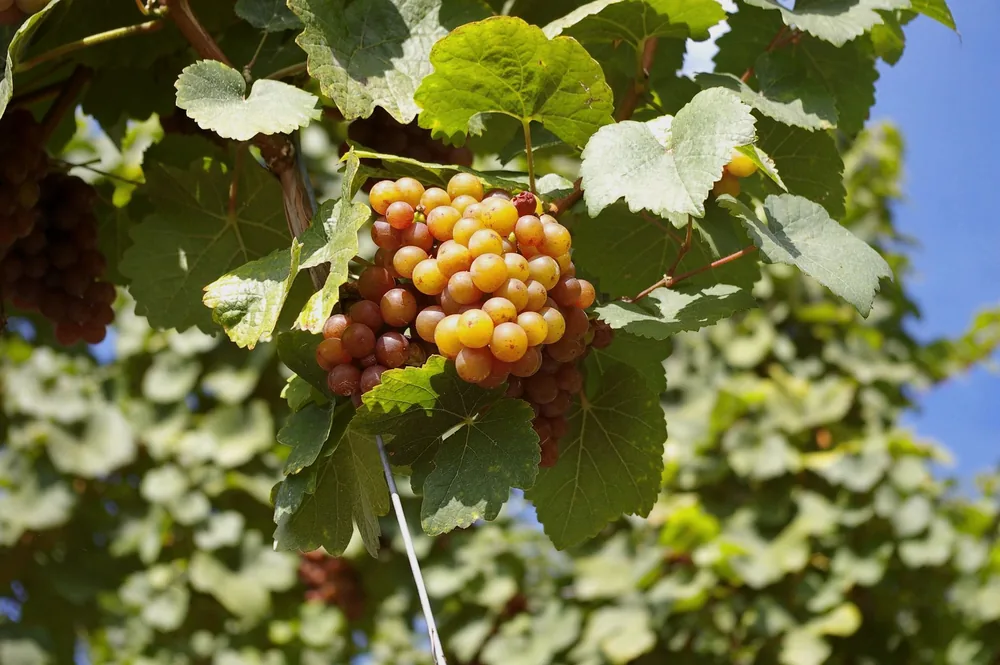
Fast forward to today, the Martinelli descendants are still producing well respected Zinfandels, Syrah, and Pinot Noirs, along with single-vineyard Chardonnays. From Giuseppe and Luisa’s lineage would also come Three Sisters Vineyard, another maker of great Chardonnays.
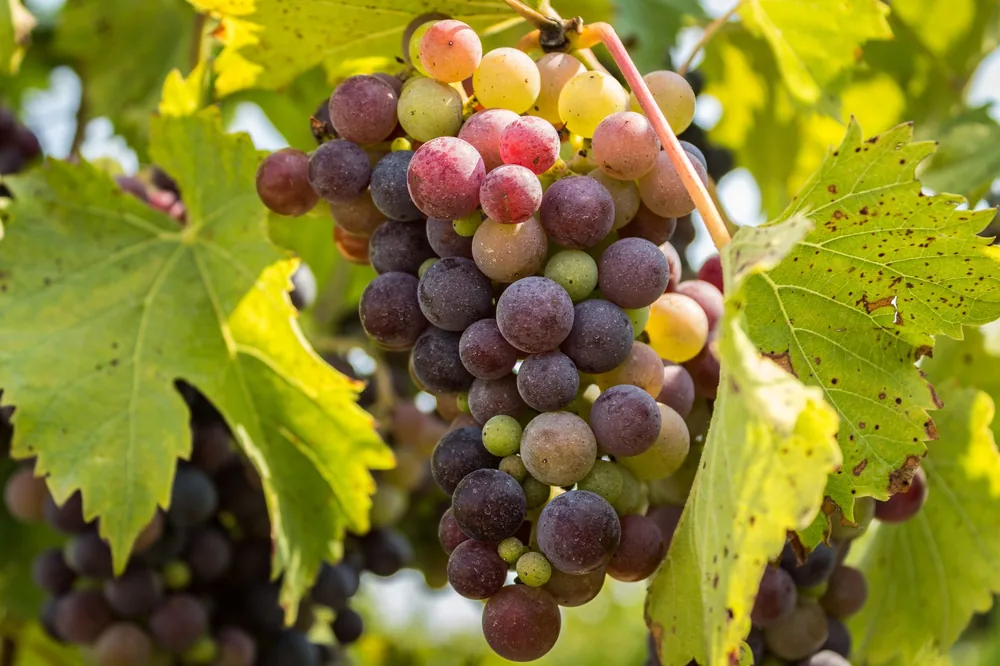
Theirs is really a very remarkable story. From determined love (and lots of hard work), did indeed come some fantastic wines.
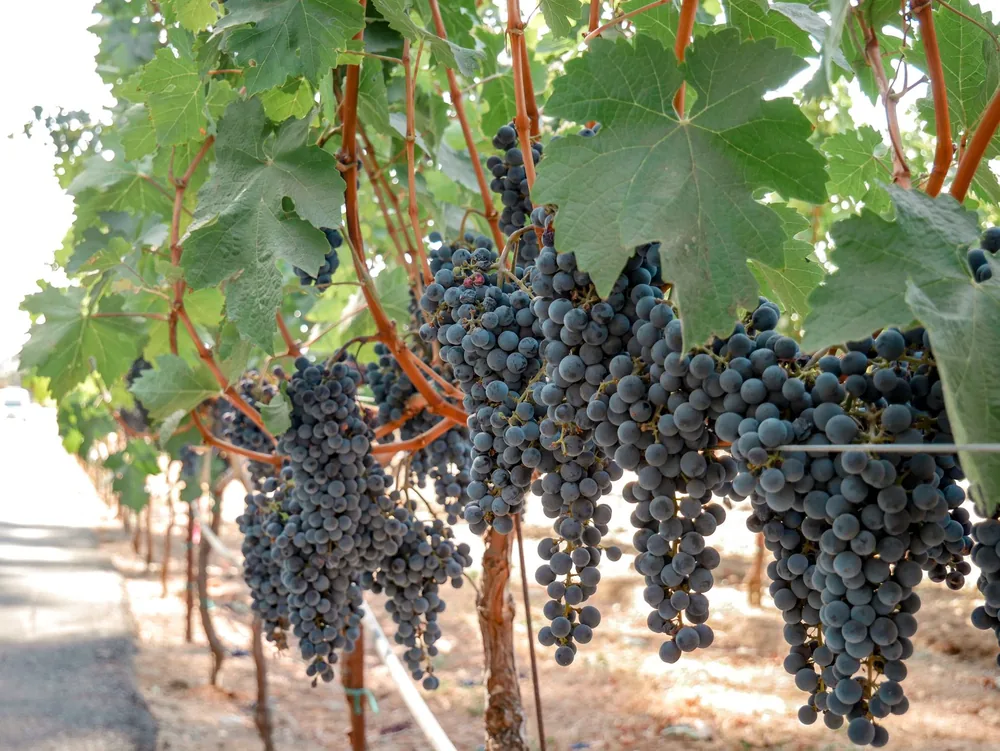
So as the summer comes to an end and the wedding season fades into another winter, a toast to all those couples out there and their significant others. To the dedication. To the good times and the bad. To the hard work it takes sometimes to hang in there.
Happy wining and cheers to you all!
Italian Families and California Vineyards
The story above belongs to a much larger pattern. Italian emigration to the United States peaked between the 1880s and the 1920s, and a significant number of those arrivals came from farming families in regions where vines were part of ordinary agriculture. California offered a climate close enough to home that the skills transferred directly, which is why Italian surnames run through the history of Sonoma, Napa, and the Central Valley alike.
Those families arrived with practical knowledge rather than capital, so the usual path ran from vineyard labor to leased ground to owned land over a generation. The National Park Service’s overview of immigration history in the United States gives the wider context for that movement. Wine growing was one of the few trades where the knowledge an immigrant family already had was immediately worth money.
Prohibition and the Family Vineyard
Prohibition closed commercial wineries but left a household exemption for a limited quantity of fruit juice made at home, which kept demand for grapes alive even as the wine business collapsed. Growers survived by shipping fruit east by rail to home winemakers in the cities. That trade is a large part of why old vineyards survived at all through the 1920s and early 1930s.
Why the Russian River Valley Grows What It Grows
Cool air and fog push inland from the Pacific through gaps in the coastal hills, and the Russian River corridor is one of the routes it takes. Fog sits low overnight and into the morning, burns off by midday, and returns in the evening, which shortens the effective heat of the day and slows ripening. Grapes that hang longer at moderate temperatures accumulate flavor while holding on to acidity.
Elevation and soil complicate the picture within a short distance. Hillside sites sit above the fog line and get more sun, while benchland and river terrace soils differ sharply in drainage and vigor. Those variations are the reason neighboring vineyards in the same appellation can produce quite different wine, a pattern traced through the Sonoma County region guide.
Planning Wine for a Wedding
The arithmetic of pouring for a crowd is simple enough to do on paper. A standard 750-milliliter bottle holds about 25 ounces, which is five generous five-ounce pours or roughly seven smaller toast pours. Planning on half a bottle per guest for a dinner, plus a separate count for the toast, covers most receptions without excess.
| Consideration | Sparkling toast | Wine with dinner |
|---|---|---|
| Pour size | Around 3 to 4 ounces | Around 5 ounces |
| Pours per bottle | Six to eight | Five |
| Bottles for 100 guests | Roughly 14 to 16 | Roughly 40 to 50 across the meal |
| Serving temperature | 42 to 48 degrees | 48 to 65 degrees by style |
| Glass | Flute or tulip | Standard tulip bowl |
Timing matters as much as quantity. Sparkling wine needs several hours in a refrigerator or about thirty minutes in an ice and water bath, and reds served straight from a warm room will taste heavy and alcoholic. A large event usually needs somewhere to hold bottles at temperature, not merely somewhere to store them.
Celebrations Wine Club shipped wine for celebrations of exactly this kind for twenty-five years and stopped shipping in December 2019, so the planning notes gathered in the wine for celebrations guide now stand as reference material rather than as a service. The choices behind the grapes themselves are set out in the California grapes and styles overview.
What the Sweetness Terms on Sparkling Wine Mean
Sparkling wine labels use a scale that runs counter to intuition. Brut nature and extra brut are the driest, brut is dry and by far the most common, and extra dry is noticeably sweeter than brut despite its name. Sec and demi-sec are sweeter again.
For a reception, brut suits the widest range of palates and does not clash with savory food. Anything labeled extra dry or demi-sec works better alongside cake than alongside the meal. Knowing where those terms sit on the scale prevents the most common mistake at an event.
Zinfandel and the Old Vineyards
Zinfandel was widely planted in California well before Prohibition, often in field blends alongside other varieties in the same rows, which is why many surviving old vineyards contain a mixture rather than a single grape. Those plantings are head trained and dry farmed, producing small crops from deep-rooted vines. Their survival is largely accidental, since replanting was rarely worth the cost.
Wedding Wine FAQ
How far ahead should wine for an event be acquired?
Far enough that the bottles can rest and be brought to temperature without a rush, which in practice means at least a week. Wine shaken in transit benefits from a few days standing still. Chilling capacity, not supply, is the usual last-minute constraint.
Is sparkling wine necessary for a toast?
Not at all, though bubbles carry aroma upward and make a small pour feel ceremonial. A crisp white or a dry rose serves the same function. The point is a glass in every hand at the same moment.
How much wine goes unopened at a typical reception?
Consumption falls off sharply after the first two hours, so quantities based on the whole event length usually overshoot. Buying in a way that allows unopened bottles to be kept is the practical hedge. Leftover sparkling wine, once opened, will not survive the night.