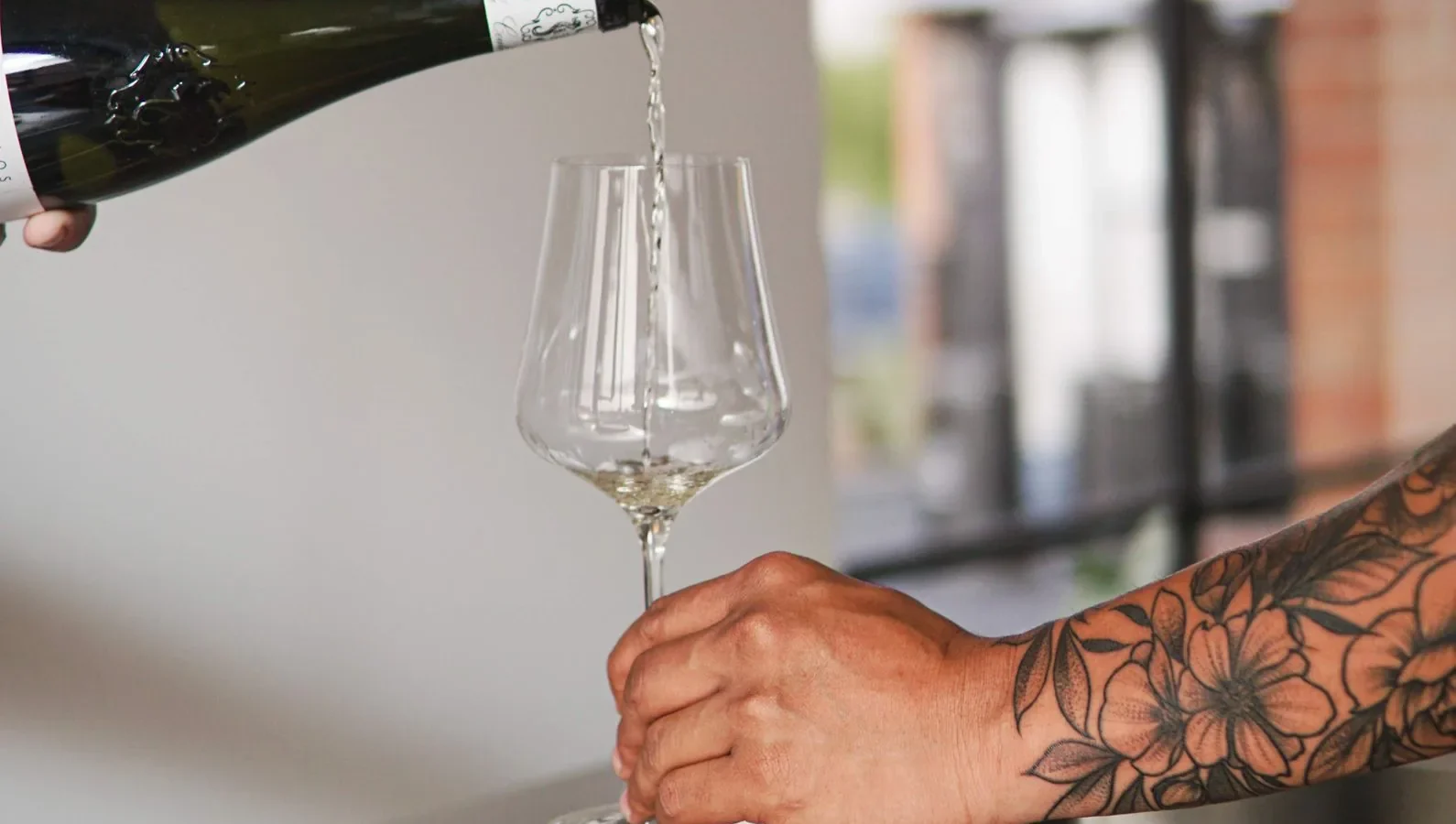
These days, whenever I ask winemakers what’s new, the answer is always the same whether they reside in California or Italy. Without hesitation, they answer “white wine.” Winemakers are anticipating that the consumer’s perpetual search for something different will swing to whites after over a decade, during which they overwhelmingly devoted their attention and dollars to reds. As white wine continues to engender enthusiasm, I’m looking forward to adding a white option to the Winemaker Series on both the Californian and Italian sides.
Inspiration for the so-called “New Whites” began in northeastern Italy about ten years ago when young winemakers there began to make white wine like their grandfathers did, fermenting it with the skins like red wine, and if not that, at least soaking the juice with the skins much like Rose` is made instead of immediately separating the two as is the common practice for whites. The results of skin contact are much richer color, aroma, flavor, and texture. The other winemaking innovation was to diminish the influence of oak barrels so that the flavor of the grape would emerge supreme. So winemakers fermented in neutral oak barrels, which didn’t impart flavor, or in small stainless steel tanks instead of large ones, where the wine had more contact with the lees, the solids that fall out of solution and sink to the bottom of the container. Some winemakers feel that concrete barrels are especially appropriate for this richer white wine.
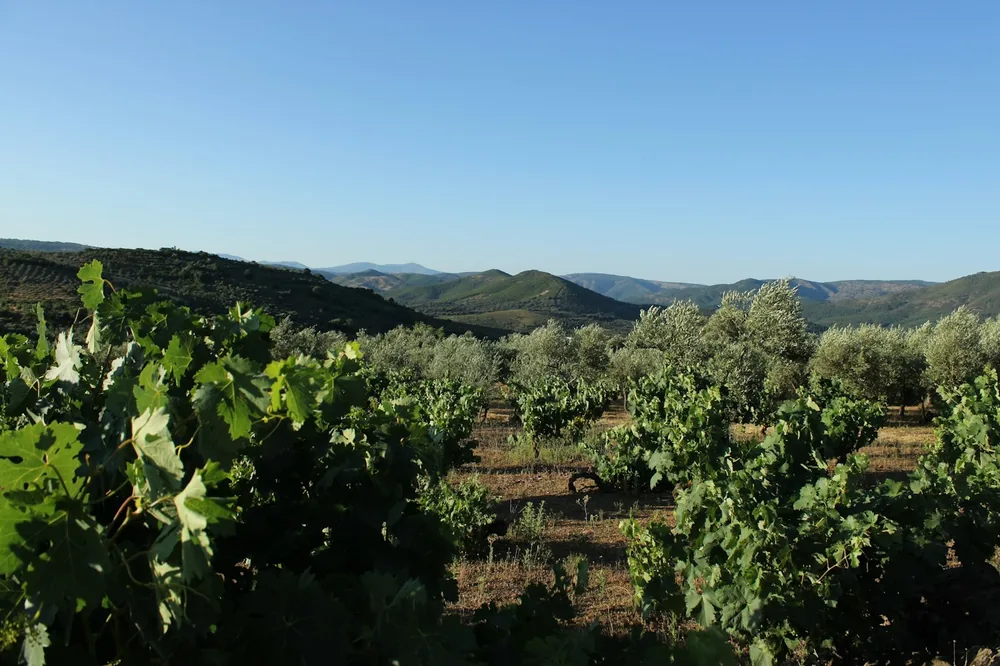
But apart from winemaking technique, in California the race is on for finding old vineyards planted with yesteryear’s white grape varieties like Semillon, Colombard, Riesling, Chasselas, and Muscadelle, among others, all but forgotten after the advent of Chardonnay and Sauvignon Blanc. Surviving California vineyards were likely to have various grape varieties planted together like the old red field blends. So the new whites may be blended wines instead of single varietals. Apart from the vineyard source, winemakers may prefer to blend for more complex flavor.
If not older plantings, winemakers are looking for unusual white varietals that are relatively new to California, especially Spanish and Italian winegrapes. Spanish whites like Albarino and Verdelho are attracting California winemakers as are Italian winegrapes like Ribolla Gialla, Tocai, and Arnais, which is not to say that Sauvignon Blanc and Chardonnay aren’t getting the same intensity treatment.
You’re likely to pay over $30 a bottle for these “New Whites” because they can require more love and care than Cabernet Sauvignon, and the fruit itself is likely to be expensive. Jon Bonne’, writing for the San Francisco Chronicle, highly respected by wine professionals for its impartial evaluations, recommends Matthiasson Napa Valley White Wine, Spotswood 2010 Napa-Sonoma Counties Sauvignon Blanc, and Arbe Garbe 2009 Russian River Valley White Wine among others. Almost any white wine from Friuli in northeastern Italy, but especially those from the Collio and Colli Orientali appellations, will be stunning examples of the pleasures that white wine can deliver. Known as “extreme winemakers,” Silvio Jermann leads the pack, together with Josko Gravner, Enzo Pontoni, and Edi Kante, among others, who are giving white wine the attention it deserves.
What skin contact does to a white wine
Conventional white winemaking separates juice from skins as quickly as possible, usually at the press, so that fermentation happens in nearly clear juice. Leaving the skins in contact reverses that decision and changes the chemistry of what ends up in the glass. Color, aroma compounds, tannin and a range of phenolic material all sit in and just under the grape skin.
The result is a white wine built more like a red. It carries deeper color, more texture across the palate and a mild grip that clear-pressed whites do not have, and it usually holds up to warmer serving temperatures. The technique is old rather than experimental, which is why the winemakers described above framed it as returning to what their grandfathers did.
Vessel choice compounds the effect. Neutral oak, stainless steel and concrete each contribute little flavor of their own, which leaves the grape and the fermentation as the sources of character, and smaller vessels increase contact between wine and lees. Extended lees contact adds its own creamy weight without any oak flavor at all.
Two approaches to white wine, side by side
Neither method is better than the other. They are aimed at different results, and the choice is usually made before the fruit reaches the press.
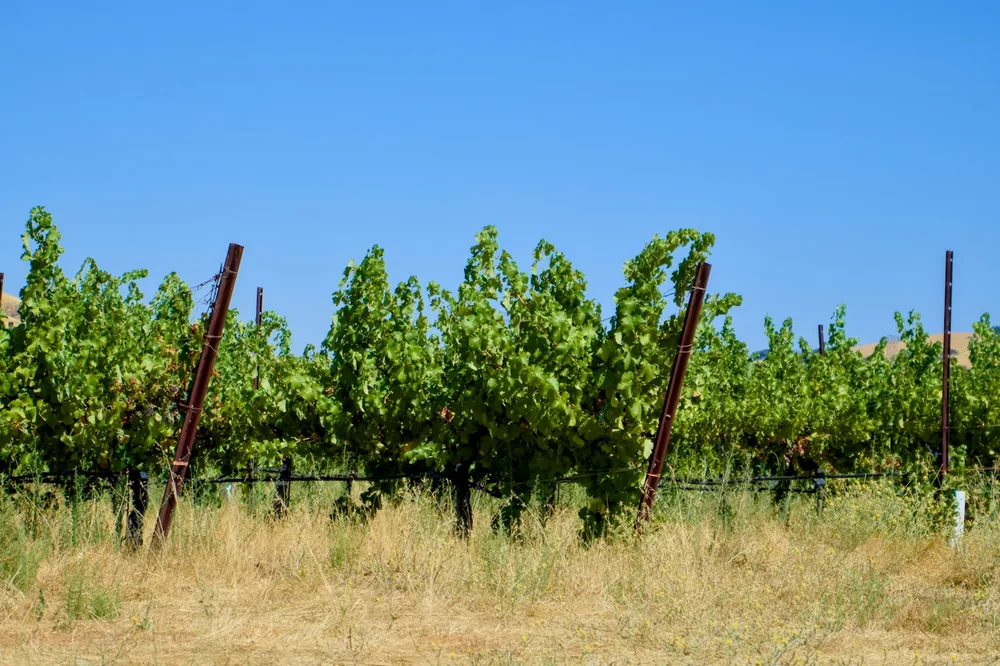
| Trait | Clear-pressed white | Skin-contact white |
|---|---|---|
| Juice handling | Skins removed at pressing | Skins left in contact, from hours to months |
| Color | Pale straw to light gold | Deep gold to amber |
| Texture | Light, driven by acidity | Fuller, with perceptible grip |
| Serving temperature | Well chilled | Cool rather than cold |
| At the table | Shellfish, salads, delicate fish | Cured meats, aged cheese, spiced dishes |
Why old vineyards became valuable
Old plantings matter for two separate reasons. They contain varieties that fell out of fashion and are no longer widely propagated, and they were often planted as mixed blocks rather than in the tidy single-variety rows that came later. Both features are difficult to recreate deliberately.
Age itself changes how a vineyard behaves. Older vines typically carry smaller crops with deeper root systems, which moderates their response to a dry season, and their fruit tends to ripen more evenly across the block. Replanting resets that clock by a generation, which is why growers hesitate before pulling out a surviving old block.
Field blends of that kind ferment together, which is not the same as blending finished wines. All the varieties are picked on one day at a compromise ripeness, so the wine records the vineyard as a whole rather than a set of separate decisions. Producers who work this way generally describe the vineyard rather than the grape when they explain the wine.
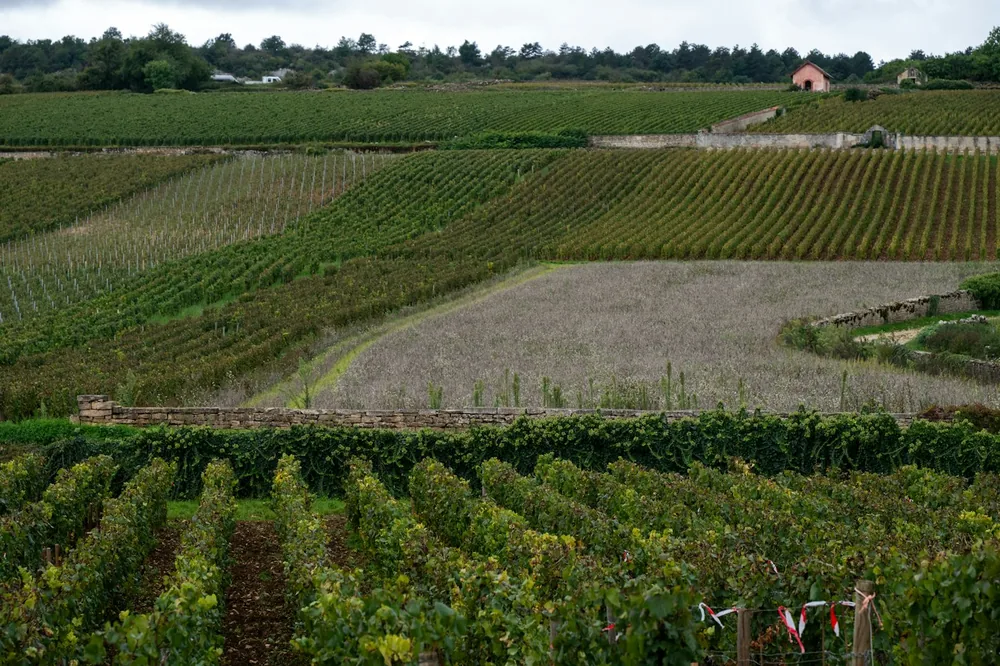
Statewide records show how the planted acreage of individual varieties rose and fell across those decades. The annual California grape acreage reports track bearing and non-bearing acres by variety, which is where the long decline of the older white grapes and the dominance of newer ones is visible in numbers rather than anecdote.
Serving these wines well
Richer whites are commonly served too cold, which flattens exactly the aromas they were made to show. A few adjustments cover most cases.
- Serve textured and skin-contact whites cool rather than refrigerator-cold, closer to the temperature you would give a light red.
- Use a larger glass than a standard white glass, since these wines need room for aroma to develop.
- Expect a wine that changes in the glass over an hour; open it earlier than you would a crisp white.
- Match with food that has some fat, salt or spice rather than with the most delicate dish on the table.
Our notes on matching food and wine and our guide to Italian grapes and styles both take up where these whites fit in a meal, particularly the northeastern Italian ones.
FAQ: the richer style of white wine
Is skin-contact white the same as orange wine?
The terms overlap. Orange wine generally describes white grapes fermented on their skins for an extended period, while brief skin contact before pressing is a widespread practice that does not produce that color or grip.
Why do these wines cost more?
They usually come from lower-yielding or older vineyards, occupy tank space for longer, and require more handling than a wine pressed and fermented straight through. Small production adds to it, since these are rarely made in volume.
Do rich whites improve with age?
Many are built for it. Phenolic content and lees aging both give a white wine more structure to develop against, though how any individual bottle ages depends on the producer’s choices and on storage. Our guide to California grapes and styles covers which white varieties in the state are made in this heavier fashion.