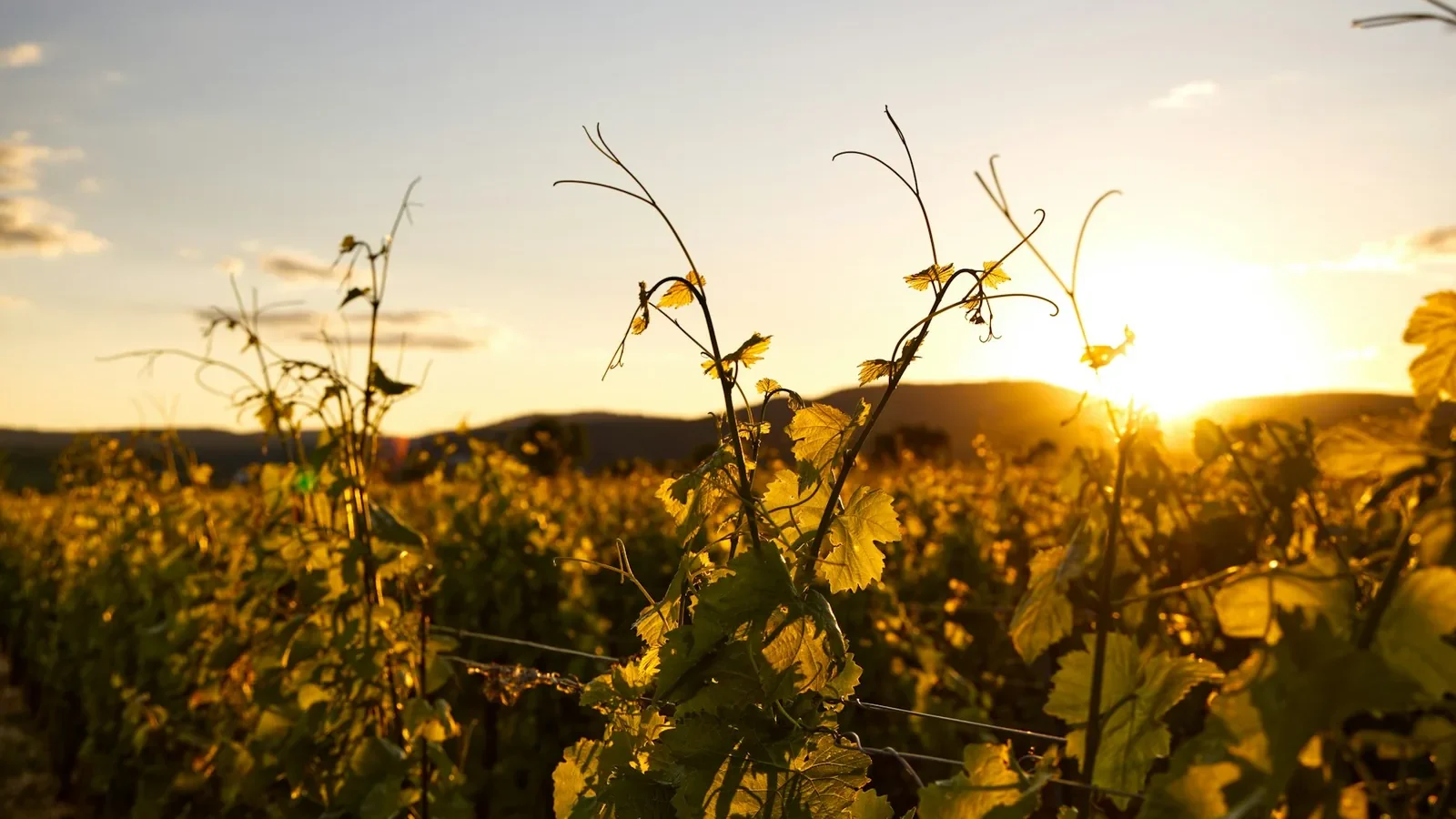
Back in the day when Ernest and Giulo Gallo ruled, they sent their minions to grape farmers all over California, buying various grape varieties for take-it or leave-it prices and then dumped all of them indiscriminately into huge tanks and called the result Gallo Hearty Burgundy. Such wines were the industry standard at the time and often surprisingly good, but grape sources remained anonymous.
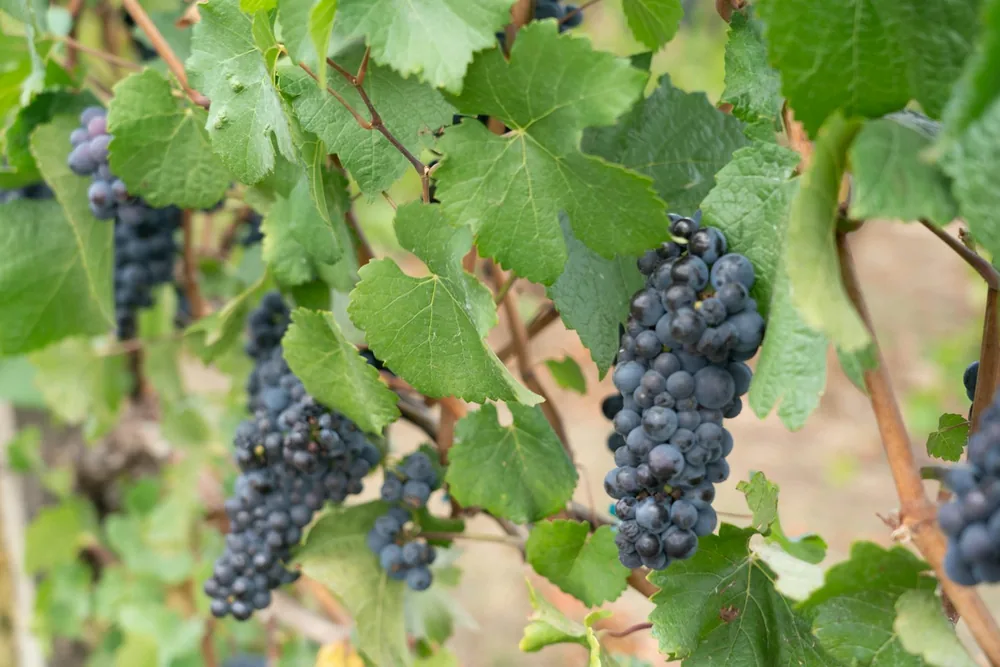
In 1966, Joseph Heitz changed the definition of fine wine when he introduced his Napa Cabernet Sauvignon with the vineyard source on the bottle. Heitz Martha’s Vineyard was California’s first cult wine, made from one grape varietal, Cabernet Sauvignon, cultivated at one vineyard. The wine ultimately defined premium wine as “estate bottled,” in other words made by winemakers from their own vineyards as opposed to the Gallo model. That interpretation of premium wine may be changing once again.
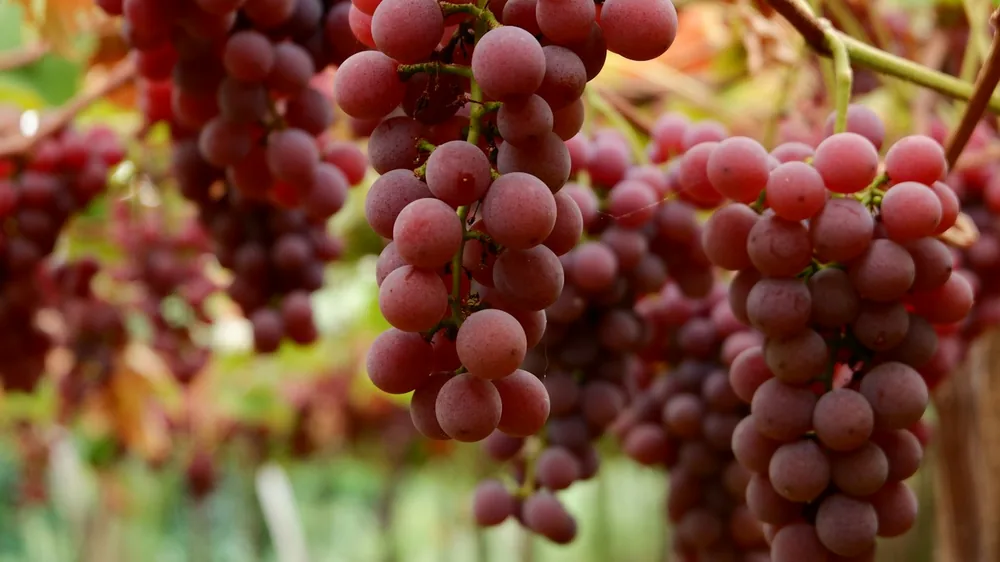
Instead of “estate bottled,” many of the wines that are now cutting edge are made by winemakers without their own vines, who are hunting down extraordinary fruit from small, often old, and usually obscure vineyards in out-of-the-way places and making extraordinary wines that command handsome prices. There seems to be no shortage of fine grapes for winemakers who are willing to search for them and shepherd their cultivation. Partners at Arnot-Roberts, Duncan Arnot Meyers and Nathan Lee Roberts make wines from a dozen different vineyards. The wines are highly allocated and can be purchased only from their website. Abe Schoener of the Scholium Project is another name that stands out, but there are others.
Today, only the deepest pockets can afford vineyard land because so much of it, at least in California, is so expensive. Young winemakers, who what to develop their own businesses rather than working for others, are forced to purchase grapes. But they are turning what might be a liability into an advantage because they are free to forage wherever they choose. Just because winemakers own their own vineyards does not guarantee fine-quality wine. Estate vineyards can be mediocre just as easily as industrial wines that are blends from anonymous vineyards.
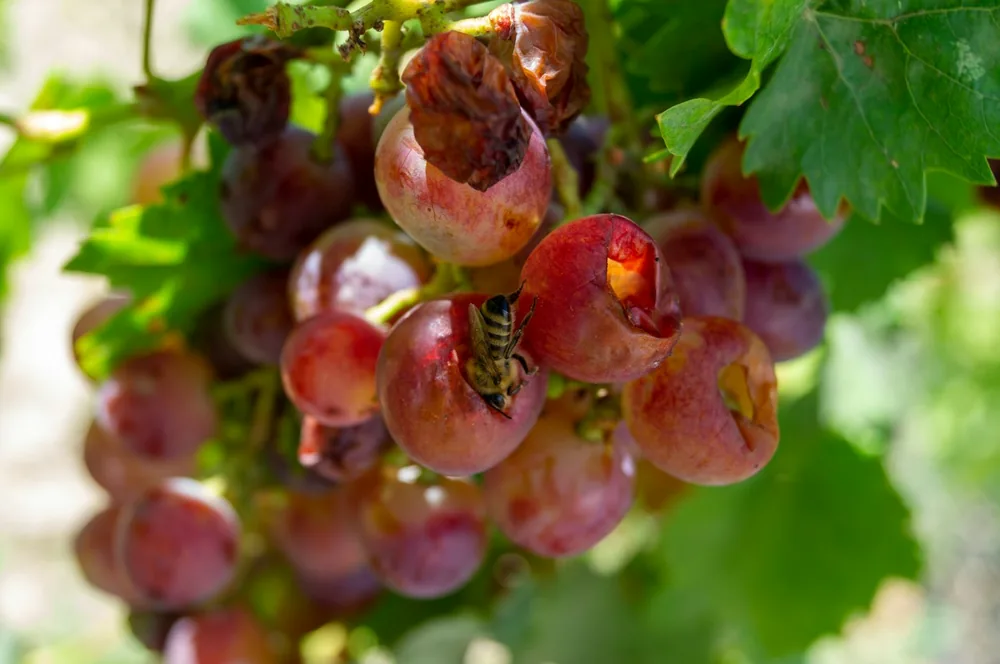
Most winemakers, who have their own estates, buy at least some fruit. Joseph Heitz did not own Martha’s Vineyard but instead had an exclusive contract for the fruit. Winemakers with their own vineyards often need to supplement with purchased grapes if they want to round out their portfolios with wines that are in demand but whose grapes are unsuited to the growing conditions on their properties. And if their estates are small and their reputations bigger, they might purchase fruit to increase production.
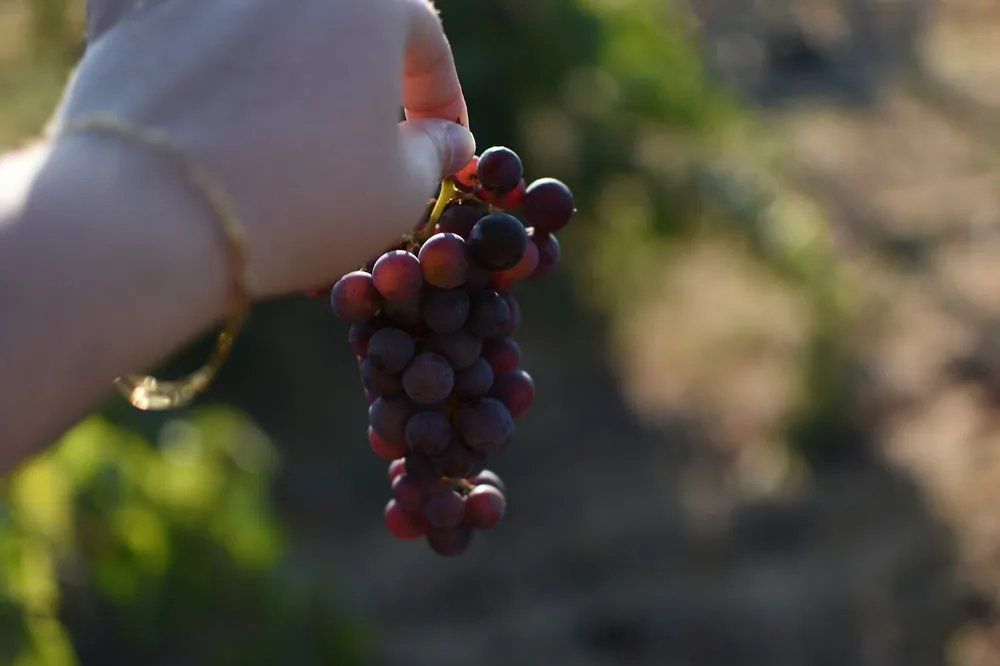
While it’s true that “wine is made in the vineyard, not in the cellar” and that whoever owns the vineyard has total control of the vines, it’s also true that vineyard owners will accommodate those who purchase their grapes and farm those blocks to please the purchaser. Otherwise, that buyer can walk away and find a vineyard owner, who is compatible with their standards. Burt Williams and Ed Selyem, famous for their Pinot Noir and Kent Rosenblum for his Zinfandel were earlier examples of well-know and highly respected winemakers, who made fine wine from purchased fruit and had no intention of buying land.
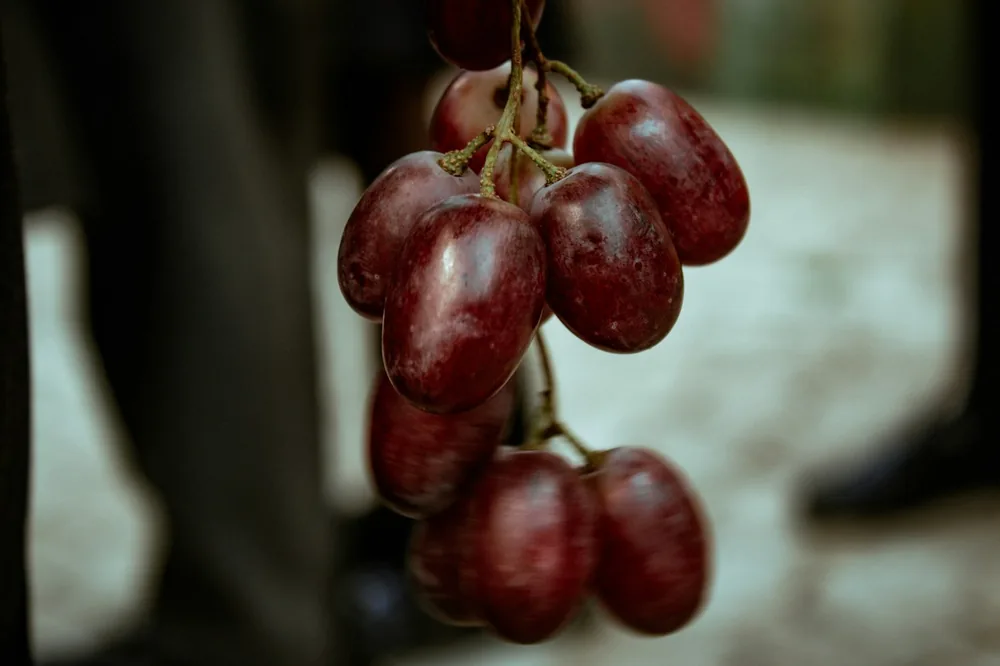
If the winery owns the vineyard, the label will display the words “estate bottled.” If just the vineyard name is printed on the label, the origin of the fruit will be equally identifiable. Ultimately fine wine is the result of winemaking technique and vineyard quality, regardless of who owns the land.
What “estate bottled” actually requires
The phrase is not decorative language. Federal labeling rules reserve it for wine where the bottling winery stands inside the viticultural area named on the label, controls the vineyard that grew the fruit, and crushes, ferments, finishes and bottles the wine on its own premises in a continuous process. Control can mean outright ownership, but it can also mean a long-term lease that hands the winery the same authority over farming decisions.
That distinction is the reason a winemaker with an exclusive contract can stand behind a single vineyard as convincingly as a landowner. What a contract does not deliver is permanence. A lease ends, a grower sells, and a famous bottling can lose its source in a single season.
The Alcohol and Tobacco Tax and Trade Bureau approves American wine labels and sets the conditions attached to each claim, and its reference pages for wine producers and labeling lay out the framework. The rules are worth knowing because they turn marketing language into something testable. A term either meets the definition or it cannot appear.
Three ways fruit reaches a cellar
The first is owned ground, where the winery farms its own vines and answers to nobody about pruning weight or pick dates. The second is leased ground, common where land prices have outrun what a young producer can raise, and often written for enough years that the lessee can replant. The third is purchased fruit, which ranges from a spot deal struck in August to a multi-year agreement that specifies trellis, crop level and harvest chemistry.
Those arrangements are invisible on the front label, but they leave traces. A single vineyard name signals that nearly all of the fruit came from one named site. An appellation with no vineyard named signals a blend assembled from several sources within that boundary.
| Claim | Estate bottled | Single vineyard | Appellation only |
|---|---|---|---|
| Who farms the vines | The winery, on owned or controlled ground | Winery or an independent grower | Any number of growers |
| Where the wine is made | On the winery premises, continuously | Anywhere | Anywhere |
| Fruit from the named source | All of it | Ninety-five percent | Eighty-five percent from the named viticultural area |
| What it tells you about quality | Nothing by itself | Nothing by itself | Nothing by itself |
Why a grower contract can behave like ownership
Serious fruit agreements are written per block rather than per ranch, and they price by the acre rather than by the ton so that the grower loses nothing by dropping crop. They set canopy work, irrigation limits and a sampling schedule, and they name who calls the pick. A winemaker with those clauses has the same levers a landowner has.
The relationship also runs both ways. A grower with a reputation for clean, ripe, evenly farmed fruit can choose customers, and a winemaker who pays for meticulous work protects that access by paying on time and taking the fruit in a difficult year. Long partnerships in California have survived changes of ownership on both sides for exactly that reason.
None of this settles the question of quality, which still comes down to site and craft. The same hillside can yield a wine of real character and a forgettable one depending on who farmed it and what happened in the cellar. Our overview of California grapes and the styles they produce and the companion guide to California’s growing regions cover how site and variety interact.
Fruit sourcing FAQ
Does estate bottled mean the wine is better?
No. It describes a supply chain and a production sequence, not a standard of taste. Plenty of celebrated wines are made from purchased fruit, and plenty of estate wines are ordinary.
Why would a winery with its own vineyards still purchase grapes?
Because a property rarely suits every variety a producer wants to offer, and because demand can outrun what a small estate can grow. Supplementing lets a winery keep a full range without replanting land that suits something else.
Can a label name a vineyard the winery does not own?
Yes. The vineyard designation speaks to where the fruit grew, not to who holds the deed, which is why a well-known site can appear on bottles from several different producers in the same vintage. Reading those cues is part of the label literacy covered in our wine skills and knowledge section.