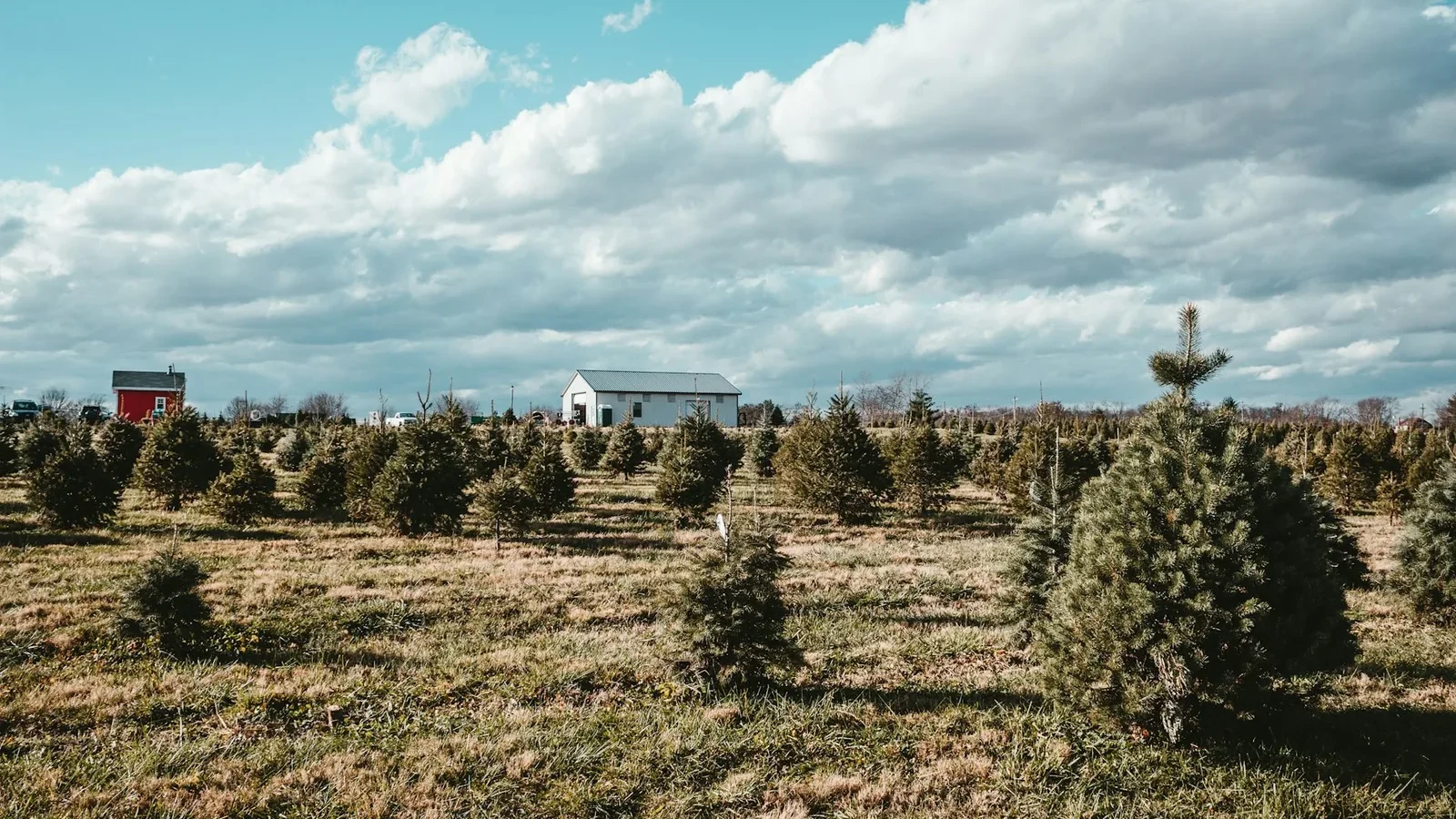
We call it the “Christmas” tree, but the evergreen that we haul into our homes and decorate is only loosely and lately associated with Christianity. At one time it was prohibited by Christian officials, who saw it properly as a pagan expression. Probably for this reason, we see it in public spaces, and people of different faiths or none at all are free to enjoy the tradition without compromising their own beliefs. An evergreen infusing the room with pungent aromas, its lights twinkling in a dimly lit room, has instinctive and intense appeal during the dark days of December. Not just the tree but also decorating it is a joy. And all joy should incorporate sparkling wine. Mine will be Ruggieri Gold Label Prosecco di Valdobiadene.
The ancient peoples in the Northern hemisphere surely knew the comfort of wine. Nevertheless, we can easily imagine how the winter solstice, the longest night of the year that occurs on the 21st or 22nd of December, must have provoked anxiety and created hardship. The sun god was frighteningly weak but would hopefully gather strength after that darkest night. Evergreen trees reminded the ancients that spring would return and with it all of the plants on which their lives depended.
The Egyptians filled their homes with palm rushes to honor the god Ra, who would revive over the coming months when life would once again triumph over death. The Romans honored Saturn, the god of agriculture, with evergreen boughs to insure that orchards would later be fruitful. To remind themselves that not all vegetation was dead, the Druids in Northern Europe also decorated with evergreen boughs, while the Vikings in Scandinavia saw evergreens as the favored plant of their sun god Balder.
The Germans were the first to incorporate the evergreen tree into the celebration of Christmas in the 16th Century, and the German reformer Martin Luther is credited with adding candles to the branches. But in England, Oliver Cromwell was adamant that “Christmas” trees and carols were “heathen traditions.” In the U.S., William Bradford, the Puritan Governor of the Plymouth Colony, called such expression “pagan mockery.” Only the Germans, who settled in Pennsylvania, decorated community trees and those in private homes.
But in 1846, Queen Victoria and her German husband Prince Albert began to change attitudes when they put up a Christmas tree in their home, signaling on both coasts, theirs and ours, that the tree was good and beautiful. Americans began to agree, but only slowly. Most Americans continued to think that “Christmas” trees were unacceptable pagan symbols.
So here we are today, a tree in most every store and home. Ask ten people on the street why they have a “Christmas” tree in their homes, and you’ll likely get ten different answers. But the prevailing one would be that they are beautiful. They represent both historical continuity and personal tradition, the ornaments often a collection of those inherited from deceased parents or hand-crafted by the family’s schoolchildren.
So however you celebrate to alleviate the burden of winter, I wish you joy and renewal. And to complement the season, you can find delicious Ruggieri Gold Label Prosecco di Valdobiadene in the website store or by calling me at 800-700-6227.
Why the solstice falls where it does
The dark days that unsettled ancient communities are a consequence of the planet’s tilt rather than of anything happening to the sun. Earth’s axis leans about twenty-three and a half degrees from vertical relative to its orbit, so each hemisphere is angled toward the sun for part of the year and away from it for the rest. NASA’s explanation of what causes the seasons sets out why that tilt, and not the planet’s distance from the sun, governs winter and summer.
The solstice is the moment the tilt reaches its extreme, when the sun stands at its lowest daily height in the northern sky. The date shifts between the twenty-first and twenty-second of December because the calendar year and the orbital year do not divide evenly, which is also why leap days exist. The apparent standstill in the sun’s daily path is where the word solstice comes from.
What follows is slow. Day length begins increasing immediately after the solstice, but the coldest weeks usually arrive weeks later, because land and water release stored heat gradually. Ancient communities watching for reassurance therefore got their sign before they got their relief.
Why evergreens hold their needles
The symbolic power of an evergreen rests on a genuine botanical difference. Broadleaf trees drop their leaves because broad, thin leaves are expensive to protect through freezing weather, so they are shed and rebuilt each year. Conifers take the opposite approach, with narrow needles, a waxy coating and internal chemistry that resists freezing damage.
The trade-off is that needles must survive drought as well as cold. Frozen ground makes water unavailable to roots, so a winter conifer faces something closer to a dry season than a wet one, and its waxy needle surface exists largely to limit water loss during those weeks.
The payoff is that a conifer can photosynthesize on mild winter days rather than waiting for spring, an advantage in poor soils and short growing seasons. Needles are still shed, just gradually over several years instead of all at once. To an observer without a botany textbook, the tree simply refuses to die back, which is exactly the message the ancient traditions read into it.
Two responses to winter
| Trait | Evergreen conifer | Deciduous broadleaf |
|---|---|---|
| Winter foliage | Retained | Shed in autumn |
| Leaf form | Narrow needles with a waxy coating | Broad, thin blades |
| Winter activity | Limited photosynthesis on mild days | Dormant |
| Water loss strategy | Minimized by needle structure | Avoided by dropping leaves |
What the vineyard is doing in December
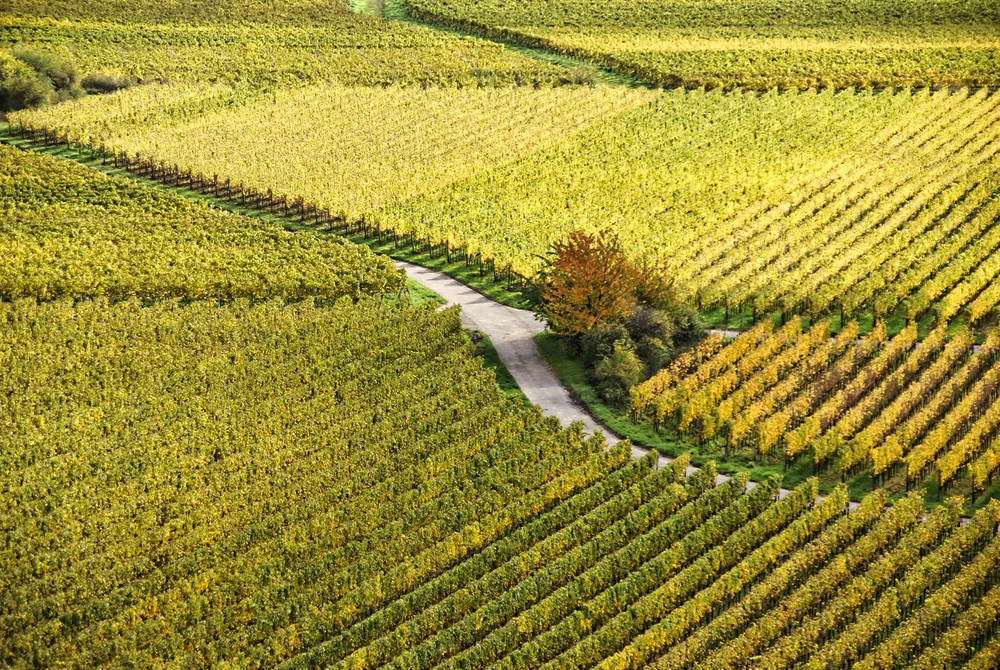
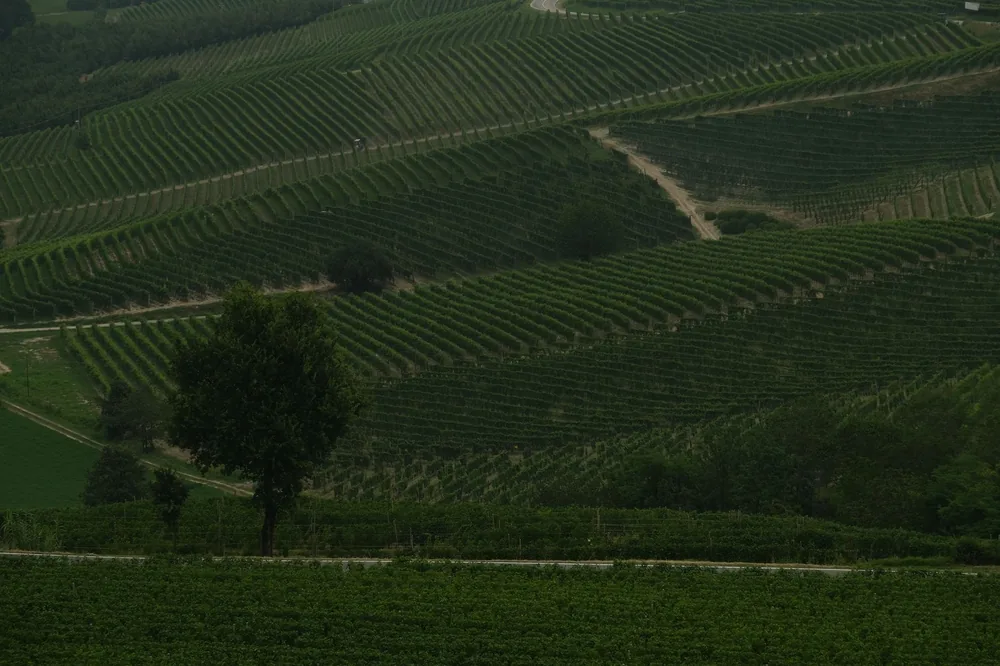
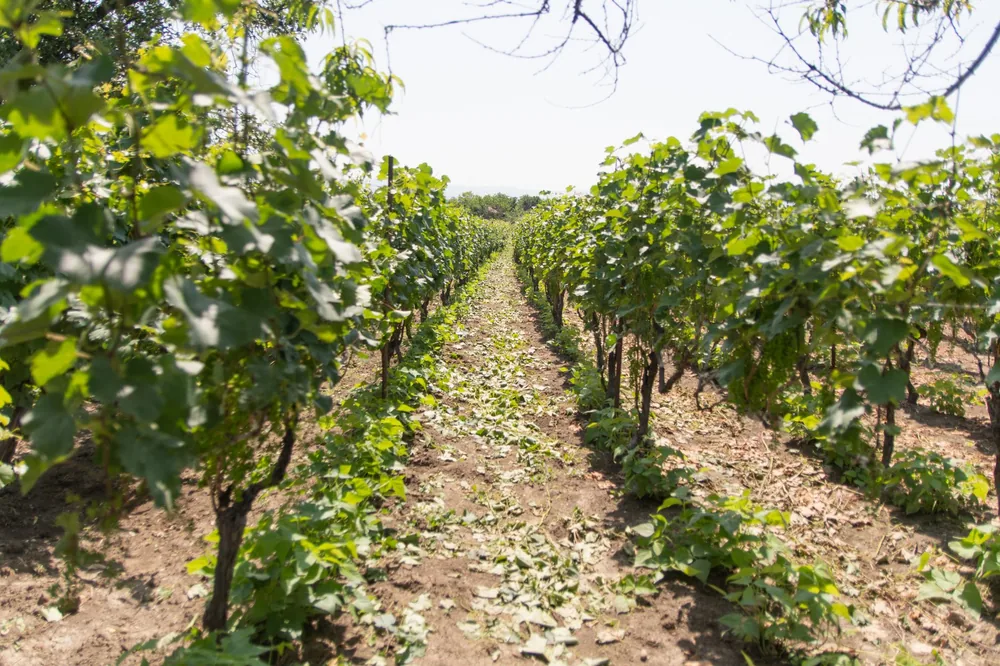
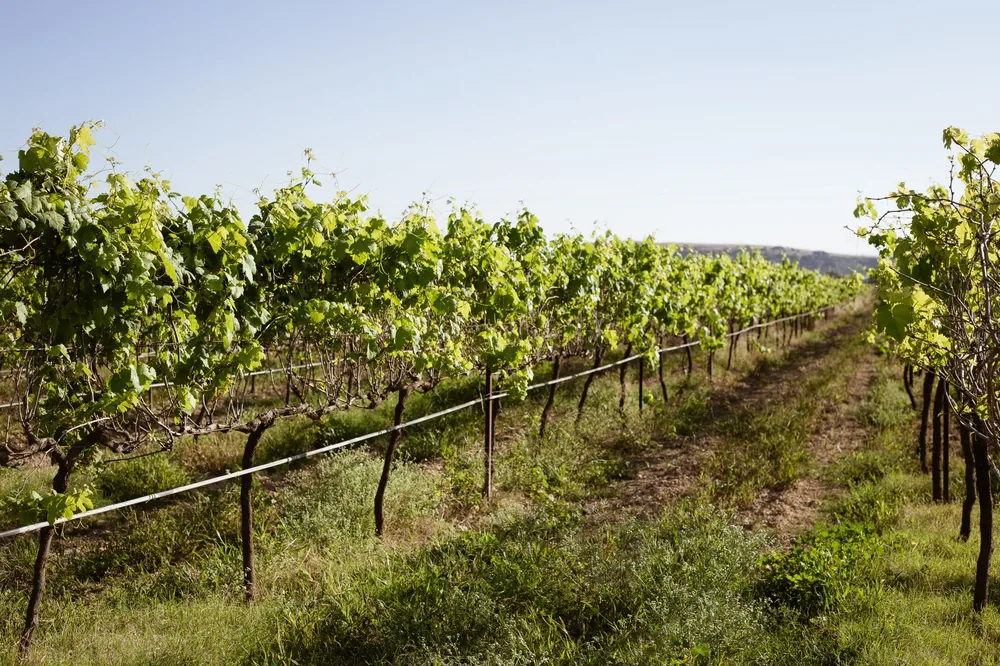
Grapevines take the deciduous route, and the solstice falls in the quietest part of their year. The leaves have fallen, the vine has moved its reserves into roots and permanent wood, and the plant sits dormant while the cold accumulates. Winter chilling is not merely tolerated but required, since vines need a dormant period before they will break bud properly in spring.
Pruning happens during this window, usually in the coldest and least glamorous weeks of the year. It is the single most consequential decision of the vintage, since the number of buds left on each vine sets the size of the coming crop months before anyone sees a flower. The festive season and the most important vineyard work therefore run at the same time.
Keeping the tree and the table in one place
The domestic version of all this is a room made warm and fragrant against the darkness outside, which is close to what the ancient customs were reaching for. Sparkling wine belongs to that setting for a practical reason as much as a ceremonial one: it is light, it is served cold, and it suits standing around rather than sitting down.
Our notes on wine for celebrations cover the same ground from the host’s side, and our guide to Italian grapes and styles explains where the northern Italian sparkling traditions came from.
FAQ: solstice, evergreens and midwinter customs
Why does the solstice date change from year to year?
Because the orbital year is slightly longer than the calendar year, so the moment drifts and is then corrected by leap days. The shift keeps the date between the twenty-first and twenty-second in most years.
Is the shortest day also the coldest?
Rarely. Land and oceans keep releasing stored summer heat for weeks afterward, so the coldest stretch in most northern regions arrives in January or February.
Do vines need a cold winter?
They need a dormant period, and a spell of genuine cold helps deliver an even bud break in spring. Regions with very mild winters manage, but growers there watch bud break more anxiously.