by Tere Williams
The history
Made for centuries in the rugged region of northwest Portugal’s Douro Valley, Port is a fortified wine that leans heavily on the sweeter spectrum and comes in a variety of styles ranging from the youthful Ruby Port, to aged Tawnies, and Late-Bottled Vintage Ports down to the distinguished character of Vintage Port.
Port wine is typically associated with Portugal, but really owes at least part of its invention to England as a direct by-product of the Brits battling France through the 17th and 18th centuries. The English boycotted French wine in the late 17th century as a result of their ongoing conflict and started sourcing their red wine from Portugal, just around the bend from Bordeaux. They started adding a wee bit of brandy to the still red wine to help sustain it during the voyage back to England. The brandy addition served to give the fragile still wine the fortitude to make the long trip on a rocking boat without spoiling. It also made the wine much sweeter when it was added early enough to halt fermentation and leave residual sugar on the higher end. As a result, Ports have a reputation for being higher in alcohol, noticeably sweeter, with more body and palate density than other still wines. Fans of rich cheese and decadent desserts appreciate Ports pairing versatility and uncanny ability to even function as dessert itself.
How it’s made
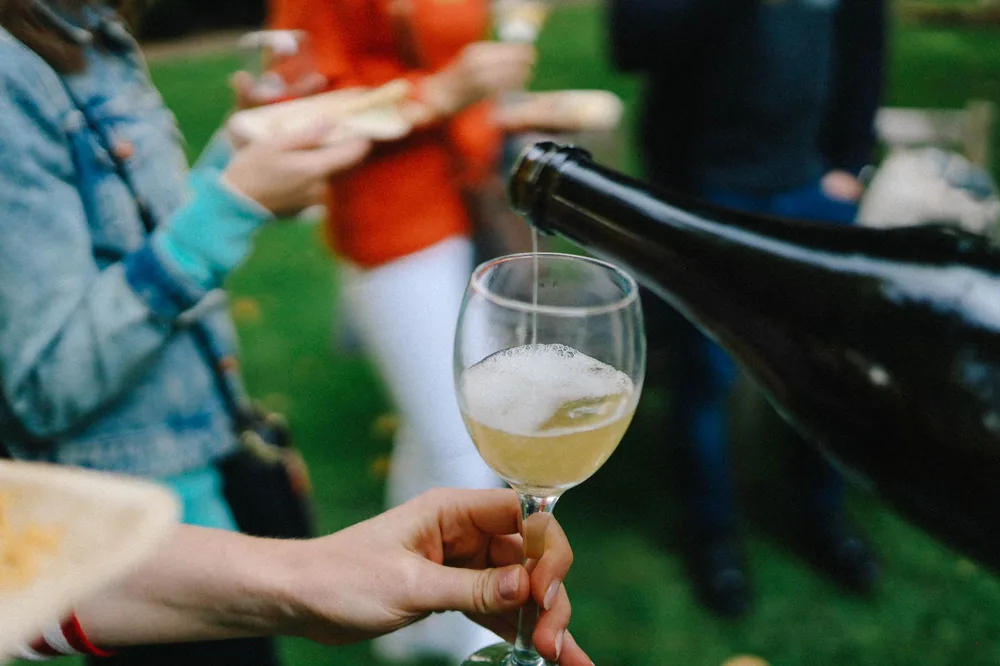
Port starts off as other still wine does but changes during fermentation. When the alcohol level reaches about 7%, the young wine is fortified with brandy to bring the fermentation process to a sudden stop, while capturing the fruit nuances of the young wine and preventing the grape sugars to continue their classic conversion to alcohol. The young Port may be blended with other Port and aged either in the bottle or in the cask to find the right palate appeal.
The main styles, and how they differ
Port is not one wine but a family of them, and the split runs along a single line: whether the wine aged mostly in glass or mostly in wood. Wines aged in sealed bottles keep their dark color and fruit character because very little oxygen reaches them. Wines aged in wooden casks slowly oxidize, lightening in color and gaining nutty, dried-fruit character.
Ruby styles sit at the youthful end, bottled young after a short time in large vessels. Tawny styles sit at the other end, having spent years in wood before bottling. Between them are late bottled vintage wines, from a single year but held longer in cask before release, and vintage Port, declared only in years a house considers exceptional and bottled early to age in glass.
| Trait | Ruby styles | Tawny styles | Vintage styles |
|---|---|---|---|
| Main aging vessel | Tank or large cask | Smaller wooden casks | Bottle |
| Time before release | Short | Long | Short in cask, long in bottle |
| Color over time | Deep and purple-red | Fades toward amber | Deep, fading slowly in bottle |
| Oxidative character | Minimal | Pronounced | Develops in the bottle |
| Sediment | Little | Little, usually filtered | Substantial, needs decanting |
| Once opened | Days | Weeks | A day or two |
What fortification does to a wine
Adding neutral grape spirit during fermentation does two things at once. It stops the yeast before all the sugar has been converted, which leaves sweetness in the finished wine, and it raises the alcohol well above the level of a table wine. Both changes also make the wine far more stable, which is why fortified wines survived long sea voyages when table wines did not.
That stability is still the reason an open bottle behaves so differently from a table wine. A wood-aged style has already spent years in contact with oxygen, so a few more weeks in a re-corked bottle changes it very little. A bottle-aged style, protected from air for decades, reacts quickly once opened and is best finished within a day or two.
In the United States, fortified wines fall under federal labeling and classification rules administered by the Alcohol and Tobacco Tax and Trade Bureau, whose guidance for wine covers how such products are defined and labeled. Those rules are why the terms on an American label and a European one do not always line up.

Serving it so the wine shows well
Fortified sweet wines are usually served cooler than a red table wine but not cold. A light chill sharpens the acidity and keeps the sweetness from feeling heavy, while too much cold mutes aroma entirely. Twenty minutes in the refrigerator suits most wood-aged styles, and a bottle-aged style is generally happiest just below room temperature.
Pours are small, because the alcohol and sugar are concentrated and a little goes a long way. A standard wine glass works better than the tiny stemware sold for the purpose, since it gives aroma somewhere to gather. Wines with sediment need standing upright for a day and then careful decanting off the deposit.
- Stand an unfiltered bottle upright for at least twenty-four hours before opening.
- Decant slowly against a light source and stop when the sediment reaches the neck.
- Re-cork what is left and keep wood-aged styles in the refrigerator between servings.
- Serve small measures alongside food rather than as a large pour on its own.
At the end of a meal
The classic partners for sweet fortified wine are blue cheese, walnuts, dried fruit and chocolate, and the logic behind each is the same. Sweetness needs either salt or bitterness to push against, or the pairing collapses into sugar on sugar. A dessert sweeter than the wine will always make the wine taste thin.
Wood-aged styles, with their nut and caramel character, sit especially well next to almond pastries, aged hard cheeses and coffee. Fruit-driven styles work better with dark chocolate and berry desserts. Our guide to food and wine pairing explains why salt and bitterness do so much of the work in matches like these.

Fortified wine beyond the Douro
Portugal is not the only country that stops fermentation with spirit, and the neighboring traditions help put the style in context. Sherry, from southern Spain, is fortified after fermentation finishes, which is why most of it is dry rather than sweet. Madeira, from the Portuguese island of the same name, is deliberately heated during aging, giving it a resistance to oxygen that is almost unique among wines.
Italy contributes Marsala from Sicily and a range of sweet fortified wines from the south, while southern France produces fortified wines from Muscat and Grenache. All of them share the same basic mechanic and diverge in when the spirit goes in and how the wine is aged afterward. Knowing that one variable explains most of the differences between them.
Port wine FAQ
How long does an open bottle last?
It depends on how the wine was aged. Wood-aged styles often hold for weeks in a cool place, while bottle-aged wines fade within a day or two once opened. Refrigeration extends both, and the wine can be brought back toward room temperature in the glass.
Do all fortified wines need decanting?
No. Filtered styles pour clean and need nothing, while unfiltered bottle-aged wines throw a heavy deposit that belongs in the bottle rather than the glass. If a bottle is described as unfiltered, plan on decanting it.
Where does the sweetness come from?
From grape sugar that never became alcohol, because the spirit added during fermentation stopped the yeast early. Nothing is added afterward to sweeten the wine, which is why the sweetness tastes of fruit rather than syrup. Our wider wine skills and knowledge guides cover fermentation in more depth.