
In 2013, Italian Prosecco replaced French champagne as the world’s favorite sparkling wine, probably because it is less expensive and better at comparable prices. A $12 bottle of Prosecco is tastier than French champagne at the same price, especially outside of the regulated Champagne appellation.
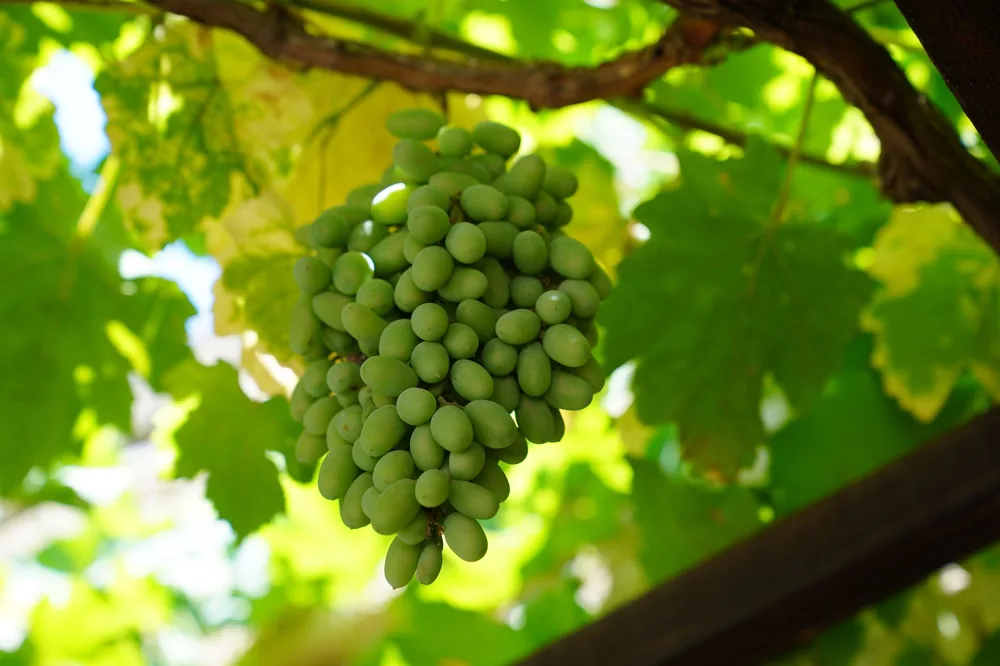
At the high end, Prosecco from the tiny Cartizze appellation is around $50 a bottle and is a meticulously farmed and hand-made wine. At the same price, its French equivalent from Champagne is a mass-produced wine from a sprawling vineyard. A fine Champagne, equivalent to Cartizze, will cost at least double the price.
Most Prosecco is made in stainless-steel, temperature-controlled tanks, which permit lower pricing. But some producers are experimenting with the older, labor-intensive methode champenoise, used to make fine Champagne, aging the wine on its leis and adding yeast and sugar to the bottle for the secondary fermentation.
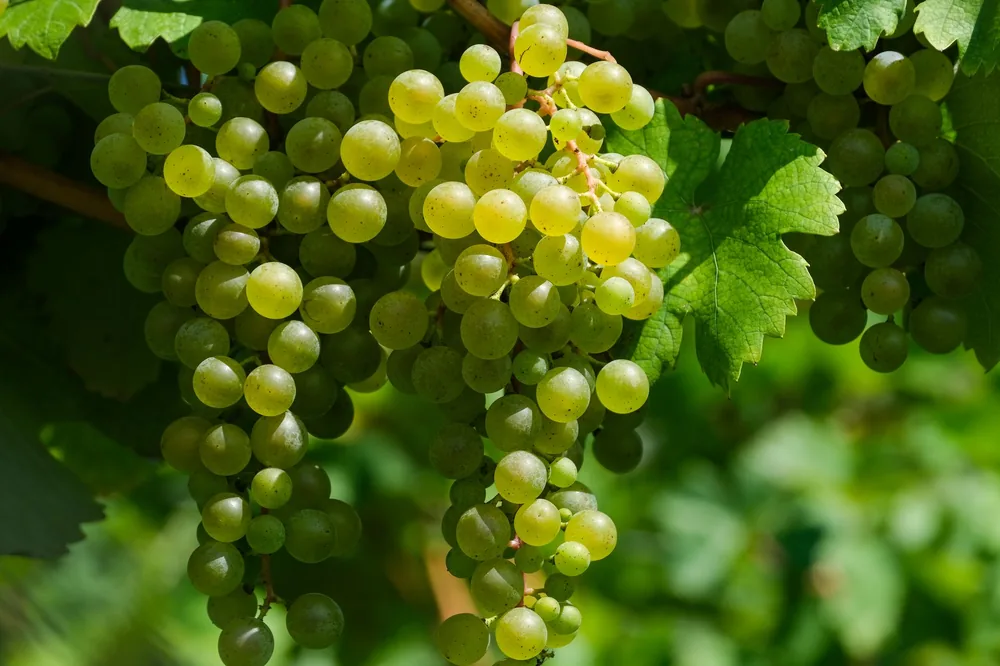
In some sense, Prosecco has been compromised by its own success. To keep up with soaring world-wide demand, vineyard plantings in Northeastern Italy have lately increased enormously. Originally confined to a part of the Veneto, the Prosecco DOC now includes the entire region and has spread into neighboring Friuli-Venezia Giulia, altogether almost 50,000 acres, mostly farmed with high-yields and mechanically harvested for inexpensive bottles.
For a truly vibrant and elegant Prosecco, you’ll need to pay closer attention to the label and spend more, although not a lot. Look for Prosecco Superiore DOCG from Conegliano and Valdobbiadene in the province of Treviso, about $20 a bottle, a great price for such a delicious wine from pristine vineyards. The vineyards are tiny plots on extremely steep hills that have been in families for generations. Nino Franco, Ruggieri & C., Villa Sandi, and Bisol are all fine producers.
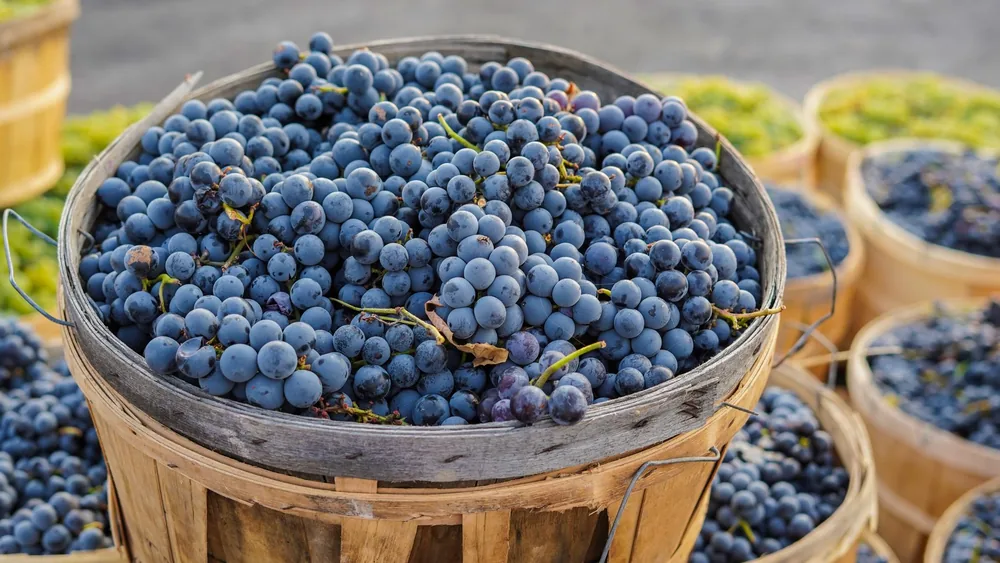
Prosecco refers to the area where the vineyards are located, but the grape is Glera. Generally, Prosecco is an aromatic, vibrant, and fruity sparkling wine with pronounced citrus flavors. But if you are dedicated to Champagne, made mostly from Chardonnay or Pinot Noir, and to its rich, yeasty, and complex flavors, you will want to enjoy it during the holidays. But once again, the bargains come from Italy, where its best producers are making equivalent quality at much lower prices.
Glera, and why the grape suits the method
Prosecco is made mostly from Glera, a high-yielding white grape with moderate acidity and pronounced floral and orchard-fruit aromatics. Those aromas are delicate and heat-sensitive, which is exactly why the tank method suits it. A long, cool fermentation in a pressurized vessel preserves them, while extended aging on spent yeast would bury them under bread and nut character.
That is the fundamental difference between the two great sparkling traditions. One aims to build complexity through time and yeast contact, the other aims to bottle the fruit as fresh as it came off the vine. The hills the grapes come from are themselves protected: the Prosecco hills of Conegliano and Valdobbiadene were inscribed as a UNESCO World Heritage site in 2019.
Small amounts of other local varieties are permitted in the blend, but Glera dominates by rule. Its character is what makes the category recognizable across thousands of producers.
Reading the hierarchy on the label
The Prosecco name covers a very large production area and a set of nested, progressively stricter designations. At the broadest level sits the regional appellation spanning much of northeastern Italy, where flatter land and mechanized farming allow high volumes. Above it sit hillside zones with lower permitted yields and tighter boundaries.
| Trait | Broad regional appellation | Hillside designations |
|---|---|---|
| Area covered | Large, across two regions | Small, defined hill zones |
| Terrain | Mostly plains and gentle slopes | Steep, often terraced hillsides |
| Harvest | Frequently mechanized | Largely by hand out of necessity |
| Permitted yields | Higher | Lower |
| Typical character | Simple, fresh, direct | More concentrated and detailed |
The steep hillside vineyards northwest of Treviso were recognized by UNESCO as a cultural landscape in 2019, which says something about how long that terrain has been farmed. Working those slopes is done largely by hand because machinery cannot hold the grade.
Fizz levels and sweetness levels
Two separate scales appear on Prosecco labels, and confusing them is common. The first describes how much pressure is in the bottle: fully sparkling, lightly sparkling, or still, and Italian labels use distinct words for each. The second describes sweetness, running from the driest category through brut and extra dry to dry, which is confusingly the sweetest of the common terms.
Most of what reaches export markets is fully sparkling and labeled either brut or extra dry. The extra dry style, with a touch more sweetness, is the traditional expression and often the better match for brunch food or anything lightly spicy. Both are sold as aperitif wines rather than as bottles to store.
Serving and keeping it
Prosecco is at its best young, cold and freshly opened, and it does not reward cellaring. The aromatics that define it fade with age, so a recent release is generally preferable to an older bottle. Storage in a cool, dark place matters more for a few months than any long-term plan.
- Chill in ice and water for twenty minutes rather than in a freezer.
- Use a glass with a bowl rather than a narrow flute so aroma can gather.
- Pour at an angle to preserve the bubbles, then top up once the foam settles.
- Close leftovers with a sparkling stopper and refrigerate to keep the fizz overnight.
At the table it handles salty and fried food particularly well, which is how it is drunk in its home region. Readers who want the broader context can look at our overview of Italy’s wine regions and the companion guide to Italian grapes and styles.
What growth did to the category
Rapid expansion changed the shape of the category in ways that are still working through it. Plantings spread well beyond the historic hillside zones onto flatter, more productive land, and volumes rose to meet international demand. That made the style widely available and also widened the gap between the simplest bottlings and the most carefully farmed ones.
The response has been to lean harder on the designations. Producers in the hill zones emphasize their smaller boundaries, lower yields and hand harvesting, precisely because the broad appellation cannot make those claims. For a reader standing in front of a shelf, the specific place name on the label is the most reliable signal available.
Land use in those hills carries its own pressures. Terraced parcels are small, steep and expensive to farm, and they survive only because the wine from them commands enough attention to justify the work.
Sparkling wine from the same corner of Italy
Northeastern Italy makes more than one kind of sparkling wine, and confusing them is easy. Franciacorta, from Lombardy, is bottle-fermented in the traditional manner and aged on its yeast, giving a completely different result from a tank-fermented wine. Trentodoc, from the Alpine north, follows the same bottle-fermented route at altitude.
Understanding that a single country supports both approaches makes Italian sparkling wine much easier to navigate. The method, not the border, decides what is in the glass.
Prosecco FAQ
Is Prosecco a grape or a place?
A place, and a set of protected designations attached to it. The grape is Glera, which was itself once called Prosecco before the name was reserved for the appellation.
Why does it taste different from Champagne?
Different grapes and a different method. Tank fermentation preserves fresh floral and fruit aromas, while bottle fermentation with long yeast contact builds bread and pastry character instead.
Does Prosecco improve with age?
Generally not. It is made to show fresh aromatics, and those soften within a couple of years, so recent bottlings show the style as intended, as our notes on wine for celebrations point out for sparkling wine in general.