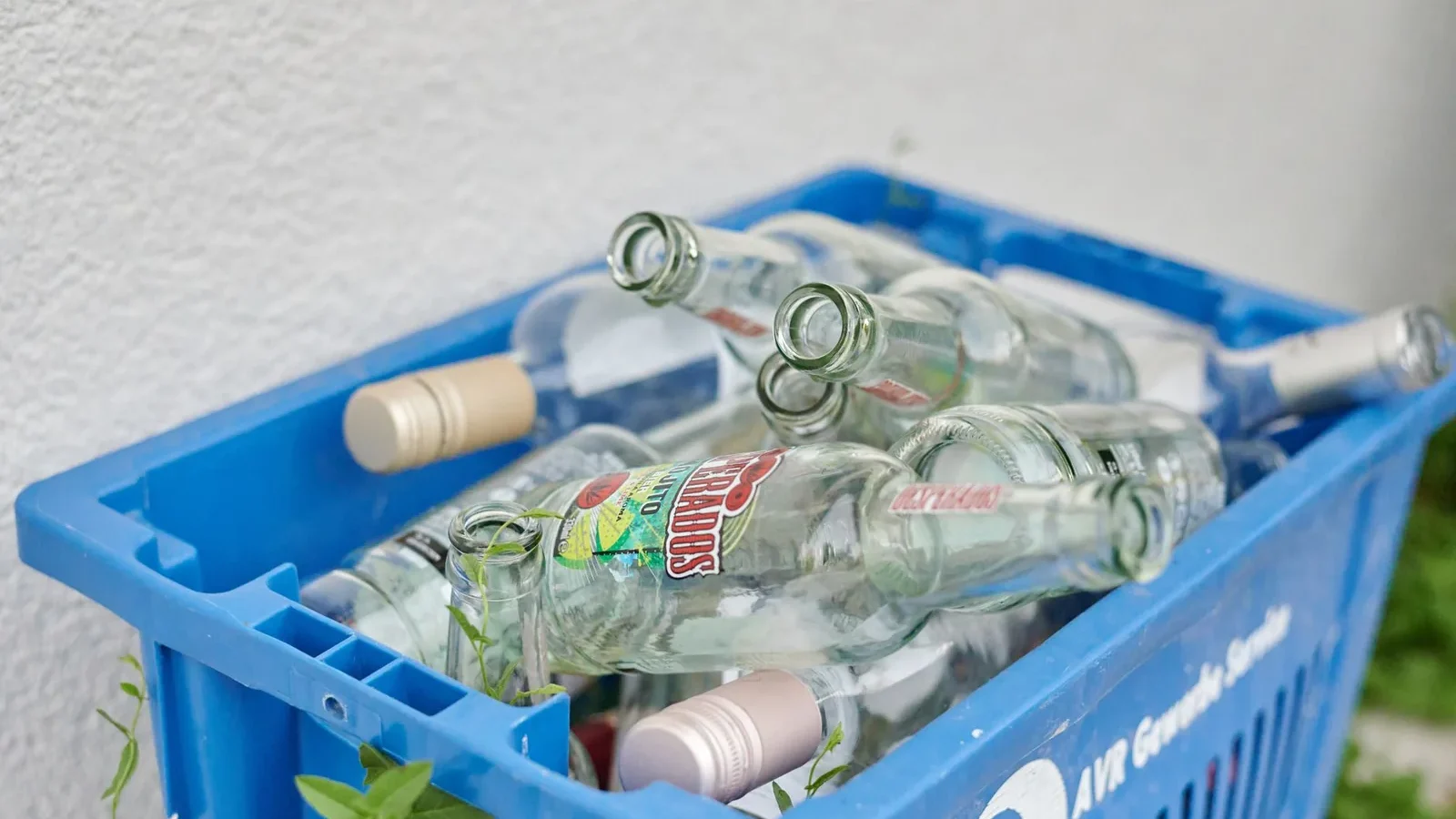
Until recently, we’ve taken our wine bottles for granted. We appreciate their ability to preserve their contents, and we admire their esthetics, which in important ways condition our attitude toward the enclosed wine. It’s no accident that expensive wine is packaged in larger and heavier bottles to reassure us as we pay that it will taste superior to wine in more modest, lighter shapes. Both sizes hold exactly the same quantity and protect wine equally, but we probably don’t consciously make that observation. If we did, we might suspect that we were being somewhat manipulated. But regardless of its shape and weight, we throw the bottle in the trash after we empty it because it no longer has meaning for us.

Not so fast: this is 2011, and we are learning the meaning of waste, how it squanders resources, increases the cost of goods, and reduces profit, issues we can all appreciate whether we consume or produce or do both. Lately, the wine industry, which pays ever increasing transportation costs for its global product, is taking a close look at glass to see if its weight can be diminished without compromising its effectiveness. The glass industry is doing the same since glass making is energy intensive. And we consumers don’t really want to pay as much as we do for glass when what we really want is wine. But this doesn’t mean that we want to pour our wine from a carton. We want glass, which is the safest way to store any food or liquid that we consume.
Humans have been making glass for 3000 years from a few simple ingredients, silica sand, limestone, ash, and fire. Today, the raw ingredients melt together at temperatures reaching 2800 degrees F. But once glass is formed, it re-melts at much lower temperatures. So the more we can return to manufactures, the less heat they will employ to produce new containers. Unlike plastic with its oil based ingredients, glass returns easily to simple sand, limestone, and ash. New Zealand currently recycles 62 percent of it glass and is improving collection, sorting, and distribution to improve that number. In 2008, the U.S. rate was 28 percent, and the goal is to double the percentage by 2013, at which point the New Zealanders will have reached 100 percent sustainability. Eventually, all manufactures in all countries should be able to make new containers from 100 percent recycled glass, which by the way is called cullet, a word that we will likely be hearing more often in the future.
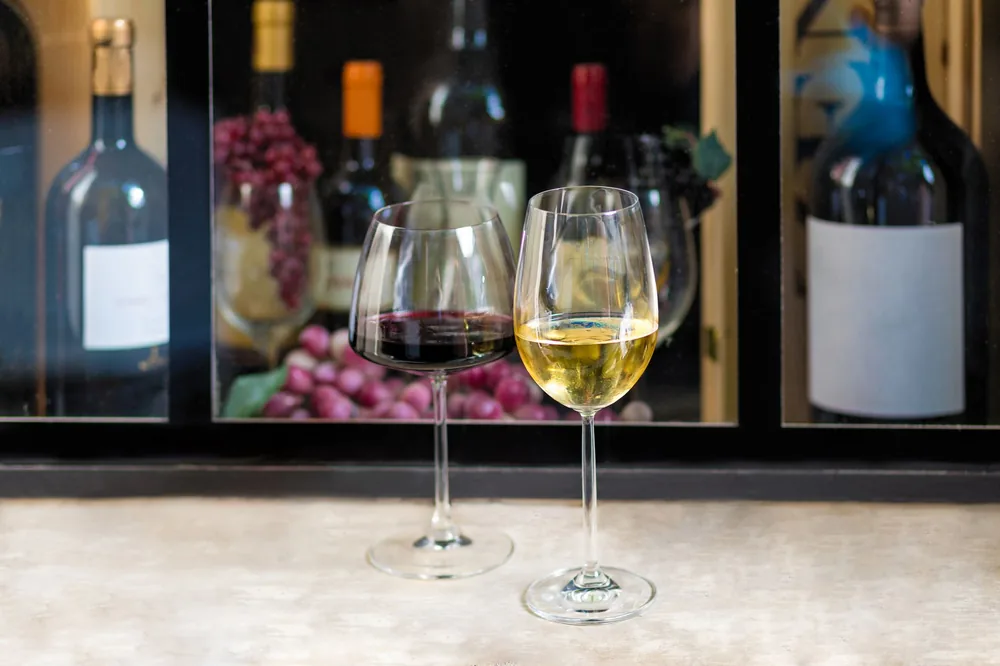
After a certain amount of research and innovation, lighter wine bottles are now in production and weigh 400 grams each, reducing a 12-bottle case from 40 pounds to 31, a huge nine pound difference. These lightweight bottles will also fit into smaller boxes so that more cases can occupy a shipping container or a truck. The first reduced-size bottle that we purchase, will help us appreciate even more what taking our empty bottles to the curb or the recycling center can mean for all of us. These new bottles will be the result of a chain of activity and co-operation that consumers, wine producers, and glass manufactures have all created together. Happy New Year!
How the glass loop actually works
Cullet is crushed recycled glass, and it is the reason the recycling case for glass is unusually strong. Adding cullet to a furnace charge lowers the melting temperature required, which reduces energy use and furnace wear at the same time. Glass can also be remelted repeatedly without the degradation that limits how often most other materials can be reprocessed.

Color is the constraint that decides how well the loop closes. Clear glass can only be made from clear cullet, so mixed-color collection is worth less to a manufacturer than sorted streams of flint, amber and green. This is why collection systems that keep colors separate produce far more usable material than systems that recover a larger tonnage of mixed glass.
Contamination is the other limiting factor. Ceramics, heat-resistant kitchen glass and window glass melt at different temperatures than container glass and can ruin a batch, which is why programs are particular about what they accept. A single unwanted item can cost a manufacturer far more than the material it arrived with was worth.
Container deposit systems exist to solve that sorting problem at the source. California’s beverage container program, described by CalRecycle’s beverage container recycling pages, attaches a refundable value to eligible containers so that they are returned relatively clean and reasonably well separated rather than crushed together in mixed household collection.
Weight, shipping and what a bottle costs to move
The weight argument matters because wine is shipped over long distances in quantity. A heavier bottle means more fuel burned for the same volume of wine and fewer cases per pallet, so packaging weight is one of the few variables a producer can change without touching the wine at all.
| Trait | Glass bottle | Bag in box | Can |
|---|---|---|---|
| Weight per unit of wine | Highest | Low | Low |
| Suitability for aging | Proven over long periods | Short shelf life | Short shelf life |
| Behavior once opened | Oxidizes after opening | Collapsing bag limits air contact | Single serving, no leftovers |
| Recycling stream | Remelted indefinitely if sorted | Mixed materials, harder to separate | Well established for aluminum |
None of these formats replaces the others outright. Glass remains the only one demonstrated to hold wine safely for decades, which is why the interesting question was never glass or not glass, but how little glass a bottle actually needs.
Why heavy bottles persisted anyway
Bottle weight became a marketing signal long before it became an environmental question. A heavier bottle feels more substantial in the hand and reassures a buyer at the moment of choosing, which is precisely the manipulation the passage above describes. The wine inside is unaffected either way.
Punt depth is part of the same story. The indentation in a bottle’s base has practical origins in glassblowing and in stacking stability, but it also adds height and heft without adding wine, which is why it acquired a reputation as a quality signal it never earned. A deep punt tells you about the mold, not about the vineyard.
Change came from the parts of the trade that pay to move the weight. Shippers, importers and large retailers all count freight costs per case, and pressure from that direction has done more to lighten bottles than appeals to any individual drinker’s conscience. Our notes on practical wine knowledge take up what packaging does and does not tell you about what is inside.

What a household can do with the rest of the package
A wine bottle arrives with several materials attached, and they belong in different places.
- Glass: rinse and keep it unbroken, since broken glass is harder to sort by color and can contaminate other streams.
- Capsules: the foil or plastic sleeve over the cork is usually removed and discarded separately.
- Natural cork: collected by some specialist programs, though rarely accepted in household recycling.
- Synthetic closures and screw caps: check local rules, since acceptance varies by program and material.
- Cardboard shippers: flatten them, and remove any foam or molded pulp inserts first.
The archive of hot topics written by the club’s contributors returned to packaging questions repeatedly across the years the club was shipping, which is a fair record of how quickly the conversation moved.
FAQ: wine bottles and recycling
Does a recycled wine bottle become another bottle?
It can, provided it is sorted by color and reaches a container manufacturer. Mixed or contaminated glass more often ends up in lower-value uses such as aggregate.
Does a heavier bottle indicate better wine?
No. Bottle weight is a packaging decision, and excellent wine is bottled in light glass while ordinary wine is sometimes bottled in very heavy glass.

Should bottles be rinsed before recycling?
A quick rinse helps, mainly by keeping residue from contaminating paper and other materials in mixed collection. Labels generally do not need to be removed, since they burn off in the furnace.