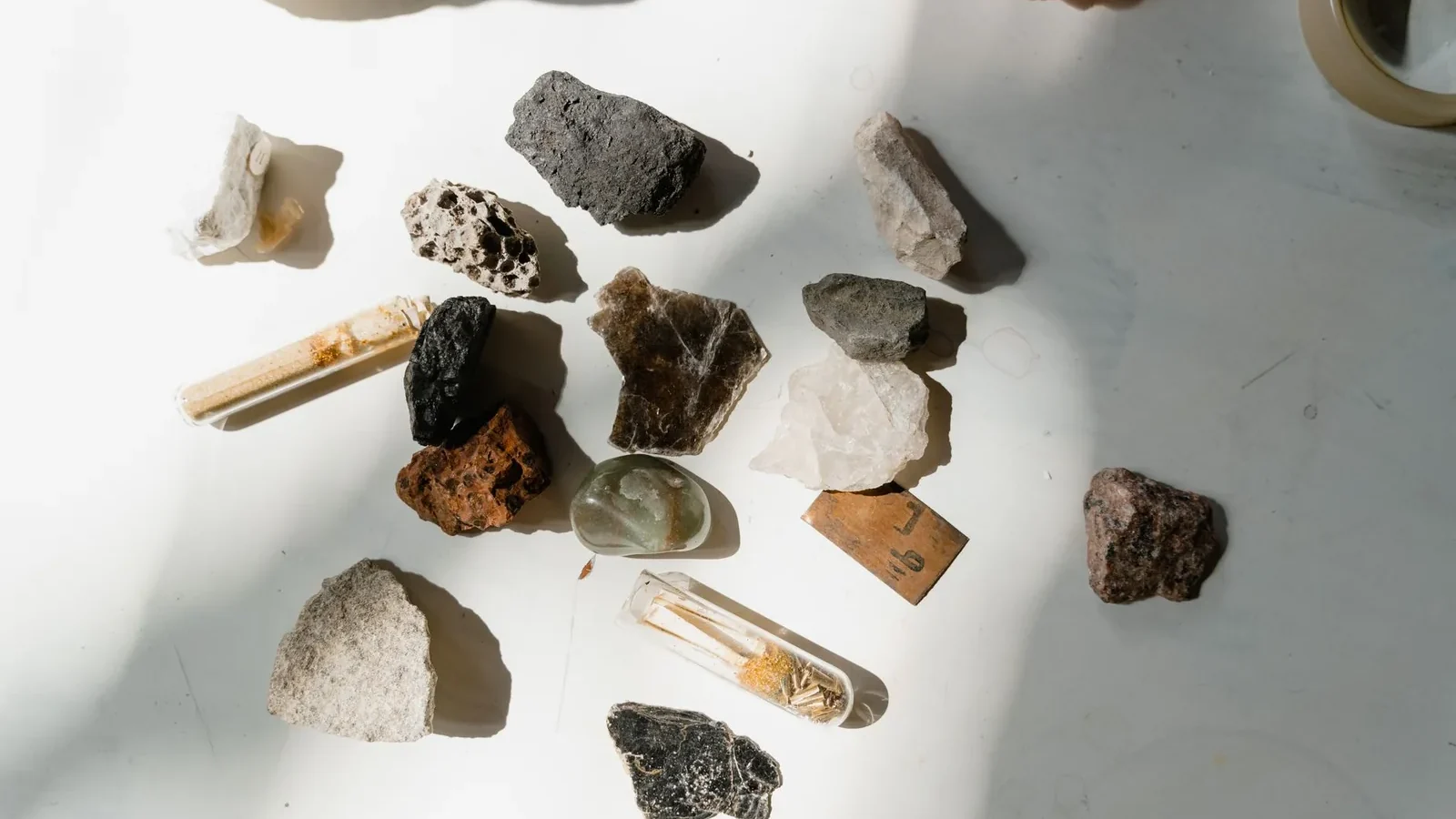
Wine professionals are lately debating the word minerality, commonly used to describe a particular flavor in wine. Is it a real flavor derived from the mineral content of the soil? The science says “no,” at least the existing science. Is it even a real word? The dictionary says “not.” So is it just another obtuse descriptor that attempts to isolate a flavor, which may or may not exist? Who even knows how minerals taste?
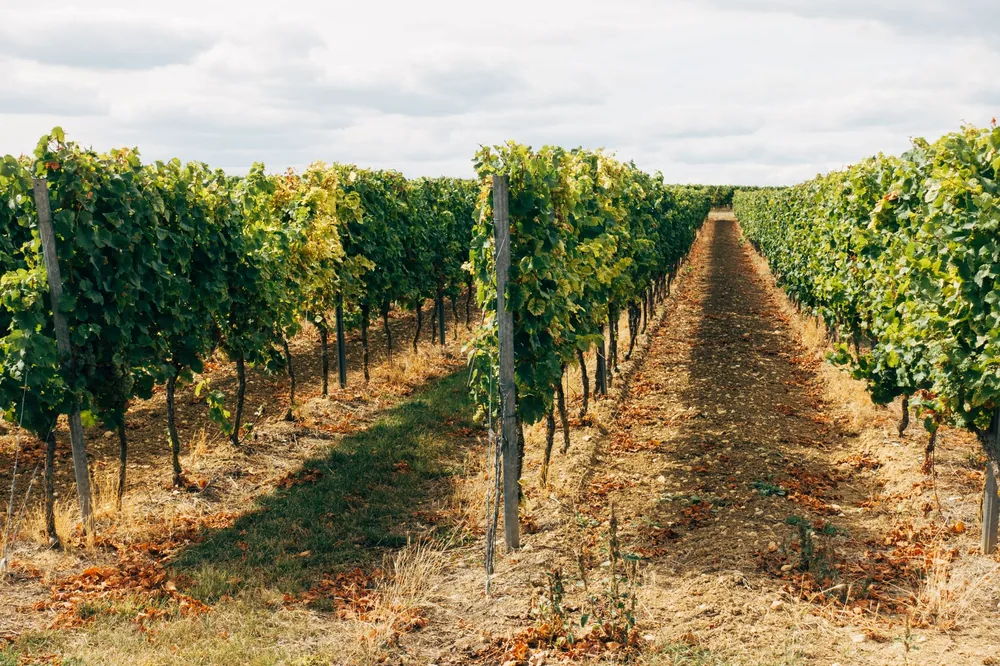
One thing is clear. We all recognize not only the word but also the flavor it describes when we taste it in a glass. Interestingly, a recent lab analysis of wines that tasters described as exhibiting minerality shared particular chemical compounds. But the source of these compounds is a mystery. At least we know that minerality is an objectively real flavor although it may have nothing to do with the actual minerals that the vine could be leaching from the soil.
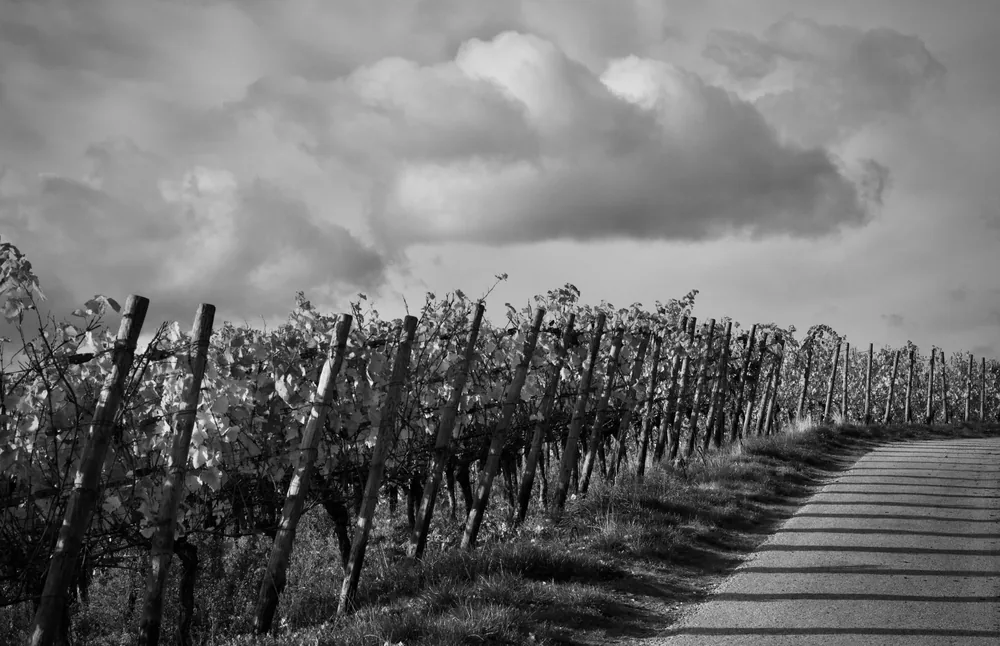
Similarly, the aroma of freshly cut grass associated with some Sauvignon Blanc is unmistakable but has nothing to do with grass. Instead, the flavor is the result of trellising the vines in a certain way that produces more pyrazines, which then render that grassy flavor.
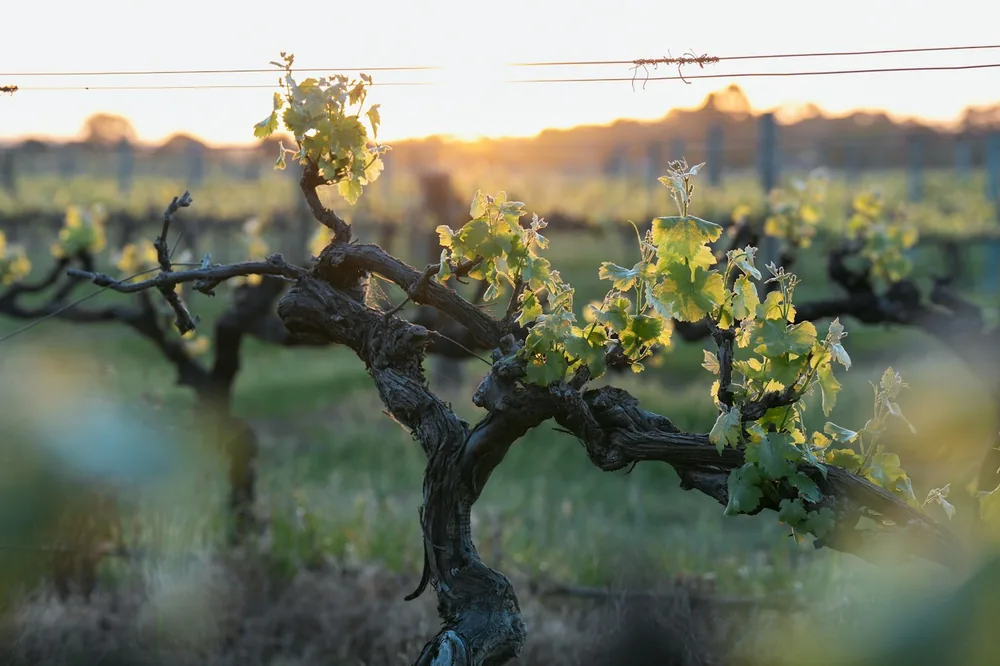
In my experience, minerality is also associated with acidity. The higher the acid content in a wine, the more likely that we will taste something that we can call minerality, but not always. Many crisp whites tend toward fruit, flowers, or almonds instead of the stony sensation that we associate with minerality. Reds can obviously exhibit stony mineral flavors, too.
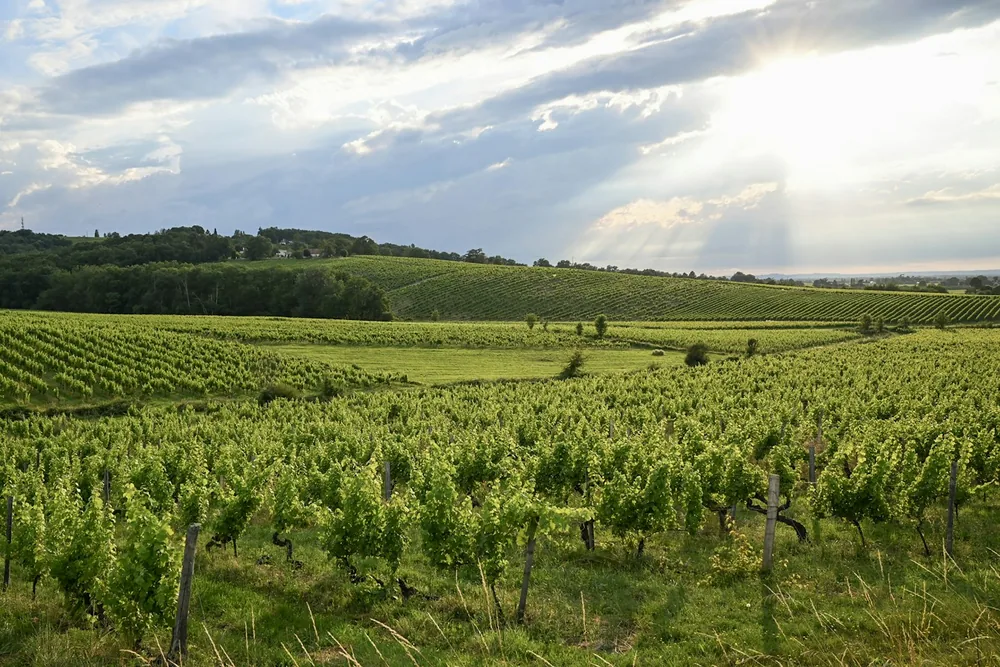
While it may be a good idea that wine professionals talk about wine in a more accessible and precise way, they need not argue about whether minerality is a legitimate descriptor if it clearly describes a flavor that we recognize even though minerals are probably not the source of that flavor.
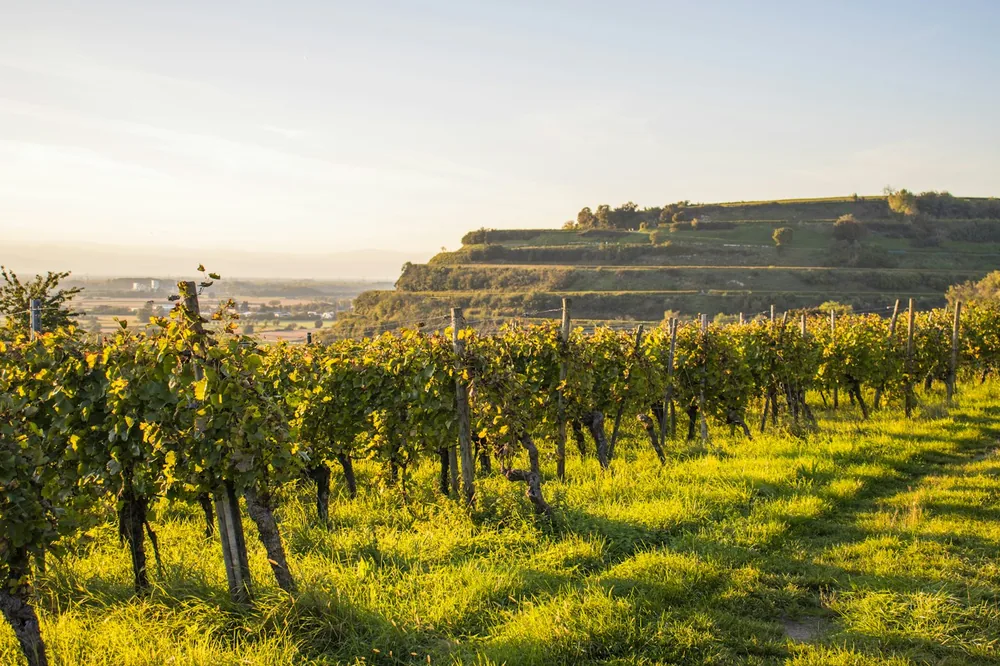
The term is also important because it may have a negative connotation for certain people, who would prefer to avoid such wines in favor of those with fruity flavors.
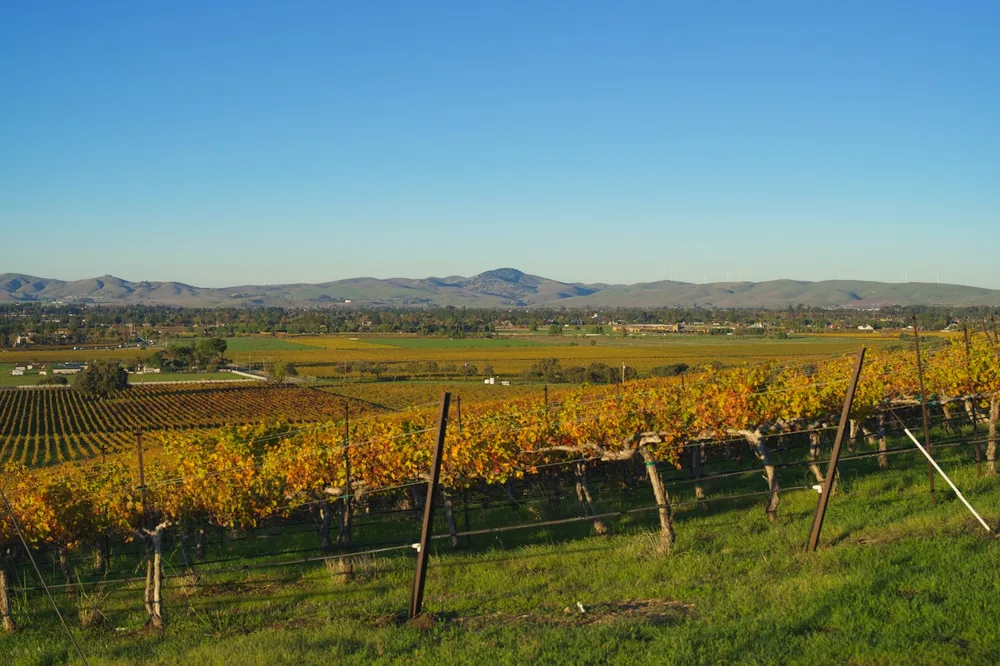
If the discussion seems ridiculous, you may be right. The primarily important aspects of wine are always going to be flavor, acid, and tannin texture, and how they are balanced together in a given win. All three are worthy of focused attention if we want to understand wine and determine what we like, which can then guide our purchases more efficiently.
What a Vine Can and Cannot Take Up From Soil
Roots absorb water and dissolved ions: potassium, calcium, magnesium, nitrogen, phosphorus, and a handful of trace elements. Those ions are essential to the plant, but they are not volatile and they are not aromatic, so they cannot travel into the glass as a smell. The total mineral content of a finished wine is measured in grams per liter and consists mostly of potassium.
That is the core of the scientific objection. A wine cannot smell of wet stone in the way that it can smell of an ester produced during fermentation, because the mineral itself has no aroma to contribute. The sensation is real; the proposed pathway is not.
Where the Sensation Probably Comes From
Several candidates are more plausible. Sulfur compounds formed during fermentation and aging can read as flint, struck match, or gunpowder, and winemakers can encourage or suppress them through nutrient management and oxygen handling. Low levels of fruity esters leave those notes exposed rather than buried.
Acidity and pH play a second role. High acid provokes salivation and a sharp, clean finish that many tasters describe with stony words, and salts present at low concentration can add a faintly saline impression. What the taster calls minerality is often the absence of ripe fruit as much as the presence of anything else.
Soil Really Does Matter, Just Indirectly
The vineyard’s ground shapes wine through physics before chemistry. Drainage determines how much water reaches the vine and when, which controls berry size, canopy vigor, and the concentration of everything in the juice. Stony soils store and re-radiate heat, warming the vine at night and moving ripening forward.
Soil depth and texture also set how far roots travel and how reliably they find water in a dry summer. Those effects are large and measurable, which is why growers care so much about ground that cannot flavor a wine directly. The geology behind such sites is documented in the United States Geological Survey’s mineral resources program, which maps the rocks and minerals that underlie farmland across the country.
| Question | Direct transfer of minerals | Indirect effect on the vine |
|---|---|---|
| The claim | Rock flavors pass from soil into the wine | Soil governs water, heat, and vigor |
| Proposed mechanism | Roots carry mineral flavor upward | Berry size and ripeness change composition |
| Supporting evidence | None demonstrated | Extensive and repeatable |
| Explains vintage variation | No | Yes, through water and heat |
| Useful to a grower | Not actionable | Guides planting and irrigation |
Acidity Deserves the Attention
Two numbers describe a wine’s acidity, and they do different jobs. Titratable acidity measures how much acid is present, while pH measures how strongly it behaves, and the two do not always move together. A wine can carry substantial acid and still taste soft if its pH is high.
Those numbers govern more than taste. Low pH protects a wine against spoilage organisms, stabilizes color in reds, and lets sulfur dioxide work more efficiently at lower doses. When a taster reaches for a stony descriptor, acidity is usually somewhere underneath it.
Why Wine Vocabulary Drifts
Descriptors survive because they communicate, not because they are accurate. Grassy, buttery, and flinty all name a smell by pointing at a familiar object rather than at a compound, and every experienced taster has learned the same shorthand. The grassy example in the newsletter above makes the point exactly: the aroma is unmistakable and has nothing to do with grass.
The risk is that a metaphor gets taken literally and hardens into an explanation. Once minerality is presented as proof that a vineyard’s rocks are in the bottle, an ordinary descriptor becomes a marketing claim. Keeping the word while dropping the theory is the sensible compromise.
A More Useful Way to Describe a Wine
Structure travels better than imagery. Naming the acidity, the tannin, the body, and the finish gives another person something they can verify in their own glass, while a poetic descriptor may not survive the handoff. Flavor words then add color to a description that already stands on its own.
That approach is what the wine skills and knowledge guide builds on, and it is the fastest way to work out which wines suit you. Regional character, the thing minerality is often invoked to explain, is usually easier to trace through climate and grape, as the Italian wine regions guide shows across a country with enormous geological variety.
Minerality FAQ
Is minerality a fault?
No. The sensation is a normal feature of many high-acid wines and is prized in several classic styles. It becomes a fault only when the associated sulfur compounds are strong enough to smell of rubber or drains.
Can a taster be trained to recognize it consistently?
Panels do reach broad agreement about which wines display it, which is what makes the term useful. Agreement is weaker on what causes it and on where the boundary lies. Consistency improves quickly with side-by-side comparison.
Do limestone soils produce mineral wines?
Limestone sites often produce high-acid wines, and high acid is closely associated with the sensation, so the correlation is real. The mechanism runs through drainage, pH, and water supply rather than through flavor transfer. More discussions of this kind are collected in the hot topics archive.