
Is the economy improving? Some people read tea leaves, others palms or cards, and still others the stock market. Me? I check wine prices. Regardless of what the upper one percent is buying or not buying, most wine businesses make money only when the middle class is thirsty for more wine. And it is. According to the annual wine industry report from Silicon Valley Bank, winery sales grew 12.2 percent in 2011 primarily for wine that retailed for $20 or more per bottle.
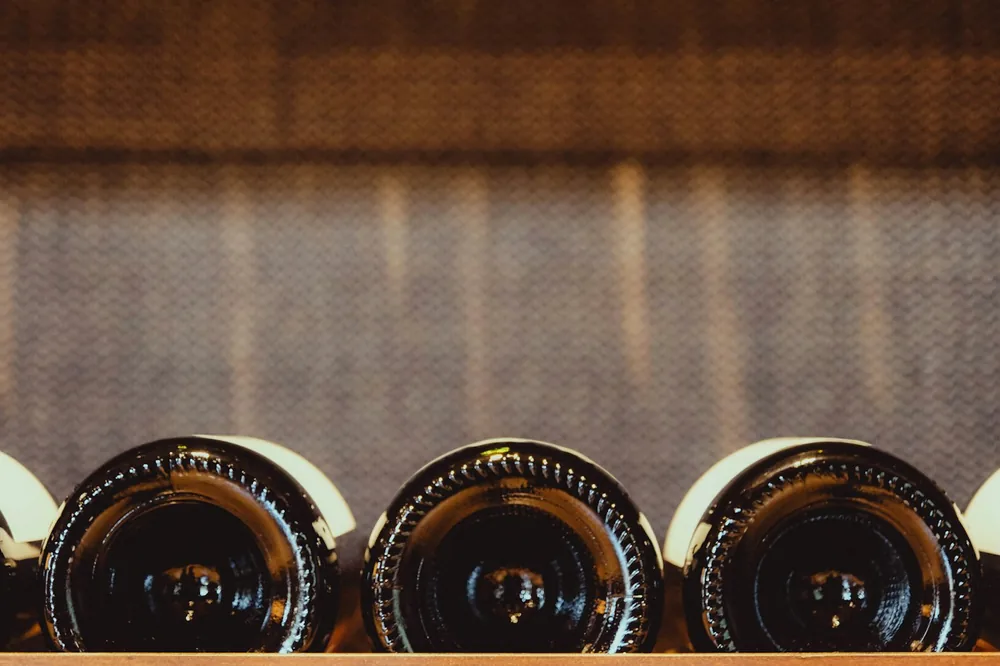
The banking crash of 2008 was a double whammy for wineries. Consumers stopped buying premium wine at $20 or more a bottle. So inventories of unsold wine remained high at wineries, restaurants, and wine shops, all of which stopped buying additional wine as they attempted to sell what they already owned. The marketplace was rife with deals. At the same time, wineries saw big grape harvests. They bottled what they could reasonably hope to sell and sold the rest in bulk to negociants. Those businesses sold it down to the next level, which puts its own labels on bottles and charges the lower prices that consumers were looking for. Two Buck Chuck was never so good. All of that is about to change, according to Silicon Valley Bank.
In the last 18 months, wineries have been talking about grape shortages. Demand is increasing at the same time that the last three harvests have been smaller. For the first time in a long time, new vineyards are in planning stages, but it will be years before they come to fruition. The result? You guessed it. Price increases. Who benefits? Wineries, certainly. But also foreign producers, who can expect to fill in the gap between domestic wine production and consumption. Because of difficulties in the European community, the Euro is weakening against the dollar, so expect a lot more foreign wine on store shelves at good prices.
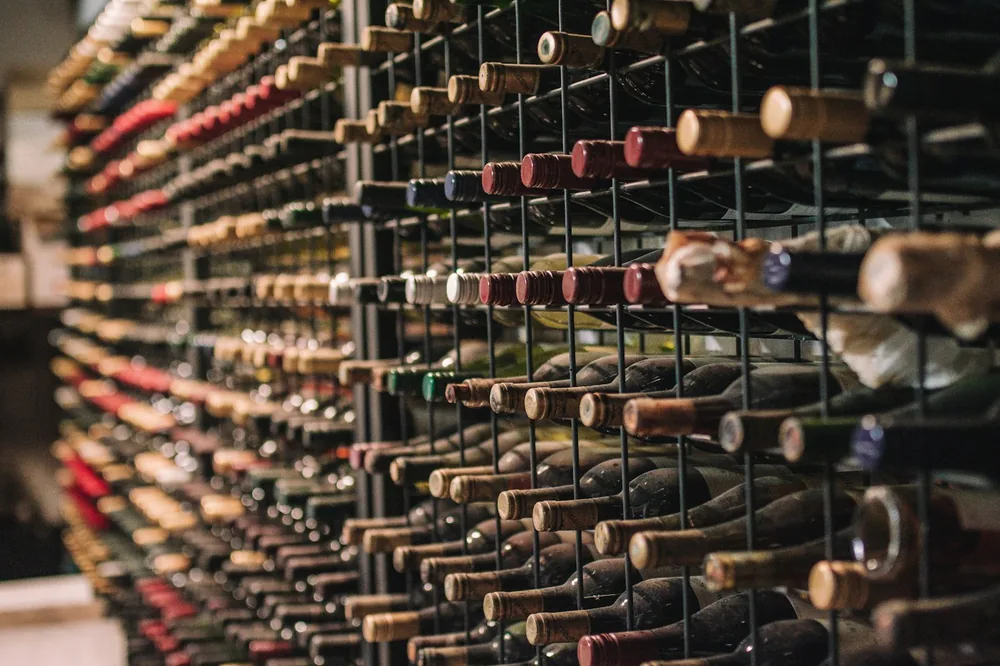
In a word, we won’t be suffering from lack of wine at any price that we choose to pay.
Think of our Facebook page as the black market for Celebrations Wine Club. This week I’ll begin to post wines that are left over from previous shipments and offer discounted prices that will be at least half as much as normal retail. Reorder prices are already greatly discounted. But Facebook prices will be even less. See you on Facebook. And check with your kids if you need directions.
Reading the Market of 2012
This column was written as the wine trade emerged from the aftermath of the 2008 financial crisis, and the pattern it describes is a textbook agricultural cycle. Demand fell, inventory backed up through every level of the trade, and the surplus was pushed into the bulk market where it reappeared under unfamiliar labels at low prices. Grapes that would otherwise have gone into estate bottles ended up sold by the ton.
Recovery then produced the opposite squeeze. Buying resumed faster than vineyards could respond, inventories emptied, and grape prices firmed. Both halves of that cycle were visible in retail prices within about two years.
Why Supply Reacts So Slowly
A newly planted vineyard produces no commercial crop in its first two years, a small one in the third, and a full one somewhere around the fourth or fifth. Before planting, the grower needs land, water, permits, and nursery stock, and nursery orders for specific rootstock and clone combinations are placed years ahead. Red wine then spends further time in barrel and bottle before release.
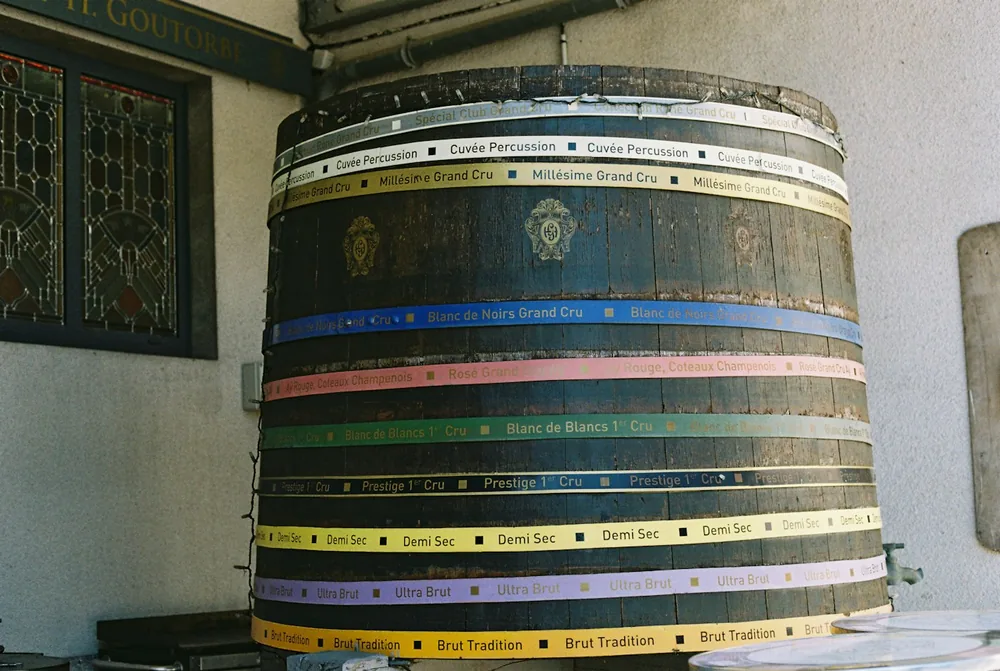
That lag means the industry is always responding to conditions that have already changed. A planting decision made in a shortage arrives as fruit in a glut. It is the oldest problem in agriculture and there is no clever way around it.
| Consideration | Estate bottling | Bulk and negociant bottling |
|---|---|---|
| Grape source | The winery’s own controlled vineyards | Purchased fruit or finished wine |
| Price driver | Land, farming, reputation | Available supply that season |
| Label continuity | Same name year after year | Labels appear and disappear |
| Vintage character | Expressed deliberately | Blended toward consistency |
| Behavior in a glut | Holds price, cuts volume | Expands quickly on cheap supply |
What Actually Sets a Bottle’s Price
Fruit cost is only the beginning. Oak barrels are a substantial per-bottle expense when they are new, storage ties up money for the years a wine ages, and glass, closures, labels, and shipping all move with commodity and fuel markets. Distribution then adds margins at each step between winery and shelf.
Exchange rates matter for imports in the way the newsletter describes, since a weaker euro makes European wine cheaper on an American shelf without anything changing in the vineyard. Tariffs and freight rates can swing the same numbers in the other direction. None of it is visible on the label.
Anyone wanting to track how these pressures show up over time can follow the price indexes published by the Bureau of Labor Statistics, whose Consumer Price Index program measures changes in what households pay for goods including alcoholic beverages. It is a blunter instrument than trade data but a public and consistent one.
How a Harvest Turns Into a Shortage
Crop size varies with weather at three specific moments. Cold or rain during flowering reduces the number of berries that set, summer heat spikes can shut down ripening and shrivel fruit, and rain near harvest dilutes and invites rot. A single poor season is absorbed by carryover stock, while three in a row empty the tanks.
Fire, frost, and drought act on the same arithmetic from different directions. Growers can protect against some of it with wind machines, irrigation, and picking decisions, but not against all of it in every year. Small harvests therefore tend to arrive in clusters, and so do the price rises that follow them.
Where the Middle of the Market Sits
The segment this column identifies, wine at around twenty dollars and above, is where the trade watches most closely. Below it, price competition is fierce and volume comes from large producers with bulk supply. Above it, sales depend on reputation and scarcity rather than on the ordinary economy.

Reading This Column Now
Celebrations Wine Club shipped California and Italian wine for twenty-five years and stopped shipping in December 2019, so the closing paragraphs above, including the reference to discounted leftovers on social media, describe an offer that ended with the club. What survives is the market commentary, which reads as a snapshot of how the trade felt at a particular moment. The newsletter archive holds the rest of the series in sequence.
Read across several years, these columns track a full cycle from glut to shortage and back. The club’s own account of how it operated through those years sits in the history of the club.
Wine Prices FAQ
Does a higher price predict a better wine?
Only loosely, and least reliably at the top of the range where scarcity and reputation dominate. In the middle of the market, price does correlate with farming cost and oak. Blind tasting remains the only test that matters for an individual palate.
Why do some labels appear for a year and then vanish?
Because they were created to move a particular parcel of surplus wine and had no vineyard behind them. When the supply dries up, so does the brand. This is a normal feature of the bulk market rather than a scandal.
Do grape shortages reach the consumer quickly?
Whites and lighter reds arrive within a year of harvest, so their prices move first. Reds held in barrel take longer, which spreads the effect over several years. Regional context for those harvests is collected in the California wine regions guide.