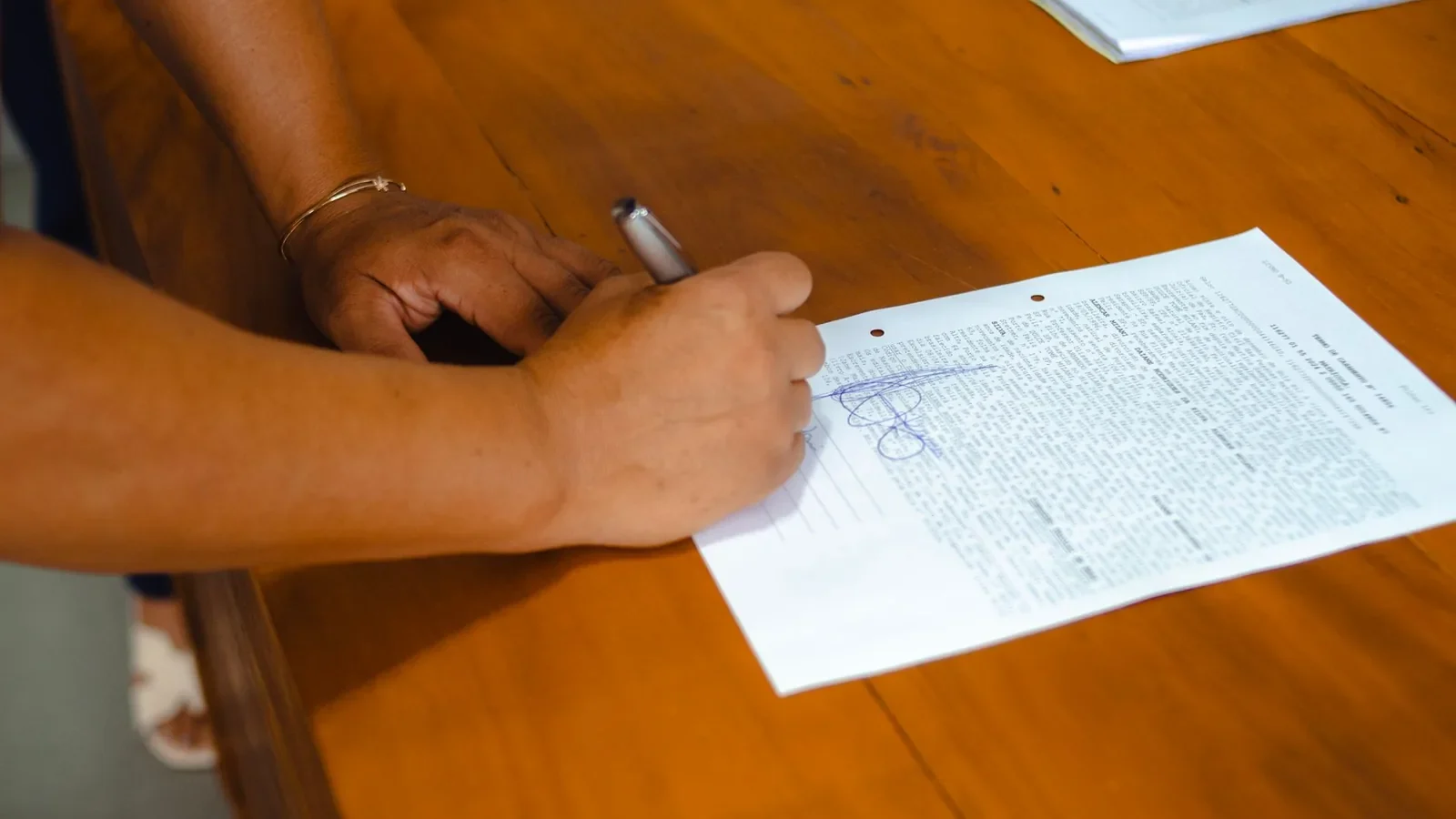
Because of the signature requirement for alcohol, most of you receive your packages at your offices, the easiest way to accommodate the regulation, which has become a serious one. Others have their packages shipped to nearby family members or friends, who can provide the signature. But if you work from your house or are retired, you are probably “in and out,” so being available to sign for the package can at least occasionally be challenging. Here is some advice that may be helpful.

Please give us your email address if we don’t already have it. Our contact information is located on the first page of the newsletter or on the website. If we have a correct address, you’ll receive the approximate delivery date and tracking number when we generate the label. You can call the carrier with the tracking number to get a precise delivery date.
Take the door tag seriously. The driver will attempt delivery three times. In the event that you are not available on the first attempt and find a tag stuck to your door, read it. You’ll see a reference number and a phone number. Call the number and ask the carrier to deliver at a convenient time on the next two attempts. The carrier will try to accommodate your schedule. But it’s true that, each day, the driver will be in your area at a certain time and will prefer to drop off the package then. When the driver delivers, ask what time he or she is normally on your street. Or call the number on the door tag to find out. But when that hour is inconvenient, call the carrier and insist on another time.
What’s at issue here, is the phone call that you’ll have to make if you need to reschedule a delivery. Be comforted. Like anything else, habit will kick in, and you’ll develop an altered consciousness that will take note of the approximate delivery date in the email. You’ll anticipate the approximate delivery time of the package after you find out when the driver is normally in your neighborhood, and finally you’ll develop the willingness to make the phone call to the carrier when you anticipate a conflict.

Life is full of petty annoyances, but those you will receive from the signature requirement will be entirely mitigated by the contents of the package. Enjoy!
Why an Adult Signature Was Required
The signature rule described above was not a carrier preference. Shipments containing alcohol have to be handed to an adult, and the delivery driver is the person verifying that, which is why a package could not simply be left on a porch. Carriers built dedicated alcohol programs around that obligation, with their own labeling, routing, and driver instructions.
Direct shipment of wine to consumers is regulated state by state rather than nationally. A winery or club shipping into a given state generally needed a permit from that state, had to report what it shipped, and had to observe volume limits. California’s Department of Alcoholic Beverage Control law and policy pages show the shape of one state’s framework; every other state wrote its own.

How Deliveries Actually Reached Members
Once a label was generated, the package entered the carrier’s normal network but carried an alcohol marking that required the signature at the door. Drivers ran fixed routes, so a household’s delivery window tended to be consistent from week to week. That predictability was the single most useful piece of information a member could have, and it usually took only one conversation with a driver to learn it.
When nobody was home, the door tag started a short clock. Three attempts were standard, after which the package returned to the shipper. Calling the number on the tag to redirect the delivery or hold it at a carrier location was almost always faster than waiting for the next attempt.
| Consideration | Home address | Workplace address |
|---|---|---|
| Who signs | Anyone at home aged 21 or older | Reception or mail room staff aged 21 or older |
| Missed delivery risk | Higher on weekdays | Low during business hours |
| Time on a hot porch | None once signed for | None, but the box may sit in a warm van longer |
| Weekend delivery | Possible | Usually not accepted |
| Privacy | Complete | Colleagues see the shipment |
Heat, Cold, and the Shipping Calendar
Wine is more vulnerable in transit than most goods because heat drives expansion inside a sealed bottle. A box sitting in a delivery vehicle on a summer afternoon can reach temperatures that push wine past the cork, leaving a sticky seepage line under the capsule. Cold has a subtler effect, but a frozen bottle can push its cork out entirely.

For that reason, wine shippers have long clustered deliveries into spring and fall, offered refrigerated service in summer, and paused shipping during heat waves and hard freezes. Insulated liners and gel packs extend the safe window but do not eliminate it. A quick look at the capsule on arrival, checking for seepage or a raised cork, was the practical test.
Packing a Case of Wine
The inner packaging matters as much as the route. Molded pulp inserts and expanded polystyrene shippers hold each bottle separately so that glass never touches glass, and they add a thermal buffer at the same time. A twelve-bottle case in a proper shipper survives handling that would break bottles packed loose with paper.
Orientation is a smaller factor over a few days in transit, since a cork will not dry out in that time. What does matter is keeping the box upright at rest so that any settled sediment stays put. Standing a delivered bottle up for a day before opening is a sensible habit with older wine.
What Happened to Deliveries in the Archive
Celebrations Wine Club shipped for twenty-five years and stopped shipping in December 2019, so the delivery advice in this newsletter describes how the club’s shipments worked at the time rather than any current service. The newsletters were the club’s main channel for that kind of housekeeping, alongside tasting notes and regional features. The newsletter archive preserves them in sequence, and the history of the club explains how the operation was structured.

Reading them now, the logistics chapters are a fair record of what direct-to-consumer wine shipping asked of everybody involved. Members organized their weeks around a delivery window. The club organized its year around the weather.
Wine Delivery FAQ
Why could a wine shipment not be left at the door?
Because an adult had to be identified as receiving it, which requires a person. Carriers treated an unattended alcohol delivery as a compliance failure, so drivers left a tag instead. Signature release forms that work for ordinary parcels did not apply.
Could a neighbor sign for a wine delivery?
Frequently yes, if the neighbor was of legal drinking age and the driver was willing. Redirecting the package to that address through the carrier was more reliable than hoping for a doorstep handoff. Holding the parcel at a carrier location was the other dependable option.
What did seepage under the capsule indicate?
It usually meant the bottle had been hot enough for the wine to expand past the cork. The wine inside may still be sound, but it has been stressed, and aroma is often the first casualty. Wineries and shippers generally treated visible seepage as grounds for replacement.

Anyone who wants the broader context for how wine reached a celebration table will find it in the wine for celebrations guide, which covers planning quantities and timing rather than carriers and door tags.