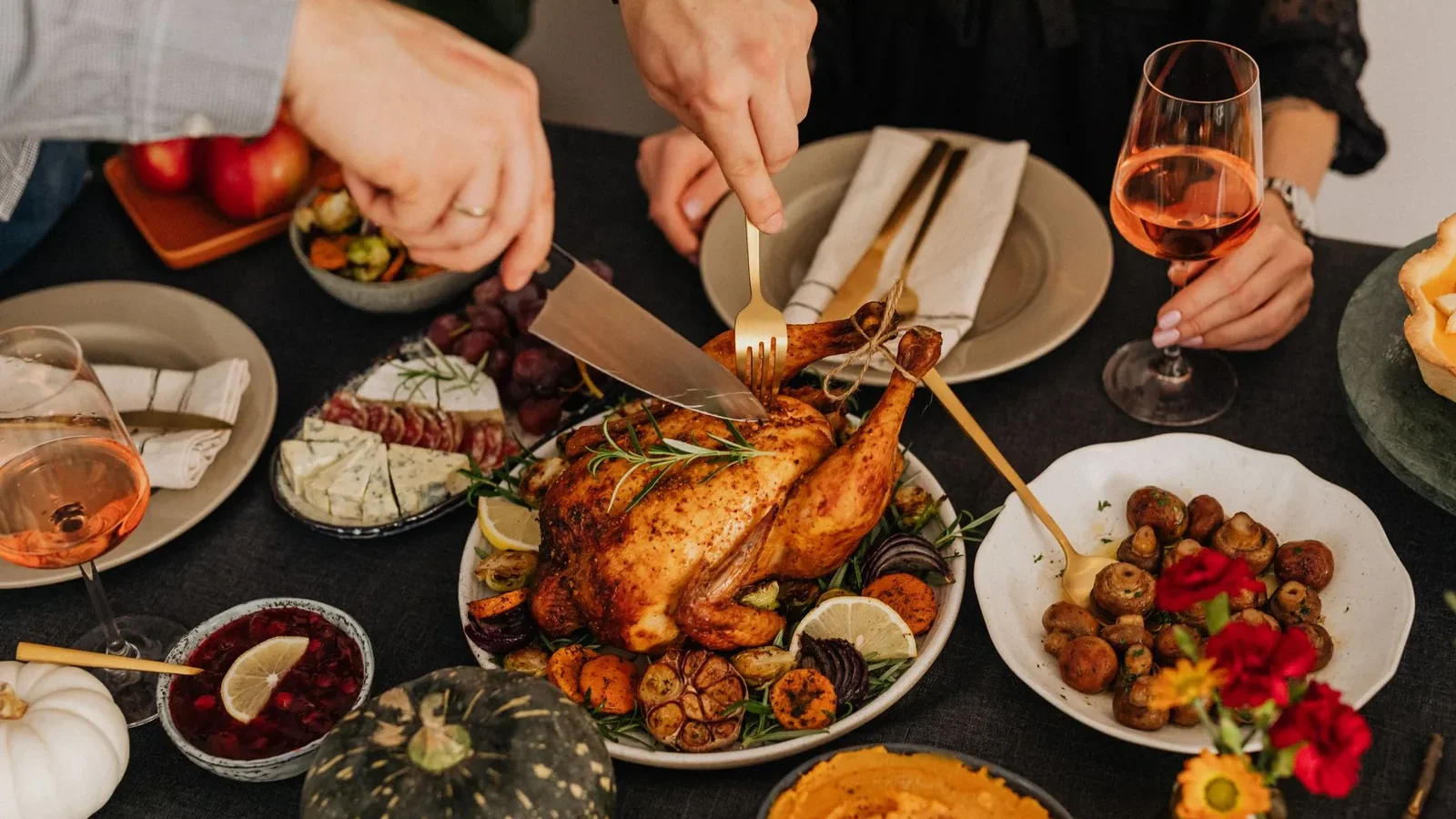
The Thanksgiving meal is the world’s simplest, and therein lies its beauty of presentation and flavor, simple wholesome foods that commemorate the first harvest that the Pilgrims enjoyed nearly 400 years ago. But there seems to be a certain thrust among food experts to complicate this simple menu.
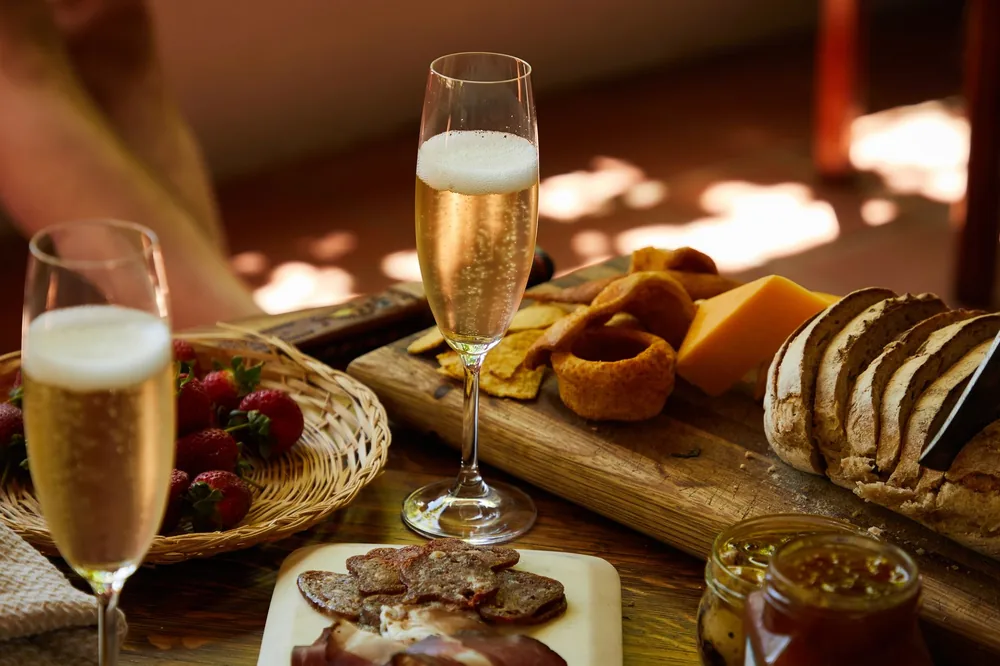
What ever happened to the beautifully oven roasted turkey? Now the turkey must be brined first, which is to say soaked in a solution of sugar and salt before it can be roasted even though it may have already been injected with an anonymous fluid. And if that isn’t novel enough, try a different cooking method. Deep-fry the bird in equipment made especially for the purpose. Both approaches are supposed to guarantee a moist turkey when simply limiting roasting time will ensure the same result and taste better.

What could be tastier than sweet potatoes or yams roasted in their skins? The answer seems to be candied yams with maple syrup. You peel and slice the potatoes into rounds and layer each stratum with sugar and cinnamon, then drizzle with melted butter and maple syrup as though the sweet potato were actually sour and required treatment.
Cranberry sauce, made from those delicious, tangy berries, was long ago transformed into a benign canned jelly. It then developed into a relish with orange zest and juice, not bad. The latest transformation requires the addition of bourbon or port. And, no, this is not a new cocktail. But where is real cranberry sauce hiding, the one made from actual cranberries, popping in a pan with a little sugar?
Stuffing is maybe the most creative exercise on the menu. My least favorites are those made with several meats and a fish or two. What happened to the breadcrumbs, apples, onions, and nuts of old that were packed into the turkey cavity and exited with not only the combined flavors of the ingredients but also the turkey juices? Where is that recipe?
My heart-felt plea is simply this: Let’s get back to basics, basic flavors and wholesome foods, faithfully presented on our tables and in our plates. And any recipe with more than four ingredients, excluding salt and cooking oil, should be suspect because, instead of focused flavor, it produces chaos and exaggeration and makes you want to order in a pizza next time. By the way, the four-ingredient rule applies to pizza. Have you ever eaten pizza where it was born in Naples, Italy? The ingredients are as follows: crust (flour, yeast, olive oil), tomatoes, fresh mozzarella, fresh basil. It’s the most intense and flavorful pizza that you’ll ever eat. In case you’re counting, I’m ignoring the yeast because it’s just a catalyst for the dough.
Enjoy, and Happy Thanksgiving from us to you.
Why This Particular Meal Defeats Wine
The Thanksgiving table breaks nearly every convention of pairing at once. A single plate may hold roast poultry, something sweet, something tart, something herbal, and something starchy, all eaten in the same mouthful and in no fixed order.
Sweetness is the element that causes the most damage. A dish sweeter than the wine strips the fruit out of that wine and leaves its acid and tannin standing alone, which is why candied yams and cranberry relish can make a perfectly good red taste thin and hard.
Acidity is the counterweight. A wine with brisk acidity survives contact with a tart cranberry sauce, while a soft, low-acid wine tastes flabby beside it. If the menu has been simplified in the way this article argues for, the pairing problem shrinks considerably along with it.
| Dish | Dominant element | Wine trait that copes |
|---|---|---|
| Roast turkey, plainly cooked | Mild savory meat | Almost anything; the bird is the neutral party |
| Cranberry sauce | Sharp acidity, some sweetness | High acidity, gentle tannin |
| Candied yams | Sugar | Fruit-forward, low tannin, or a touch of sweetness |
| Bread stuffing with herbs | Savory, aromatic | Earthy or herbal character rather than pure fruit |
| Gravy and drippings | Fat and salt | Acidity to cut, since salt softens tannin |
The pattern in that column is consistent: acidity survives, heavy tannin does not, and moderate alcohol reads better than high alcohol on a table this rich. That points toward lighter reds, textured whites, and sparkling wine rather than the biggest bottle in the house.
Sparkling Wine Is the Underused Answer
A dry sparkling wine handles this meal better than almost anything else, and it is generally the last thing anyone considers once the toast is over. Its acidity cuts fat, its carbonation resets the palate between mouthfuls, and its lack of tannin means nothing to clash with sweet side dishes.
It also solves the practical problem of a table where people arrive and eat over three hours. One style can carry from the first arrival through the plate itself without requiring anyone to change glasses. Our guide to wine for celebrations makes the same argument for gatherings generally.
Quantity is the other advantage. A meal that runs for hours gets through more wine than anyone plans for, and a single style means the second and third bottles are simply more of the same rather than a decision.
The Case for the Four-Ingredient Rule
The complaint above about recipes with too many ingredients is not nostalgia. Flavors compete for the same perceptual space, and past a certain point additional ingredients do not add complexity but subtract definition, producing a dish that tastes vaguely of everything.
Traditional cooking arrived at short ingredient lists through scarcity and then kept them through preference, because the results were better. The Neapolitan pizza described here is the standard example, and the same logic governs a good bean soup, a roast, or a simple sauce.
It also makes the cooking legible. When four things are on the plate, you can taste which one needs adjusting, which is the entire feedback loop that makes a cook improve.
Roasting, Brining, and the Question of Moisture
The argument against brining is essentially an argument about salt and time. Brining works by allowing salt and water into the muscle, which changes the protein structure so the meat retains more liquid during cooking, and it does succeed at that. What it costs is concentration of flavor and, frequently, a skin that will not crisp.
The alternative is a matter of temperature discipline: dry the bird well, salt it in advance, cook it to the right internal temperature rather than by a clock, and rest it before carving. Poultry doneness is a food safety question as much as a culinary one, and the Food and Drug Administration’s food safety guidance covers safe handling and internal temperatures.
Resting matters more than most people expect. Meat carved straight from the oven loses its juices onto the board, while the same bird left alone for twenty or thirty minutes reabsorbs them.
Thanksgiving Wine FAQ
One wine or several?
One versatile wine served generously beats three specialized ones on a table this crowded. If you want a second, make it a contrast rather than an upgrade, such as a textured white alongside a light red.
Does the wine need to match the turkey?
Not really, since plainly roasted turkey is mild enough to accommodate almost anything. Match the side dishes and the gravy instead, because they carry the sugar, salt, and acid that actually move the wine.
What about the pizza question?
The same principle applies: a short ingredient list and real acidity in the tomato call for a wine with matching brightness rather than weight. Italian styles built alongside that cooking are surveyed in our guide to Italian grapes and styles, and the pairing logic in our food and wine pairing guide applies unchanged.