
by Debra Williams
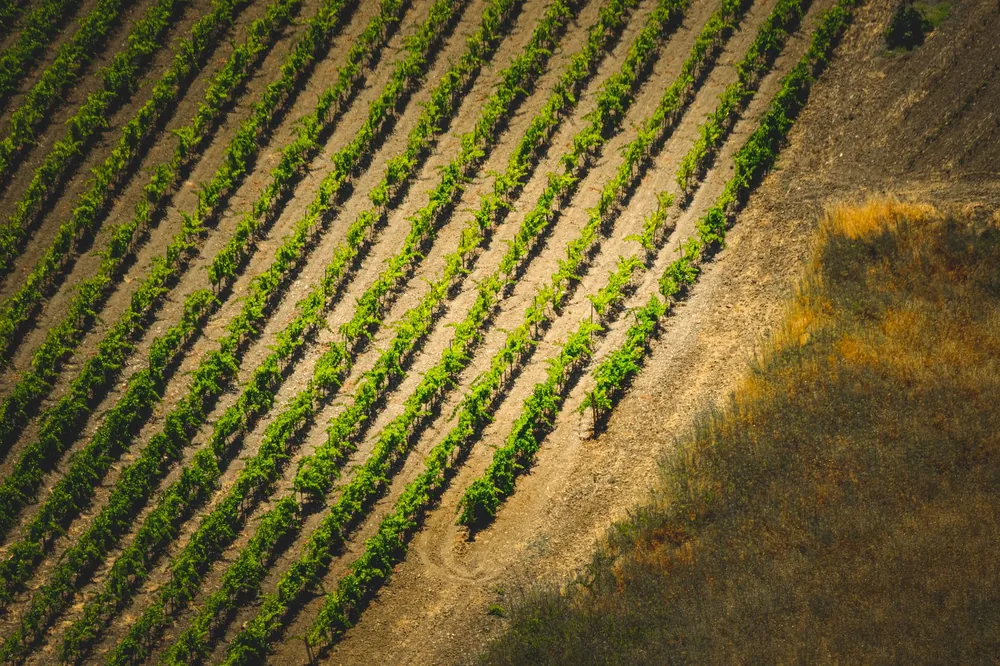
Hey, I said it. Being a wine snob is not a bad thing. We all want to be perceived as being knowledgeable about wine when in the presence of other seasoned wine drinkers. Gone are the Boons Farm and Solo cups days, right? It makes for some fond college memories, but hopefully we’ve all moved past that now. So what are some things to do and not to do when in a group of wine experts? Here’s a few of my favorites.
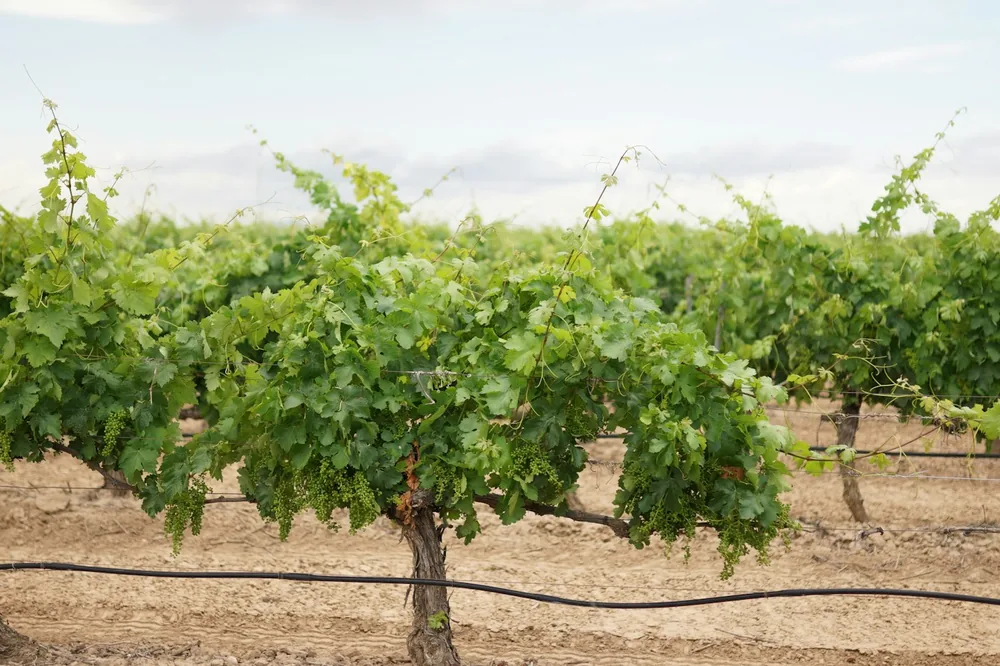
Don’t Smell the Cork
It might make for great visual, but there is nothing about that cork that gives you any true indication of the true taste of the wine. As they say, “The proof is in the pudding.” Always take that first taste when the sommelier offers it to determine the true nuances of the wine.
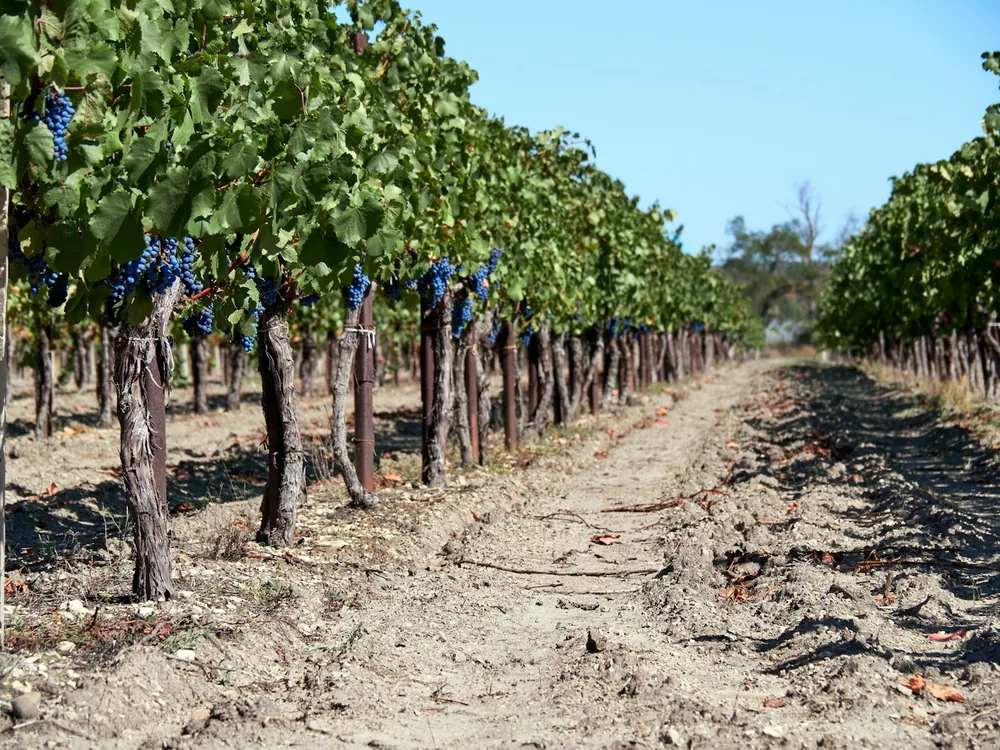
Red Wine is Best Served Chilled
Ever been in a wine cave that is 78 degrees? Me either. Every wine cave I’ve ever entered required a sweater. Red wine is best at 55-60º.
Consider Your Food Pairing
A thyme, lemony white fish dish and robust red wine would not be the best pairing for any guest. It’s important to make sure that your food choices match with the wine you are serving. Google will be your best friend. Food & Wine Magazine is my go-to source when I’m looking for pairing recommendations.

Always Serve Yourself Last
Wine tasting is about sharing and enjoying with friends and family. When pouring, be sure that everyone in your group is served before serving yourself.

Take the Time to Smell and Taste Your Wine
Did you know that a lot of what we taste is determined by what we smell? Take the time to first sniff your wine. Then, follow that sniff with a slow taste. Let the wine linger in your in mouth for a moment. Let you palette really discover the nuances of the wine. Once you’ve swallowed, wait for the aftertaste. It can release a whole different taste experience.
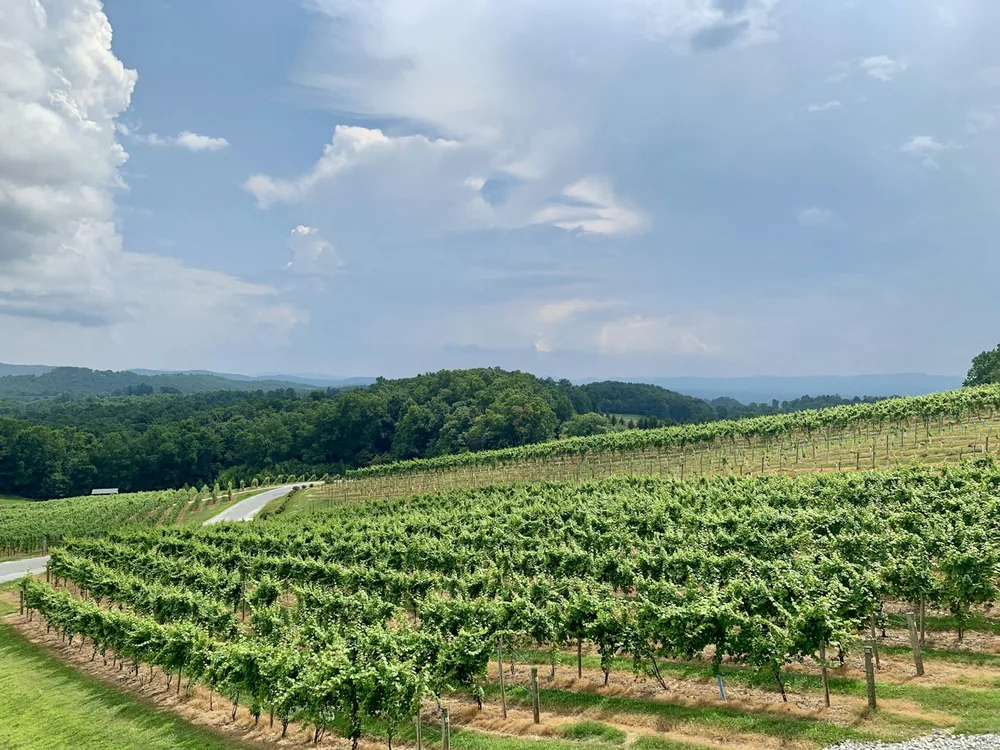
Remember Wine is about our Individual Perspectives
Never criticize another taster’s conclusions. My husband loves spice, football, steak, and red wine. I’m music, fish, bland, and love my white wines. Our tastes are different. If someone loves their glass of wine and perhaps you do not, then it’s OK. Remember, the reason we have so many wonderful varietals of wine in the world is because of our wonderfully diverse palettes. Let’s celebrate that.
Why Smell Does Most of the Work
The tongue detects a handful of basic tastes, while the nose distinguishes an enormous range of aroma compounds, which is why nearly everything people call flavor is actually smell. Aroma reaches the olfactory receptors twice: directly through the nostrils, and retronasally from the back of the mouth as you swallow. The second route is why holding wine in the mouth for a moment reveals so much more than a quick sip.
This also explains why a head cold flattens wine to sweetness, sourness, and heat. Taste and smell disorders are common enough to have their own medical literature, summarized in the National Library of Medicine’s overview of taste and smell disorders. Anyone who has lost the sense temporarily knows how much of the pleasure of wine lives in the nose.
Making the Most of a Sniff
Short, repeated sniffs work better than one long inhalation, because olfactory receptors adapt quickly to a continuous stimulus. Swirling first releases more volatiles into the headspace of the glass. Coming back to the same wine after a minute or two often reveals aromas that were not there at first.
What the Cork Ritual Is Actually For
Handing the cork to the host is a leftover from a period when counterfeit bottles were refilled and rebranded, and the cork carried the producer’s name as a check. It is worth a glance rather than a sniff. Wine seeping up the sides, a cork pushed proud of the neck, or crumbling under a young bottle’s capsule all suggest heat damage or a poor seal.
The taste offered afterward is a soundness check, not an invitation to reconsider your choice. What it detects is a faulty bottle, most often cork taint or oxidation. Disliking the style is not grounds for rejection, though a good sommelier will usually help anyway.
| Moment | Worth keeping | Worth dropping |
|---|---|---|
| The bottle arrives | Check the label and the fill level | Sniffing the cork ceremonially |
| The pour | Fill about a third of the bowl | Filling glasses to the rim |
| Holding the glass | By the stem | Cupping a chilled bowl in your palm |
| Assessing the wine | Swirl, sniff, taste, wait for the finish | Announcing a verdict before swallowing |
| Talking about it | Describing acidity, tannin, and body | Correcting someone else’s descriptor |
Tasting Order and Palate Fatigue
A sequence of wines is easier to judge when it runs from light to heavy, dry to sweet, and young to old. Reversing that leaves a big, tannic wine flattening everything after it. Sparkling wine belongs at the start, and genuinely sweet wine at the end.
Palate fatigue arrives faster than most people expect, usually after six or eight wines tasted attentively. Water between wines helps more than crackers, and strongly flavored food derails a comparison entirely. Spitting is standard at professional tastings for the obvious reason.
The Faults Worth Recognizing
Three faults account for most bad bottles, and each has a distinct signature. Cork taint smells of damp cardboard or wet dog and strips fruit away. Oxidation turns a white brown and brings flat, bruised-apple and sherry-like notes. Volatile acidity, at high levels, smells of vinegar or nail polish remover.
A fourth possibility is a wine that is simply closed, which is not a fault at all. Reduction, caused by a shortage of oxygen, gives struck-match or rubbery aromas that often blow off with air or a vigorous swirl. Waiting fifteen minutes before deciding avoids most false alarms.
Knowing these signatures matters more than any vocabulary of fruit descriptors, because they are the only judgments where being right is objectively useful. Everything else is preference.
Talking About Wine Without Annoying Anyone
The most useful contribution in any group is a structural description rather than an imaginative one. Saying that a wine is high in acid, light in tannin, and finishes short gives everyone something to check against their own glass. Saying it reminds you of a wet garden path does not, however true it may be.
The closing point of the newsletter above is the important one: preferences differ, and the pleasure of a shared bottle survives disagreement about it easily. Building a working vocabulary is covered in the wine skills and knowledge guide, and matching wine to what is on the table is the subject of the food and wine pairing guide.
Wine Etiquette FAQ
How full should a wine glass be?
About a third of the bowl, or roughly five ounces in a standard glass, which leaves headspace for aroma and room to swirl. A generous-looking pour is a technical mistake. Larger glasses need proportionally less, not more.
Is it acceptable to send a bottle back?
Yes, when the wine is faulty, which usually means corked, oxidized, or noticeably heat damaged. It is not acceptable simply because you prefer a different style. Describing what you smell rather than pronouncing a verdict makes the conversation easier.
Who should pour at a private dinner?
Whoever opened the bottle, serving others first and themselves last, with the label facing the guest. Nothing about it needs to be formal. The point is that everyone has wine at the same time, which is also the theme of the wine for celebrations guide.