
Last Month I wrote about the differences in red wines. This month, as promised, I’m writing about the six major white wines and what makes them different. Here we go…
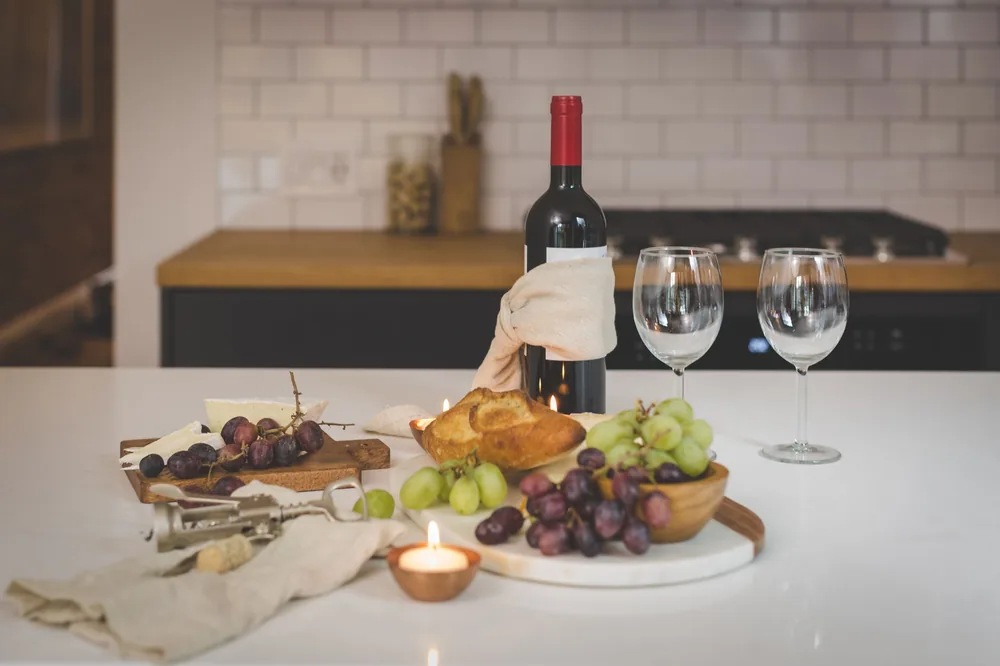
Chardonnay
This wine tends to be velvety, can be buttery in the mouth. Typically the palate is one of rich citrus fruits like grapefruit or lemon. Might not be the best wine for a first time wine drinker, as Chardonnay can have a toasty character to it and can finish a bit heavier. Great wine to pair with fish and chicken.
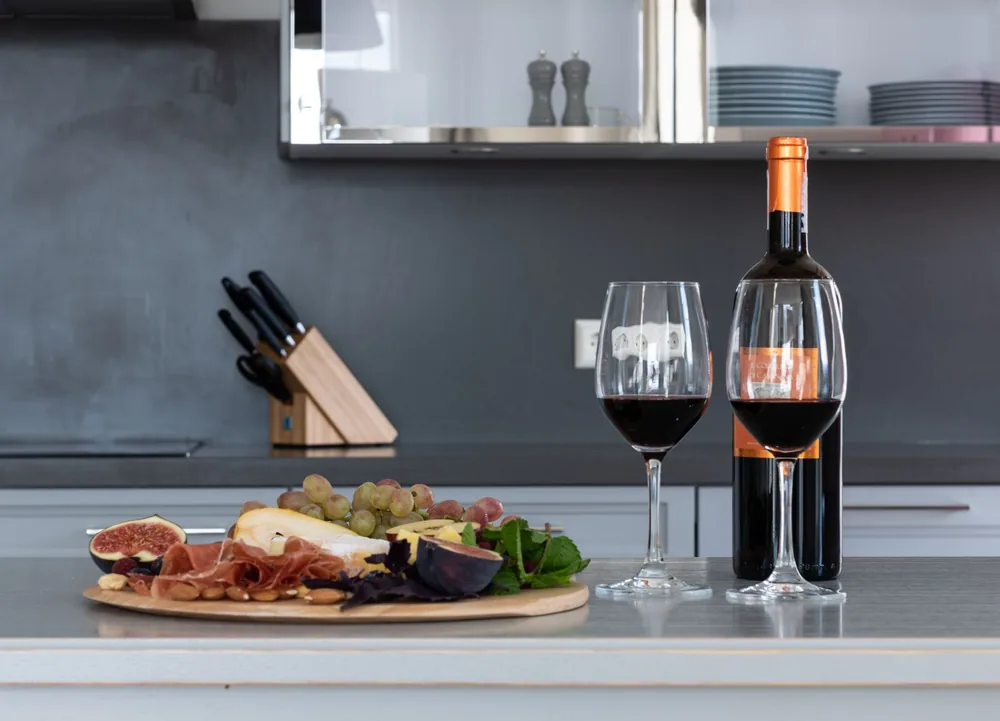
Sauvignon Blanc
This wine can have a more herbal character; think bell pepper or freshly mowed grass. Often one tastes apple and pears or tastes of citrus fruits. There may even be a bit of smoky quality. This is often a good wine for the novice wine drinker and can be found very reasonably priced. Pair with seafood, salads, or chicken.
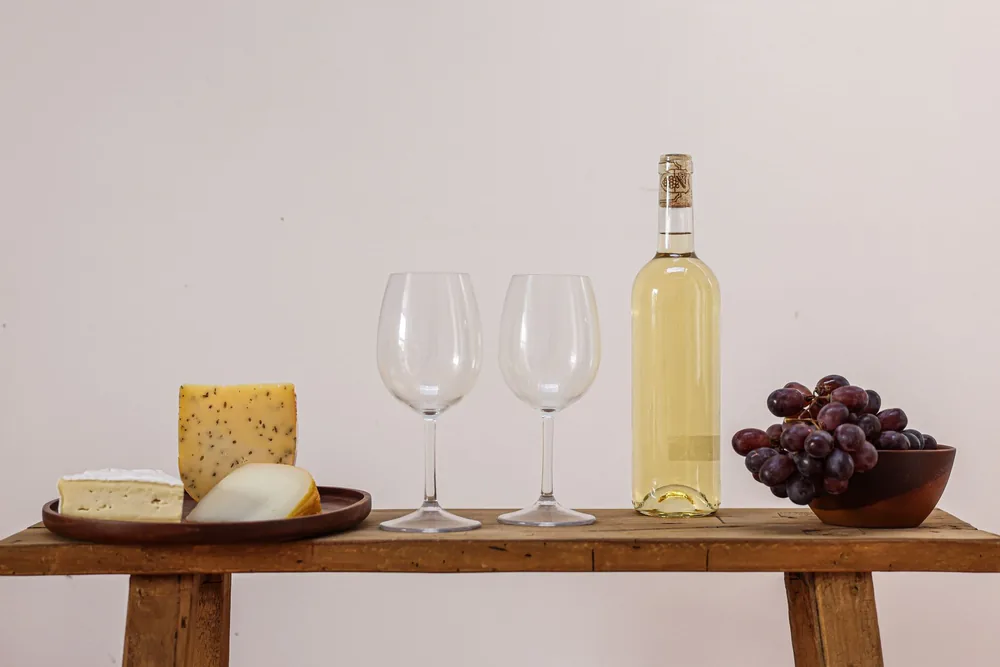
Semillon
White grape from the Bordeaux region of France. This wine tends to have a much stronger flavor, very fig-like in nature. It is often blended with sauvignon blanc to tone down some of the strong berry flavors that can be found in this wine. Definitely not a wine typically for the beginner. Pair with clams, mussels, or pasta salad.
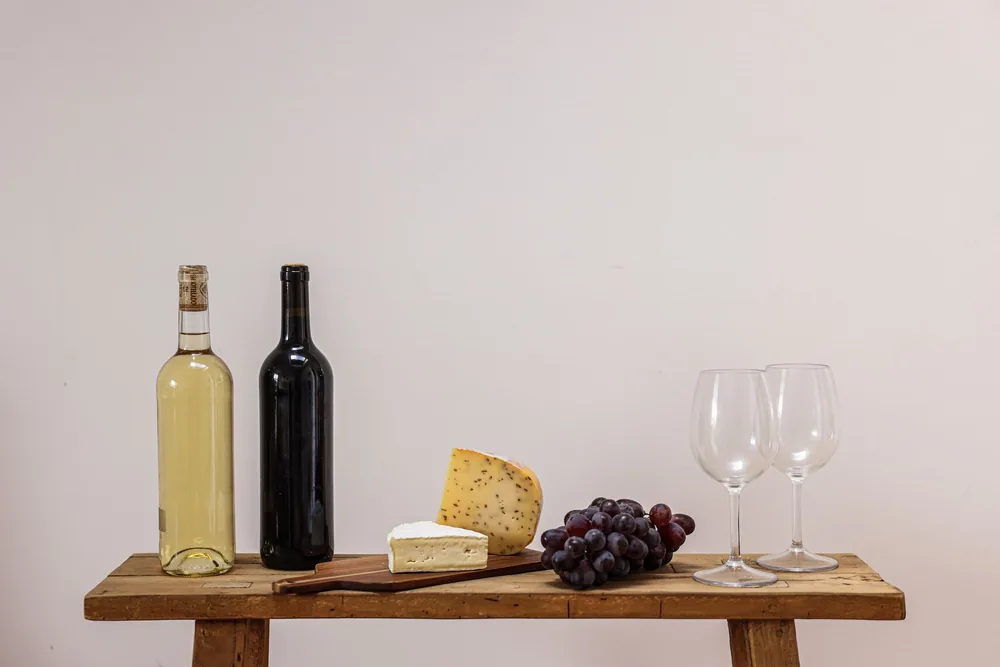
Moscato
Comes from the Moscat family of grapes. This is a very sweet wine. Typically very fruity with a berry or grapefruit taste. Perfect wine for someone who is just dipping their toe into the world of wine. Pairs nicely with sweet deserts.

Pinot Grigio
This grape is found typically in Italy or the west coast. I love the crispness of this wine. It typically has a very fruity aroma and flavor, but can have a bit of an acidity taste. Still a wonderful, light wine. Pairs nicely with spicy Chinese or Thai food. I enjoy it with a pizza heaped with fresh herbs.

Riesling
This grape has rich German history. This is another great light wine with wonderful aromas of apples. It can be citrusy or dry. The flavors can vary based on the district and winemaking technique. Great wine also if serving to a beginner. Pairs with spicy Asian food, fish, chicken, or pork.
If you are looking for additional information about white wines, I recommend the site French Scout. There is much more detail there.
Happy Wining All!
What Actually Separates One White Wine From Another
Grape variety sets the outer limits of a white wine, but two bottles of the same variety can taste almost unrelated. The decisions that create that gap are made in the vineyard and the cellar: when the fruit was picked, how cold the fermentation ran, what the wine was fermented and stored in, and whether a second, softening conversion was allowed to happen. Understanding those four levers explains far more than a list of varietal names.
Ripeness and Acidity
As grapes ripen, sugar rises and natural acidity falls. Fruit picked earlier gives a lower-alcohol wine with sharper acidity and greener aromatics; fruit picked later gives a rounder, riper, more alcoholic wine. Cool sites slow that curve, which is why the same variety planted in a foggy coastal valley and a warm inland one produces such different results.
Fermentation Temperature and Vessel
White wine fermented cold in stainless steel retains delicate, fruity, and floral aromatics, because those compounds are volatile and escape at warmer temperatures. Fermentation in barrel runs warmer and puts the young wine in contact with wood and with air moving slowly through the staves. The vessel is doing two jobs at once, contributing flavor and controlling how much oxygen the wine meets.
Lees are the spent yeast cells left after fermentation. Leaving a wine on its lees, and stirring them, builds texture and a bready or creamy impression. Racking the wine off its lees early does the opposite and keeps the profile lean.
Malolactic Conversion
Malolactic conversion is a bacterial step that turns sharp malic acid into softer lactic acid, lowering perceived acidity and often producing diacetyl, the compound behind a buttery impression. Winemakers block it when they want crispness and encourage it when they want breadth. It is used routinely on almost all red wine and selectively on white.
| Choice | Crisp, unoaked style | Barrel-fermented style |
|---|---|---|
| Fermentation vessel | Stainless steel or concrete | Oak barrel or cask |
| Fermentation temperature | Cool, often below 60 degrees | Warmer, ambient cellar range |
| Malolactic conversion | Usually blocked | Often encouraged, fully or in part |
| Lees contact | Short | Extended, sometimes stirred |
| Serving temperature | 45 to 50 degrees | 50 to 55 degrees |
Aromatic and Neutral Varieties
White grapes fall roughly into two camps. Aromatic varieties carry high levels of terpenes and thiols, compounds that announce themselves as flowers, citrus peel, or tropical fruit before the glass reaches your lips. Neutral varieties arrive with far less of that and take their character from the cellar instead, which is why they respond so dramatically to oak, lees, and time.
That distinction explains a common frustration. A drinker who loves one aromatic white and dislikes another may simply be reacting to two different levels of aromatic intensity rather than to quality. Tasting a lean example and a rich example of the same grape side by side is the fastest way to locate your own preference.
Sweetness Is a Separate Axis
Dryness and fruitiness are not the same thing, and this trips up more tasters than any other point. A wine can smell intensely of peach or apple and still be bone dry, because aroma is perceived in the nose while sweetness is tasted on the tongue. Residual sugar is simply the grape sugar left unfermented, and it ranges from a gram or two per liter to well over a hundred in a dessert style.
High acidity masks sweetness, which is why an off-dry wine with bracing acidity can taste balanced rather than sugary. That balance is also the reason such wines handle chili heat well. The food and wine pairing guide works through the same interaction from the food side.
Serving and Glassware
Too cold mutes aroma, and too warm makes alcohol dominate. A useful habit is to pull a white from the refrigerator ten or fifteen minutes before pouring and let it climb into range in the glass. A standard tulip-shaped glass suits nearly every white; the very wide bowls are designed for aromatic reds.
Where the Grapes Come From
Variety names carry regional baggage that is worth separating from the grape itself. Italy and California make many of the same white grapes in quite different registers, a contrast laid out in the Italian grapes and styles and California grapes and styles guides. For the botany and long history of the wine grape itself, the Britannica entry on wine is a reliable starting point.
White Wine FAQ
Does a heavier bottle or a cork mean a better white wine?
Neither is a quality signal. Screw caps are widely used for whites intended to be drunk young because they seal consistently and keep the wine fresh. Packaging weight is a marketing decision, not a winemaking one.
How long can an opened bottle of white wine keep?
Recorked and refrigerated, most dry whites hold up for two or three days, and higher-acid wines last longest. The enemy is oxygen, so a half-empty bottle deteriorates faster than a nearly full one. Sweet wines and fortified styles keep considerably longer.
Why do some whites taste greener or grassier than others?
Those aromas come largely from pyrazines, compounds that break down as fruit ripens and as sunlight reaches the clusters. Cooler sites, shaded canopies, and earlier picking preserve them. The same compounds appear in bell pepper, which is why the descriptor keeps coming up.