
by Tere Williams

AVA is an acronym for American Viticultural Area. Legally speaking, it is a designated wine grape growing region in the United States distinguishable by geographic features, with boundaries defined by the Alcohol and Tobacco Tax and Trade Bureau (TTB) of the United States Department of the Treasury. The TTB defines AVA’s at the request of wineries and other petitioners. Petitioners must establish that the name of the proposed AVA is locally or nationally known as referring to the area, that the boundaries are legitimate, and that growing conditions such as climate, soil, elevation, and physical features are distinctive.
I attended a tasting a few months ago at which I was lucky enough to meet Mike Beatty, owner of Howell Mountain Vineyards. We had dinner one evening and of course, several glasses of wine during and after. Mike told many stories that were fascinating. I remember one in which he told of having a meeting at his house to establish an AVA. Owners from neighboring vineyards were there to put in their two cents. A topography map was placed on a table with a wine bottle on each corner holding the map down. After much discussion and several glasses of wine, the group decided on the elevation and boundaries of the proposed AVA. The paperwork was completed and a new AVA was born, Howell Mountain AVA. Mike had the duty of telling a neighbor down the hill that he had some good news and some bad news. The good news was that they had established the Howell Mountain AVA and the bad news was that the neighbor wasn’t in it. The neighbor couldn’t quite understand why he wasn’t in the AVA when he WAS on Howell Mountain. The reason was because he was below the established elevation. I guess the moral of the story is to not miss the meetings!
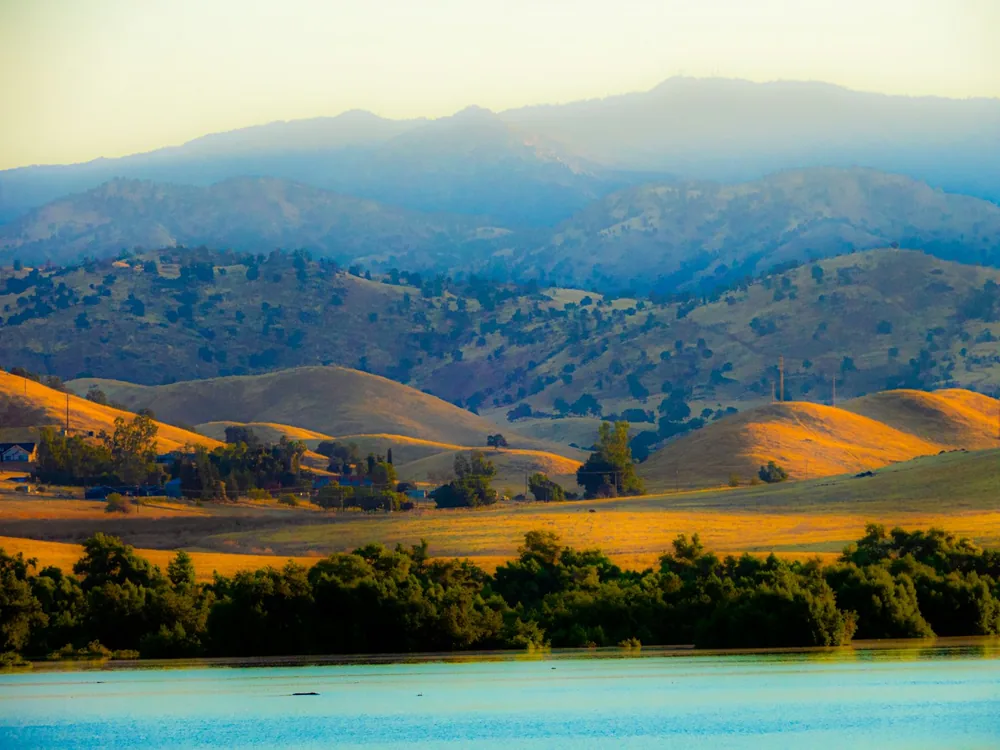
Here are some interesting facts about AVA’s: The longest AVA name – Antelope Valley of the California High Desert. Shortest AVA name: Lodi. Smallest AVA: Cole Ranch AVA 189 acres in Mendocino County. Oldest AVA: Augusta AVA established in 1980 around the city of Augusta Missouri. Newest AVA: Malibu Coast AVA and Hiwassee Highlands AVA established on July 18, 2014. Southern most AVA: Texas Hill Country AVA. Easternmost AVA: Martha’s Vineyard AVA. Northern most AVA: Puget Sound AVA. There are currently something like 230 AVA’s in the US with about 130 of those residing in California.
How a New Viticultural Area Gets Established
The meeting described above, with a topographic map held down by wine bottles, is a fair picture of the informal half of the process. The formal half is a petition, and it has to make four arguments. The proposed name must already be associated with the area, the boundary must be justified, the growing conditions must be distinguishable from those of the surrounding land, and the whole thing must be mapped precisely enough to be written into regulation.
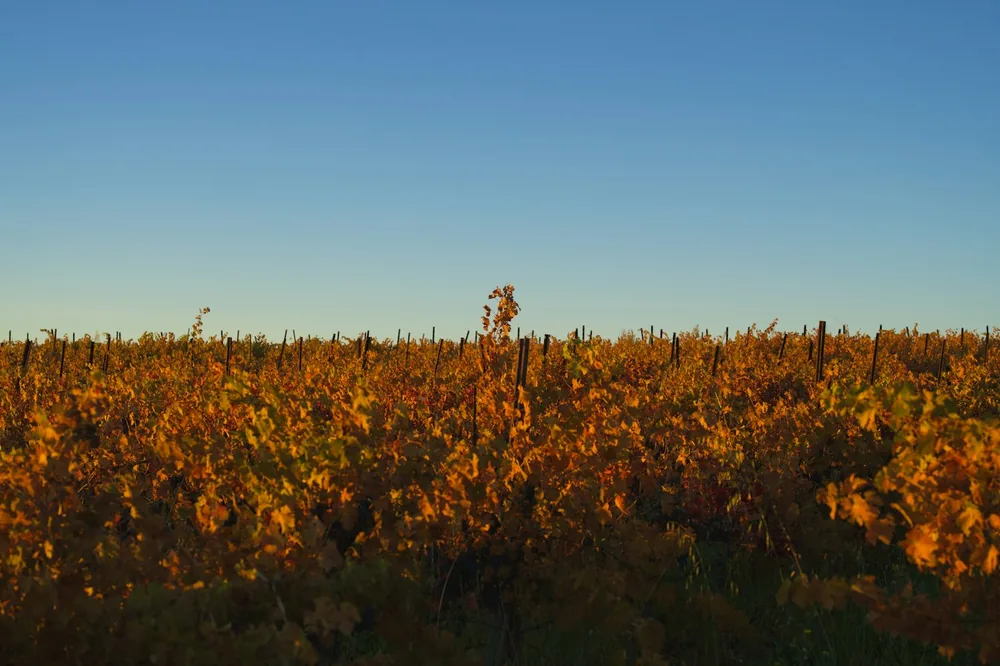
Petitions therefore arrive with soil surveys, climate summaries, elevation data, historical references, and a boundary described point by point against United States Geological Survey maps. The Alcohol and Tobacco Tax and Trade Bureau reviews the petition, publishes a proposed rule, takes public comment, and then issues a final rule. Approved areas are codified in the federal regulations, where the full list of American viticultural areas appears in title 27, part 9 of the Code of Federal Regulations.
Why Boundaries Get Contentious
A boundary drawn on evidence will always exclude somebody who feels they belong inside it, as the story about the neighbor below the elevation line illustrates. Because the line has commercial consequences, disputes are common and comment periods are where they surface. The bureau’s test is whether the evidence supports the boundary, not whether the outcome is popular.
What an Appellation Does and Does Not Control
An American viticultural area is a place name and nothing more. It says where grapes grew, and it obliges anyone using the name on a label to source at least 85 percent of the fruit from inside the boundary. It sets no rules about which grapes may be planted, how much fruit a vine may carry, how the wine must be made, or how long it must age.
European appellation systems generally do all of those things. That difference is the single most useful thing to know when comparing a California label with an Italian one, since one is telling you a location and the other is telling you a location plus a recipe.
| Rule | American viticultural area | Italian denomination |
|---|---|---|
| Defines a boundary | Yes | Yes |
| Restricts grape varieties | No | Yes |
| Sets yield limits | No | Yes |
| Sets aging requirements | No | Yes, for many categories |
| Minimum fruit from the area | 85 percent | Generally higher, often complete |
Nested Areas and Overlapping Names
Viticultural areas can sit inside one another, and many do. A wine may qualify for a large regional name and for a smaller one within it, and the producer chooses which to print, usually preferring the more specific name when the fruit allows it. Howell Mountain, the area whose founding meeting is described above, sits within the larger Napa Valley area.
Nesting is what lets a label move from a broad statement to a narrow one. County appellations are broader still and are not viticultural areas at all, since a county line is a political boundary rather than a growing one. The relationships between those layers are set out in the California wine regions guide and traced in detail for one area in the Napa Valley region guide.
How Growers Use the Boundary
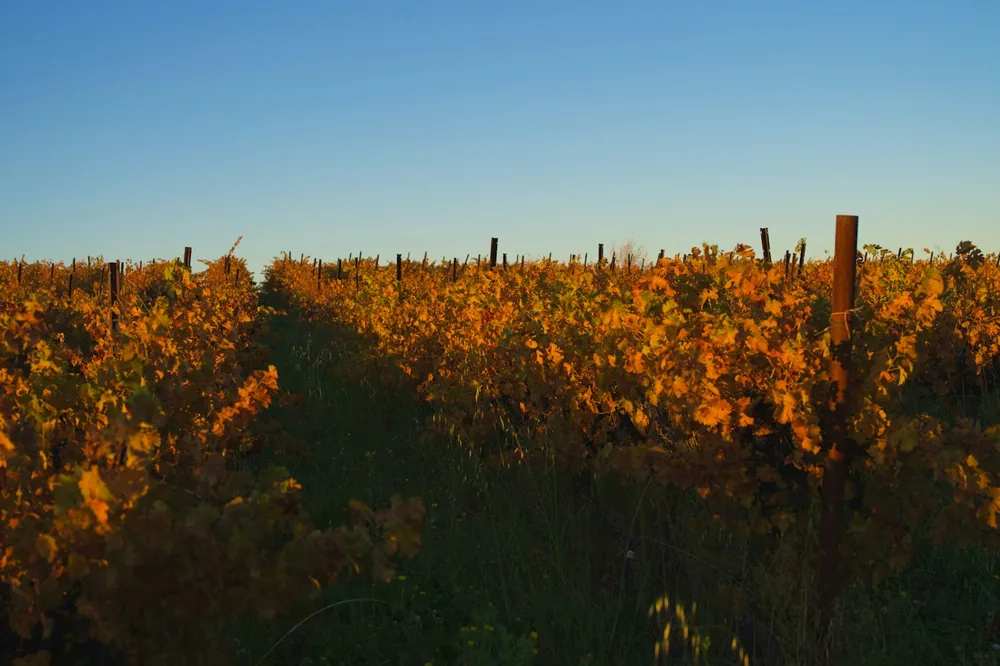
Inside a defined area, the interesting work happens at a much smaller scale than the appellation itself. Growers map soil pits, water-holding capacity, and frost pockets block by block, then match rootstock and variety to each. An appellation groups sites that share a broad climate; it does not claim they are identical.
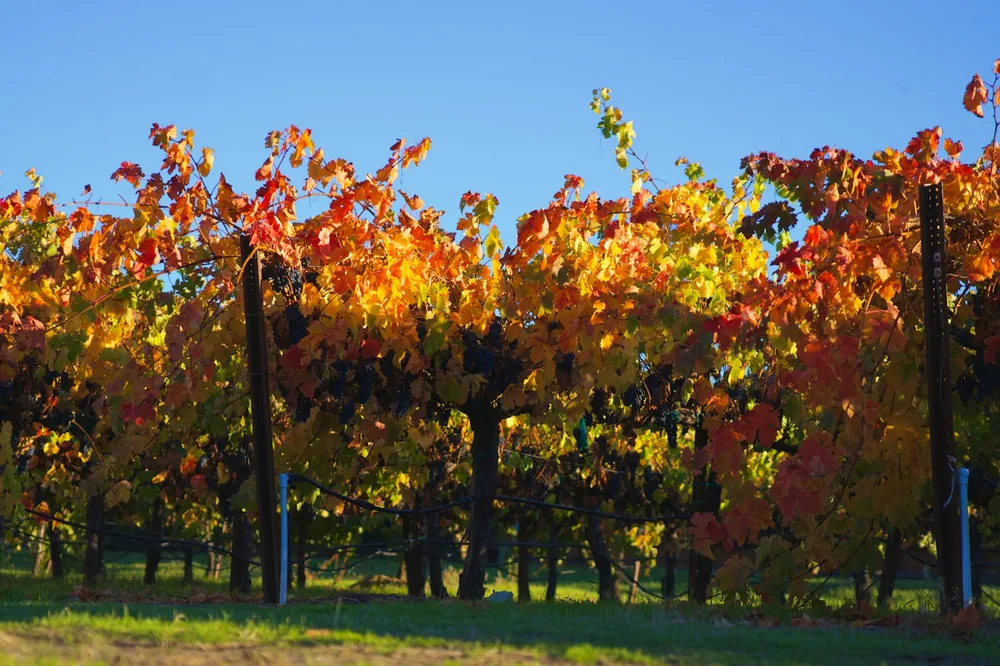
That is why single-vineyard bottlings sit alongside appellation blends from the same producer. The blend expresses the area, and the single vineyard expresses one part of it. Both are honest statements about origin at different resolutions.
What the Designation Is Worth
An appellation is a promise about origin, not about quality, and the bureau is explicit that approval implies nothing about how good the wine will be. Its value accrues over time as drinkers learn what a name tends to deliver. That reputation belongs collectively to everyone farming inside the line, which is why growers care so much about where it runs.
For a drinker, the practical use is predictive. Once you know that a given area is cool and coastal or warm and inland, the name on the label tells you something reliable about ripeness, acidity, and body before you ever open the bottle. The same reasoning applied to Italy is laid out in the Italian wine regions guide.
Viticultural Area FAQ
Can an area’s boundary be changed after approval?
Yes, through the same petition and rulemaking process used to create it. Expansions and modifications are filed regularly. Each one goes out for public comment like any other rule.
Why do some famous wines carry no appellation at all?
Because the blend crosses boundaries, which forces a broader designation such as a county or a state. Some producers accept that deliberately so they can blend across sites. A broad appellation on a label is a sourcing decision rather than a verdict on quality.
Does a smaller area mean a better wine?
Not by itself, though a small area is usually more homogeneous and therefore more predictable. The producer and the season still matter more than the size of the name. Tasting across several producers within one area is the way to find out what the name actually means.