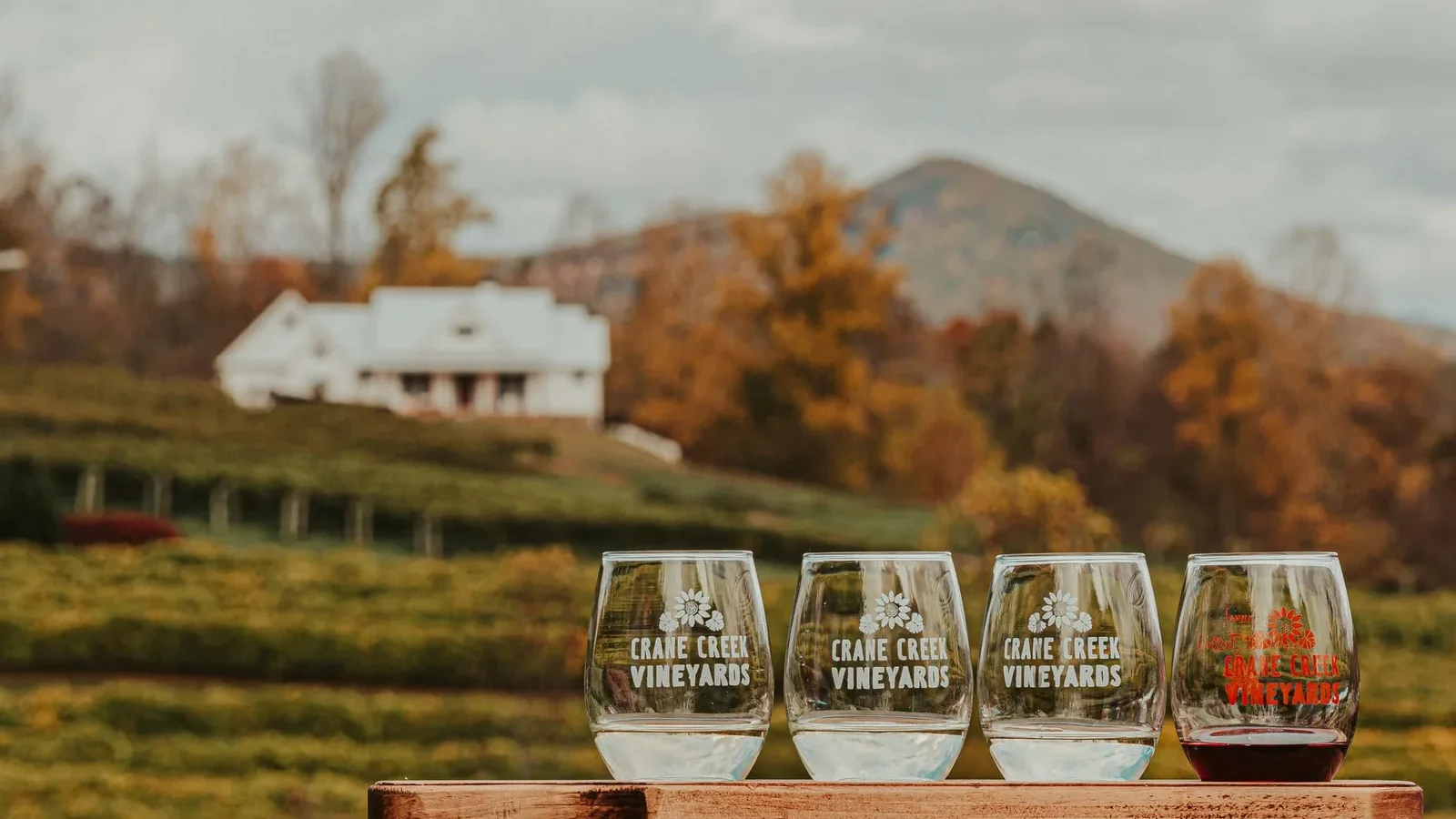
We love wine tastings. Nothing is better than visiting a lovely vineyard, hearing of its history, meeting, of course, the winegrower’s celebrity dog, and tasting some truly great wine. Even local tastings in someone’s home can be a wonderful experience.
In anticipation that you have or will attend a wine tasting in the future, I thought I’d share with you a list of dos and don’ts. This comes from an organization called Wine Country Limos, who I’m sure have seen it all.
Most importantly, go with a group. Nothing makes a tasting more enjoyable than sharing it with friends.
Pace yourself, pace yourself, pace yourself. So important. This is about tasting the wine, enjoying the flavors and nuances. If you mute your senses by over indulging, you will have missed so much. If visiting multiple vineyards, no more than two glasses at your first stop. If in a private setting, remember you want to be invited back.
Swirl the wine, it releases aromas, and sniff before drinking. The smell is often based on personal perception and experience. Don’t be frustrated if you don’t smell the earth as the server suggests. Don’t be intimidated by words like earthy, grassy, forest, acidic, and other wine descriptive words. Open your mind and your nose and find what best fits your personal experience.
No perfumes or colognes. Much of what we taste is strongly affected by what we first smell. If you have on perfume/cologne, it will diminish not only your ability to fully smell and taste the wine, but it could impact those sitting around you as well.
Don’t chug your wine and then ask for a refill. Amateur move and offensive to the host/hostess conducting the tasting.
On that note, be engaged when the description of the wine is being given to you. Do not get caught in side conversations while the speaker is presenting the wine. This too is very rude to the host.
It’s actually OK for people to spit directly into the pour bucket. Don’t take offense.
MOST IMPORTANT! Have a plan in place for transportation. Have a designated driver, Uber, hire a limo, but do not drive. Be smart!
I hope this all helps. Now, go! It’s time for a wine tasting.
Happy Wining All!
How a tasting is usually structured
Almost every organized tasting follows the same sequence, and knowing it makes the experience easier to follow. Wines run from light to heavy, dry to sweet, and young to old, because a heavy or sweet wine will overwhelm anything poured after it. That is the reason a host may decline a request to jump ahead to the big red.
Pours are small on purpose. A standard tasting pour is roughly an ounce, which lets a single bottle serve a couple dozen people and keeps the total intake modest across a long flight. Whether you swallow or spit, the volume adds up faster than most visitors expect, and the definition of a standard drink published by the National Institute on Alcohol Abuse and Alcoholism is a useful reference point for tracking it honestly.
Water and plain crackers or bread are there for a reason as well. Both reset the palate between wines, and dehydration is the single most common cause of a miserable afternoon.
The short version of the etiquette
| Situation | Helps | Hurts |
|---|---|---|
| Arrival | Reserving ahead and arriving on time | Turning up with a large group unannounced |
| Scent | Coming unscented | Perfume, cologne or scented lotion |
| Pacing | Spitting and drinking water | Finishing every pour at every stop |
| The pour | Listening while the wine is described | Side conversations over the host |
| Opinions | Saying what you notice | Announcing that a wine is bad |
| Leaving | Arranged transportation | Driving after a full flight |
None of these are rules invented to intimidate anyone. They exist because a tasting room is a working space where a dozen people are trying to smell the same thing at the same time.
Getting more out of each glass
Look at the wine against something white first, since color tells you about age and, in reds, something about grape and extraction. Swirl gently and smell in short sniffs rather than one long inhale, because the nose adapts quickly and stops registering after a few seconds. Give it a second attempt a minute later, when the wine has opened.
When you taste, hold the wine long enough to notice where it hits: acidity along the sides of the tongue, tannin as dryness across the gums, alcohol as warmth at the back. Then pay attention to what remains after you spit or swallow. That lingering finish is one of the few reliable markers of a serious wine.
- Keep notes short, two or three words per wine, or you will stop writing by the fourth pour.
- Photograph labels rather than trying to record every detail by hand.
- Ask what the wine is meant to go with; hosts answer that question gladly.
- Eat a real meal before or during the day, not just crackers.
- Limit a day to two or three properties so the last one still registers.
Hosting a tasting at home
A home tasting works best with a theme narrow enough to make comparison meaningful. One grape from three regions, or three vintages of a single wine, teaches far more than six unrelated bottles. Four to six wines is the practical limit before palates tire.
Plan roughly a bottle for every eight to ten guests if pours are small, pour in a fixed sequence, and keep the labels covered if you want honest reactions. Provide a spit vessel for every two people and say plainly at the start that using it is normal. Our wine skills and knowledge guides cover glassware and serving temperature, both of which matter more in a lineup than in a single glass.
Planning a visit to wine country
Appointments have become the norm at small properties, and many working wineries have no tasting room at all. Booking a week ahead, confirming group size and asking about fees avoids nearly every awkward moment. Our directory-style overview of California wineries is a starting point for building an itinerary that makes geographic sense.
Transportation is the part of the plan that should be settled before anything else. A designated driver, a car service or a scheduled shuttle turns pacing from a worry into a non-issue, and it is far cheaper than the alternative.
What to wear and bring
Cellars and caves stay cool year round even when the parking lot is hot, so a layer worth carrying makes an hour underground far more pleasant. Closed shoes matter if a visit includes the vineyard, where irrigation lines, gopher holes and uneven ground are the norm. Sunglasses and a hat cover the rest of a working farm in summer.
Bring water, a phone with room for photographs, and a small notebook if you prefer paper. Leave strong scent behind entirely, including scented hand lotion applied in the car, since a tasting bar puts everyone’s nose within a few feet of everyone else’s hands.
Wine tasting FAQ
Is spitting rude?
No, it is expected, and at professional tastings everyone does it. Spitting lets you assess a dozen wines and still walk out clear-headed, which is the entire point of the exercise.
What if I cannot smell what the host describes?
That is normal and not a failure. Aroma descriptions are personal shorthand built from individual memory, and the useful question is what the wine reminds you of, not whether you match someone else’s list.
Am I expected to take something home?
There is rarely any obligation, and a fee usually covers the pour itself. Thanking the host and asking a genuine question about the wine is worth more to most small producers than a polite transaction.