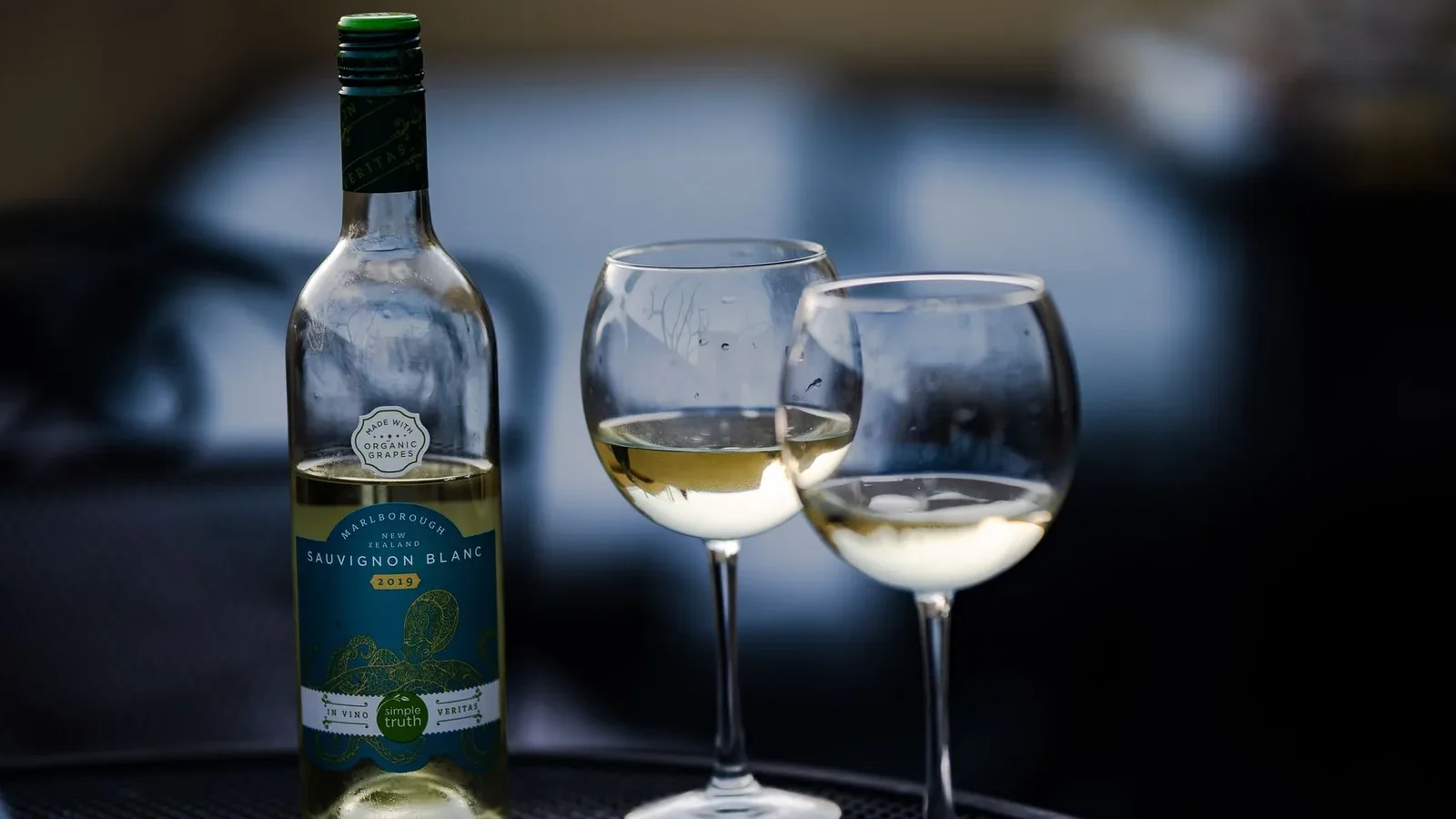
Well, the new year has arrived. Happy New Year to all! So what trends will we see this year in the wine industry in 2019?
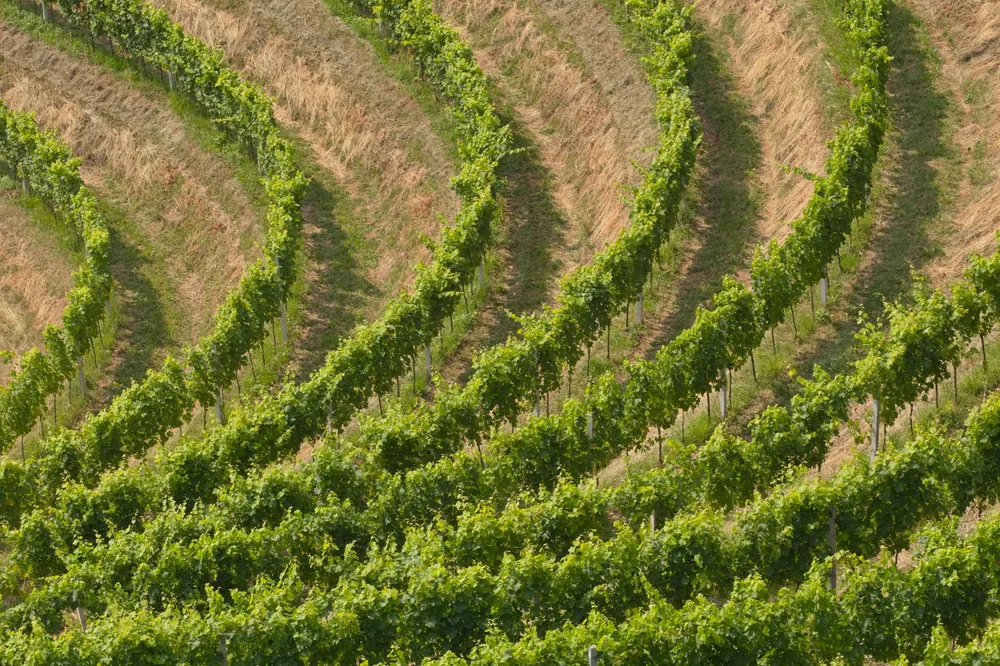
Organic and biodynamic will continue to grow in popularity and scope. As we all continue to understand the impact of climate change, how humans contribute, and to seek changes in methodologies to reduce our footprints, more and more in the wine industry are looking for more “natural” ways to work with the land, produce great grapes and wine, while having minimal impact on the earth.
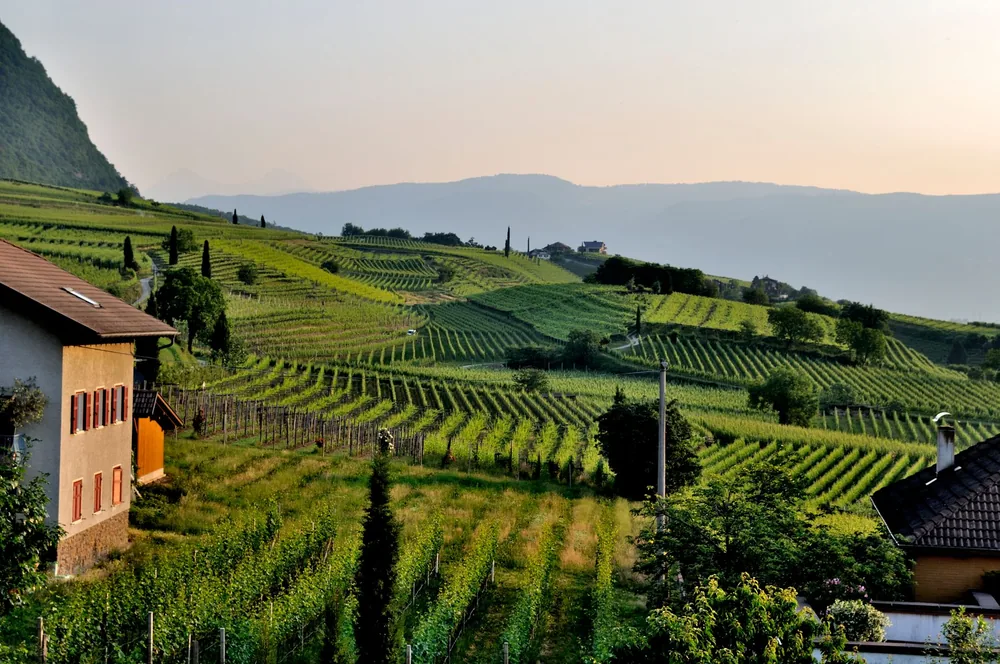
Biodynamic producers use no unnatural chemicals. This allows the land to maintain its health while also producing healthier grapes.
As the number of young wine drinkers continues to grow exponentially, they also are driven to more organic, vegan, and biodynamic wines. Young wine drinkers research their purchases and make buying decisions based on producers that are earth friendly. So, the market is driving the direction of wine producers as well.
2018 saw the millennial generation out drink Baby Boomers. According to Winevoice.com, 28% of millennials drink wine on a daily basis. They shop for labels with colorful graphics and catchy names. 51% of millennial women prefer sustainably or organic wines.
2019 will show an exponential increase in marketing to this age group.
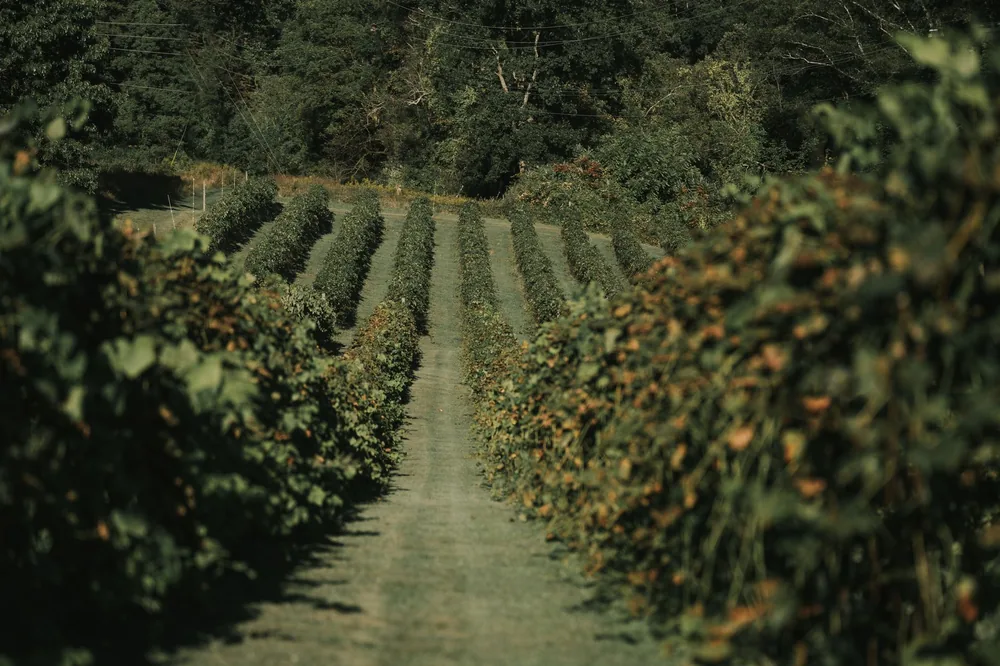
Another trend for 2019 is that people are drinking wine at home, choosing to save money on an expensive glass at a restaurant. Instead, spending the same amount of money for a bottle to take home. On site wine and beer purchases are down. That trend is expected to continue through 2019.
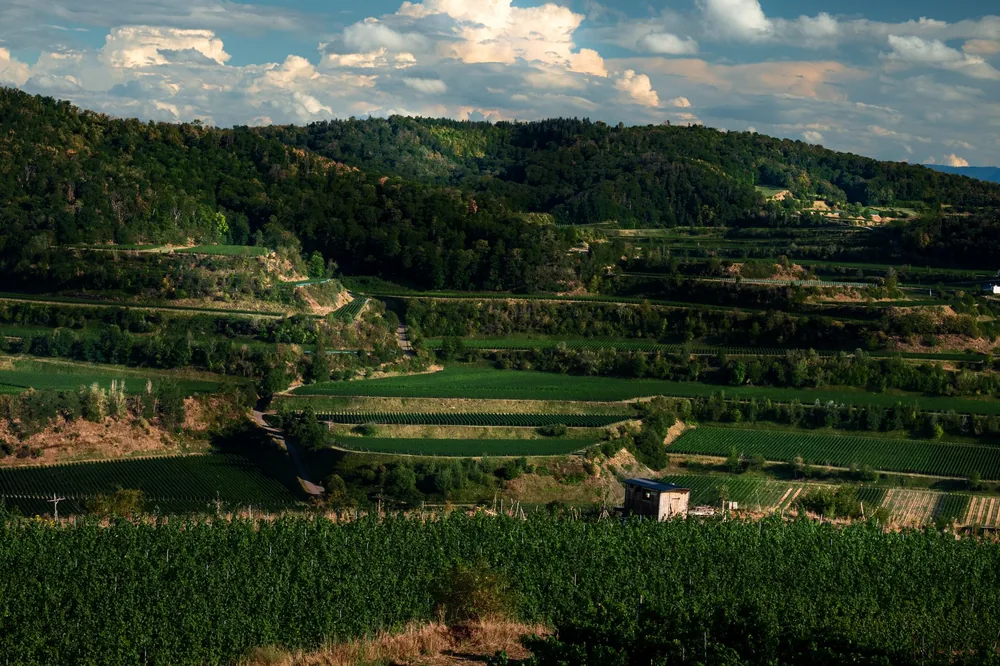
On a fun side, wine slushies are gaining in popularity. This too is driven by young wine consumers. Wine slushies are made by blending wine, fruit, and ice together. Though wine slushies have been around for years, 2018 saw its popularity explode.
2019 is projected to be no different. Restaurants have even begun adding this choice to their beverage menus.
If you want to try one, check out Pinterest. There are a lot of really yummy sounding recipes out there.
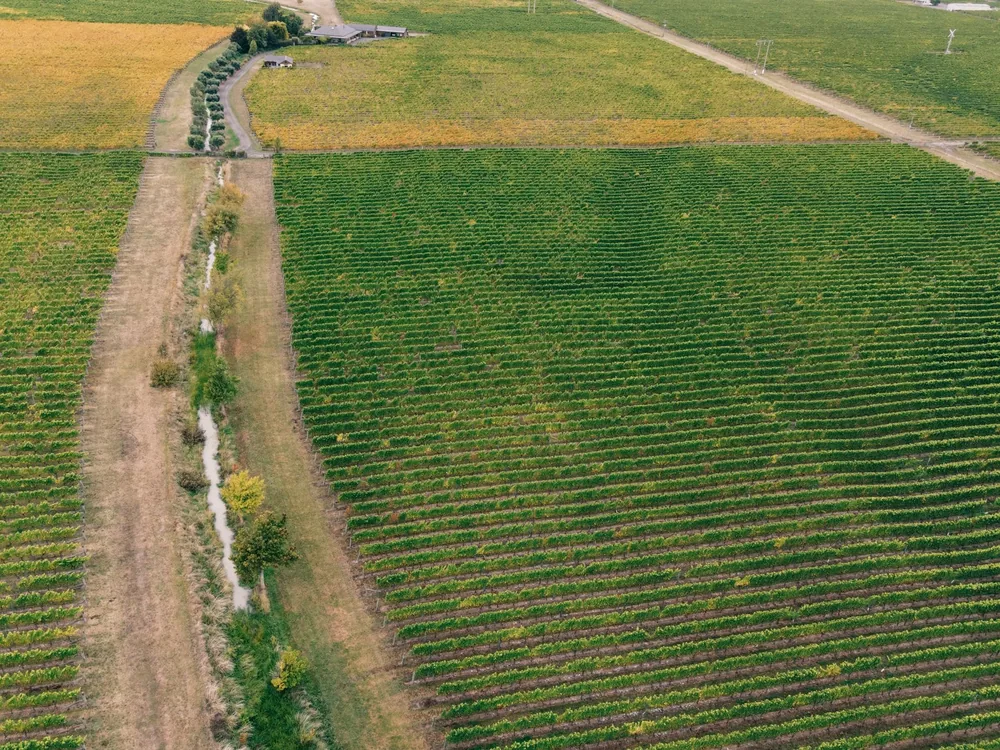
Bourbon barrel wine. Keep your eye on this in 2019. Some winemakers have started aging wine in barrels that once held bourbon. The barrels are charred for aroma and flavor, according to winevoice.com. Sounds intriguingly yummy.
Whatever 2019 brings to you, we wish you a happy, healthy, and blessed year. Happy Wining All!
Organic, Biodynamic, and Sustainable Are Three Different Claims
These three words get used interchangeably in trend coverage, but each one refers to a distinct scheme with its own rules and its own verification. Confusing them makes label reading harder than it needs to be. The distinctions below are about farming and certification rather than about how any resulting wine tastes.
Organic
Organic certification governs what may be applied in the vineyard and, in the United States, what may be added in the cellar. The National Organic Program run by the Department of Agriculture publishes the standards and accredits the certifying agents who inspect farms, and its overview of the National Organic Program sets out how that system works. Certification requires records, annual inspection, and a transition period before the label may be used.
Wine adds a wrinkle that trips up nearly everyone. A wine labeled organic in the United States must be made from organically grown grapes and made without added sulfites, while a wine labeled as made with organic grapes may contain added sulfites within a limit. Both are legitimate; they are simply different categories.
Biodynamic
Biodynamic farming begins with organic practice and adds a closed-system philosophy: composts and field preparations made on the farm, attention to a planting and cellar calendar, and treatment of the vineyard as a single organism. Certification is handled by private organizations rather than by a government program. Many of its practical measures, such as cover cropping and compost, are conventional soil science regardless of what one makes of the calendar.
Sustainable
Sustainability programs are the broadest of the three and the least standardized. They typically score a whole operation on water use, energy, pest management, soil health, waste, and labor practices, allowing tools that organic rules exclude while requiring measurement and continuous improvement. Several regional programs operate in California, each with its own seal.
| Question | Certified organic | Certified sustainable |
|---|---|---|
| Who sets the rules | Federal program with accredited certifiers | Regional or industry organizations |
| Main focus | Permitted and prohibited inputs | Whole-operation performance over time |
| Covers the winery | Yes, for wine labeled organic | Usually yes, including energy and water |
| Covers labor and community | No | Commonly yes |
| Verification | Annual inspection and records | Self-assessment plus audit, varies by program |
Reading the Claims on a Bottle
A certification mark is a claim someone has audited. Unregulated words such as natural, artisan, or handcrafted are not, and they carry no defined meaning on a wine label. The useful habit is to look for the name of a certifying body rather than for an adjective.
Vegan claims sit in the same territory and refer to fining rather than farming, since traditional clarifying agents are derived from egg, milk, or fish. Wines fined with clay or plant proteins, or not fined at all, qualify. None of that is visible in the finished liquid, so the producer’s technical information is the only source.
Novelty Formats and the Home Table
Blended, frozen, and canned drinks arrive in wine coverage every few years, and they follow a consistent logic. Chilling and dilution mute alcohol and acidity, sweetness rises to the front, and the result is easier to drink outdoors and in a crowd. Anything made this way is best built from a simple, fruit-forward, inexpensive wine, since delicate aromatics are lost the moment ice enters the blender.
The shift toward drinking at home was the larger story underneath those formats. Restaurant markups on a single glass mean the same money covers a whole bottle at home, and a home table allows more experimentation than a wine list. That change also raised the value of pairing knowledge, which the food and wine pairing guide collects.
Where the Trends Landed
The commercial predictions in this newsletter, from drinking at home to novelty formats, were all downstream of a generational change in who drinks wine and how they research it. Certification, provenance, and farming practice became purchasing criteria in a way they had not been for previous generations of drinkers. That shift outlasted any individual fad.
Celebrations Wine Club published these forecasts each January and stopped shipping in December 2019, so the series ends there and now works as a record of what the trade expected. Comparing the January columns year by year across the hot topics archive is the most interesting way to read them. Regional context for the California side of those changes is collected in the California wine regions guide.
Certification FAQ
Does organic wine contain no sulfites at all?
Sulfites occur naturally as a byproduct of fermentation, so no wine is entirely free of them. The United States organic rule concerns added sulfites, not naturally occurring ones. Labels must still carry a sulfite declaration when the total exceeds the regulatory threshold.
Is biodynamic wine automatically organic?
Biodynamic standards incorporate organic practice, but the two certifications are issued by different bodies and a producer must apply for each separately. Some farms hold both, some only one. The absence of a seal does not mean the practice is absent, only that it was not certified.
Do these farming choices change how a wine tastes?
Farming affects vine health, yield, and ripeness, all of which reach the glass indirectly. There is no reliable flavor signature that identifies a certified wine in a blind tasting. The practical guidance in the wine skills and knowledge guide applies regardless of how the grapes were farmed.