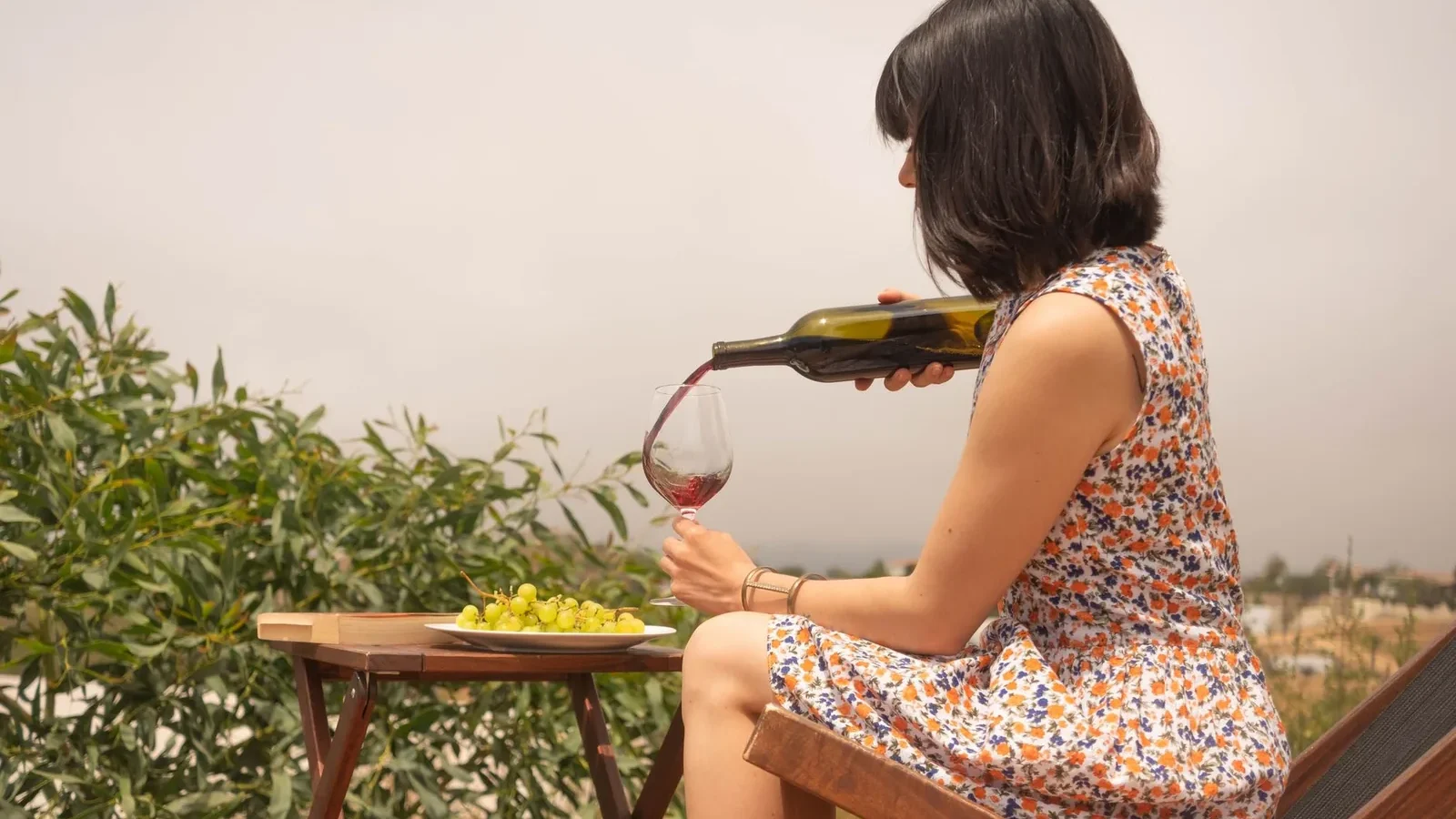
At Celebrations we get a lot of phone calls and emails from people wanting to know the best wine to serve with a special meal or event. So I thought this month I would address the differences in red wine and how to best capitalize on each strength.
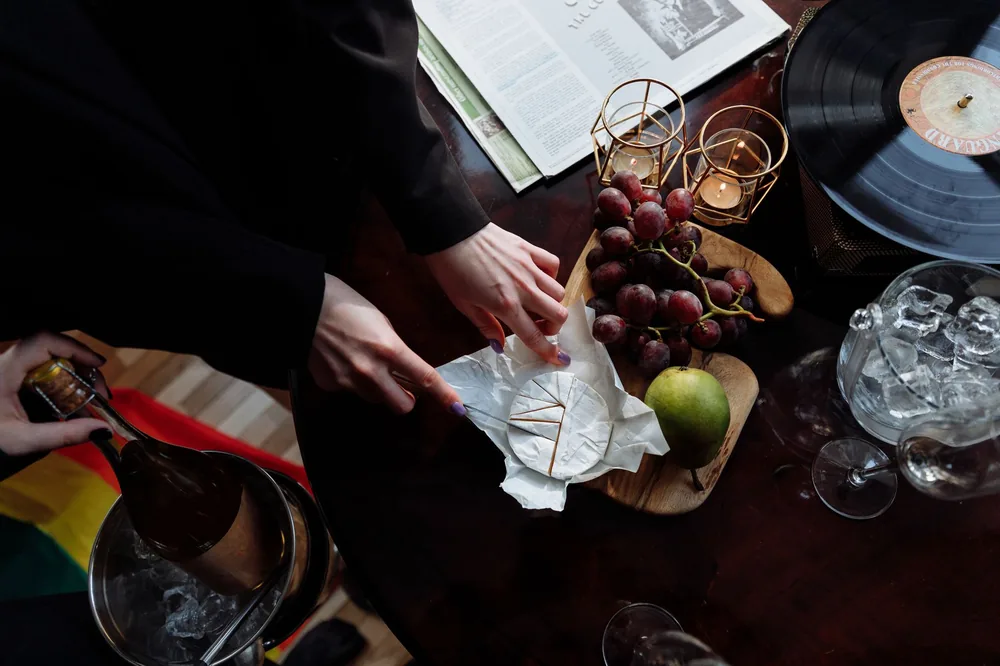
Pinot Noir
This is a great wine to serve if you have a novice in the group. It tends to not be as dry, though time can change that. Typically they have a black cherry, berry taste. This is a great wine to serve with duck, chicken, or pasta meals.
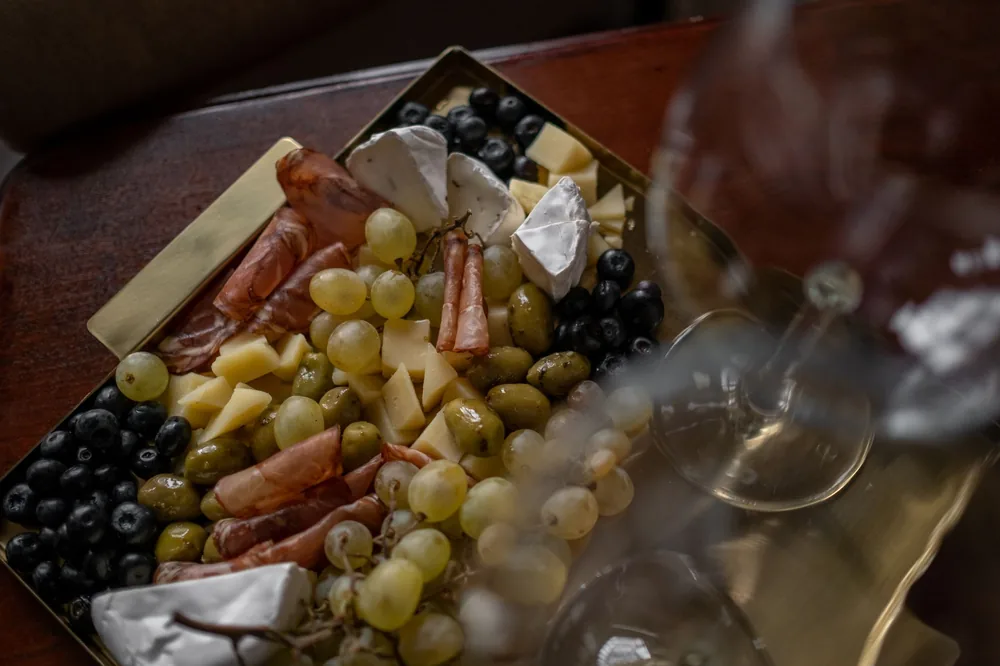
Cabernet Sauvignon
Tends to be more expensive, but is well worth the cost. Having said that, I’ve found some lower cost cabs that are excellent. Cabernets tend to also be fruity, but are a drier, heavier wine. Maybe not the best choice for someone fairly new to wine. Cab goes great with heavy foods like beef, rich, red pasta dishes, aromatic cheese (think blue or goat), and rich cream sauces.

Merlot
This is also a great beginner wine. It is a fruity wine, but is not too dry, not sweet. One can find it in all price ranges. I’ve enjoyed bottles at all cost levels. Because it isn’t too sweet or too dry, Merlot pairs nicely with just about everything. It’s also a great wine to use for reductions when cooking.

Syrah
This wine is much more for the experienced wine drinker. It is a darker wine and is probably one of the driest wines made. The finish also tends to be heavier, peppery, and spicy. Because it drier and heavy, when you pair it, think juicy or creamy. Go for creamy sauces and grilled, moist foods. Personally, I think Syrah goes great with Italian food, bread dipped in olive oil and an authentic balsamic vinaigrette.
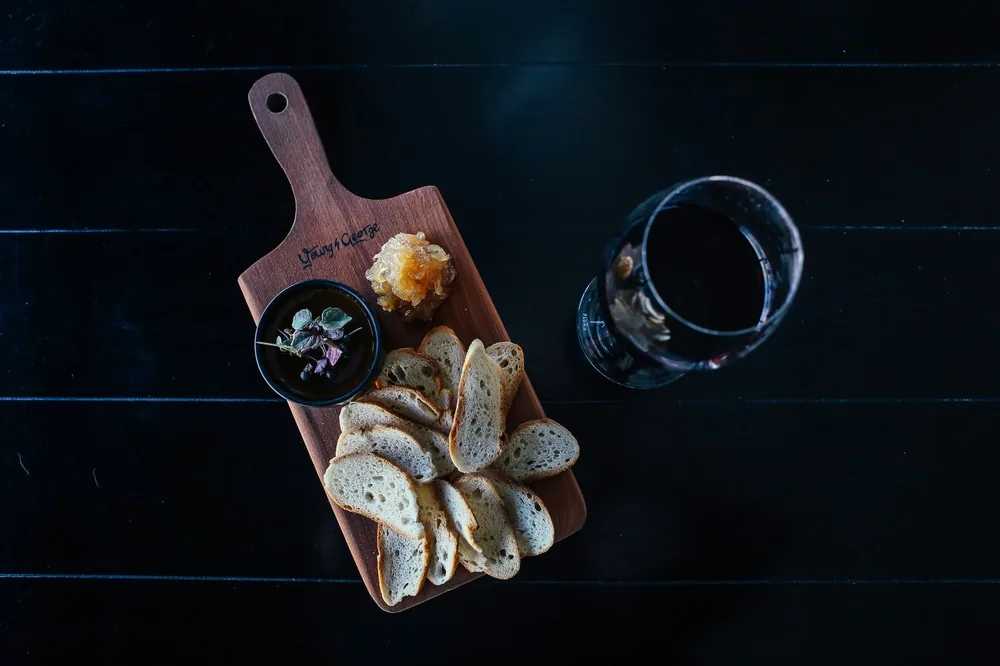
Zinfandel
I always think of Zinfandel as the fun wine. It is the sweetest of all the red wines out there. It is also great because you find some excellent bottles at reasonable prices. This would also be a great wine if you’re serving someone fairly new to wine. It’s also a great wine for a lighter, casual, friend night. Think pizza, spicy Indian food, a spicy lentil stew, or BBQ.
I hope this helps with some of your questions. Next month we’ll do the same with white wines.
Happy Wining my Friends!
The Four Structural Traits Behind Every Red Wine
Variety names are a shorthand for something more useful: a set of structural traits that determine how a wine behaves with food. Those traits are tannin, acidity, alcohol, and body, and they can be assessed in any glass without knowing what is in it. Once they are separated from flavor descriptions, pairing becomes far more predictable.
Tannin comes from grape skins, seeds, and oak, and it registers as drying and grippy rather than as a taste. Acidity is the fresh, mouth-watering sensation along the sides of the tongue. Alcohol contributes warmth and weight, and body is the overall impression the other three create together.
Where the Traits Come From
Thick-skinned varieties with small berries have more skin relative to juice, so they yield more tannin and deeper color. Longer maceration, the period the juice spends in contact with those skins, extracts more of both. A winemaker choosing a shorter maceration is deliberately making a lighter wine from the same fruit.
Climate governs the rest. Warmer sites produce riper fruit with higher sugar, and therefore higher alcohol, with lower natural acidity. Cooler sites hold acidity and give lighter-bodied wines, which is why the same grape planted in two regions can feel like two different wines.
| Trait | Lighter-bodied reds | Fuller-bodied reds |
|---|---|---|
| Tannin | Low to moderate | Moderate to high |
| Acidity | Usually higher | Often lower |
| Serving temperature | 58 to 62 degrees | 62 to 65 degrees |
| Benefits from decanting | Rarely | Frequently, when young |
| Food that works | Poultry, salmon, mushrooms, tomato dishes | Grilled and braised red meat, aged cheese |
Why Tannin and Fat Get Along
The classic pairing of a tannic red with a marbled steak is a chemical accommodation rather than a tradition. Tannins bind readily with proteins, including those in meat and in the saliva they otherwise strip from the palate, so fat and protein soften the drying sensation. The wine tastes rounder and the dish tastes richer.
Acidity does a similar job against fat, cutting through cream and cheese and resetting the palate between bites. Salt suppresses the perception of bitterness, which is one reason a salty dish flatters a firm red. These mechanics are worked through in more detail in the food and wine pairing guide.
Sweetness, Ripeness, and a Common Confusion
Most red table wine is fermented dry, with very little sugar remaining. What reads as sweetness in a ripe red is usually intense fruit aroma combined with higher alcohol and soft tannin. The exceptions are genuinely sweet styles, which are made deliberately and are usually labeled as such.
What Oak Adds, and What It Covers
New oak barrels contribute vanillin, toasty and smoky aromas, and a fine tannin of their own, while used barrels contribute far less flavor and act mainly as slow-breathing vessels. The size of the barrel matters too, since a small barrel puts more wood surface against less wine. Large casks, common in parts of Italy, are chosen precisely to avoid an obvious oak signature.
Oak is a seasoning, and like any seasoning it can be overdone or used to paper over thin fruit. A useful test is whether the wood flavors sit on top of the wine or seem woven into it. Time in bottle usually knits them together.
Single Varieties and Blends
Many of the best-known reds are blends, assembled because one variety supplies color and structure, another supplies aromatic lift, and a third fills the middle of the palate. Blending also smooths out vintage variation, which is why houses with a consistent style rely on it. A single-variety wine is a narrower statement and shows its site and season more plainly.
Aging, Decanting, and Sediment
Tannin and acidity are the traits that let a wine age, because both act as preservatives while the wine’s aromas slowly change from fruit toward earth, leather, and dried spice. Most red wine on the market is made to be drunk within a few years. Decanting a young, firm red aerates it and softens the tannic edge; decanting an old one is mainly about leaving sediment behind in the bottle.
Growing Conditions Behind the Glass
Rootstock choice, trellising, canopy management, and irrigation all feed back into the balance in the glass, and the research behind those practices is public. University of California Agriculture and Natural Resources maintains an extensive body of viticulture and agricultural research aimed at growers, much of it readable by anyone curious about why a vineyard is farmed the way it is. For the varieties themselves, the California grapes and styles and Italian grapes and styles guides sort them by structure rather than by popularity.
Red Wine FAQ
Does an expensive red always taste better?
Price reflects land cost, yield, oak, and reputation as much as quality in the glass. Low-yielding vineyards and new barrels are genuinely expensive, but so is a famous name. Blind tasting is the only way to find out what you actually prefer.
Should red wine breathe before serving?
Simply pulling the cork exposes almost no surface area and achieves very little. Pouring into a decanter or even swirling in the glass does far more in a few minutes. Young, tannic reds gain most; fragile older bottles can fade quickly with too much air.
Why does the same wine taste different on a second night?
Oxygen keeps working after the bottle is opened, softening tannin at first and then stripping fruit. Some sturdy reds are better on day two, while delicate ones are past their best. Refrigerating an opened bottle slows the process considerably.