
Dear Wine Witch: I visited Napa this summer for the first time and was surprised by the afternoon breezes and cool nights. One day it was even overcast, and we thought it would rain. Tasting room employees said that the weather was exceptionally cool and were worried that the grapes wouldn’t ripen properly. Do you know if they did? – Cold and Curious
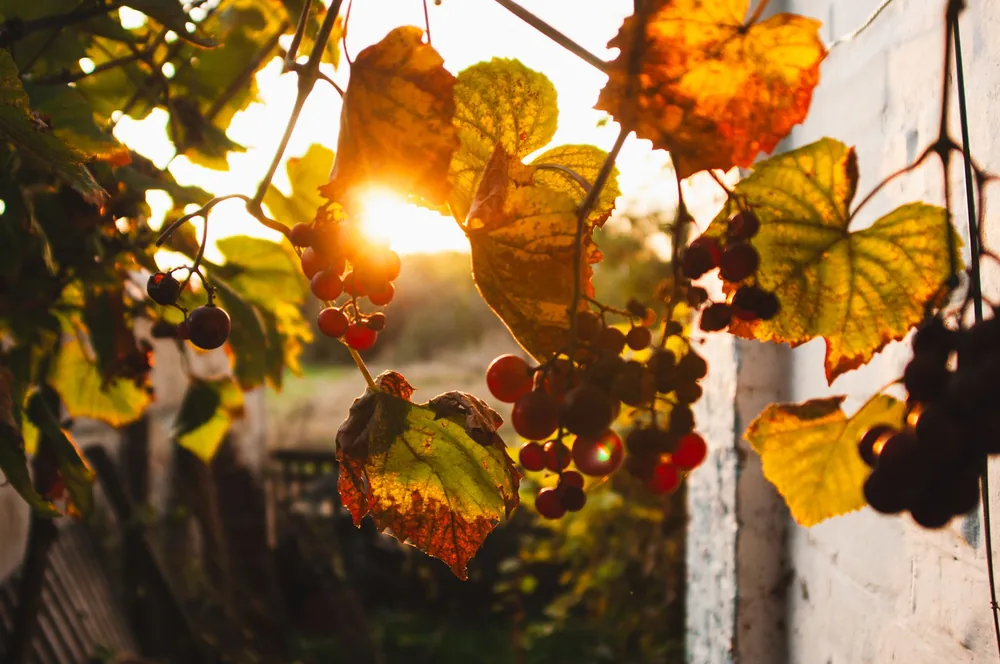
Dear Cold and Curious: Afternoon breezes and cool nights are common throughout California wine regions and definitely desirable. Cooling influences slow the maturation of the grapes, which become more flavorful when they can hang on the vine for longer periods. Climates that are consistently warm would ripen the fruit too quickly, which is fine for raisins but not premium wine-grapes.
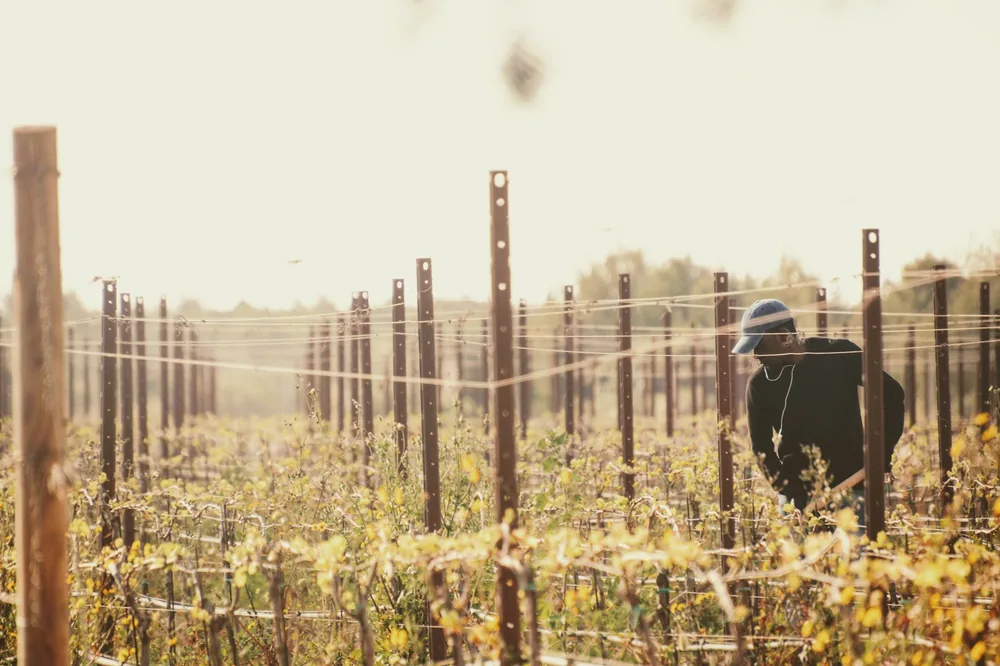
But the downside of a typically long growing season is the risk that cold weather and rain could arrive prematurely in the fall before grapes are sufficiently ripe. This may be one of those years although it’s still too soon to know. California vintners are saying that this summer has been the coolest in forty years, and the fall continues to be cooler than normal.
White grapes are picked first at lower ripeness levels so that the crisp quality that we enjoy in white wine is protected. So white grapes will be fine regardless of cooler temperatures. But red grapes need to ripen to a greater degree because, unlike white grapes, they are fermented with their skins, which give red wine its characteristic color. And the skins contain tannins, which impart texture to red wine. But if red grapes are not sufficiently ripe, they can be too tannic and not as smooth as we like them to be.
Of all the reds, Cabernet Sauvignon takes the longest to ripen. In the absence of warmer weather this fall, farmers will wait to pick and will probably develop stiff necks as they continually look to the sky, fearful of rain. A downpour would activate molds and diminish the quality of the fruit, but harvesting the crop before it fully ripens also lessens quality. In exceptionally cool years, Cabernet is harvested as late as November if rains don’t fall. Dismal as the decision may be, farmers are adept at trying to out-smart nature. If they’re not up to the task, they find desk jobs.

There could be a silver lining for this vintage. Some people feel that California wines have become too alcoholic. During the last decade, winemakers have allowed grapes to ripen to very high sugar levels, which convert to alcohol during fermentation. This year that may be impossible. Because of cool weather, the taste profile of California wine may be closer to Italian, French, and Spanish wines, which are generally lower in alcohol and higher in acid. Europeans and at least some Americans prefer this style.
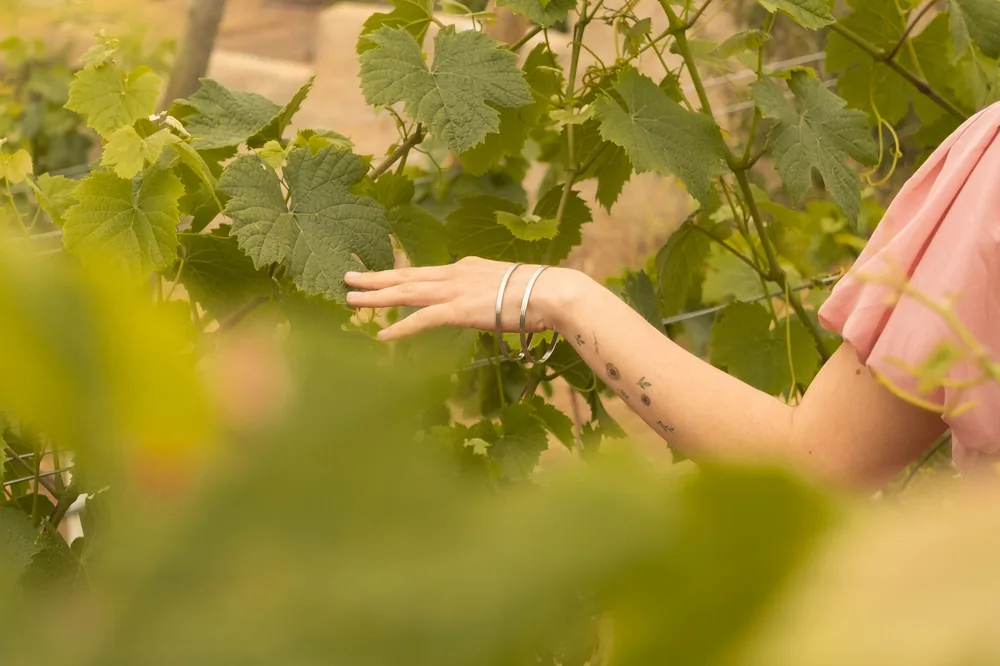
But check back with me in November. Until then, we won’t have a definitive answer on the quality of this vintage. And remember to bring a warm sweater when you visit California in the summer. Evenings and nights are typically cool along the entire coast.
And by the way, Mark Twain never said, “The coldest winter I ever spent was a summer in San Francisco,” even though everyone says he did, especially San Franciscans.
Where California’s cool afternoons come from
The breezes and fog that surprise summer visitors are produced offshore rather than locally. Cold water rises along the California coast through wind-driven upwelling, chilling the air directly above it, and the resulting marine layer is drawn inland whenever the interior valleys heat up and draw air toward them. The hotter the interior gets, the harder that air is pulled in.
The National Park Service’s notes on weather and fog at Point Reyes describe how persistent this pattern is on the exposed coast, where summer is routinely the foggiest season. Wine regions inland experience a delayed version of the same effect, with fog and cool air arriving in the evening and burning off through the following morning.
Gaps in the coastal hills decide which valleys receive it. A vineyard positioned near a river mouth or a low pass can sit several degrees cooler on a summer afternoon than one a few miles away behind a ridge, which is why growing conditions vary so sharply across short distances within a single county.
What the vine does with a wide day-to-night swing
Sugar accumulates during warm daylight hours through photosynthesis, while acids are consumed by respiration, a process that accelerates in heat. Cool nights slow respiration and preserve the acidity, so a site with a wide diurnal swing can reach full ripeness while keeping the freshness that makes a wine taste balanced rather than heavy.
Steady warmth day and night produces the opposite outcome. Sugar climbs quickly, acid falls away, and the fruit reaches high potential alcohol before the flavors and tannins have finished developing. That gap between sugar ripeness and flavor ripeness is the central problem of a hot season.
A cool season creates the mirror image of that problem. Ripening proceeds slowly and evenly, which is generally good for flavor development, but the whole schedule slides later into autumn when daylight is shorter and rain becomes likelier. Growers gain quality and lose their margin for error at the same time.
This is why vintage variation is more pronounced in cool regions than in hot ones. Where every season delivers ample heat, the differences between years are modest; where ripeness is achieved narrowly, a few degrees or a week of weather changes the wine noticeably. Coastal California sits closer to the second case than its reputation for sunshine suggests.
Warm year, cool year
| Trait | Warm season | Cool season |
|---|---|---|
| Harvest timing | Earlier, sometimes compressed | Later, often drawn out |
| Sugar and acid | Higher sugar, lower acidity | Lower sugar, higher acidity |
| Main risk | Heat spikes stalling ripening | Autumn rain arriving before ripeness |
| Wine tendency | Fuller bodied, riper fruit character | Leaner, more structured, lower in alcohol |
How the picking decision is actually made
Growers do not rely on a single number, because no single number captures ripeness. Several measures are read together, and the final call is usually made by tasting fruit in the vineyard.
- Sugar, measured in degrees Brix, which indicates potential alcohol.
- Titratable acidity and pH, which govern freshness and microbial stability.
- Seed color and tannin texture, chewed in the row as a check on phenolic ripeness.
- Flavor in the pulp and skin, which lags sugar in a hot year.
- The forecast, since a rain event can override every other consideration.
Weather forecasting has become a working tool in the vineyard rather than background information. A grower deciding whether to pick today or wait ten days weighs predicted heat, predicted rain and crew availability at once, and the crew constraint is often the binding one at the height of harvest.
White grapes generally come in first because their appeal depends on acidity, and they are pressed away from their skins, so skin tannin ripeness is not the deciding factor. Red grapes are fermented with the skins, which is why growers wait for tannins to soften. Our guide to California grapes and styles covers how differently each variety behaves in that final month.
FAQ: cool weather and California vintages
What is Brix?
It is a measure of dissolved sugar in grape juice, expressed in degrees, and it gives a good estimate of the alcohol a wine will reach if fermented dry. Growers track it daily as harvest approaches.
Why is rain at harvest such a problem?
Water swells the berries and dilutes flavor, and lingering moisture on ripe fruit encourages rot. A dry, breezy spell after rain can rescue a crop; a wet week rarely does.
Does a cool vintage produce weaker wine?
Not necessarily. Cool years tend to yield lower alcohol and firmer acidity, which many drinkers prefer, though they demand more patience and better vineyard work. Our overview of California’s wine regions and the Napa Valley region guide describe how differently each area handles a cool season.