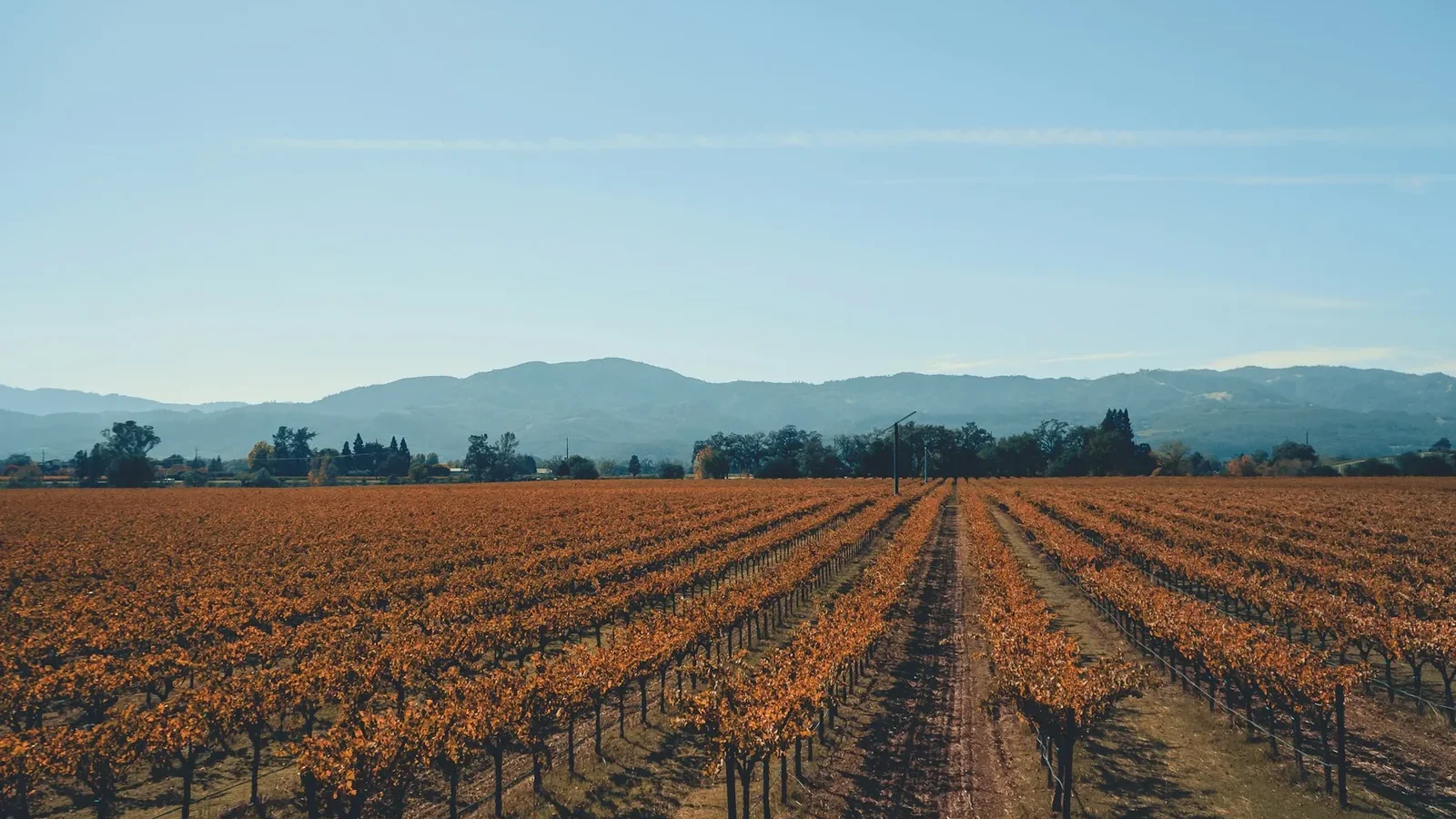
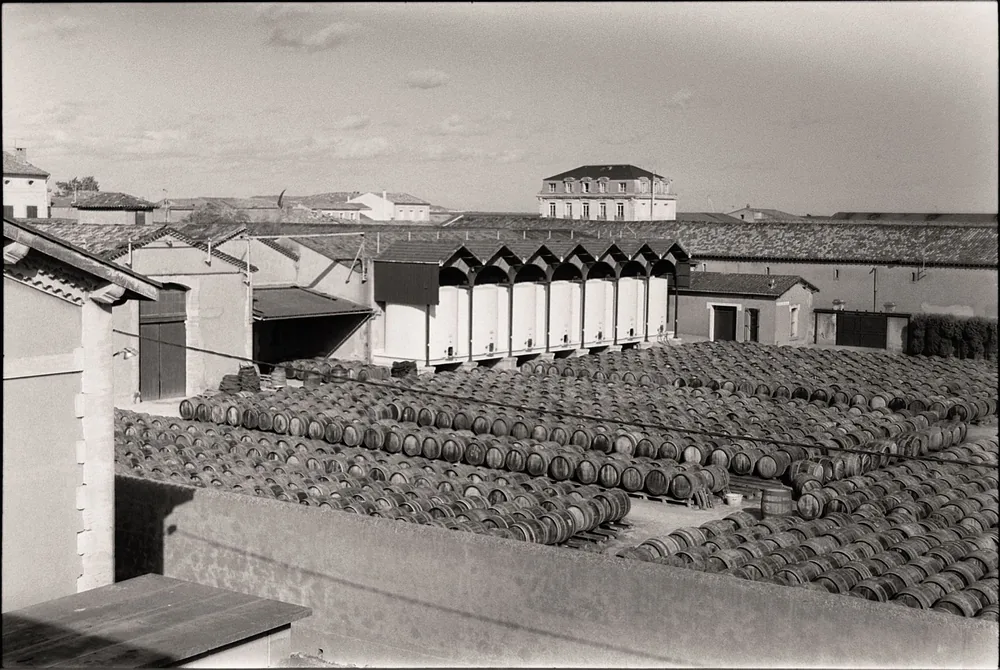
Wine is more than just a drink; it’s a lifestyle. It’s a survey into history, a gastronomic adventure, a study in agriculture and a way to explore various cultures. But with so many different types of wines, how does one get started? Here is an infographic from the folks at Wine Folly that is a guide to all things wines that is perfect for beginners and can be useful for the seasoned wine enthusiast as well.
[Click image for full size version]
The five things every glass is doing at once
Most beginner confusion clears up as soon as you stop trying to name flavors and start noticing structure. Every wine, whatever its color or origin, can be described by five measurable traits: sweetness, acidity, tannin, alcohol and body. Learning to feel those five is more useful than memorizing a hundred grape names.
Sweetness is sugar left in the wine, and most table wine has very little of it. Acidity is the tartness that makes your mouth water, tannin is the drying grip that comes from grape skins, seeds and oak, and alcohol registers as warmth at the back of the throat. Body is the sum of all of it, the sense of weight the wine leaves behind.
Once those words mean something physical rather than abstract, a wine list becomes readable. A description like crisp and light is a claim about acidity and body; firm and structured is a claim about tannin. The Encyclopaedia Britannica entry on wine is a solid, non-commercial place to read about how fermentation produces those components in the first place.
A tasting routine that takes ninety seconds
The swirling and sniffing that looks like theater is simply a way of getting more information out of the glass. Pour a small amount, no more than a third full, so there is room for aroma to collect. Swirl gently against a table, then smell twice, once briefly and once longer.
Take a small sip and let it cover the whole tongue before swallowing. Pay attention to what happens after you swallow, because length, the time the flavor lingers, is one of the clearest markers of quality. Write down one word about the smell and one about the finish, and within a month you will have a personal vocabulary that beats any borrowed one.
None of this requires special equipment beyond a decent glass with a bowl that narrows toward the rim. Our collection of wine skills and knowledge guides covers glassware, decanting, storage and the mechanics of tasting for readers who want to go further.
Where the major styles sit
Rather than starting with grapes, it helps to start with style categories and find the ones you like. Every category contains cheap examples and serious ones, so a preference for light reds or aromatic whites is a durable guide across countries and price levels. The table below maps the main groups.
| Style group | Defining traits | Typical serving temperature |
|---|---|---|
| Sparkling | Dissolved carbon dioxide, high acidity | Well chilled |
| Light white | High acidity, low oak, little weight | Chilled |
| Full white | Rounder texture, often barrel aged | Lightly chilled |
| Light red | Low to moderate tannin, red fruit character | Cool room temperature |
| Full red | Firm tannin, more weight and alcohol | Cool room temperature |
| Dessert and fortified | Noticeable sweetness or added spirit | Varies by style |
Reading a label without panicking
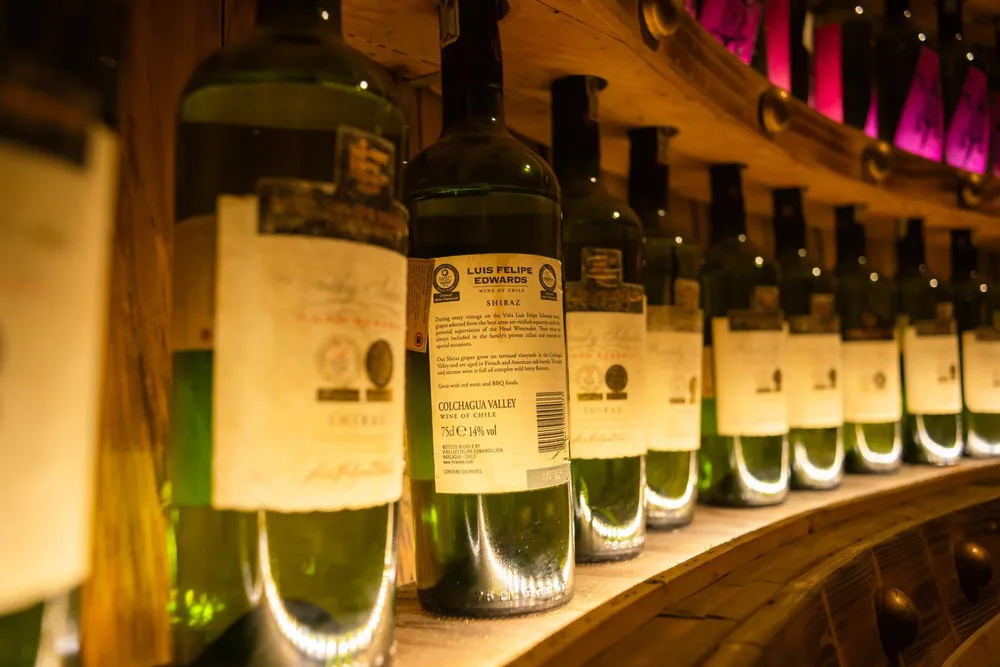
Two labeling traditions divide the wine world, and knowing which one you are holding solves most of the puzzle. Wines from the Americas, Australia, New Zealand, South Africa and Chile usually name the grape on the front. European wines usually name the place, on the assumption that the place already tells you the grape.
Beyond that, a few printed details do real work. The region is the strongest predictor of style, the alcohol figure hints at body and ripeness, and the name of the producer matters more than any tasting note. Vintage tells you the growing year, which matters most in cool regions where weather varies sharply from year to year.
Once labels stop being intimidating, the fastest way to learn is to compare two bottles of the same grape from different places. Our guides to California grapes and styles and Italian grapes and styles are built for exactly that kind of side-by-side reading.
Serving, storing and the small habits that matter
Temperature changes a wine more than almost anything else you control. Whites served too cold taste of nothing, and reds served too warm taste of alcohol, so twenty minutes in the refrigerator for a red and twenty minutes out of it for a white is a reliable correction. A wine that seems closed often just needs air, time in the glass, or both.
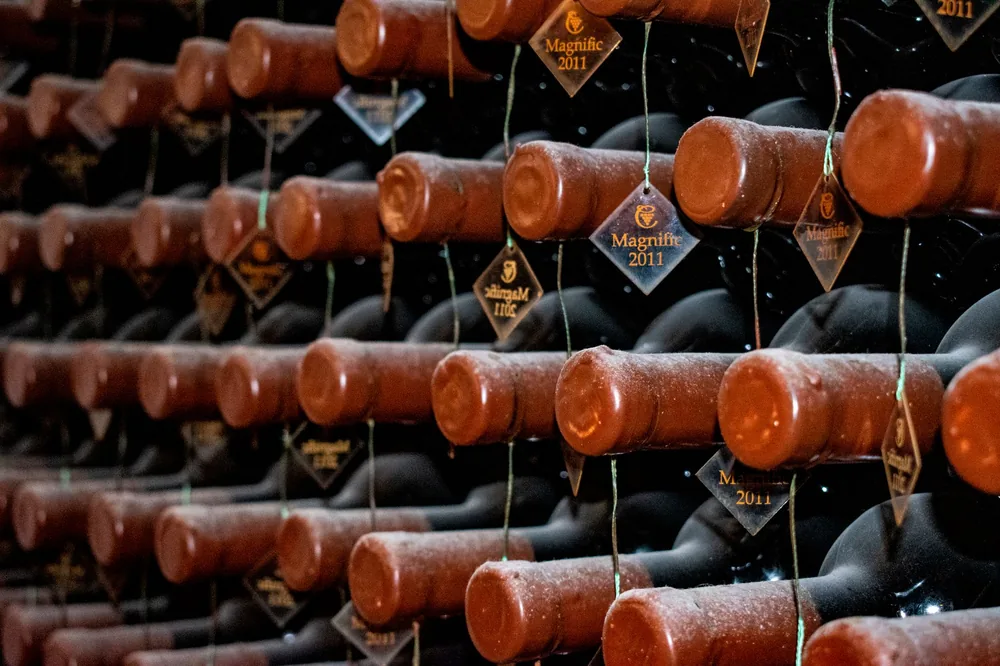
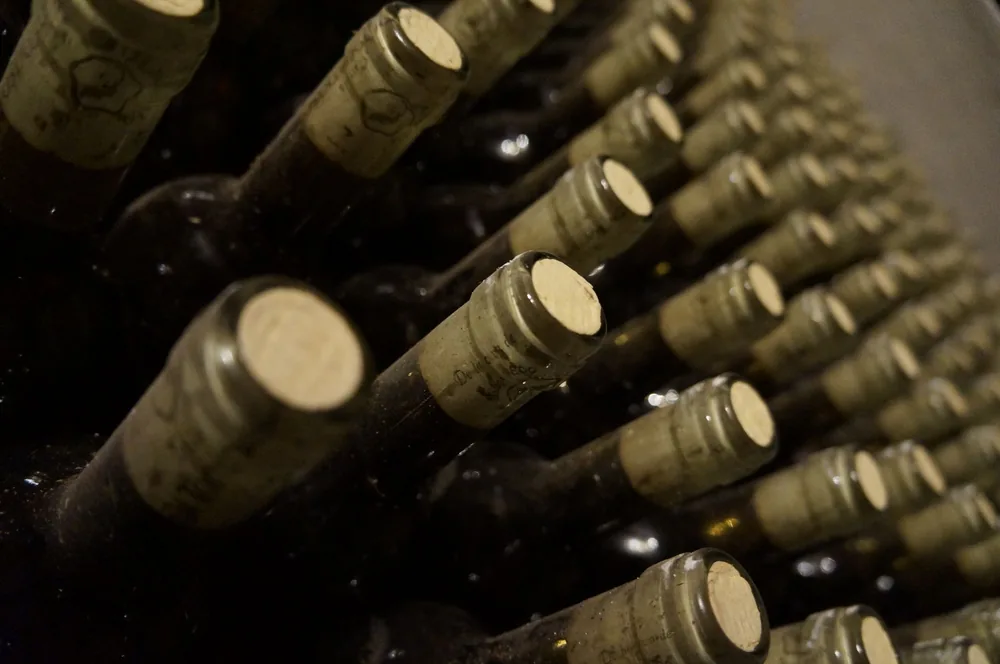
Storage rules are simpler than they sound. Keep bottles away from heat, sunlight and vibration, lay corked bottles on their side so the cork stays damp, and remember that most wine made today is meant to be enjoyed within a few years rather than cellared for decades.
After opening, oxygen begins to change the wine. Re-cork what is left, refrigerate it whites and reds alike, and expect a day or two of good drinking from most bottles. A partial bottle stored in the cold and brought back to temperature the next evening is usually far better than its reputation suggests.
Mistakes that slow beginners down
Most of the frustration new drinkers feel comes from a handful of avoidable habits rather than any lack of talent. The commonest is trying to detect the specific fruits and spices listed in someone else’s tasting note, which turns a pleasant glass into an exam. Aroma memory is personal, built from what you have eaten and smelled, and it grows on its own with practice.
The second is sampling too many wines at once. Palate fatigue sets in quickly, and after five or six samples the differences blur, which is why serious tastings are short and orderly. Three wines compared carefully teach more than a dozen tasted in a rush.
- Serving everything at the wrong temperature, which flattens whites and coarsens reds.
- Judging a wine from the first sip, before it has had five minutes of air.
- Assuming a screw cap signals a lesser wine, when it is simply a different closure.
- Keeping bottles on top of the refrigerator, where heat and vibration are worst.
- Committing to a whole case of something before trying one bottle of it with dinner.
The third habit worth breaking is treating wine as a solo test rather than part of a meal. Almost every wine shows differently with food, and a bottle that seemed sharp on its own can turn generous next to something salty or rich. Tasting with dinner is not a shortcut around learning; it is how most of the learning actually happens.
Beginner wine FAQ
Does a higher price always mean a better wine?
No. Price reflects land costs, yields, oak, aging time and reputation as much as quality in the glass. Plenty of modest bottles outperform expensive ones for everyday drinking, and the only reliable test is your own palate.
Do I need different glasses for every wine?
Not to start. One well-shaped, medium-sized glass with a tapered rim handles nearly everything, including sparkling wine. Specialized shapes make real differences at the margins, but they are a refinement rather than a requirement.
How do I remember what I liked?
Photograph the label and add two words about why it worked. Over a few months, patterns appear, and those patterns, rather than any scoring system, are what let you predict whether a new bottle will suit you.