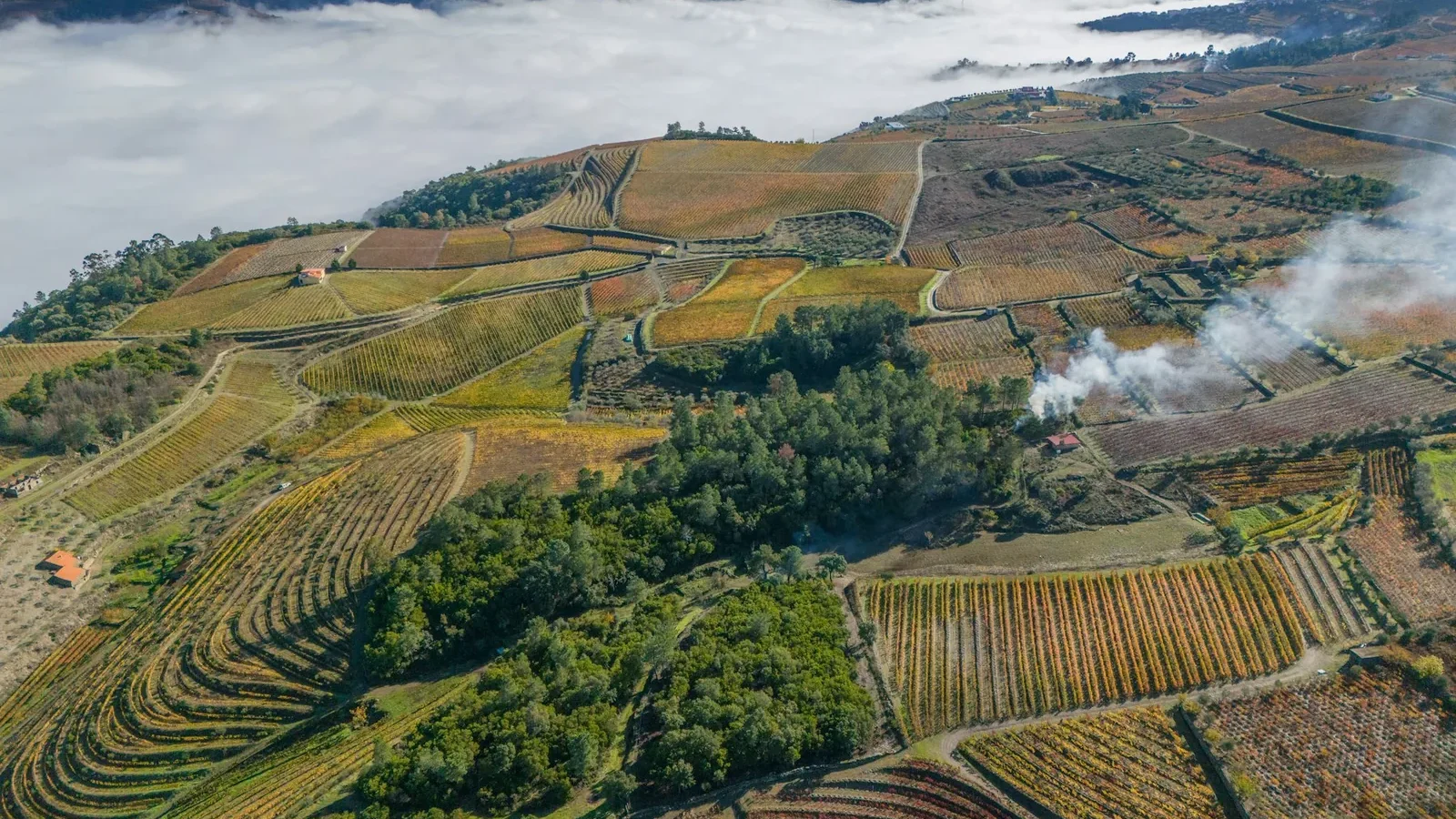
Europe is home to almost half of the world’s vineyards, making it easy for wine lovers to drink and eat their way through some of the oldest and most famous wine regions. Have you always been curious about what wine goes with what dish? Well, it depends a lot on the wine’s origins for starters. This infographic by Cheapflights has some answers.
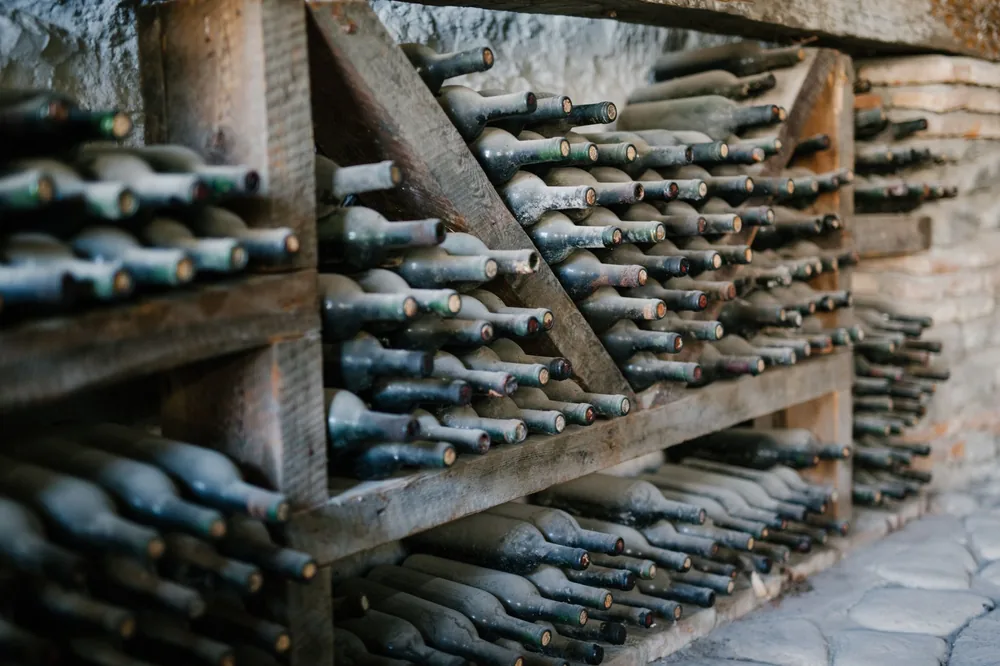
How the European wine map is actually organized
Europe’s vineyards are not scattered at random. They sit along river valleys, on hillsides that catch the sun, and on soils too poor for other crops, in places where grapes have been planted for centuries because nothing else grew better. That long habit is why a traveler can drive an hour in France or Italy and cross into a completely different wine culture.
The organizing idea is the appellation: a defined piece of ground with rules attached to it. Those rules usually cover which grapes may be planted, how much fruit a vineyard may carry, minimum ripeness, and sometimes how long the wine must age before release. The result is that a place name on a European label carries information that a grape name alone cannot.
Across the European Union these protected names are grouped into two tiers, a stricter one tied to a small delimited zone and a broader one covering a wider region. The European Commission’s overview of EU wine policy explains how those protected designations are defined and registered. Knowing which tier you are looking at tells you roughly how tightly the wine in the bottle is tied to a specific hillside.
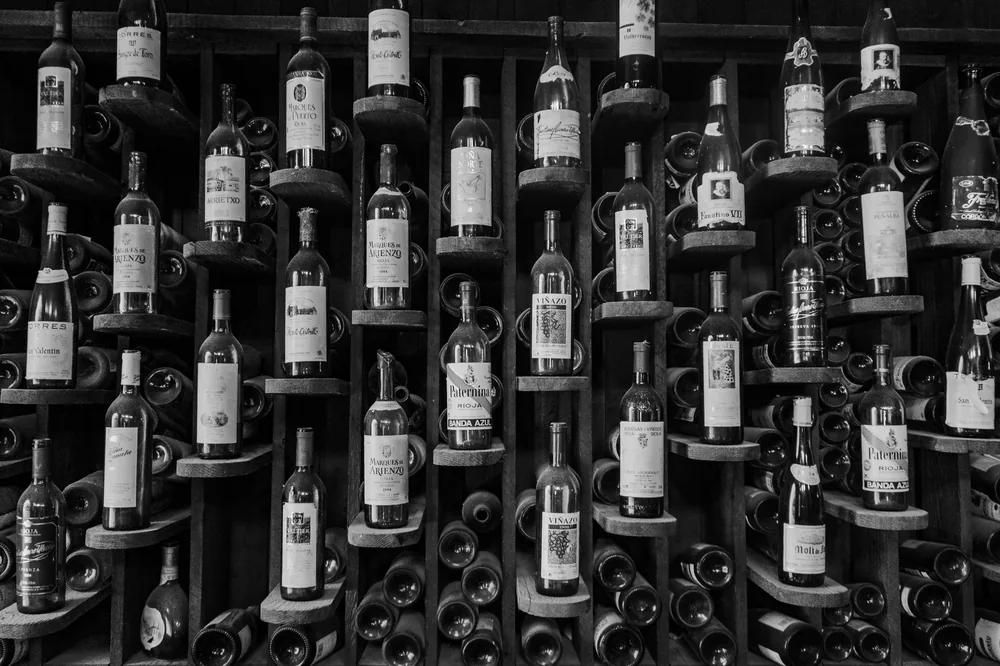
The countries most first trips cover
France, Italy, Spain, Portugal, Germany and Austria account for the great majority of what most visitors taste, and each one rewards a different kind of travel. France is the most formal, with appellation boundaries that can change from one side of a road to the other. Italy is the most varied, with hundreds of native grapes still in commercial production and a strong regional food culture attached to each one.
Spain and Portugal offer the widest range of wine styles for the least travel effort, from cool green coastal zones in the northwest to hot interior plateaus. Germany and Austria are worth the detour for anyone who likes white wine with high acidity and low alcohol, grown on some of the steepest planted slopes in the world. Northern regions ripen later and produce leaner wines; southern regions ripen earlier and produce riper, rounder ones.
If Italy is the draw, our overview of Italy’s wine regions and the companion guide to Italian grapes and styles lay out how the twenty regions differ. Both are useful before a trip, because Italian labels assume you already know where the town on the front is.
Why the label names a place instead of a grape
A visitor used to American labels sees a grape name on the front and knows roughly what to expect. European labels usually put the place first, on the assumption that the region already implies the grape. Chablis is Chardonnay, Sancerre is Sauvignon Blanc, and Chianti is mostly Sangiovese, but the bottle rarely says so.
That convention is changing slowly, and many European producers aimed at export markets now print the grape on a back label. Still, the fastest way to make sense of a European wine list is to learn a dozen place names and what grows there. The comparison below sets out the two labeling traditions side by side.
| Feature | European labels | New World labels |
|---|---|---|
| Front label emphasis | Place of origin | Grape variety |
| Grape named | Often only on the back, if at all | Almost always on the front |
| Rules attached | Grapes, yields, aging often prescribed | Mostly origin and varietal percentages |
| What you must know | Which grapes belong to which region | Which producer suits your taste |
| Style clue | Latitude and tradition of the zone | Grape plus stated region |
Eating the way each region drinks
The old rule that what grows together goes together is not folklore so much as arithmetic. Regional cooking and regional wine developed alongside each other over generations, so the acidity, weight and tannin of the local wine tend to match the fat, salt and richness of the local table. High-acid whites turn up where the food leans on seafood and butter, and firm reds turn up where the food leans on grilled meat and aged cheese.
That is why a wine that seems austere on its own can taste generous next to the dish it grew up with. Tannic reds soften against protein and fat, while acidity cuts through cream, cured pork and fried food. Our guide to food and wine pairing works through those mechanics in more detail for anyone who wants the reasoning rather than a list of matches.

Practical notes for visiting vineyards abroad
European tasting rooms rarely work the way American ones do. Many small estates are working farms with no staff to spare, so a visit usually means an appointment made days ahead, often by email and often in the local language. Larger houses and cooperatives are the exception and generally welcome walk-in visitors during posted hours.
- Harvest runs roughly from late August into October in the northern hemisphere, and growers have no time for visitors then.
- Spring and early summer are quieter, and cellars are usually cool and pleasant.
- Distances between villages are short, which makes a driver, a bicycle or a regional train far safer than a rental car after tasting.
- Spitting is normal and expected at a serious tasting, not an insult to the host.
- Many regions run a local wine museum or consortium office that is worth an hour before the first cellar visit.
Travelers who want to compare what they taste abroad with what they know at home can look at our summary of California’s wine regions, where the same latitude and elevation logic plays out on a different continent. The parallels are easier to see once you have walked a hillside vineyard in both places.

What a cellar visit usually involves
A visit at a small estate tends to be a conversation rather than a transaction. Someone walks you through the vineyard or the cellar, explains how the year went, and pours two or three wines at the end. Tasting fees are common at larger properties and less common at family estates, where hospitality is still treated as part of the work.
Expect the pours to be small and the pace to be slower than an American tasting room. Questions about soil, elevation and harvest dates are welcome, and questions about scores and ratings generally are not. Arriving on time matters more than almost anything else, because the person meeting you left a task unfinished to do it.
Europe wine travel FAQ
Do I need to speak the language to visit a small estate?
It helps, but it is rarely essential. A short email in English, sent well ahead, is usually answered, and translation apps handle the rest. Learning the words for red, white, dry and sweet in the local language goes a surprisingly long way.
What is the difference between a wine region and an appellation?
A region is a geographic and administrative area, such as Tuscany or Burgundy. An appellation is a legally delimited zone inside it, with production rules attached to the name. One region can contain dozens of appellations, each with its own boundaries and requirements.
Is it worth visiting outside the famous names?
Often, yes. Lesser known zones tend to be less crowded, more welcoming to unannounced visitors, and far more affordable to travel in. They also give you a clearer sense of how a whole region works, rather than only its most exported corner.