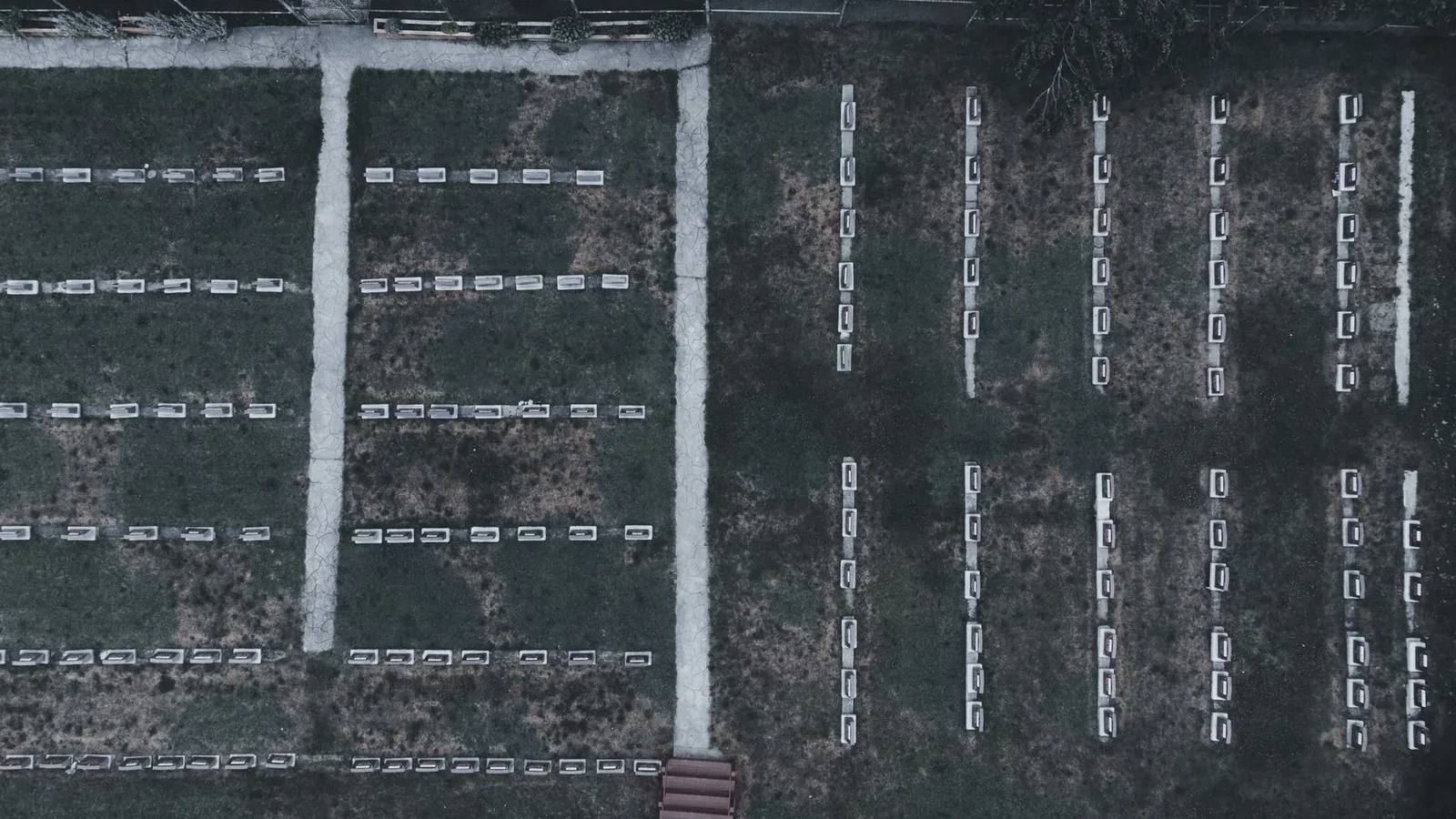
December 5th marked the 80th anniversary of the repeal of Prohibition. Here in San Francisco, the date provoked a certain amount of celebration, media attention, and moralizing. The argument has always been that the state should not outlaw what comes naturally, in this case wine, which has always existed and which humans have been drinking since their very beginnings.
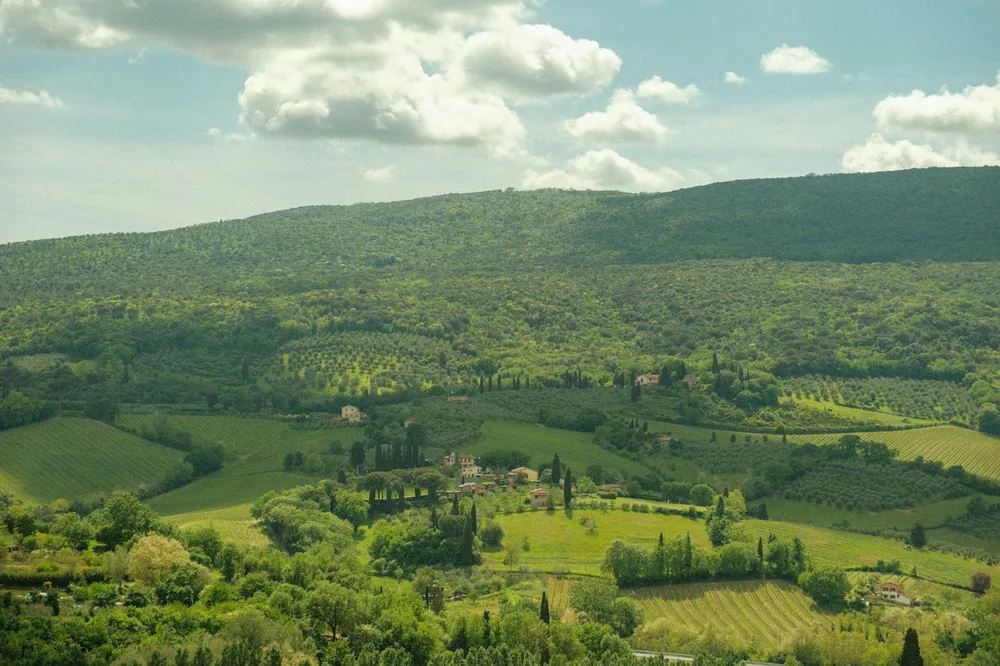
Modern humans are maybe 200,000 years old. Theoretically, Paleolithic humans knew 100,000 years ago that fruit in a container would ferment. But if humans had any sense before then, and they probably had at least a little like they do now, they would have observed that primates, insects, and birds love fermented berries. Early humans would very likely have crashed that party.
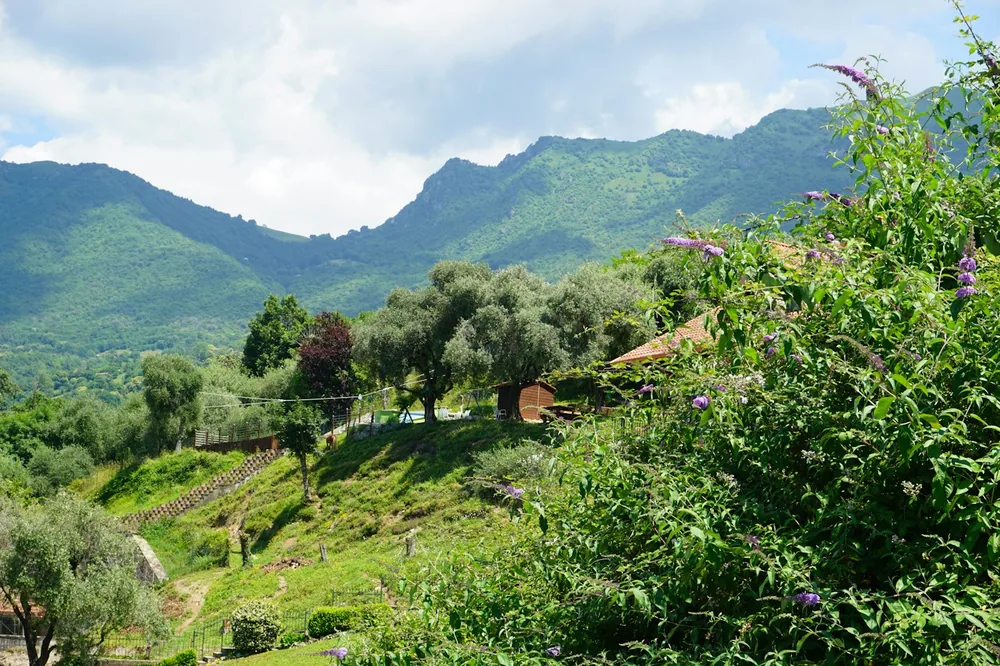
While the war on alcohol that took place during Prohibition may have been partly a reaction to excessive public consumption, it was also a culture war on the part of Protestants against immigrant Catholics. But mere legislation was unable to alter the consumption of people from Catholic cultures, which was rooted in thousands of years of history around the Mediterranean.
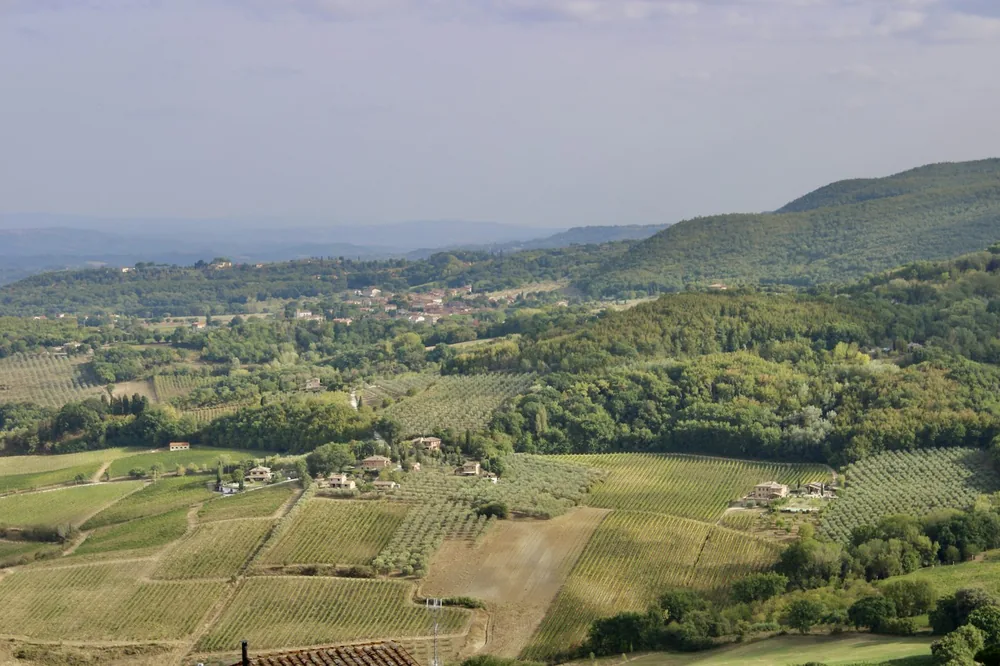
Based on what I know from my Sicilian grandfather, a bottle of wine was always on his table in San Francisco, and he wasn’t making it himself for his own consumption, which would have been legal. He was born in a Sicilian fishing village and knew nothing of farming or winemaking. He was buying his wine from somebody who was making it for sale, which was illegal. But in San Francisco at that time, with its large population of Italians and prolific vineyards all over the San Francisco Bay Area, buying wine was never difficult. Even as vineyards seriously diminished during the 13 years of Prohibition, grapes were always available, as were people willing to make wine and sell it. In many parts of the country, notably Chicago, organized crime took over distribution and created a violent black market for alcohol.
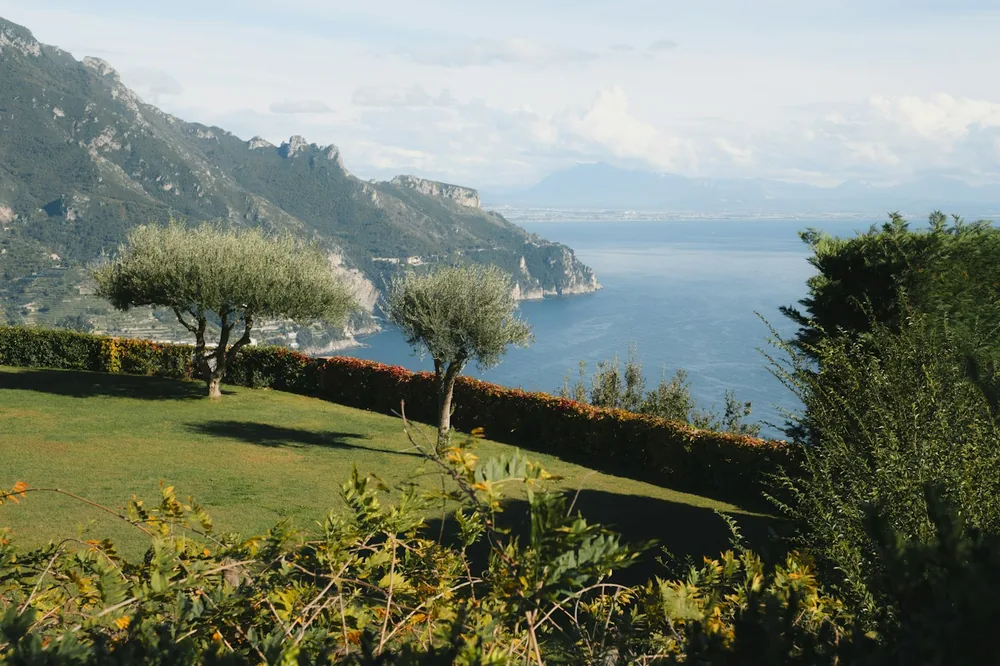
My grandfather lived into his nineties, and I remember very well his attitudes and practices around wine, which reflect the ancient context of the beverage and could also serve as a model for present day consumption. Wine had three purposes. It was a part of religious ritual in the Catholic mass. It was a nutritional component of a meal like any other food on the table. And when necessary, it was medicine. In fact, physicians as a group were opposed to Prohibition since they prescribed wine for therapeutic purposes.

The manufacturing process for Penicillin was not invented until the 1940s. Before then, potions like hot brandy and chest applications of hot mustard were used to fight fever, influenza, and pneumonia. As a child, my mother remembered having to drink hot brandy when she was sick. Brandy is fortified wine, by the way. But she hated it. I love it. By the time my grandfather was making it for me, he was adding a squeeze of lemon and a bit of sugar, which maybe he had not done for my mother. When I walk into my cold house during the winter, making a hot brandy is my first domestic act after I turn up the heater It is, of course, my favorite head cold remedy. And we all know how a glass of wine at the end of a difficult day will banish fatigue and tension, which is yet another medical condition.
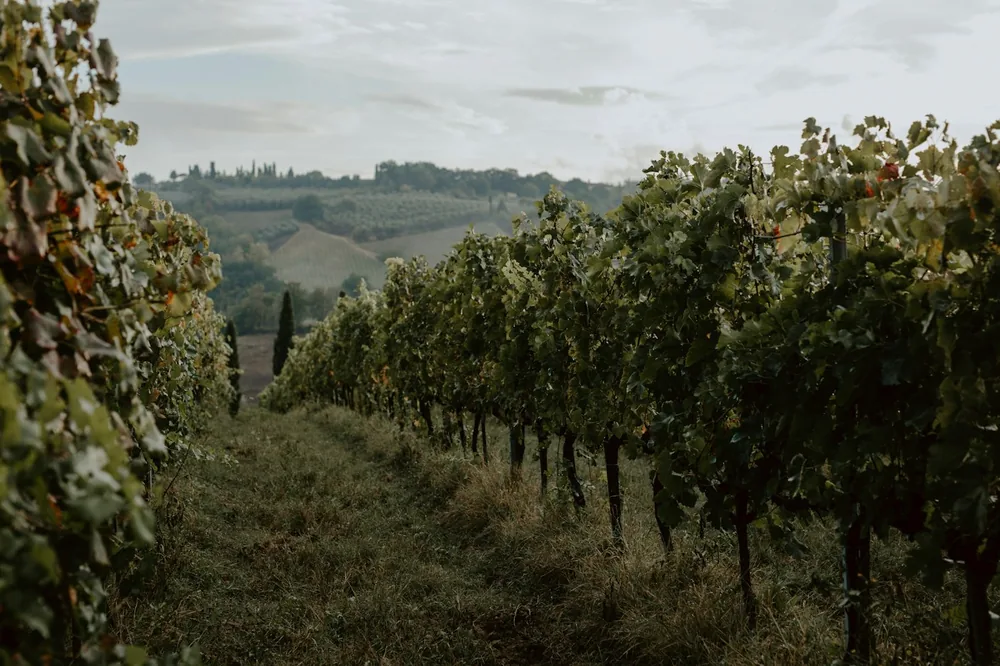
At my grandfather’s table, no one ever talked about the wine in his or her glass. It was simply a standard part of the meal that everyone expected to be on the table. It probably wasn’t tasty enough to provoke comment or to stimulate more than minimal consumption. And it was served in glasses that were less than half the size of what we use now. It would have been difficult and conspicuous to pour enough into those small glasses to produce an altered state. And nobody ever tried. Moderation was the unspoken rule, and wine was food, consumed only with food. Wine was never entertainment, which it became during Prohibition with the advent of the Speakeasy that had replaced the neighborhood bar. My grandfather would say that the key to a long life with wine would be to respect it and drink moderately with food, except in medical situations, of course. Let’s drink to that, and I wish all of us a Happy New Year!
What the law actually banned
The Eighteenth Amendment prohibited the manufacture, sale and transportation of intoxicating liquors, and the Volstead Act that enforced it set the threshold at one half of one percent alcohol. Neither one prohibited drinking. Wine and spirits already in a private cellar when the law took effect remained lawful to keep and to consume, which is one reason wealthy households stocked up in advance.
The statute also carried exemptions that kept whole categories of production alive. Sacramental wine for religious use continued, physicians could prescribe alcohol, industrial alcohol was permitted, and heads of households were allowed to make a substantial quantity of fruit juice each year for home use. That last provision was read generously by almost everyone.
| Activity | Status under the law |
|---|---|
| Making wine for commercial sale | Prohibited |
| Selling or transporting liquor | Prohibited |
| Drinking at home | Not prohibited |
| Stock owned before the law took effect | Lawful to keep and consume |
| Sacramental and prescribed use | Permitted under exemptions |
| Home fruit juice for family use | Permitted within limits |
What it did to the vineyards
California’s vineyards did not vanish, but what grew in them changed. Demand shifted from wineries to households making wine at home, and grapes now had to survive a rail journey east, so growers replanted toward thick-skinned, deeply colored varieties that traveled well and stretched further in a home fermentation. Delicate varieties suited to fine wine lost ground.
The cellars fared worse than the fields. Equipment was sold or left to rot, cooperage dried out, and the institutional knowledge held by winemakers scattered into other trades over thirteen years. Repeal in 1933 restored the legal market to an industry that had lost its skilled workforce, its distribution and much of its reputation.
Recovery took decades rather than years. The path from repeal to international standing is traced in our overview of California’s wine regions, while the Mediterranean traditions the immigrant families carried with them are covered in our guide to Italy’s wine regions.
The moderation the story describes
The household pattern in the account above, small glasses, wine treated as part of a meal, and nobody remarking on it, is close to what public health guidance still describes as moderate consumption. Definitions and current research are collected by the National Institute on Alcohol Abuse and Alcoholism in its summary of alcohol facts and statistics. Glass size and the presence of food do more to shape a drinking pattern than any resolution.
The holiday table is where those habits are most visible, and our notes on wine for celebrations cover pacing a long meal for a group. Serving with food, in modest pours, over several hours is the oldest version of the advice.
Prohibition FAQ
How long did Prohibition last?
Thirteen years, from January of 1920 until the Twenty-first Amendment repealed it in December of 1933. It remains the only constitutional amendment to be repealed outright.
Was drinking itself ever illegal?
No. The federal ban covered production, sale and transport rather than consumption or possession of lawfully acquired stock.
Why do alcohol laws still vary so much by state?
Because repeal handed regulation of alcohol back to the states, which built their own licensing, distribution and sales systems. That patchwork remains in place today.