
The beginning of the New Year is the time to celebrate aspiration, innovation, and change in whatever measure inspires us. The world of wine is now presenting us with a new experience in the glass, one that is fairly astounding. Up until recently, wine has come in three colors, red, white, and pink. But orange is now the hot, new shade for wine. Like at least some innovation, this one is inspired by the past but brought to a new level of deliciousness.
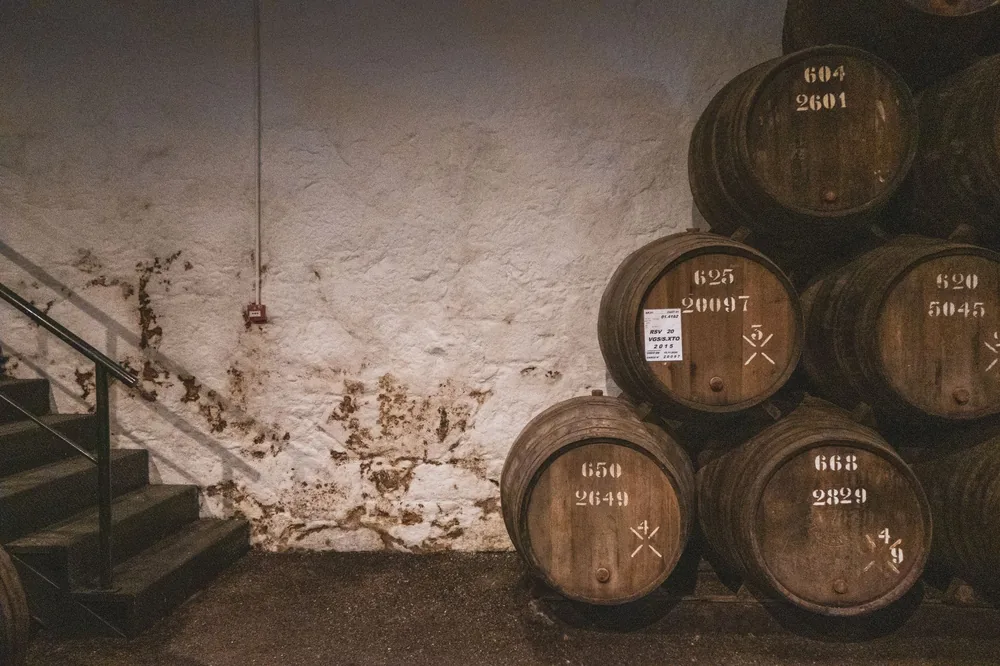
Grape skins are responsible for the color of wine. Both juice and skins are fermented together to make red wine so that the skins can impart their intense hue. For rose` wines, the juice and skins remain together only until the juice obtains the desired pink color, at which point, it is drained away from the skins and fermented into wine. White wine has very little color because after the grapes are crushed, the juice is immediately separated from the skins.
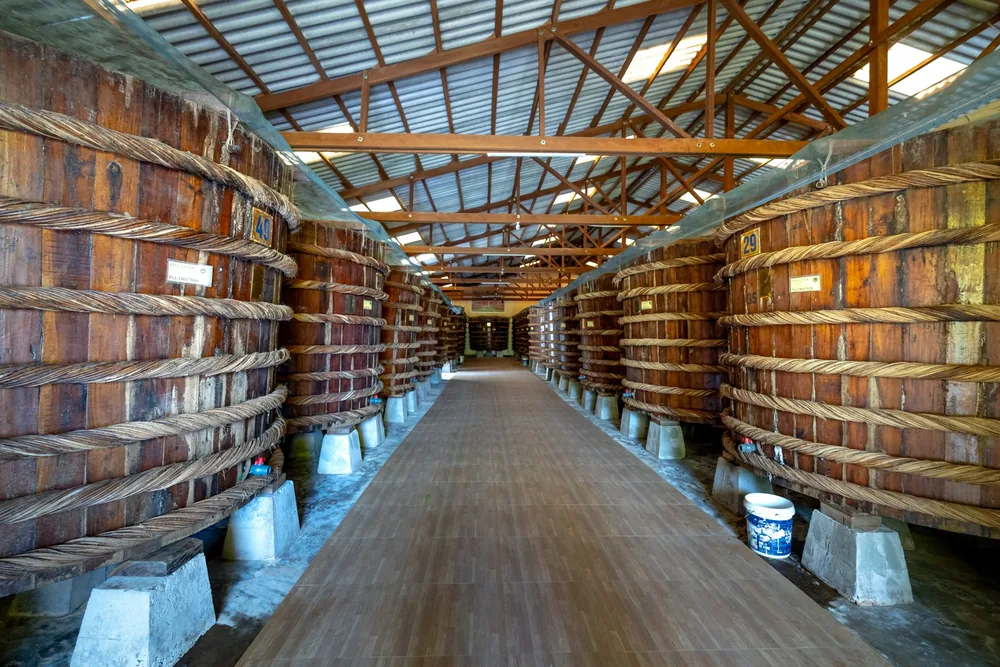
In the case of so-called orange wine, which does indeed have a rich golden-orange color, the juice soaks with the skins, and in some cases the two are fermented together. In other words, the juice picks up the color of the skins in much the same way that red wine does.
But in addition to color, the skins impart intense flavor. They also contribute tannin to the wine, that somewhat gritty texture that is typical of reds but absent in white. In other words, orange wine has the same rich flavor and texture that red wine has and like red wine is served at room temperature instead of chilled.
Twenty years ago, Josko Gravner along with other local winemakers from Friuli-Venezia Giulia in northeastern Italy began experimenting with this technique. They were inspired by the past when white wine was made in much the same way as red with both juice and skins fermented together. After tasting these new and delicious wines that were coming from Friuli, Italian winemakers from other regions became interested. Mostly because of these innovative wines, Italian consumers are drinking more white wines.
Influenced by the Italians, California winemakers are also producing orange wines. George Vare at Luna Vineyards in Napa was one of the first. Kevin Kelley at Natural Process Alliance and Pax Mahle at Wind Gap are enthusiasts of the technique among others.
So be on the look-out for orange wine, which you’ll find to be surprisingly delicious and, by the way, priced accordingly. Happy New Year to all of you from all of us at Celebrations Wine Club.
What the Skins Are Actually Contributing
Grape skins hold the compounds that give wine color, tannin, and much of its aroma. These are broadly grouped as phenolics, and they are extracted by contact time, temperature, and alcohol as fermentation proceeds. A white grape has phenolics too; conventional white winemaking simply declines to take them.
That is the whole mechanism behind skin-contact wine. Leave white grapes on their skins for days or months and the juice picks up not only the golden or amber color but also grip, texture, and a set of aromas that never appear in a wine pressed immediately. Penn State Extension’s wine grape program publishes grower material on how these extractions work.
Tannin is the part that surprises people most. It is a textural sensation rather than a flavor, felt as a drying grip along the gums, and it is the reason a skin-contact white can pair with dishes that would flatten an ordinary white.
| Style | Skin contact | Tannin | Typical serving temperature |
|---|---|---|---|
| White | None, or a few hours before pressing | Negligible | Well chilled |
| Rose | Hours, until the color is right | Very light | Chilled |
| Skin-contact white | Days to months, often through fermentation | Light to firm | Cool, well short of cold |
| Red | Days to weeks, through fermentation | Moderate to high | Cool room temperature |
An Old Method, Not a New One
Fermenting white grapes on their skins is the older practice, not the newer one. It was the normal way to handle white grapes for most of wine’s history, in clay vessels buried to the neck, and the technique survives continuously in Georgia in the Caucasus where those vessels are called qvevri.
What changed was technology. Temperature control, presses that could handle whole clusters gently, and stainless steel made it possible to protect white juice from both oxygen and skins, producing the pale, aromatic style that dominated the twentieth century. Skin contact was not defeated on the merits; it was simply set aside.
The northeastern corner of Italy is where the revival gathered momentum, in the hills of Friuli-Venezia Giulia and across the border in Slovenia. It is a landscape of steep slopes and marl-and-sandstone soils that our overview of Italy’s wine regions places in context.
Slovenia’s Brda and Italy’s Collio are effectively the same hillside divided by a border drawn in the twentieth century, and winemakers on both sides worked with the same soils and often the same families. That shared ground explains why the revival crossed the frontier so quickly.
The wines that resulted were divisive at first. Cloudiness, color, and grip all read as faults to a generation trained on pristine white wine, and it took the better part of two decades before sommeliers and importers treated the category as deliberate rather than accidental.
Serving a Wine That Sits Between Categories
Skin-contact wines get mistreated more often through service than through anything else. Chilled to the temperature of a crisp white, the tannin turns hard and the aromatics disappear; served at true room temperature, the wine goes heavy. Cool cellar temperature is the target, roughly where a light red is comfortable.
Glassware follows the same logic. A narrow white glass suppresses aromas that need air, so a larger bowl of the kind used for red is more forgiving. Many of these wines also improve substantially in the second hour after opening.
At the table they behave like light reds rather than whites, which makes them unusually useful. Cured meats, aged cheeses, roasted vegetables, chickpeas, and spiced dishes that fight both red and white all sit comfortably alongside them.
The California Thread
California winemakers took up the method for the same reason they take up most things, which is that the state’s regulatory framework and its climate leave room for experiment. Grapes with thicker skins and firm acidity respond best, and the results range from a few hours of contact to full fermentation on the skins.
Because there is no legal category for these wines, labels vary widely and terminology remains unsettled. Some say skin-fermented, some say amber, some say nothing at all. Our guide to California grapes and styles covers the varieties most often used.
Orange Wine FAQ
Is orange wine the same thing as natural wine?
No, though the two overlap in practice. Orange refers only to the winemaking decision to leave white juice on its skins. Natural describes a broader philosophy about additions and interventions, and a skin-contact wine may or may not follow it.
Why is the color amber rather than orange?
Pigment in white grape skins is yellow-brown rather than red, and it deepens with contact time and with gentle exposure to oxygen. The result ranges from pale gold through copper to deep amber, which is why many producers prefer the word amber.
Do these wines age?
Tannin and phenolics act as preservatives, so many hold up far longer than a conventional white of comparable weight. Aging is not the point of every bottle, but the structure that makes it possible is the same structure that gives red wine its longevity.