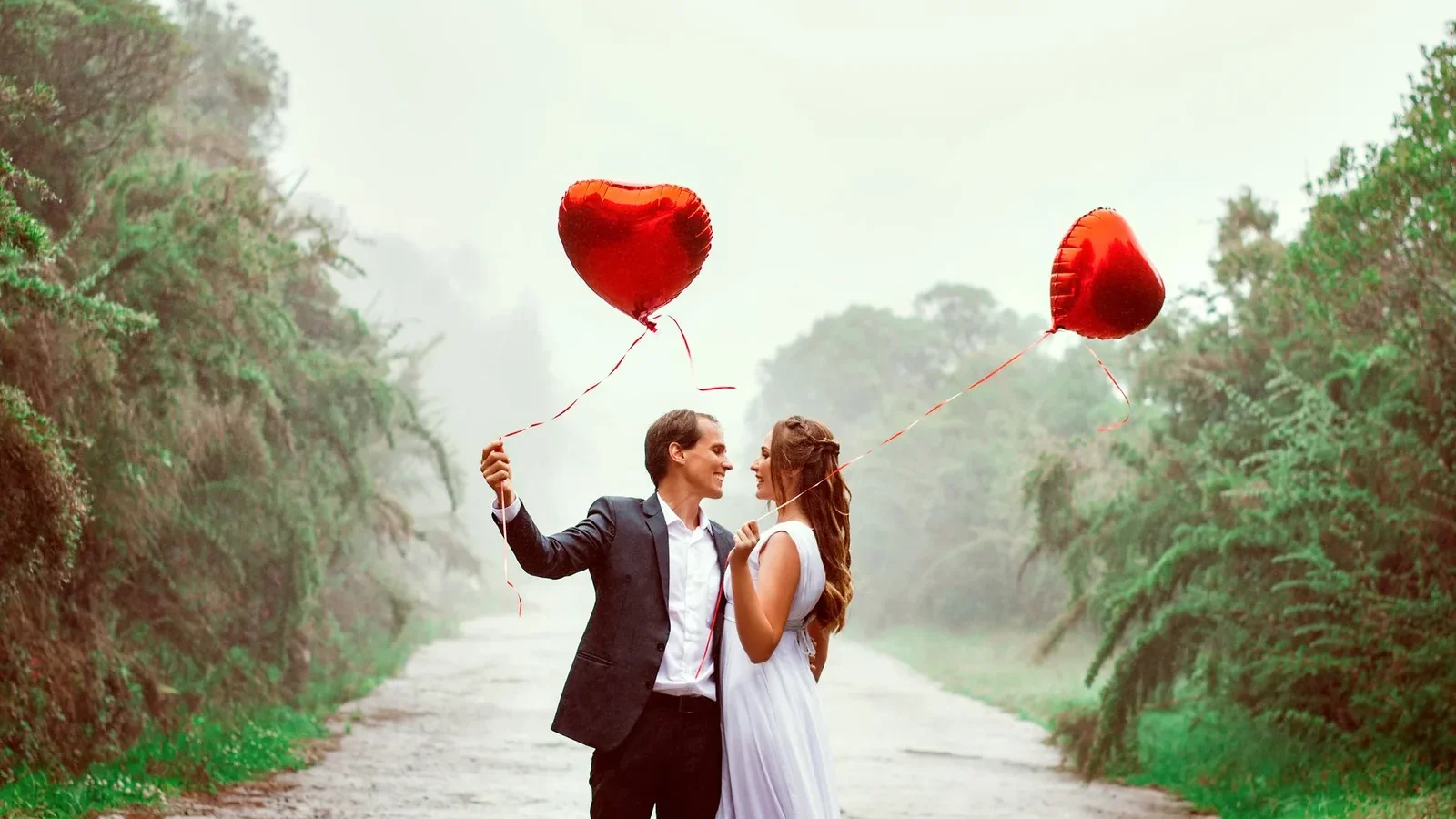
We recently received an order that seemed to be a Valentine gift with the message “When one looks into water, one sees one’s own image. But when one looks into wine, one beholds the heart of another.” I have no idea who first wrote these sentences, nor have I ever seen them before. And the person, who chose them for his message, didn’t answer my email when I asked if he knew the author. But the lines are truly striking and provoked a conversation that night at the dinner table about the meaning and observance of Valentine’s Day. Responses among the four of us eating together ranged from “bah, humbug” to reverence. You guessed it. The “bah, humbug” came from an older man, and the reverence came from a teenaged girl. But in between these poles, other responses to Valentine’s Day or any other public holiday are possible.

The “bah humbug” argument centered around the commercialism of every holiday and how holidays have been reduced to feverish consumerism devoid of any meaning other than to stimulate the economy. The other extreme was that Valentine’s Day honors love, and no amount of chocolate, roses, champagne, poetry, or anything red could be too much to throw at the occasion, given its gravity.
In an era of polarization, the “middle ground” has become the new wisdom although exactly where that is, is vague. Fortunately, I happen to be standing on it unless someone sneaks up on me and pushes me off the spot. First of all, holidays interrupt everyday habits and sometimes even produce an extra day away from work. This is good. Just ask the Italians, who celebrate a different saint every day of the year and observe more holy days than work days.
Secondly, holidays have themes and point our attention to concepts that we don’t address on a daily basis. For example, Valentine’s Day celebrates love in its various permutations, especially romantic and familial love. You may love someone or many, but you probably don’t navigate your daily life, analyzing and celebrating this love. Or maybe you do, in which case you’re more evolved than the rest of us or at least have more time. So Valentine’s Day provides us with a national time-out when we can consider love and those, whom we love, in a direct and deliberate way. And even though our culture gives us symbols to express the concept, like chocolate, champagne, hearts, and flowers, we can also celebrate with entirely personal expressions. Which brings me back to those evocative lines,
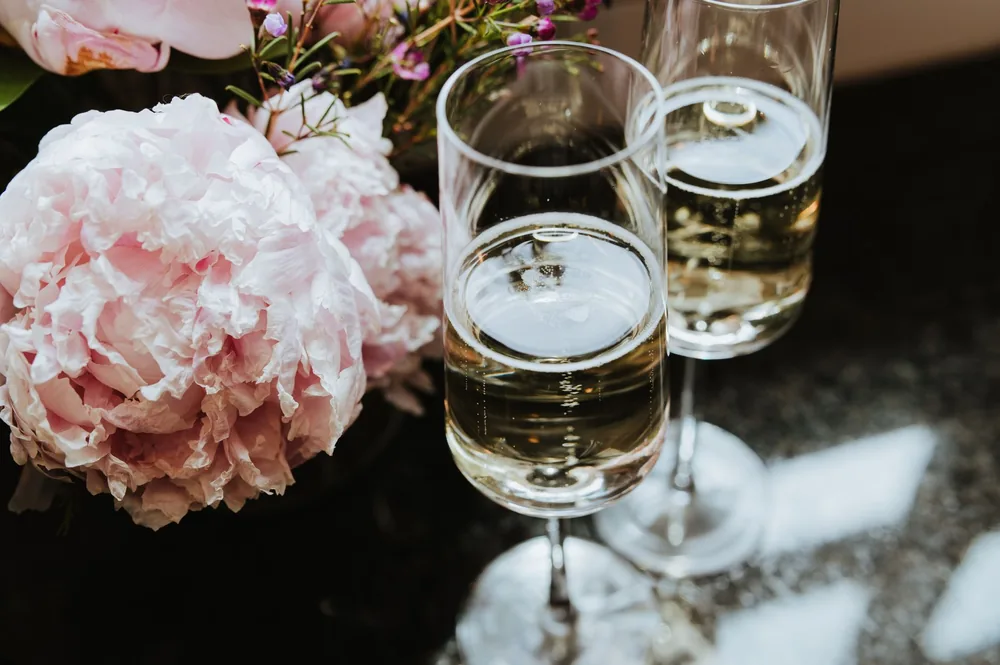
“When one looks into water, one sees one’s own image. But when one looks into wine, one beholds the heart of another.” In other words, we may be naturally self-absorbed, but love compels our attention toward others as does wine. Happy Valentine’s Day.
Where the Holiday Came From
The February date attached itself to romance surprisingly late. The early Valentine was a martyr, or possibly two of them, about whom almost nothing reliable is recorded, and the association with courtship appears in European literature only in the later Middle Ages. Britannica’s account of the origins of Valentine’s Day traces how the two strands were joined.
Printed cards arrived with cheap paper and cheaper postage in the nineteenth century, and the commercial apparatus followed the cards rather than the other way around. The complaint about consumerism is therefore about two centuries old, which is itself a kind of tradition.

What survives underneath the marketing is the older idea: a fixed date on which people say something they would otherwise leave unsaid. That function does not depend on anything being purchased.
Why Wine Ended Up in the Middle of It
Wine attached itself to occasions of this kind long before greeting cards existed. It marks a moment as different from an ordinary evening, it is shared rather than consumed alone, and opening a bottle takes deliberate effort in a way that pouring a glass of water does not.
Sparkling wine carries the additional theater of the sound and the rising bubbles, which is why it became the default for anything worth marking. The ritual is doing most of the work, and the wine is the excuse for the ritual.
Quotations about wine and the heart, including the striking pair of lines at the center of this article, belong to that same tradition. Their authorship is often untraceable, which does not diminish them.
| Occasion | What the wine has to do | Style that fits |
|---|---|---|
| A toast before dinner | Mark the moment and sharpen the appetite | Dry sparkling wine, well chilled |
| A long meal for two | Stay interesting across several courses | Moderate alcohol, good acidity, no single dominant note |
| A gift | Say something without a card | A bottle tied to a shared place or memory |
| Something sweet at the end | Match the dessert without doubling it | A dessert wine at least as sweet as the dish |
The gift itself has an older logic too. Wine was for centuries one of the few luxuries that could be given without embarrassment at almost any level of means, since a bottle from a modest place and a bottle from a famous one arrive in the same shape.

What distinguishes one is the story attached to it: a region visited together, a grape someone mentioned once, a year that meant something. That is information a card cannot carry and a price tag cannot supply.
The Half-Bottle Problem
Cooking for two runs into a practical difficulty that larger gatherings never face: a standard bottle holds more than two people usually want on a weeknight. Half-bottles solve it neatly and are worth knowing about, since they hold a genuine half rather than a token pour.
Failing that, a bottle keeps far better than its reputation suggests. Recorked and refrigerated, most wines are perfectly good the following evening and often the one after, and chilling a red overnight does it no harm at all as long as it is brought back to cool room temperature before serving.
What ruins leftover wine is oxygen and warmth working together. A bottle left open on a counter in a warm kitchen will be noticeably tired within hours, while the same wine in the refrigerator will not.
Holidays as Scheduled Attention
The argument in this article for the middle ground rests on something worth stating plainly: a fixed date compels attention that good intentions do not. Most people mean to mark the things they value and simply do not get to it.
The commercial layer is genuinely tiresome and also entirely optional. A meal cooked at home, a bottle chosen because of where it came from, and an evening without a screen constitute the whole observance, and none of it requires a display in a store window.
Italians, invoked above for their inexhaustible calendar of saints, illustrate the point. The value of a holiday lies in the interruption, and our guides to wine for celebrations and Italy’s wine regions both proceed from that assumption.
Valentine’s Day Wine FAQ
Does sparkling wine have to be opened with a pop?
No, and it is better without one. Holding the cork and turning the bottle produces a soft sigh, keeps the wine in the bottle, and preserves the pressure that carries the aromatics.
What if one person prefers red and the other white?
Open both, or find a middle style such as a dry rose or a lighter red served cool. Two half-finished bottles are a small price for two people drinking what they actually want.

Is an expensive bottle the point?
Rarely. A wine chosen because it connects to something shared carries more meaning than a wine chosen by price, and the story attached to it is what gets remembered afterward.