With farmers’ markets sprouting all over the country, the organic sections of supermarket chains expanding, and specialty stores proliferating, organically grown food is attracting more consumers as people become increasingly aware of how food is produced with so-called conventional methods. But institutions that recommend policy need to see the numbers. So the largest wine trade group, Wine Institute in San Francisco, representing more than 1000 California wineries out of perhaps 3,500 in the state, sponsored two studies that evaluated just how many wine drinkers were eco-conscious and how restaurants and wine stores were responding to their needs. Apparently many consumers care how their wines are produced. But while all organic produce is labeled, together with the certifying agency, wine labeling is less transparent or non existent.
According to Wine Institute studies, 34% of wine consumers consider environmental attributes when they purchase wine, and not only that, they drink more than those who don’t question how their wine is produced. Among major retail and restaurant chains as well as wine distributors, 37% said that sustainable attributes of a wine were frequently a factor in wine selection. Emily Wines, Director of Wines for Kimpton Hotels & Restaurants told Wine Institute, “Customers care about sustainability, and they look to retailers and restaurateurs to do the research and make those wines available.”
But both consumers and trade want to see seals, logos, or information about sustainable growing practices on the wine bottle. They want to see the certifying agencies, too, such as Biodynamic, California Certified Organic, USDA Organic, or California Certified Sustainable Wine. All of these certifications are by no means equal, Biodynamic and California Certified Organic being the most advanced. But at least consumers would have access to definitions if the information was stated on the bottle.
If the information is not yet available, the most prevalent reasons are that producers are not entirely aware that consumers care. Worse, the term “organic” was a negative one in the past and synonymous with inferior wine before agriculture became a science instead of an art. Small wineries may also hesitate to join a certifying organization because of the expense even though their agricultural practice may qualify. Others may want the option to douse their crops with a toxin if they feel they need to combat a particular problem with more immediate tools. But as more consumers become interested in better labeling, producers will be encouraged to provide it.
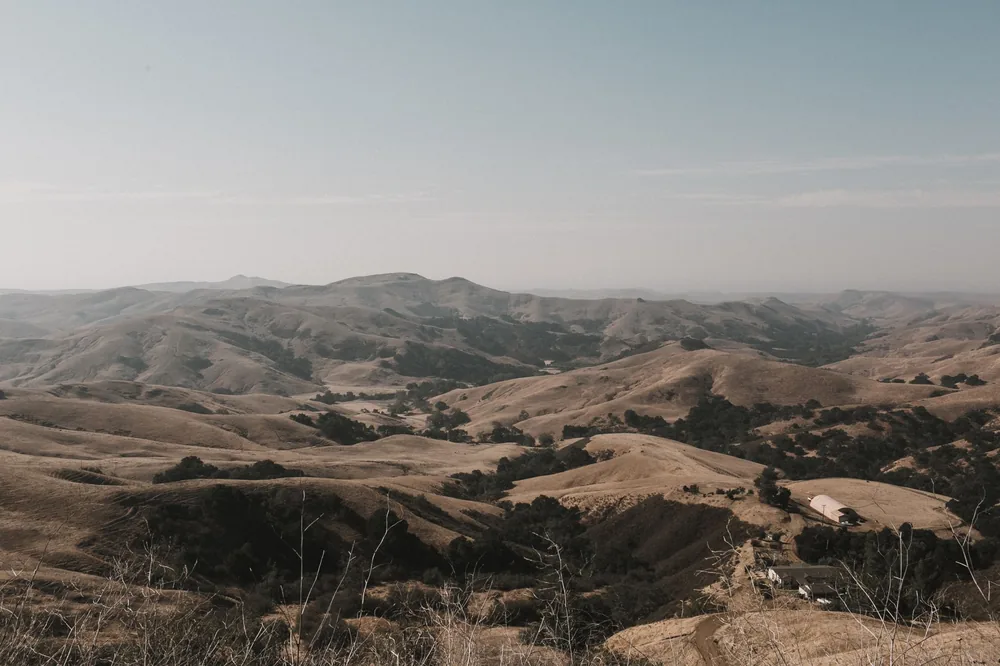
Industry wide standards would be very helpful for consumers, and in California, like many wine producing countries, such standards are evolving. In California, Wine Institute created a Sustainable Winegrowing Program, a workbook thicker than the Oxford English dictionary, with information on greenhouse gas protocol, sustainable management of water, and sustainable farming, which winemakers say now reflects fairly standard practice, which will no doubt continue to improve.

In response to the European Union’s 2006 Sustainable Use Directive, the Italian government is paying farmers a benefit to farm organically. In France, the largest agricultural producer in the EU, the government is aiming for a 50% reduction in pesticide use between 2008 and 2018. “A new study on pesticide residue in wine has caused a furor in France,” according to a report in Wine Spectator, and will probably further inspire compliance. New Zealand’s target is to cultivate 50% of its agricultural production organically by 2020. In other words, clean agriculture is an international trend that will eventually be showing up on the labels of your wine bottles.
What each label on the shelf actually certifies
The seals described above are not variations on a single idea. They are separate schemes with separate rules, separate auditors and separate subjects, and two of them may apply to the same wine without saying the same thing. The most common confusion is between what happened in the vineyard and what happened in the cellar.
Organic certification is a legal designation covering permitted inputs in farming and, in some jurisdictions, in winemaking as well. In the United States a wine sold as organic must be made from organically grown grapes and cannot have added sulfites, while a wine labeled as made with organic grapes may contain them within limits. That single distinction accounts for most of the shelf confusion in this category.
Labeling rules differ as well as production rules. In some markets a certifying body’s mark may appear on the front label, in others the claim is regulated as strictly as a place name, and in others still a producer may describe practices without any certification at all. Reading the seal therefore means knowing which country’s rules produced it.
European rules took a different path. The European Union defined rules for organic wine that cover winemaking practices as well as grape growing, allowing organic wine to carry the bloc’s organic logo, and the framework is described in the Commission’s overview of organic farming in the European Union. The result is that an American and a European organic label promise related but not identical things.
Three approaches compared
| Trait | Organic | Biodynamic | Sustainability programs |
|---|---|---|---|
| Primary subject | Permitted inputs | Whole-farm practice and preparations | Farming, energy, water, social practice |
| Legal status | Defined in law in many countries | Private standard held by a certifying body | Industry or regional standards |
| Cellar rules | Vary by jurisdiction | Included in the standard | Often included alongside farming |
| Verification | Third-party inspection | Third-party inspection | Self-assessment with third-party audit available |
Why small producers stay uncertified
Plenty of vineyards farmed carefully carry no seal at all, and the reasons are practical rather than evasive. Certification involves annual fees, record-keeping, inspections and usually a transition period of several years during which the land is farmed to the standard without being allowed to say so.
Scale compounds the difficulty. A grower with twenty acres carries the same paperwork burden as one with two thousand, spread across far fewer bottles, and small producers frequently sell everything they make without needing a seal to do it. Certification pays for itself where a label has to persuade a stranger on a shelf.
The other reason is the one described above: growers want the option to intervene. A wet spring that triggers mildew pressure, or a sudden pest arrival, can threaten an entire crop, and some growers are unwilling to commit in advance to a rulebook that limits their response. That reasoning is easier to respect once you have seen a season go wrong.
Questions worth asking instead of reading seals
Certification is a shortcut, not the only evidence. Where a producer is accessible, a few direct questions reveal more than any logo.
- Does the winery farm its own vineyards, or purchase fruit, or both?
- What is the cover crop policy between the rows, and is the ground tilled or left undisturbed?
- How is water managed, and is irrigation monitored against measured vine stress?
- Which interventions are used routinely, and which are held in reserve for a bad year?
- Is the vineyard certified, in transition, or farmed to a standard without certification?
Our survey of California’s wine regions and the Sonoma County region guide describe how differently farming conditions vary across the state, which is why a single national standard covers such varied ground.
FAQ: eco-labels on wine
Does organic wine contain no sulfites at all?
Not exactly. Fermentation itself produces small amounts of sulfites, so no wine is entirely free of them; the rules govern what may be added, and they differ between the United States and the European Union.
Is sustainable the same as organic?
No. Sustainability programs cover a broader range of practices, including energy, water and labor, but generally permit inputs that organic certification prohibits.
Does certification tell me the wine will taste better?
No. It describes how the grapes were grown and sometimes how the wine was made, which is a separate question from quality. Our notes on practical wine knowledge take up how to read the rest of the label.