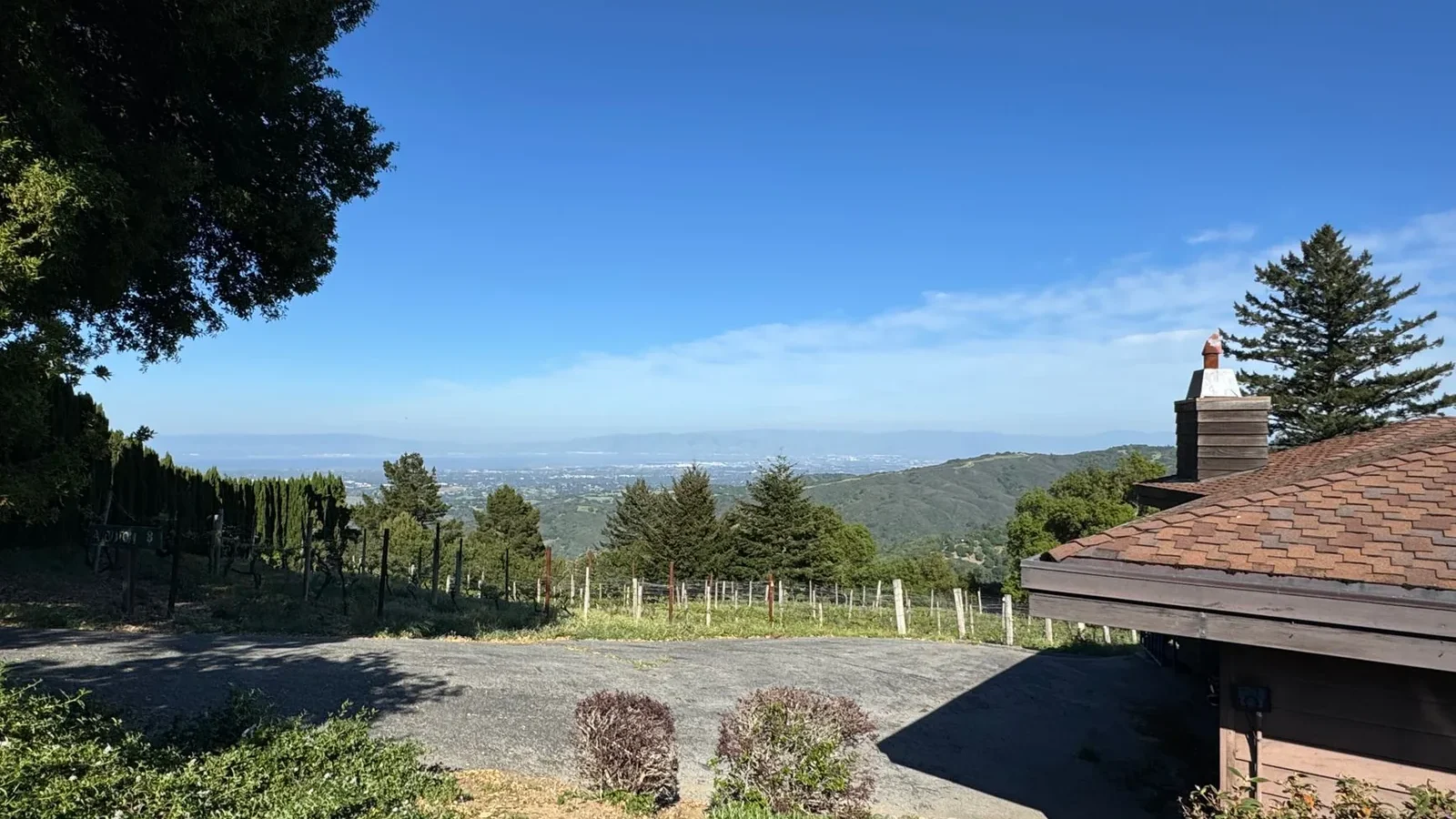
The most common mistake made about Sonoma is treating the coast as a thermostat, as though proximity to the Pacific decided temperature by itself. It does not. A Sonoma County wine region guide that lists nineteen appellations alphabetically will leave you no better able to guess which of them is cold, because coastal hills block marine air as effectively as any wall.
What matters is where the wall has holes. Sonoma has two, and almost everything about the county’s wine follows from them.
Two doors in the coast range
The Petaluma Gap
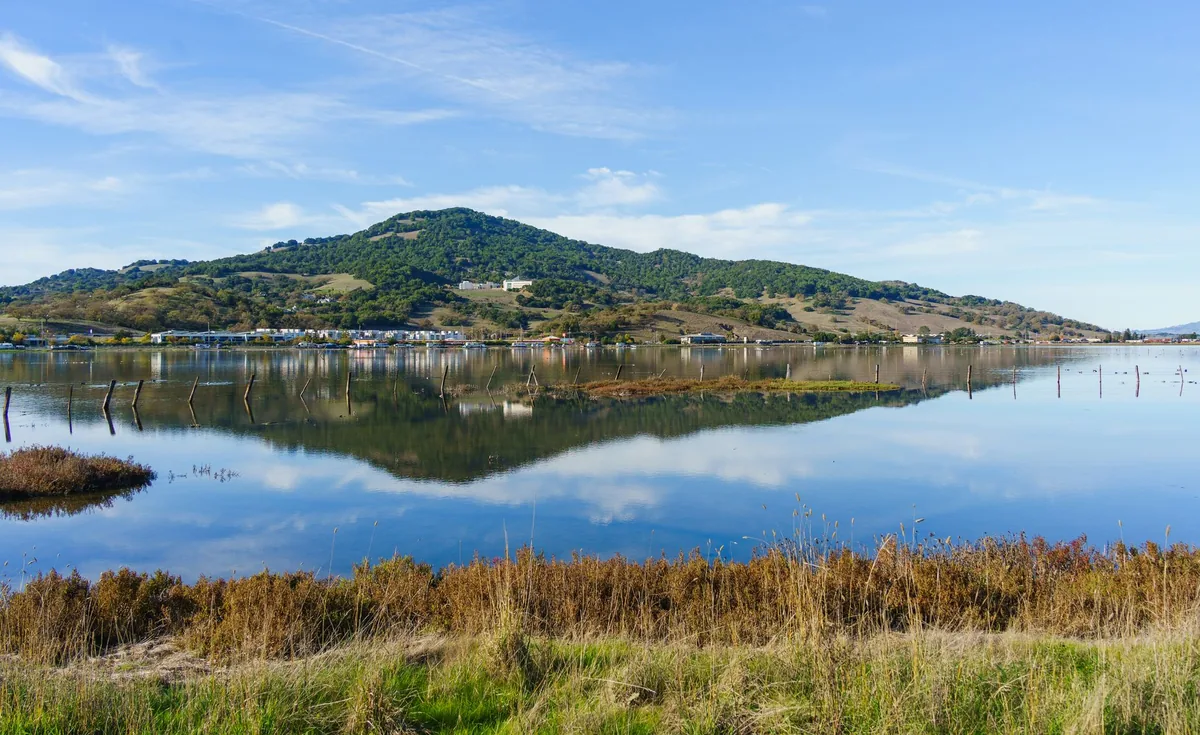
The Petaluma Gap is a break roughly fifteen miles wide in the coastal mountains, running from the ocean east past Petaluma and down to San Pablo Bay. Cold air does not merely seep through it; it is pulled through by the inland heat and arrives as steady afternoon wind. Fog on summer mornings and wind by afternoon are the region’s normal weather, not its bad weather, and temperatures across a single day commonly swing forty degrees or more.
Wind is unusual as a defining feature for an appellation, and it was central to the case made when the gap was recognized in its own right in 2017. Wind closes stomata and slows ripening, so sugar accumulates more slowly while acidity holds. Pinot Noir accounts for the large majority of what is planted there, with Chardonnay and Syrah behind it.
The Russian River corridor
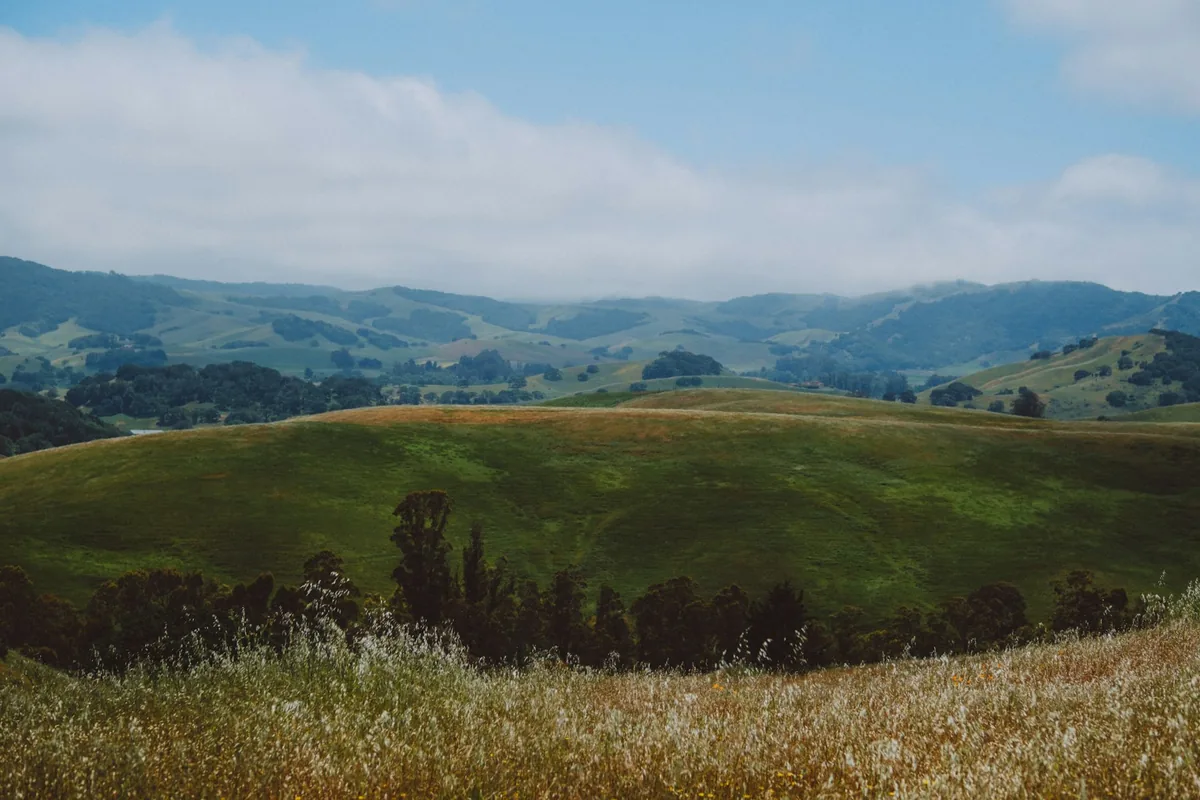
The second opening is the channel the Russian River itself cut through the hills to reach the sea. Fog travels inland along it overnight and pools on the valley floor around Guerneville and Forestville, often lingering past mid-morning. The Russian River Valley became an appellation in 1983, and it is the reason Sonoma has a reputation for Pinot Noir and Chardonnay at all.
The club’s archive put the point plainly two decades later. A 2012 winery profile observed that Sonoma County is large but has sorted its specialties by valley, with cooler Russian River Valley known for Chardonnay and Pinot Noir while Dry Creek Valley was settled by Italian farming families — the February 2012 California winery of the month makes that comparison directly.
What happens as you move away from the doors
Move a few miles from either opening and the air warms quickly, because hills interrupt the flow long before distance does. Dry Creek Valley sits north of the river corridor with warm days and enough night cooling to keep Zinfandel from turning jammy. Alexander Valley, further north still and more sheltered, ripens Cabernet Sauvignon reliably.
That contrast is documented in the club’s own pages. A 2012 profile described a family that farmed Pinot Noir and Chardonnay in the heart of the Russian River Valley while also working Alexander Valley ground too warm for those grapes — the November 2012 California winery of the month covers both properties.
Above the fog entirely
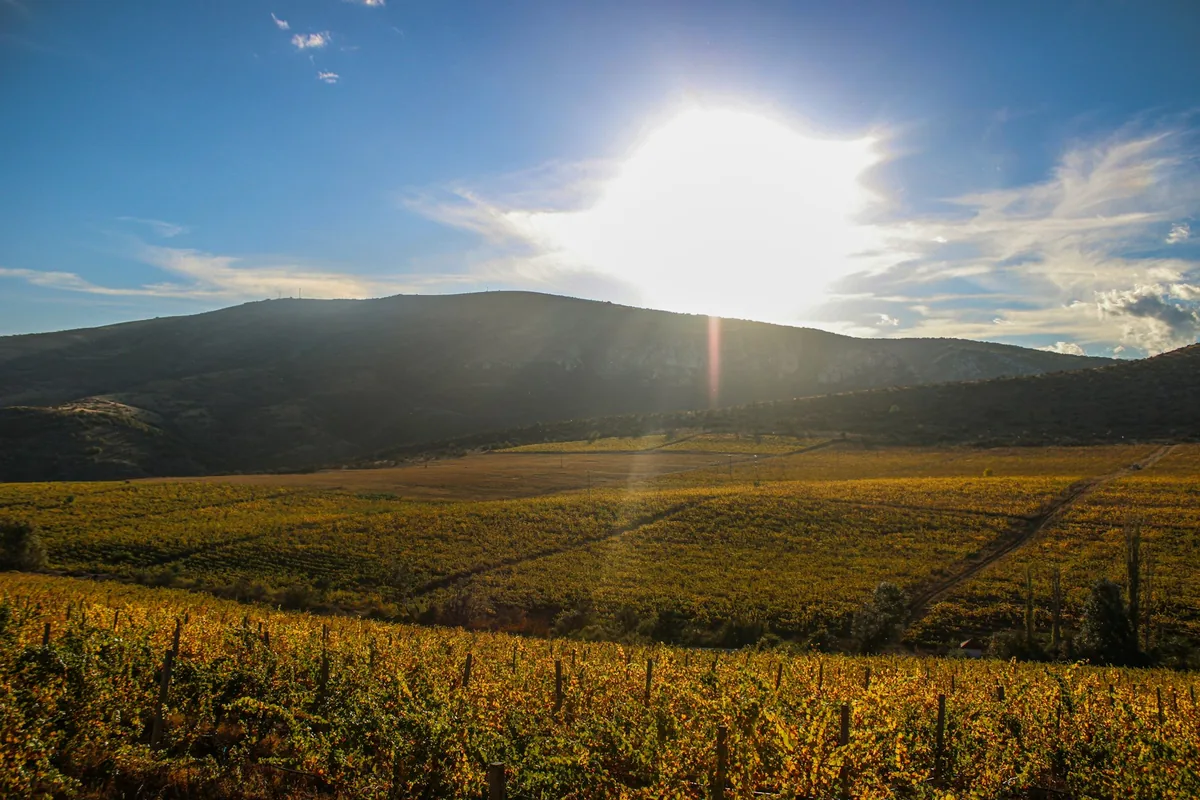
A third group of appellations sits high enough that the question of gaps barely applies. Rockpile, Pine Mountain-Cloverdale Peak and Moon Mountain District all place vineyards on ridges above the fog line, where sun is intense and cold air drains away downhill overnight. Fort Ross-Seaview does the same on the ocean side, lifting vines clear of the coastal murk.
Ridge sites give small crops and dark, firm wines, and they resemble one another more than they resemble the valley floors below them. Elevation is a cooling mechanism in its own right, and it is the one Sonoma shares with the mountain appellations of Napa.
| Appellation | Air source | Growing season | Grapes it suits |
|---|---|---|---|
| Petaluma Gap | Direct wind through the gap | Long and cool | Pinot Noir, Chardonnay, Syrah |
| Russian River Valley | Overnight fog along the river | Long, cool mornings | Pinot Noir, Chardonnay |
| Los Carneros | Bay air from the south | Cool and breezy | Pinot Noir, Chardonnay, Merlot |
| Dry Creek Valley | Partial, blocked by ridges | Warm days, cool nights | Zinfandel, Sauvignon Blanc |
| Alexander Valley | Largely sheltered | Warm | Cabernet Sauvignon, Merlot |
| Sonoma Valley | Bay air at its southern end | Warms northward | Zinfandel, Cabernet Sauvignon |
Sonoma County wine grapes follow the air, not the county line
Los Carneros is the clearest case, because it ignores the boundary entirely and continues into Napa. The same bay air reaches both halves, and the wines behave like each other rather than like their respective counties. A club profile of a Carneros estate recorded a winemaker insisting his Pinot Noir should reflect Carneros conditions rather than imitate Burgundy or the Russian River — the February 2013 California winery of the month is that interview.
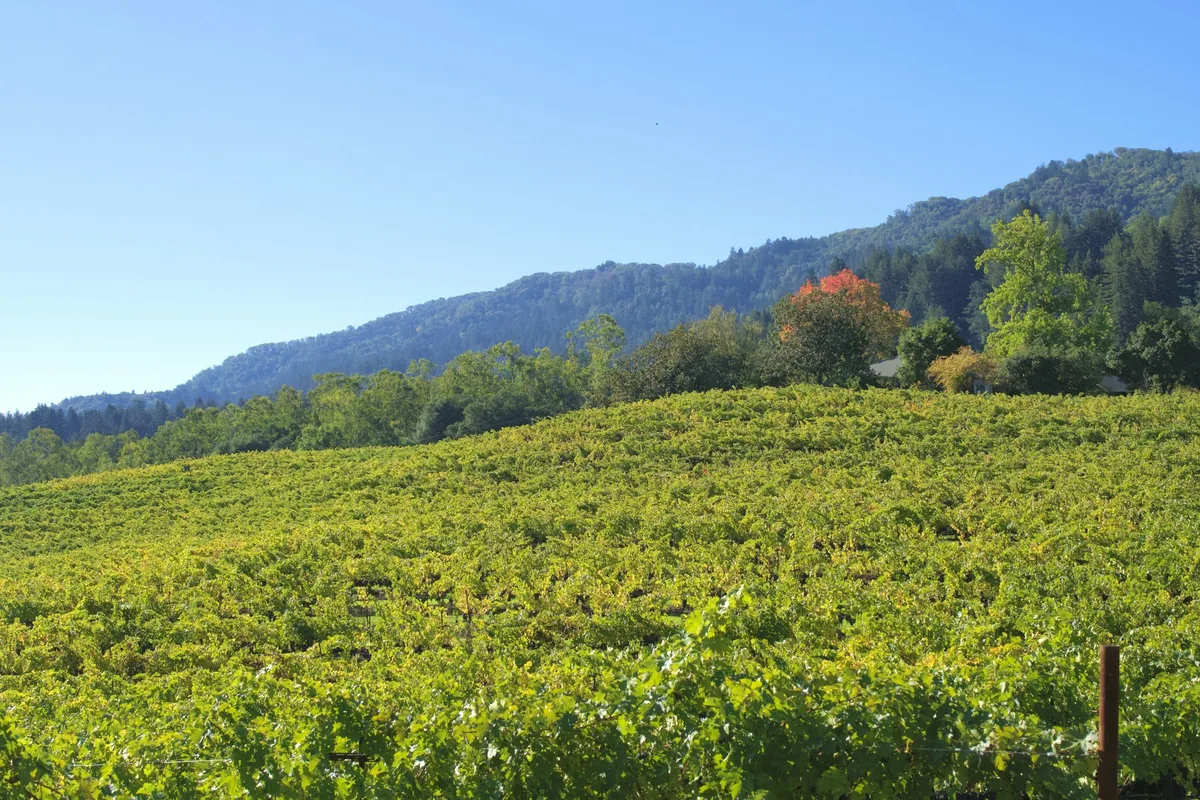
Zinfandel is the county’s other signature, concentrated in Dry Creek Valley and the warmer parts of Sonoma Valley. Sauvignon Blanc, Merlot, Syrah and Cabernet Franc are all grown at scale, and the mountain appellations along the Mayacamas ridge behave like Napa’s mountain sites for the same reason. A September 2015 newsletter listing the county’s appellations gives a sense of how quickly that map expanded.
Reading a label with this Sonoma County wine region guide in hand
Two labeling rules do most of the work. Federal regulation requires that a wine named for an appellation draws at least 85 percent of its grapes from inside that boundary, a threshold explained in the Wine Institute’s overview of American Viticultural Areas. California adds a second requirement specific to this county.
Under Sonoma County’s conjunctive labeling law, any wine labeled with an appellation lying wholly inside the county must also state Sonoma County on the label. That is why a bottle reads Russian River Valley and Sonoma County together rather than the sub-appellation alone. It was designed to build recognition for the county name alongside its parts.
At the table
Once the label is decoded, choosing becomes a matter of matching the air to the dish. Wines from the cold side carry acidity and want food with fat or salt to push against. Wines from the sheltered side carry fruit and tannin and want protein and char.
- Russian River or Petaluma Gap Pinot Noir — salmon, duck, mushroom, anything earthy rather than sweet.
- Russian River Chardonnay — crab, roast chicken, corn, cream sauces.
- Dry Creek Zinfandel — barbecue, sausage, tomato-based braises.
- Alexander Valley Cabernet — grilled red meat and aged cheese.

The rest of California solves the cooling problem differently. Napa Valley stacks its climates vertically, Monterey County opens a whole valley to the wind at its cold end, and Mendocino County splits between a coastal valley and warmer inland ground. All of them sit on the club’s California wine regions hub.
Sonoma FAQ
How many appellations does Sonoma County have?
Nineteen, the newest of them established in 2022. Several are nested inside larger ones, which is why the same vineyard can legitimately carry more than one name.
Why is Sonoma Coast fruit not always cold-climate fruit?
The Sonoma Coast appellation is unusually large and reaches well inland from the ocean, so it includes sites that never receive much marine air. The true coastal sites were separated into their own appellation in 2022 for exactly this reason.
What is the difference between Petaluma Gap and Russian River Valley?
Both are cool, but by different means. The gap delivers persistent afternoon wind, while the river corridor delivers overnight fog that burns off later in the morning.
Does Sonoma grow more than Pinot Noir and Zinfandel?
Considerably more. Chardonnay is the most planted white, Cabernet Sauvignon dominates the warm northern valleys, and Sauvignon Blanc, Merlot and Syrah are all farmed at commercial scale.
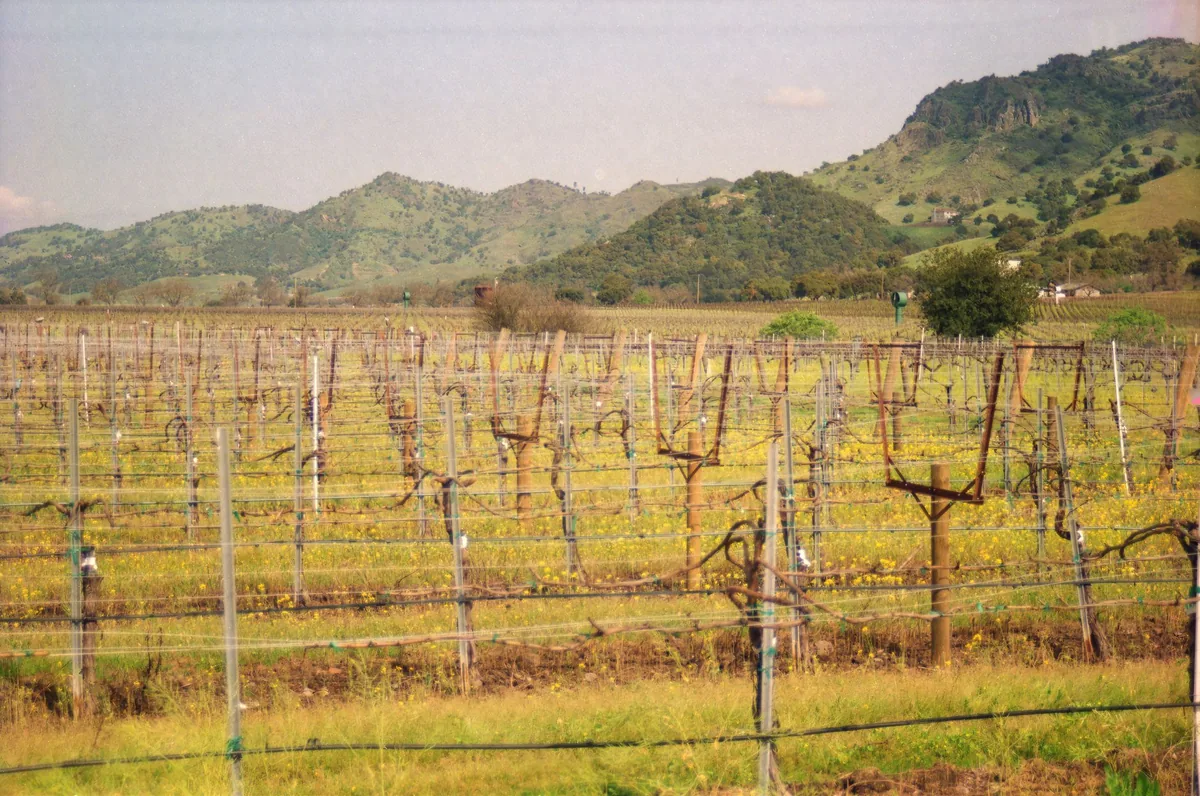
Learn the two openings and the rest of Sonoma arranges itself. Every appellation in the county is either in the path of that air, partly shielded from it, or shut off behind a ridge, and the wine in the bottle tells you which one before the label does.