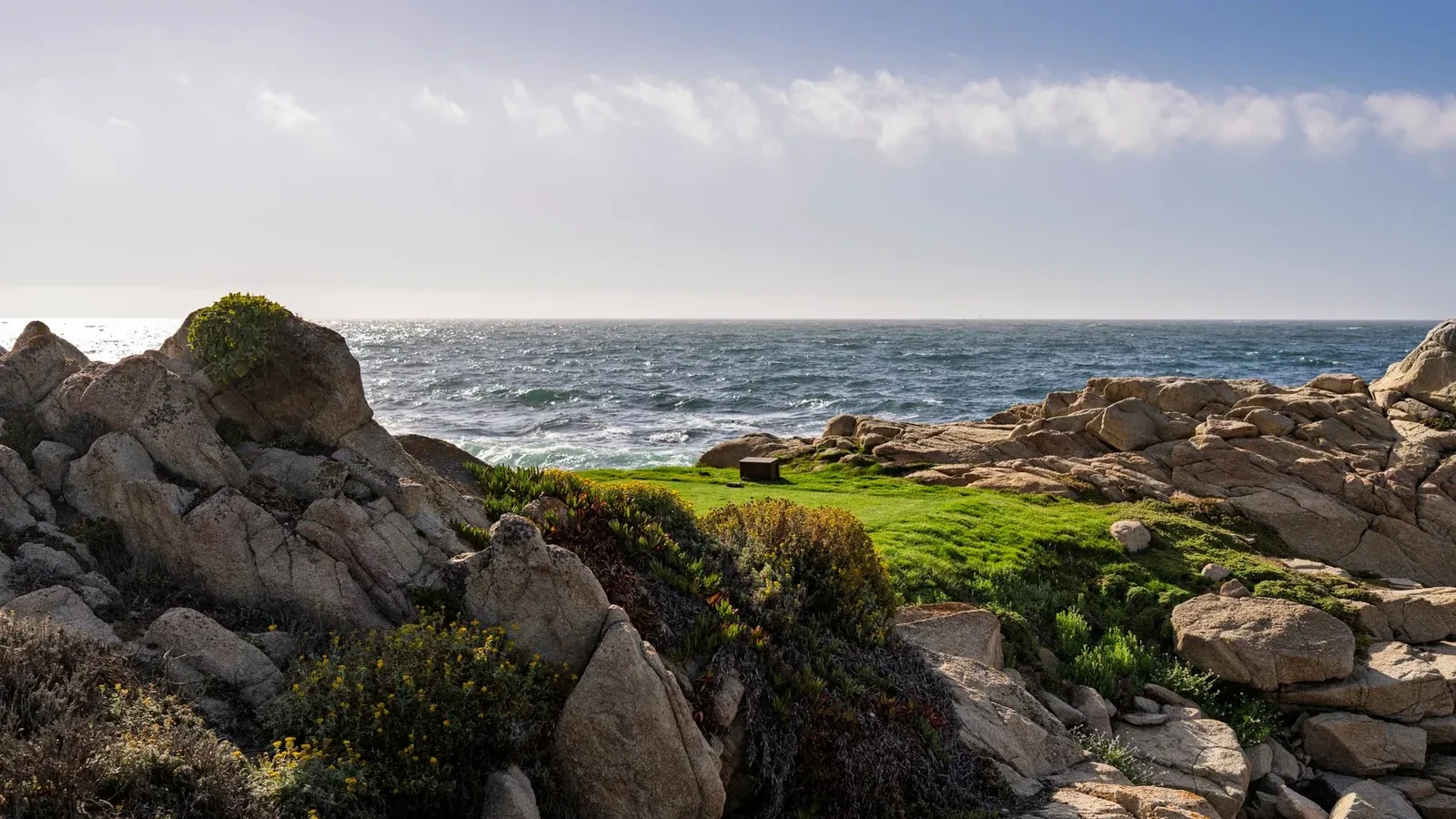
Most California valleys are cool at the coast and warm as you move inland. The Salinas Valley does something stranger, and any honest Monterey County wine region guide has to lead with it. The valley opens at its northern end directly onto Monterey Bay, some of the coldest inshore water on the West Coast, and it runs eighty miles inland from there.
The mouth of the valley is therefore its cold end, not its warm one. Air heated over the inland reaches rises each afternoon and marine air pours in behind it, travelling up the valley rather than down it. Everything about Monterey wine follows from that single arrangement.
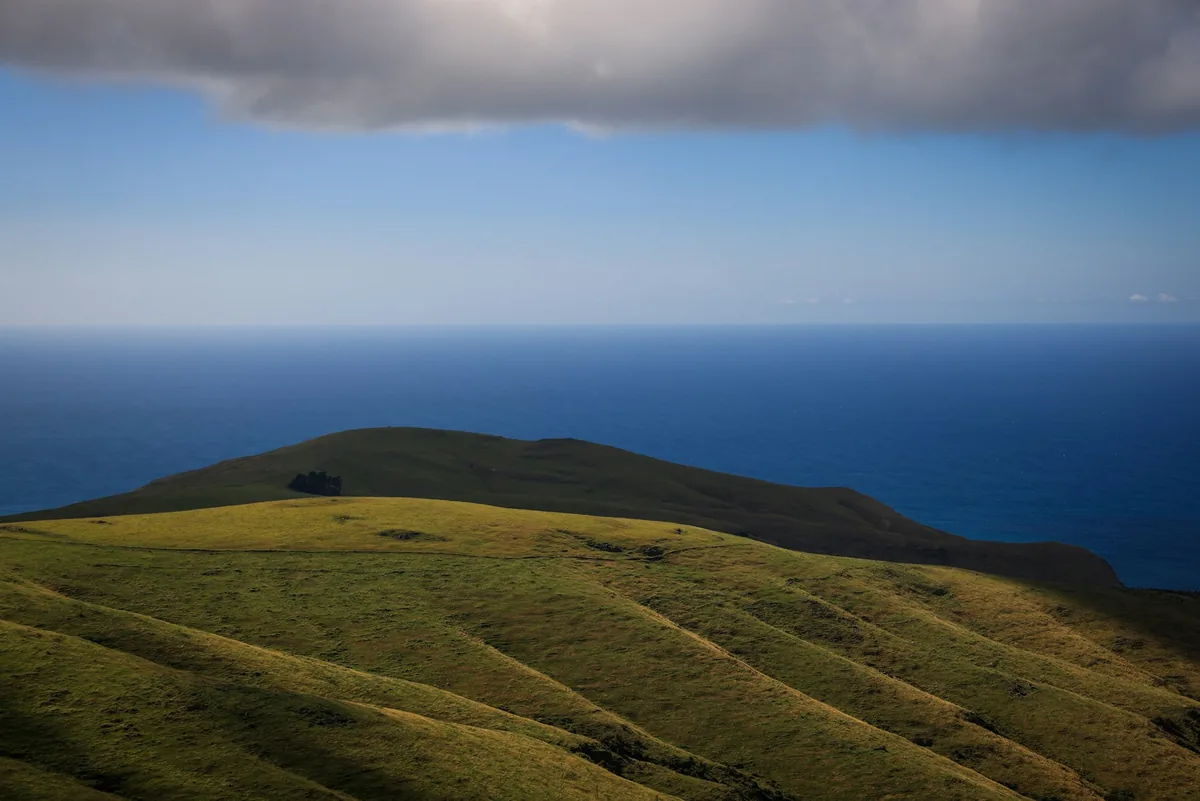
A wind tunnel with a vineyard in it
The wind is not a breeze. In the growing season it typically sets in by mid-afternoon and builds to something around twenty-five miles an hour, holding past dusk. Vines respond by closing their stomata and shutting down photosynthesis, which means ripening simply stops for part of every day.
That is why Monterey’s growing season is among the longest anywhere. Fruit hangs for months rather than weeks, developing flavor and color while sugar accumulates slowly. It also means the northern valley can be too cold and too windy to ripen a late red at all.
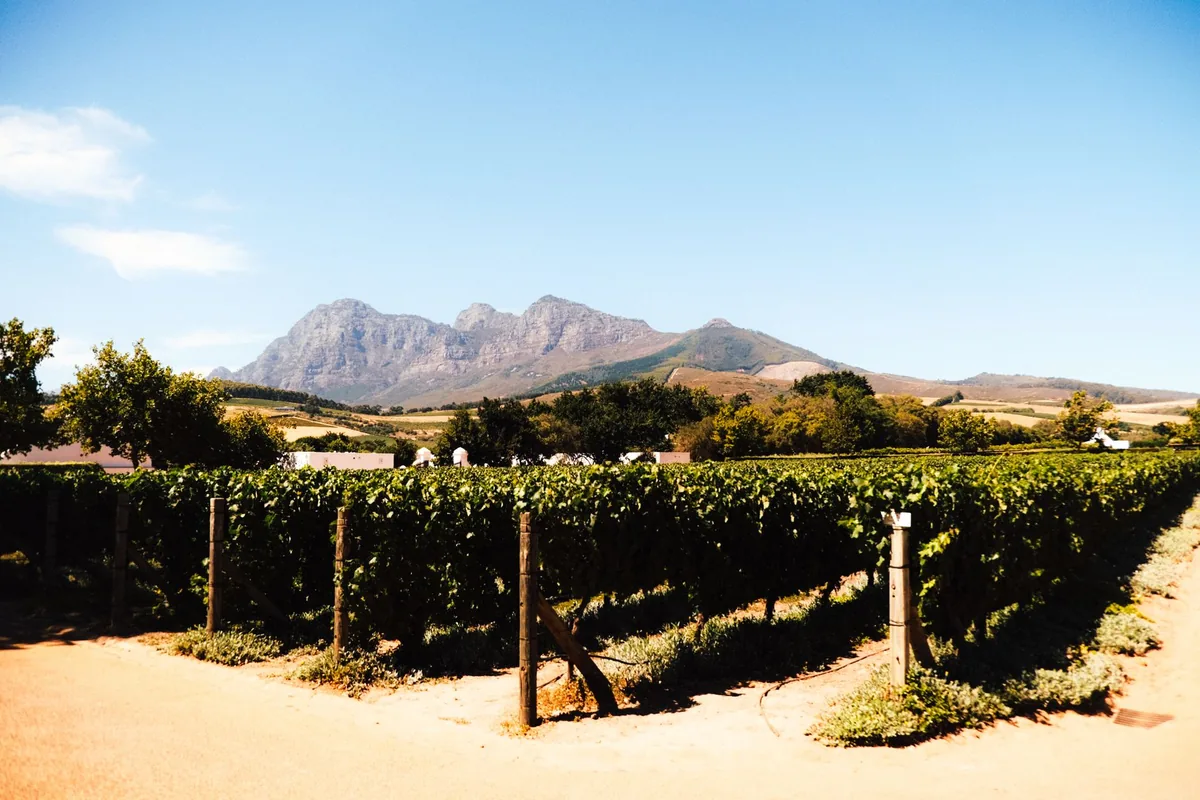
The valley itself is a deep sediment basin. The United States Geological Survey describes flat-lying valley lowlands ringed by rugged mountainous uplands, and calls the basin one of the most productive agricultural areas in the world on the strength of its soil, climate and irrigation water. Grapes are a minority crop on ground better known for lettuce.
Rainfall in the valley floor averages about ten inches a year, so vineyards are irrigated as a matter of course. Soils range from light loam and loamy sand on the floor to limestone-influenced ground in the surrounding highlands.
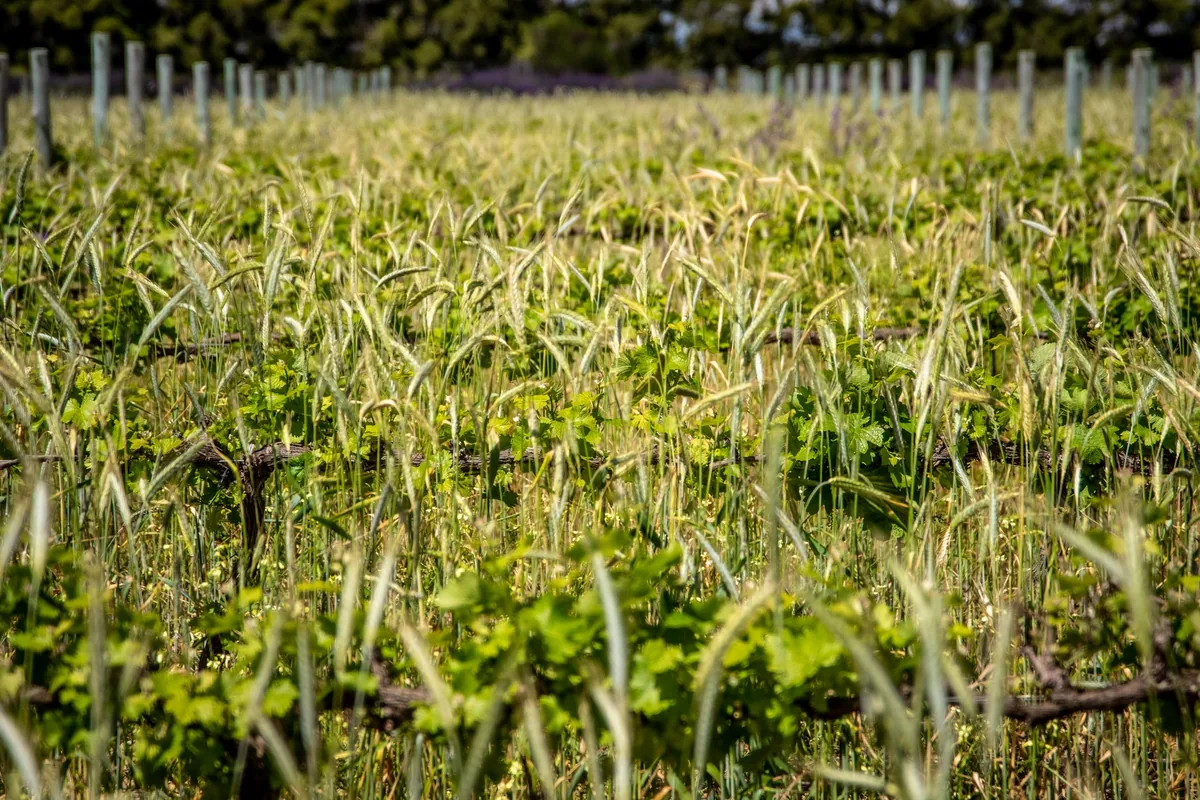
Commercial planting on any scale arrived only in the 1960s, when university research pointed growers toward the valley and water for irrigation became reliable. That makes Monterey a young region by California standards despite the mission-era vines in the hills. Much of the early acreage went in on the valley floor, where the wind is fiercest, and the county spent decades learning which grapes could take it.
The thermal rainbow, the spine of any Monterey County wine region guide
Growers call the north-to-south temperature gradient the thermal rainbow. The name makes it sound decorative when it is really a planting instruction. Sixty miles of valley separate sites that rarely pass seventy-five degrees in the afternoon from sites that reach a hundred.
The club’s October 2015 newsletter put the county’s structure in one sentence: Riesling and Pinot Noir are popular in the north, Bordeaux varieties are grown most often in the south, and the county divides into the Salinas Valley, the Gabilan Mountains to the east and the Santa Lucia range along the coast. That is the whole map in three parts.
| Trait | Northern valley and Santa Lucia Highlands | Mid-valley, Arroyo Seco and San Bernabe | Southern valley, Hames and San Antonio |
|---|---|---|---|
| Distance from the bay | Nearest, most exposed | Roughly forty miles inland | Sixty miles and beyond |
| Afternoon wind | Strongest, daily | Moderate | Weak by the time it arrives |
| Leading grapes | Pinot Noir, Chardonnay, Riesling, Syrah | Chardonnay, Riesling, Cabernet Franc | Cabernet Sauvignon, Merlot, Rhone reds |
| Typical style | Lean, high acid, taut | Mid-weight and aromatic | Ripe, dark, fuller bodied |
| Main risk | Fruit that never fully ripens | Vintage variation | Heat and water supply |
Santa Lucia Highlands
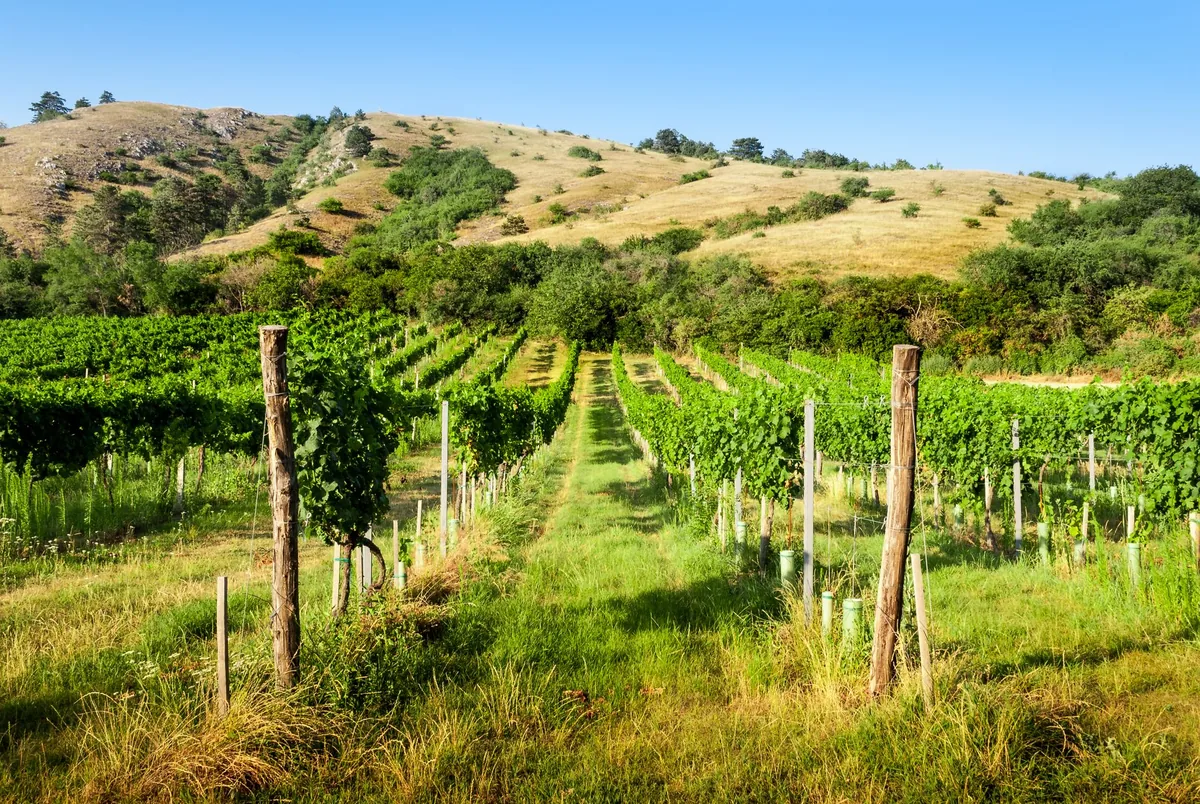
The Highlands are a bench on the eastern face of the Santa Lucia range, sitting above the valley floor rather than on it. Elevation lifts the vines out of the coldest air pooling below while leaving them fully exposed to the wind. Southeast-facing slopes catch morning sun and lose the worst of the afternoon heat.
The club’s March 2018 newsletter notes that these hillside sites are all at elevation overlooking the Salinas Valley, on massive alluvial fans of decomposed granite, and that Spanish missionaries planted vines in the Highlands as early as the 1790s. Pinot Noir and Chardonnay dominate here now.
Even within the appellation the gradient holds. The same newsletter series records a sixty-five-acre vineyard at the cool northern end of the Highlands, close to Monterey Bay, planted mostly to Pinot Noir and Chardonnay with an acre each of Syrah and Riesling.
A Sonoma winemaker profiled by the club in February 2011 drew the contrast from the outside, describing wines from cooler sites as more restrained than the ripe Pinot Noir and Chardonnay of the warmer Santa Lucia Highlands. Reasonable people place the line in different spots. The gradient is real enough that they can all be right about their own block.
Chalone and the Gabilan Mountains
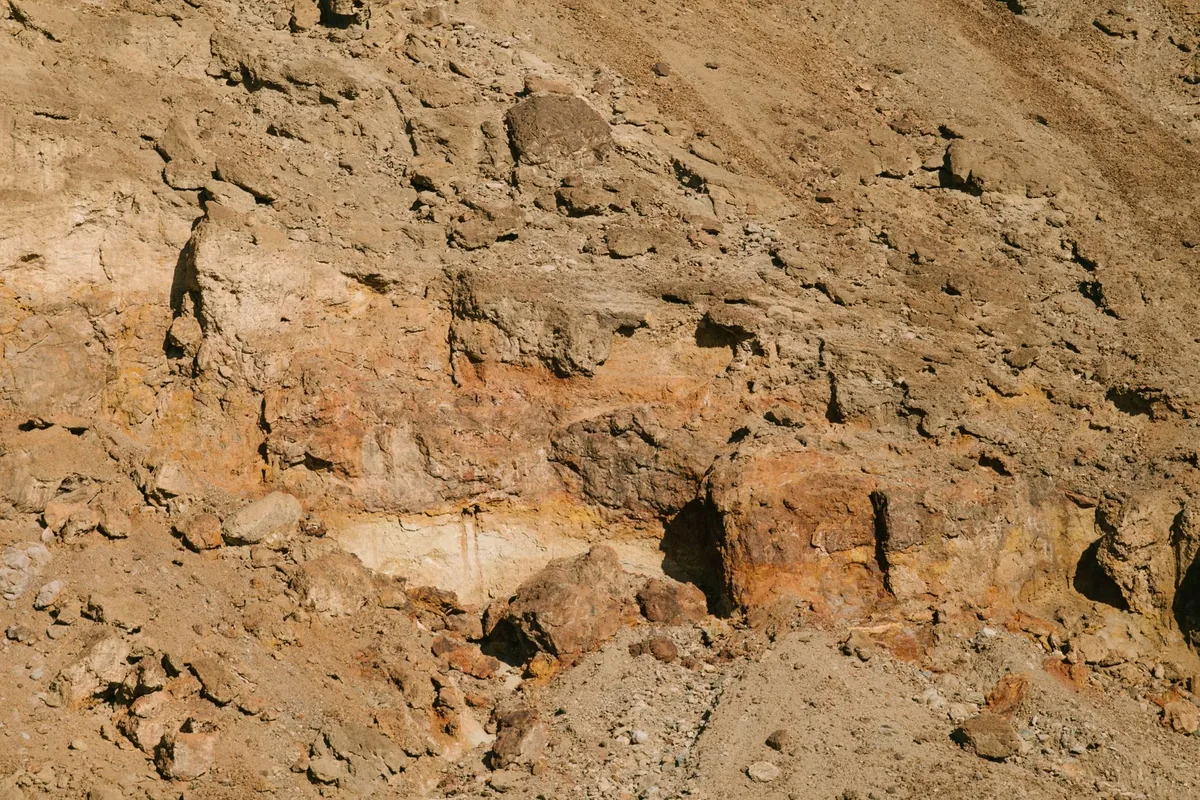
Across the valley on the eastern side, the Gabilan range holds Chalone, planted at around 1,800 feet on limestone-influenced ground. Height rather than sea air does the cooling, and the soil is unlike anything on the valley floor. Chalone’s 1974 Chardonnay placed third at the 1976 Paris tasting, which is why the site is discussed far out of proportion to its size.
Sitting high on the eastern wall also puts these vineyards above the worst of the daily wind and clear of the fog that fills the valley below. What they get instead is a wide swing between afternoon warmth and cold mountain nights. Growers on the Gabilan side are working an elevation problem, while growers opposite them are working a wind problem, and the two rarely produce similar wine.
Grapes, styles and choosing a bottle
Chardonnay is the county’s dominant planting at roughly forty percent of acreage, with Pinot Noir behind it and Cabernet Sauvignon leading the south. Ten appellations sit across about 69,000 planted acres. Riesling and Pinot Blanc survive here in commercial quantity, which is rare in California and a direct consequence of the cold.
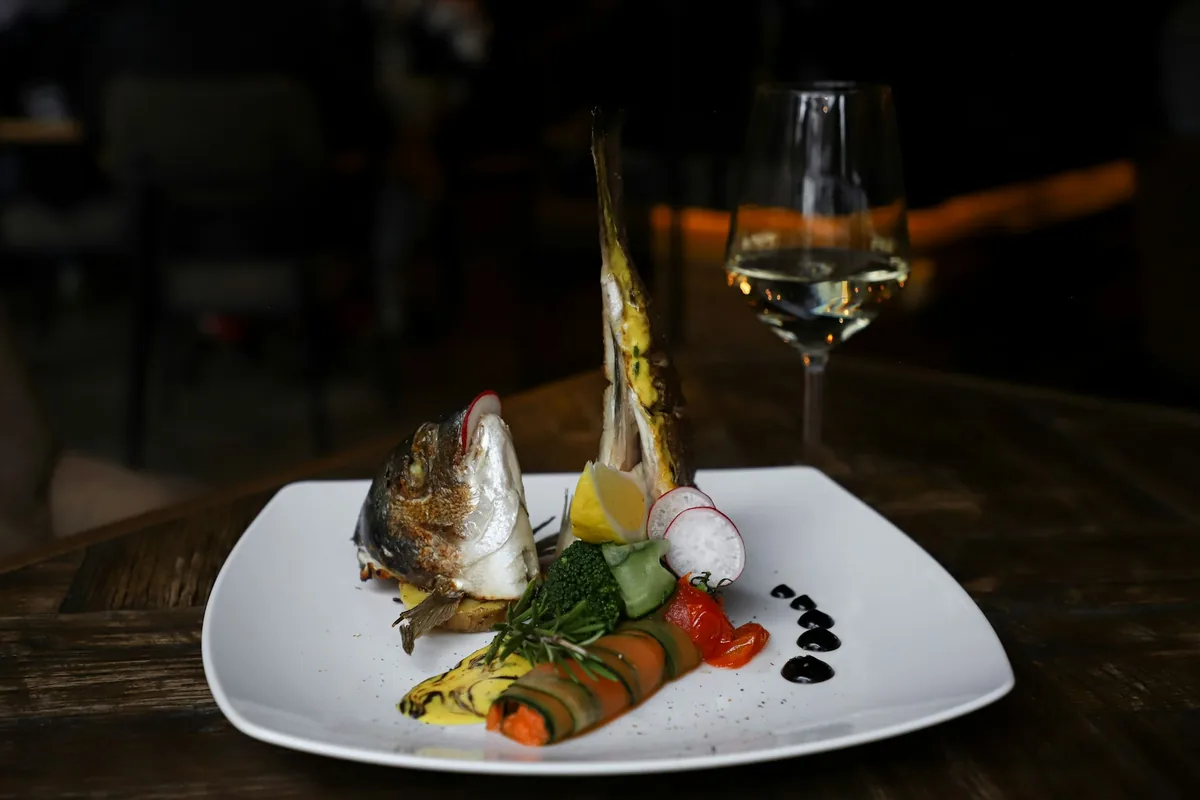
Reading a label starts with the appellation, not the county. A Santa Lucia Highlands or Arroyo Seco designation signals cold-grown fruit with cutting acidity, and belongs with grilled salmon, crab, roast poultry or a mushroom risotto. A Hames Valley or San Antonio Valley red is a different animal entirely and wants short ribs, lamb or hard cheese.
Vineyard sourcing across the county is common, and the club’s April 2010 profile of De Tierra Vineyards shows why, describing partners farming one vineyard in the Santa Lucia Highlands and an organic estate block in Corral de Tierra. Further south, the Paso Robles wine region guide picks up the Salinas River near its source, and the Santa Barbara County wine region guide covers the other California valleys that face their ocean air head-on.
Monterey County wine FAQ
Why is Monterey so windy compared with other wine regions?
The Salinas Valley opens directly onto Monterey Bay with no ridge in the way, and the water there is unusually cold. Afternoon heating inland pulls that marine air up the valley every day of the growing season.
Is Monterey a cool climate or a warm one?
Both, in the same valley. The northern end near the bay is genuinely cool and the southern end past King City is warm enough for Cabernet Sauvignon, which is what growers mean by the thermal rainbow.
What is Monterey best known for?
Chardonnay by volume and Pinot Noir by reputation, most of it from the Santa Lucia Highlands. Riesling and Pinot Blanc also hold on here in quantities you rarely see elsewhere in the state.
Can wines still be shipped from the club?
No. Celebrations Wine Club stopped shipping in December 2019 and the site now works as an archive. The California winery profiles from 2010 to 2019, the California wine regions hub and the Lodi wine region guide remain available to read.
Monterey is one long valley that happens to face the wrong way, and that accident produced ten appellations with almost nothing in common. Once you know which end of the wind a bottle came from, the county stops looking contradictory and starts looking legible.