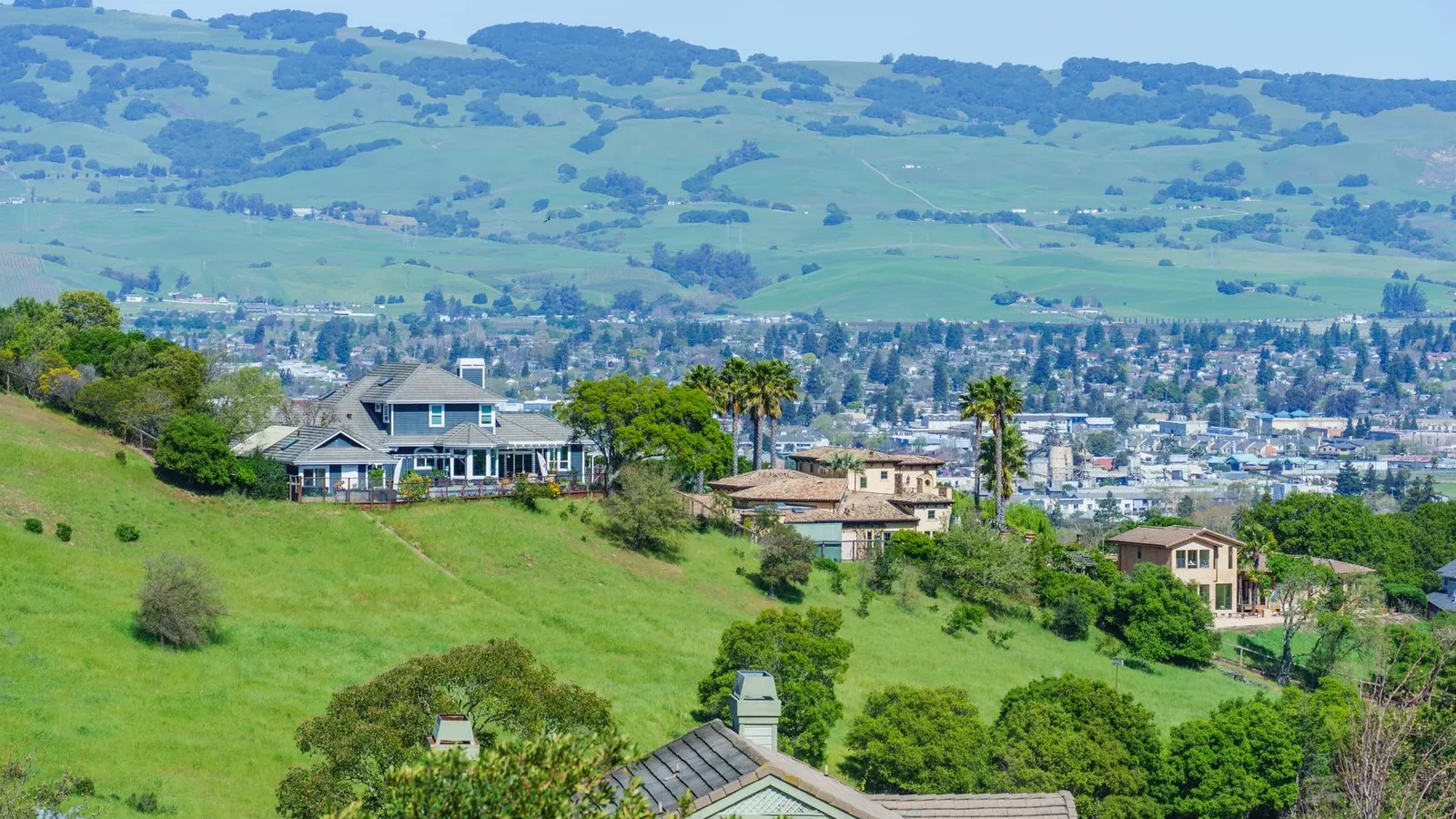
Most of California’s wine regions are divided by how far the ocean reaches into them. Paso Robles is divided by a river that runs through the middle of it, and any useful Paso Robles wine region guide has to start there. The Salinas River flows north through the town, and the ground on either side of it is not merely warmer or cooler but geologically different.
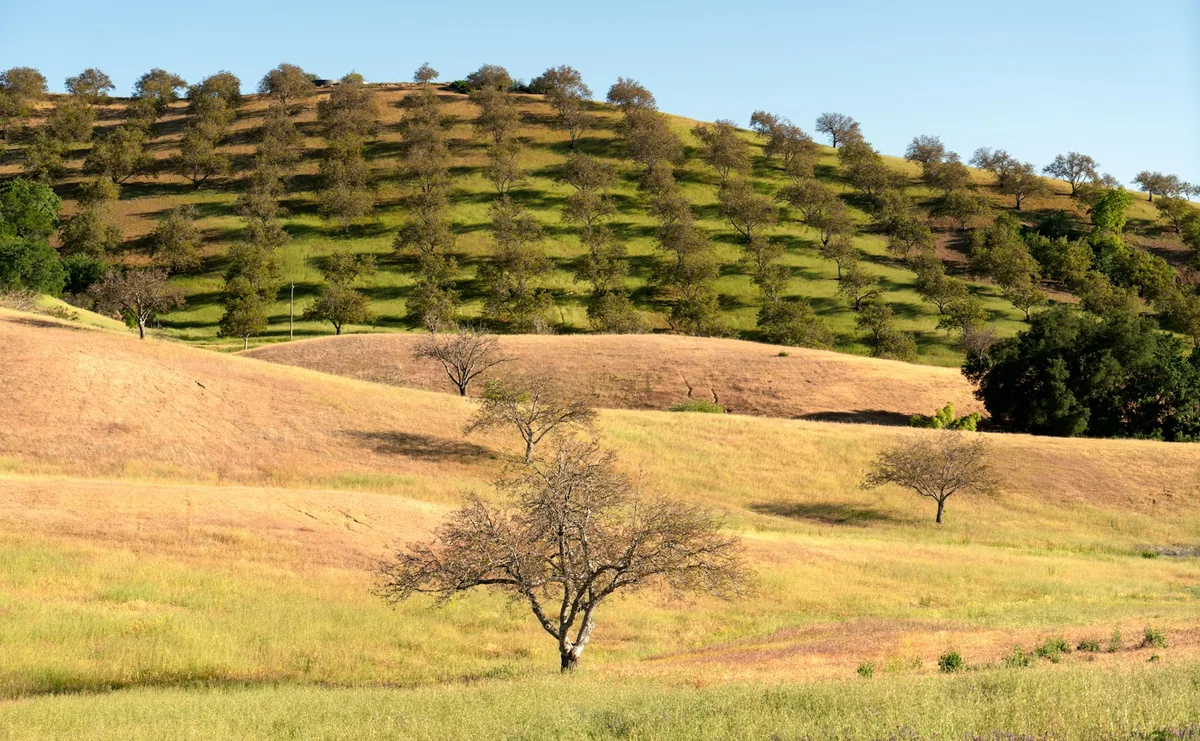
Cross the river heading west and you climb into hills of calcareous soil that catch two or three times the rainfall of the flats behind you. Cross it heading east and the land opens out, dries, and heats up. The same appellation covers both.
One river, two regions
Paso Robles became an appellation in 1983 and covers roughly 614,000 acres, which makes it one of the largest in California and far too big to describe as a single place. In 2014 it was formally divided into eleven nested districts, an admission that the old shorthand of west side and east side had always been doing real work. Annual rainfall across the whole appellation ranges from about ten inches to about twenty-five.
That rainfall gradient is the clearest single number in the region. It falls almost entirely along the west-to-east axis, because the Santa Lucia Range wrings moisture out of Pacific storms before they reach the interior. Soil, farming practice and grape choice all follow from it.
West of the river
The western districts — Adelaida, Willow Creek, Templeton Gap and Santa Margarita Ranch among them — sit in hills that rise steeply toward the coast range. Their soils are calcareous, formed from ancient marine sediment, and limestone at this concentration is rare in California. Calcareous ground holds water well and releases it slowly, which matters enormously in a place that receives no summer rain.
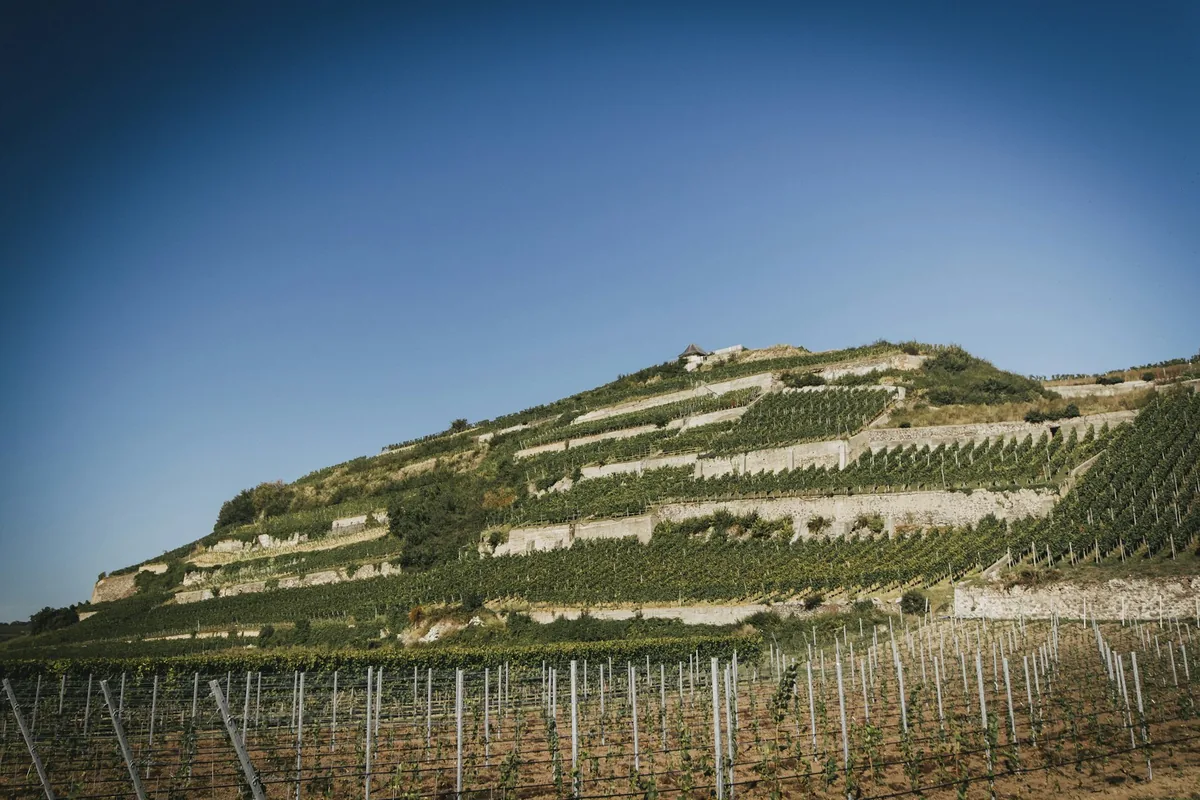
The Templeton Gap is the other western feature that matters, a break in the coast range that admits marine air in the late afternoon and evening. Sites near it cool sharply after sunset. The club’s archive recorded a Willow Creek District estate described as having strong marine influence, in a June 2019 newsletter profiling a Paso Robles winery.
Slope changes the arithmetic as well. Hillside rows shed cold air downhill overnight and take sun more directly on their faces, while shallow soil limits vine vigor without any intervention from the grower. The result is small crops of concentrated fruit on sites that can sometimes be farmed without irrigation.
East of the river
East of the Salinas the land flattens into broad terraces and low rises, with sandy and alluvial soils over a deeper water table. Rainfall drops, daytime heat climbs, and the growing area is measured in large blocks rather than steep parcels. This is where much of the region’s volume is farmed.
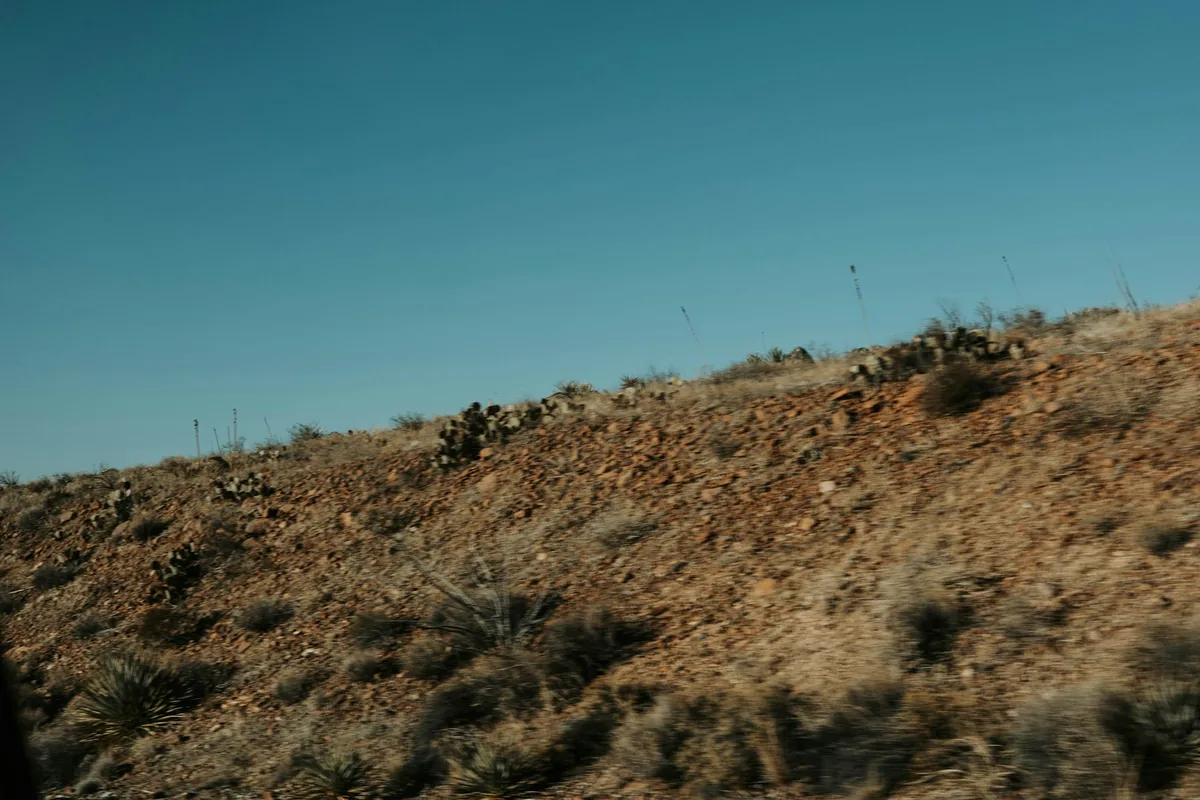
Cooling still arrives, but later and weaker. A club newsletter described an estate in the oak-studded hills between Paso Robles and Creston as sited due east of the Templeton Gap, receiving the evening breezes while sitting far enough inland to generate the heat needed to ripen Rhône varieties fully — that account is in the January and February 2017 newsletter.
| Trait | West of the river | East of the river |
|---|---|---|
| Rainfall | Higher, up to about 25 inches | Lower, nearer 10 inches |
| Soil | Calcareous, shallow, hillside | Sandy and alluvial, deeper |
| Terrain | Steep, broken, oak-covered | Terraces and gentle rises |
| Evening cooling | Early and strong | Later and milder |
| Typical planting | Rhône varieties, Zinfandel | Cabernet Sauvignon, Petite Sirah |
| Vineyard scale | Small parcels | Larger blocks |
Why the swing matters more than the average
Paso Robles has among the widest daily temperature ranges of any California wine region, frequently forty to fifty degrees between afternoon and dawn. Summer afternoons above one hundred degrees are ordinary, and so are nights that fall into the fifties. The average of those two numbers describes nothing that actually happens to a grape.
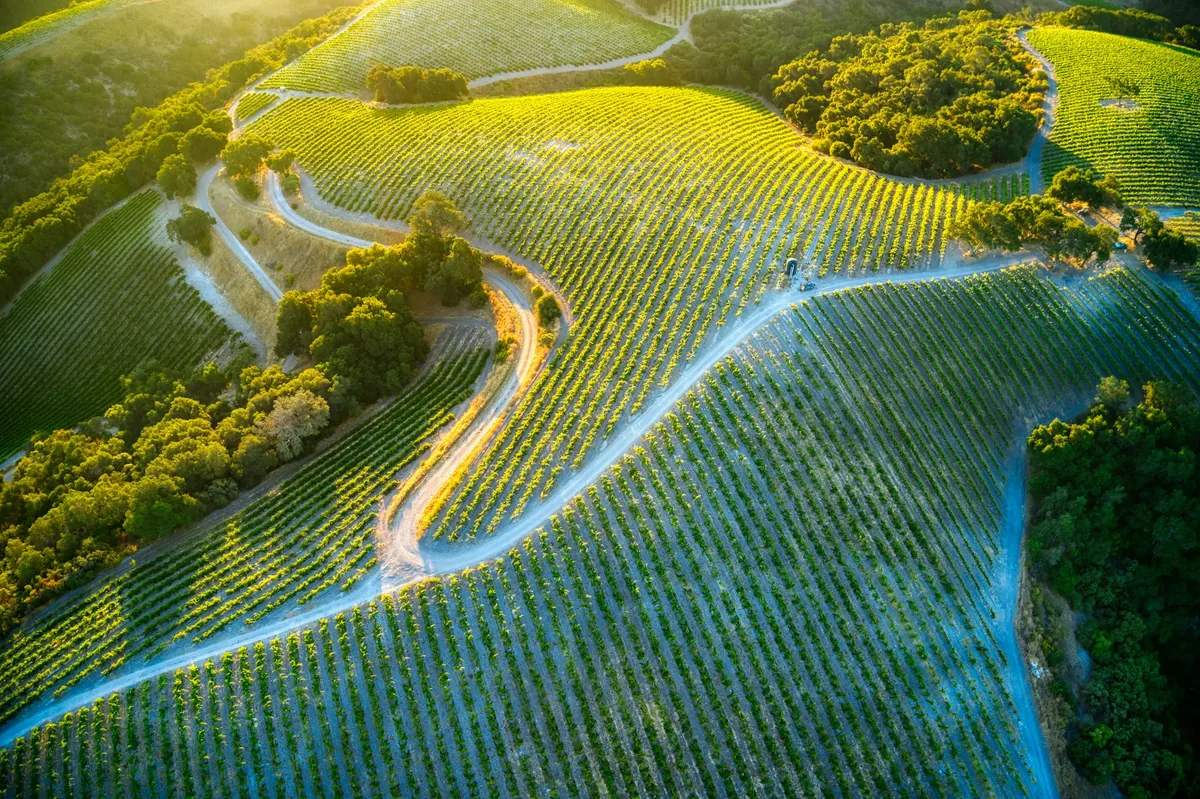
Heat builds sugar, color and ripe tannin during the day. Cold arrests that work overnight and preserves the acidity and aromatic compounds heat would otherwise burn off. A region with a hot average and a narrow swing produces flat, soft wine; one with the same average and a wide swing does not.
Why Rhône varieties took hold
Grape choice is a site-suitability question before it is a stylistic one, weighing climate, water and soil together. The federal boundary description in the Paso Robles viticultural area regulation at 27 CFR 9.84 is drawn around exactly those features — the Salinas River, the surrounding ridgelines and the elevation contours that separate the appellation from the coast. Applied here, the answer points away from Bordeaux.
Grenache, Syrah, Mourvèdre, Roussanne and Viognier evolved in places with hot dry summers, poor stony ground and little summer rain. Grenache in particular tolerates drought and wind and ripens late enough to use a long autumn. Cabernet Sauvignon grows well here too, especially east of the river, but it did not give the region a distinct identity in the way Rhône blends did. Mourvèdre in particular needs a long warm season to shed its rustic edge, which the eastern districts supply readily.
Using this Paso Robles wine region guide on the appellation map
Eleven district names appear on labels, and they are easier to hold if you sort them by side rather than alphabetically. West of the river: Adelaida District, Willow Creek District, Templeton Gap District and Santa Margarita Ranch. East and north: Estrella District, Geneseo District, El Pomar District, Creston District, San Juan Creek, San Miguel District and Paso Robles Highlands District.
A label naming only Paso Robles may draw fruit from anywhere in that span. A label naming a district is a narrower claim, and on the west side it is usually also a claim about calcareous soil and a steeper hillside.
What the club’s archive covers
One caution about searching the archive for this region. The most obvious result, a May 2013 profile of a Paso Robles winery working with Spanish grape varieties, is a single producer profile rather than a regional overview, and it should be read that way. It is a useful record of one house’s approach, not a map of the appellation.
The same applies to an October 2013 profile of another Paso Robles estate. Together with the rest of the club’s 166 California winery profiles from 2010 to 2019, these are first-hand snapshots of individual producers during the years the region was expanding fastest.
Paso Robles FAQ
Is west side Paso Robles better than east side?
No, but they are genuinely different. West side sites tend to give firmer, more mineral-inflected wines from smaller crops, while east side sites give riper, broader wines from larger, more consistent yields.
Is Paso Robles too hot for good wine?
Daytime peaks are high, but the nightly collapse in temperature is what shapes the finished wine. Acidity retained overnight is why the reds keep structure despite the daytime heat.
What does calcareous soil actually do?
It holds moisture and gives it back slowly through a rainless summer, and it tends to keep vine vigor moderate on its own. Growers value it because it buys time in a place that receives no rain at all between May and October.
How does Paso Robles compare with its neighbors?
Cooling here arrives through one gap in the coast range and departs quickly. In Monterey County the whole valley is open to the wind, and in Santa Barbara County the valleys themselves run east to west toward the ocean.
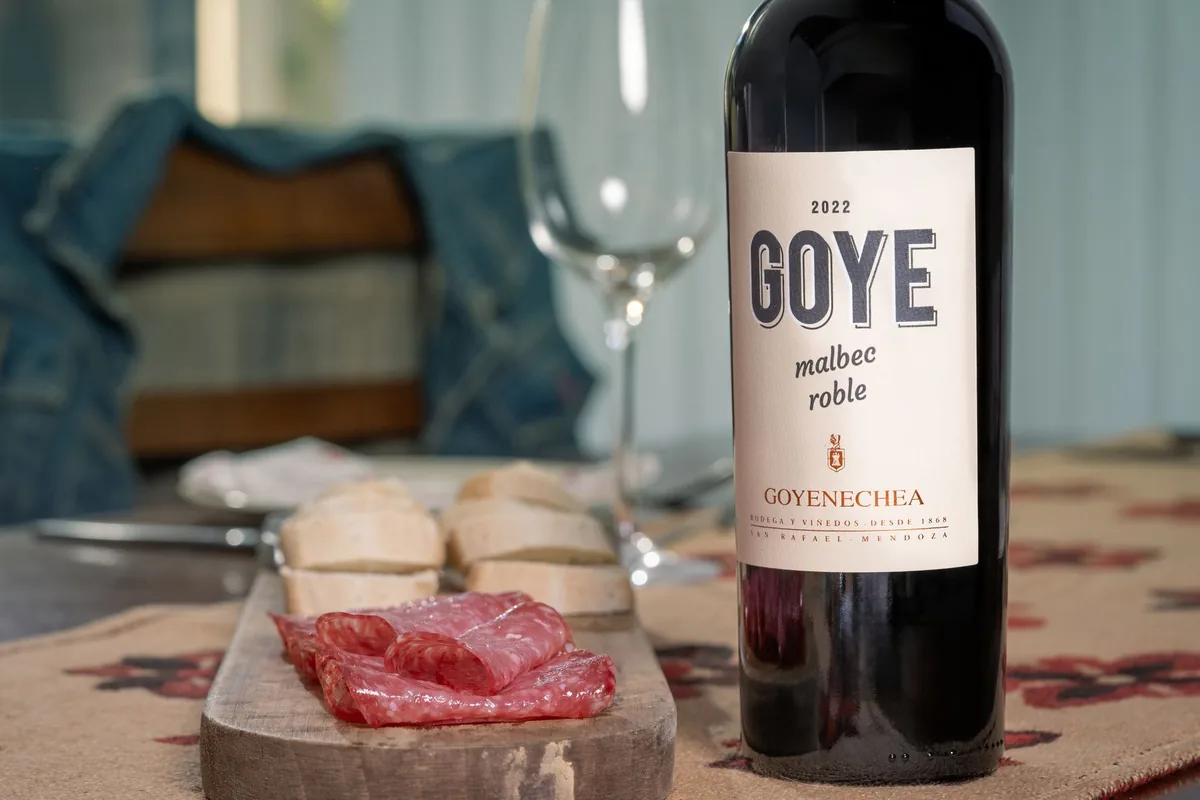
Rhône reds from here suit lamb, grilled sausage, smoked meat and anything cooked over fire, while the whites handle roast chicken and herb-heavy vegetable dishes. For the wider picture, the club’s California wine regions hub sets Paso Robles beside Napa Valley and the rest of the state.