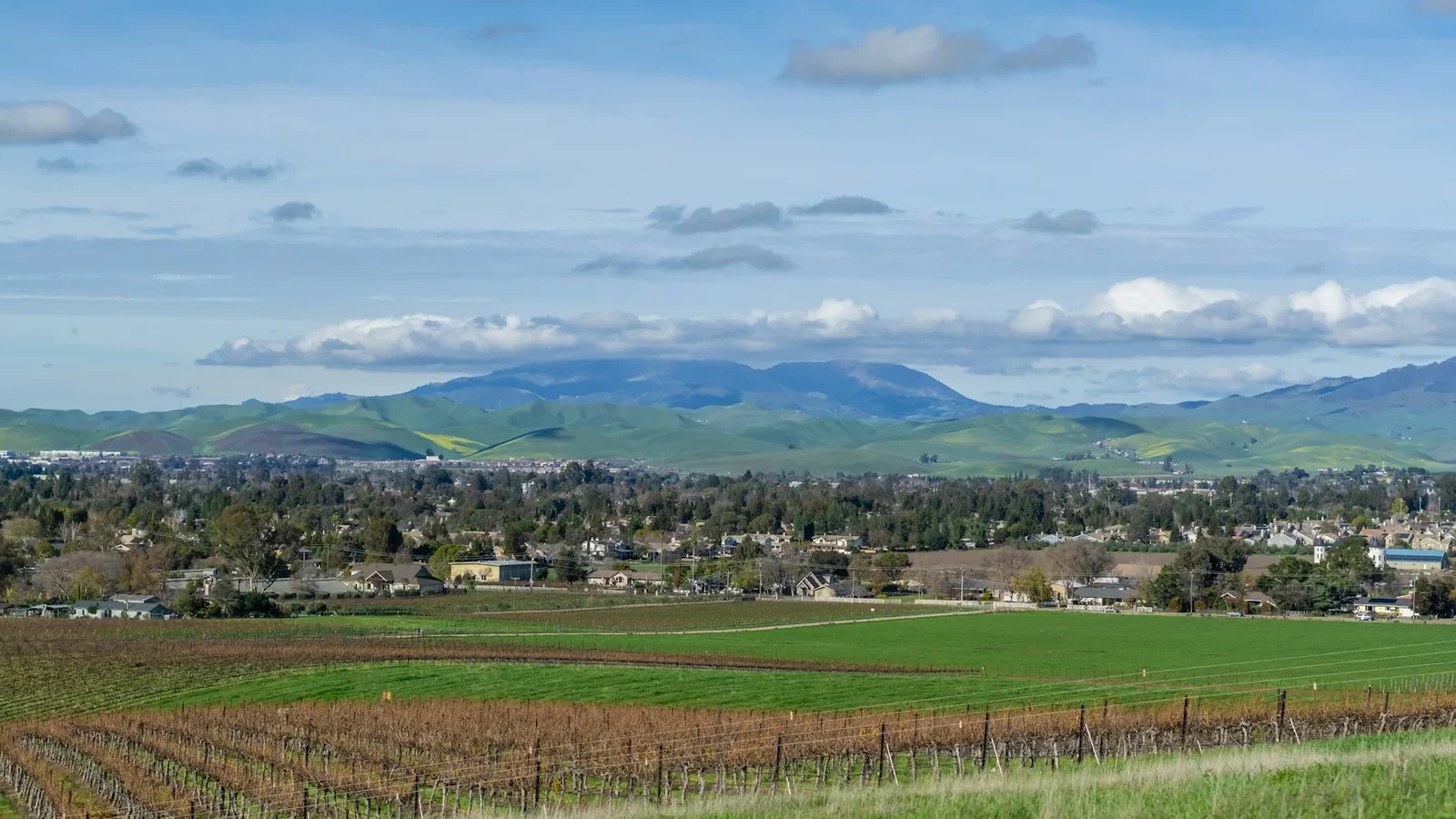
The Livermore Valley lies forty miles east of San Francisco, inside a metropolitan region of several million people, and it has grown wine grapes without a break since the 1840s. This Livermore Valley wine region guide begins with that contradiction, because almost everything characteristic about the place follows from it. The valley is old, small, built on gravel, and hemmed in on every side by a suburb.
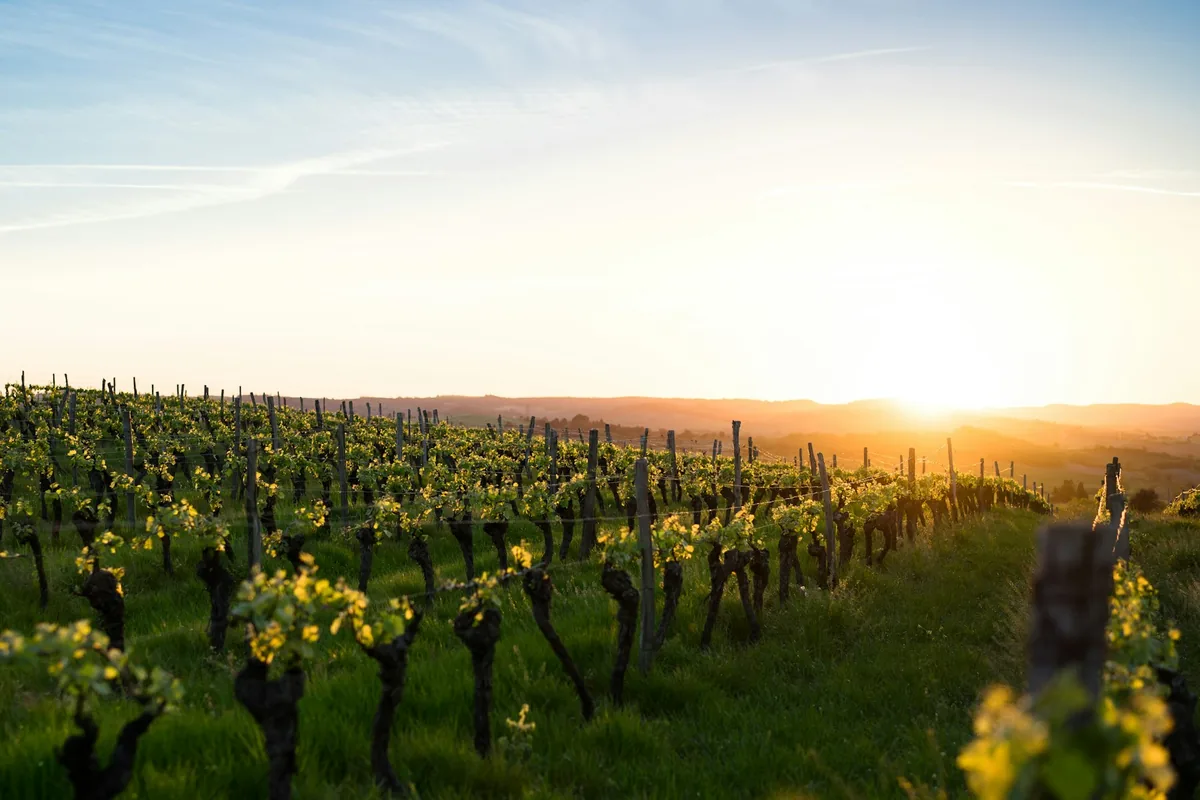
A valley turned the wrong way
Nearly every coastal valley in California runs north to south, parallel to the coast ranges. Livermore runs east to west, roughly fifteen miles long and ten miles across, and its western end opens straight onto San Francisco Bay. Cold air has a door, and it uses it every afternoon.
Marine air moves inland through that gap after midday and settles on the valley floor overnight, where the vineyards sit between about 450 and 800 feet. Daytime highs are genuinely hot. The overnight fall is steep enough that acidity survives the ripening.
Every California growing region has to solve the same problem, and the answer here is a gap in a hill rather than fog or altitude. The valleys of Santa Barbara County, which run east to west across the whole county, arrive at the same result on a much larger scale.
Gravel, and what gravel does
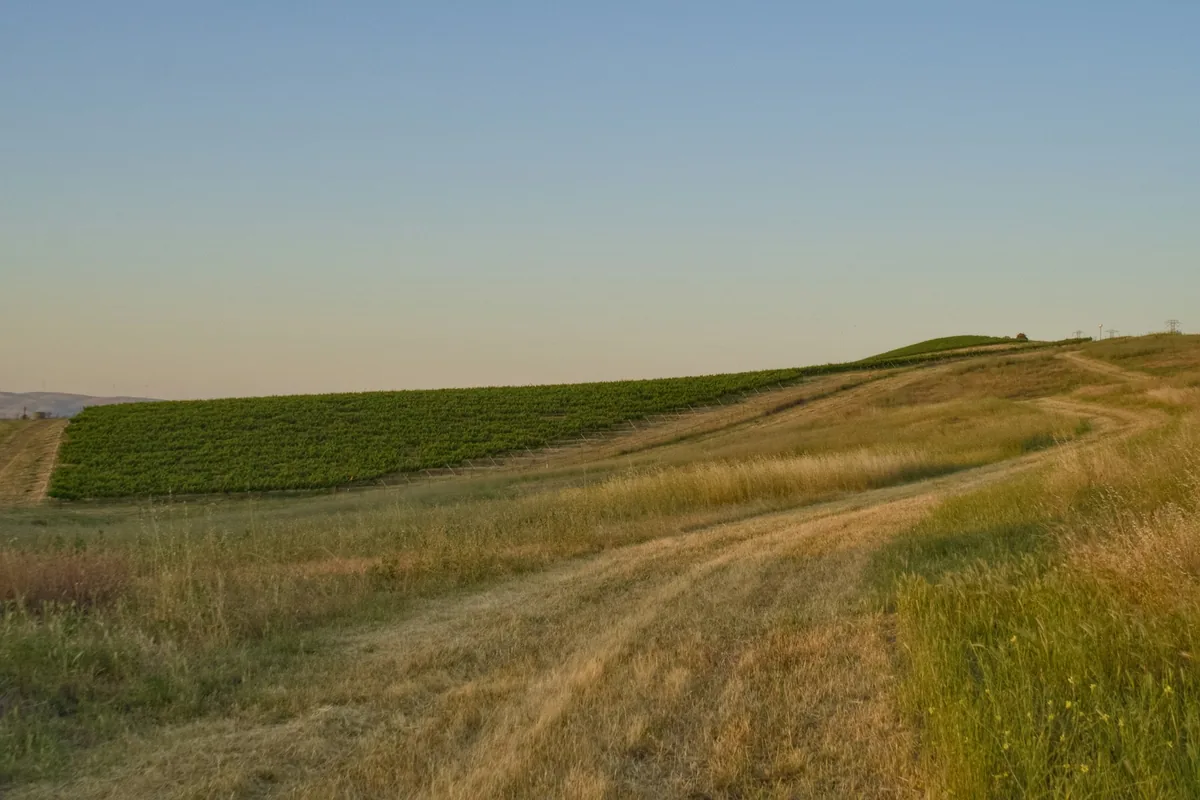
The valley floor is a deep alluvial fan of gravel washed down from the surrounding ranges. Soil surveys name a Livermore gravelly series among the dominant types, and in places the stones run down several feet. Water drains through it quickly, and roots follow the water down.
That combination holds vine vigor low without much intervention. Canopies stay open, berries stay small, and skins make up a larger share of each cluster. The wines tend toward firm structure rather than plushness.
One of California’s oldest working wine valleys
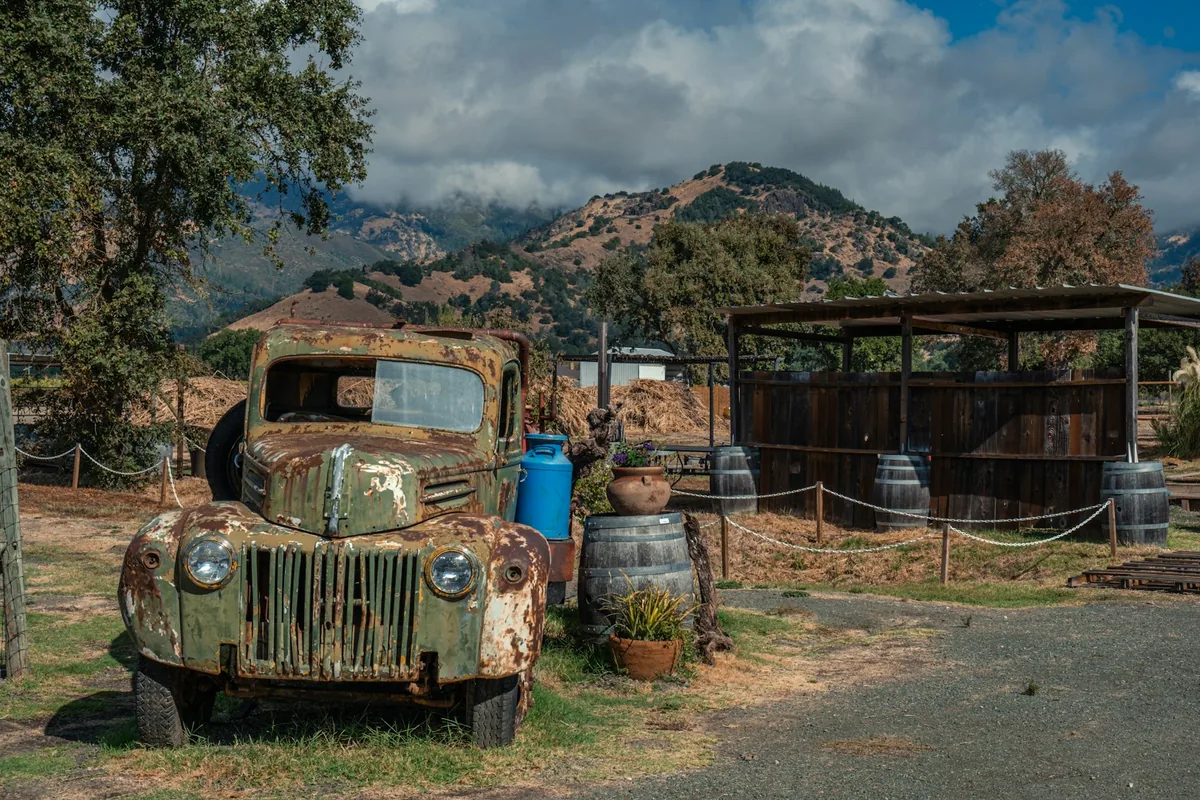
Robert Livermore planted the first commercial vineyard here in the 1840s. Charles Wetmore founded Cresta Blanca in 1882 with cuttings from Bordeaux, and both Concannon and Wente date their founding to 1883. Wetmore’s dry white took a Grand Prix at the 1889 Paris Exposition, reported since as the first top French award won by a California wine.
The physical record of that decade is thinner than the story suggests, but some of it survives. The California State Library holds a 1904 photograph of the Mont-Rouge winery west of Livermore, digitized and readable through Calisphere, the University of California libraries’ digital archive. It is a plain picture of a two-story brick and timber building, and that is its value: it dates the valley’s working architecture rather than its legend.
What the clone story actually says
Livermore’s largest claim is that plant material propagated here went on to be planted across California. The claim is real and the registry behind it is public. UC Davis Foundation Plant Services lists Cabernet Sauvignon selections 07, 08 and 11 as taken in 1965 from a single vine in a Concannon vineyard in Livermore, Alameda County.
The Chardonnay record is less tidy but points the same way. One registered Chardonnay selection is documented as having source vines planted with budwood brought from the Wente vineyard in Livermore during the 1960s.
What the registry does not contain is a percentage. Guides routinely state that a fixed share of California’s Cabernet or Chardonnay descends from these vines, and that number is an industry estimate rather than a recorded figure. The lineage is documented; the arithmetic is not.
Grapes, styles and how the valley compares
Cabernet Sauvignon and Chardonnay carry the largest plantings, with Petite Sirah, Merlot, Sauvignon Blanc and Sémillon behind them. More than thirty varieties are grown across the appellation, including Rhône, Italian and Spanish grapes that suit the heat.
Sauvignon Blanc with Sémillon is the valley’s oldest white tradition, descended from Wetmore’s Bordeaux cuttings. Modern bottlings are usually dry and textural rather than sweet.
| Trait | Livermore Valley | Monterey County | Sierra Foothills |
|---|---|---|---|
| What does the cooling | Marine air through an east-west gap onto the Bay | Steady afternoon wind up an open valley | Elevation, with no marine influence at all |
| Vineyard elevation | Roughly 450 to 800 feet | Mostly valley floor, low and flat | Roughly 1,200 to 3,000 feet |
| Characteristic soil | Deep river gravel | Alluvial sand and loam | Decomposed granite |
| Signature grapes | Cabernet Sauvignon, Petite Sirah, Sémillon | Chardonnay, Pinot Noir, Syrah | Zinfandel, Barbera, Syrah |
The middle column is drawn out in the Monterey County guide to the Salinas wind, and the right-hand one in the Sierra Foothills guide to altitude and old vines. Reading the three together is the quickest way to see that “cool climate” in California is a description of a mechanism, not a latitude.
The suburb problem, and the plan that answered it
Bay Area housing reached the valley in force during the 1980s, and vineyard land was worth far more as building lots than as vines. In 1993 Alameda County adopted the South Livermore Valley Area Plan, which drew an urban growth boundary and set roughly 14,000 acres aside for agriculture. About 2,100 of those acres were in vine at the time, against a target of at least 5,000 cultivated acres.
The mechanism is unusual and worth stating plainly. A landowner may build houses and visitor facilities on a parcel only if the great majority of it is planted to vines or orchard and placed under a permanent conservation easement held by an independent agricultural land trust. Development pays for planting instead of replacing it.
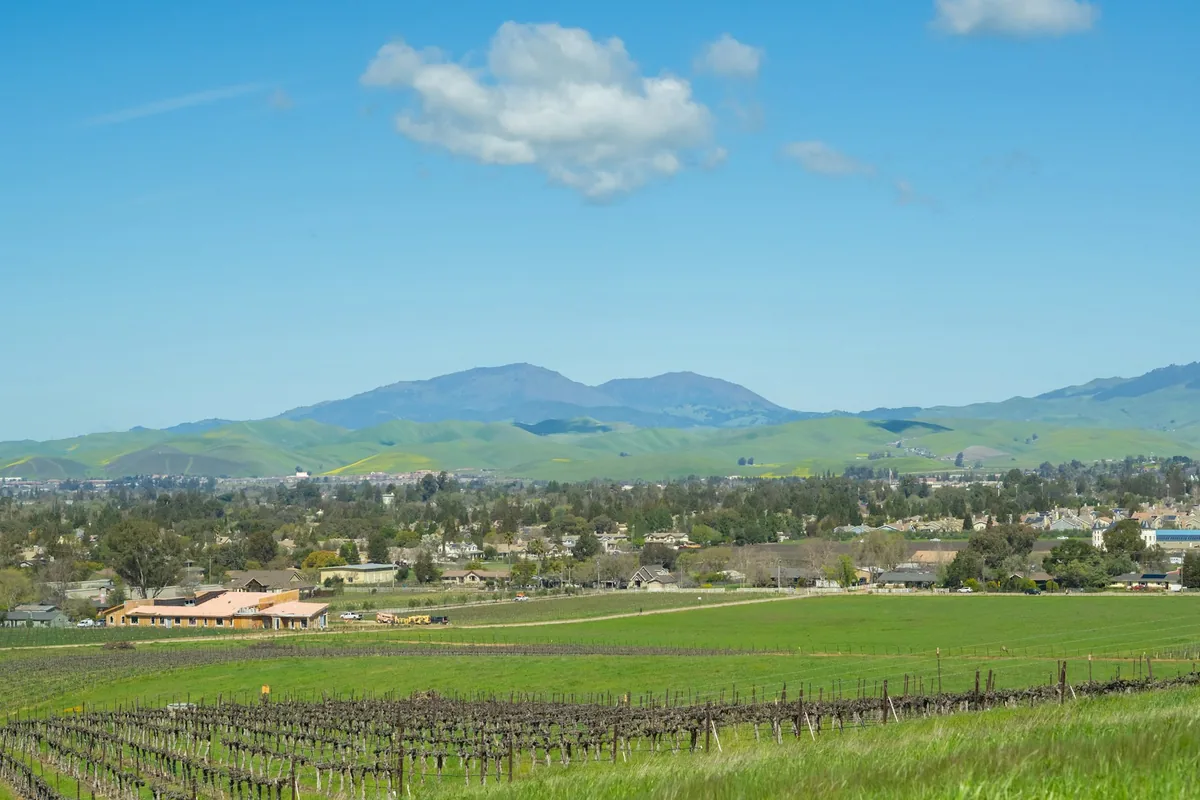
The club’s own archive caught this at ground level. A December 2011 visit to a Contra Costa grower who put his land permanently into farmland recorded that the practice was common in Livermore, thirty minutes to the south, and pursued there more aggressively than anywhere nearby.
Two profiles of the same Livermore winery describe the balance from inside the valley. The October 2011 piece is framed around the urban and agricultural mix of eastern Alameda County, while the January 2014 profile follows a winemaker who deliberately never farmed and bought fruit instead.
How to use a Livermore Valley wine region guide at the shelf
Start with the appellation printed on the label. Fruit grown here is bottled either as Livermore Valley or under the wider San Francisco Bay appellation, and the narrower name is the more useful signal.
Then read the variety against the climate. Cabernet Sauvignon and Petite Sirah from this valley are built on structure and dark fruit rather than sweetness, and they generally want a few years in the bottle. Sauvignon Blanc and Sémillon are the surer bet for drinking now.
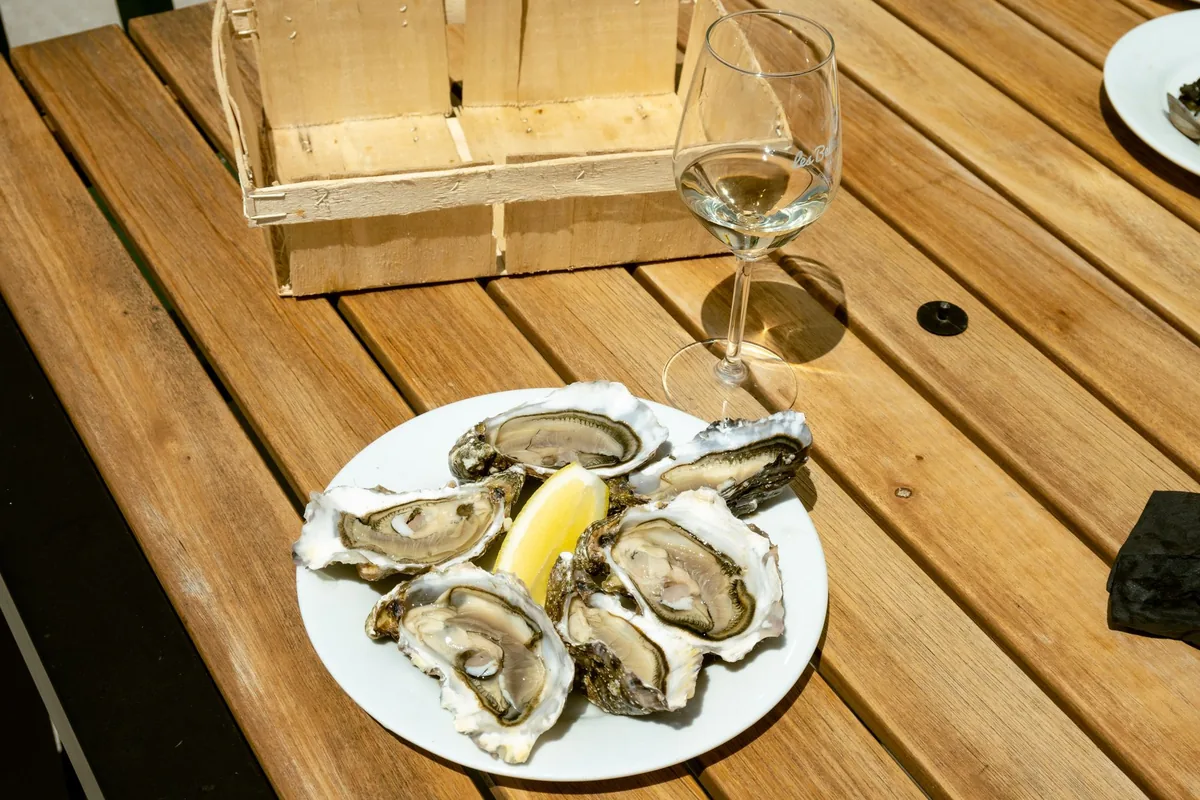
At the table the reds hold their own against grilled lamb, braised short ribs and hard aged cheese. The whites suit crab, roast chicken and anything finished with lemon.
Livermore Valley FAQ
When was the Livermore Valley AVA established?
The appellation was granted in September 1982, making it one of the earliest in California. A boundary expansion in 2006 brought its total area to about 259,000 acres.
How much of the valley is actually under vine?
Planted acreage has run in the low thousands of acres, a very small figure beside the appellation’s total area. That gap is the whole story of the land-use plan above.
Is Livermore a cheaper version of Napa?
They grow some of the same grapes and share a clone history, but the sites are not comparable. The Napa Valley guide to its sub-appellations is built around bench and mountain sites that Livermore’s flat gravel floor simply does not have.
Which grape should someone try first?
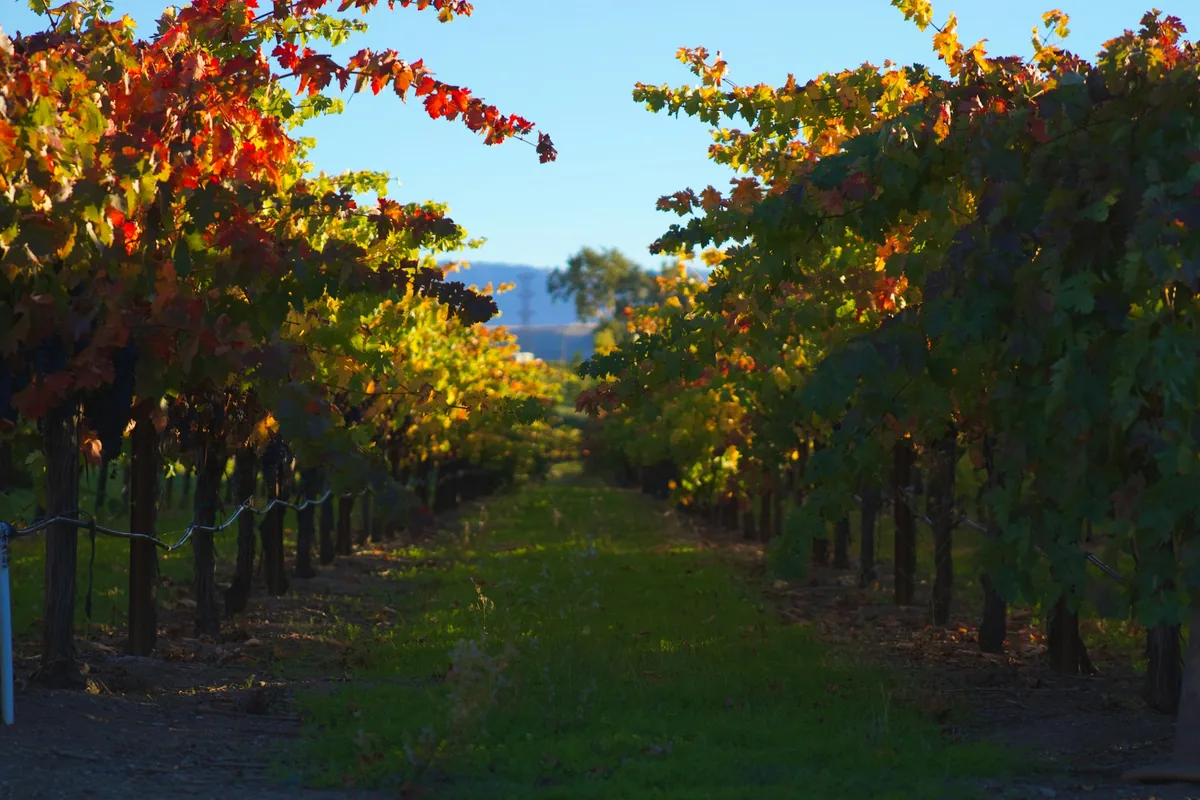
Petite Sirah is the most distinctive answer and the most demanding one. A dry Sauvignon Blanc or a Sémillon blend is the gentler introduction.
Where the valley sits in the wider picture
Livermore is not a scaled-down version of anywhere else. It is a warm, low, stony valley that stays honest because of one gap in a ridge, and it survives as farmland because a county government decided in 1993 that it should.
The wider guide to California’s wine regions places it beside the coastal and mountain appellations it is usually left out of, and the archive of California winery profiles from 2010 to 2019 holds first-hand visits to several of the valley’s own producers.