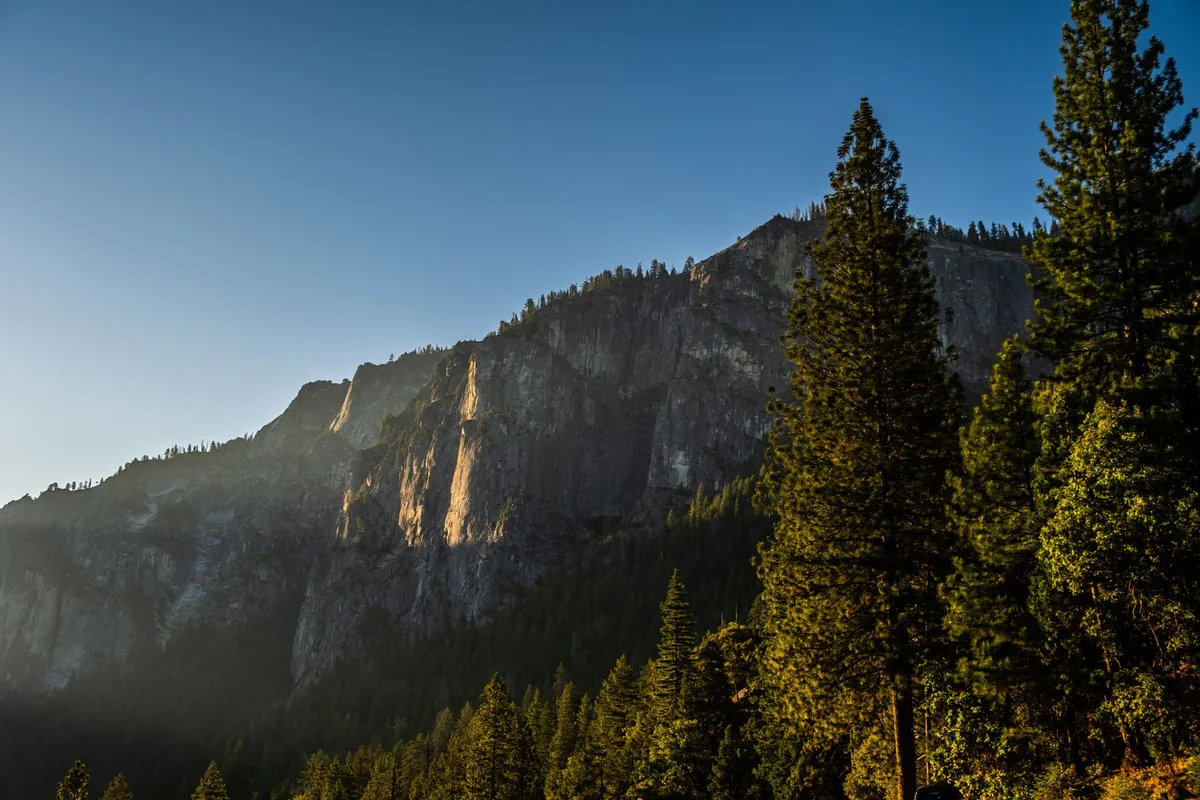
Every famous wine region in California is cooled by the Pacific in one way or another. The Sierra Foothills are the exception, and any honest Sierra Foothills wine region guide has to start there, because the region sits on the wrong side of the state entirely. The cold here falls out of the sky at night instead of blowing in off the water.
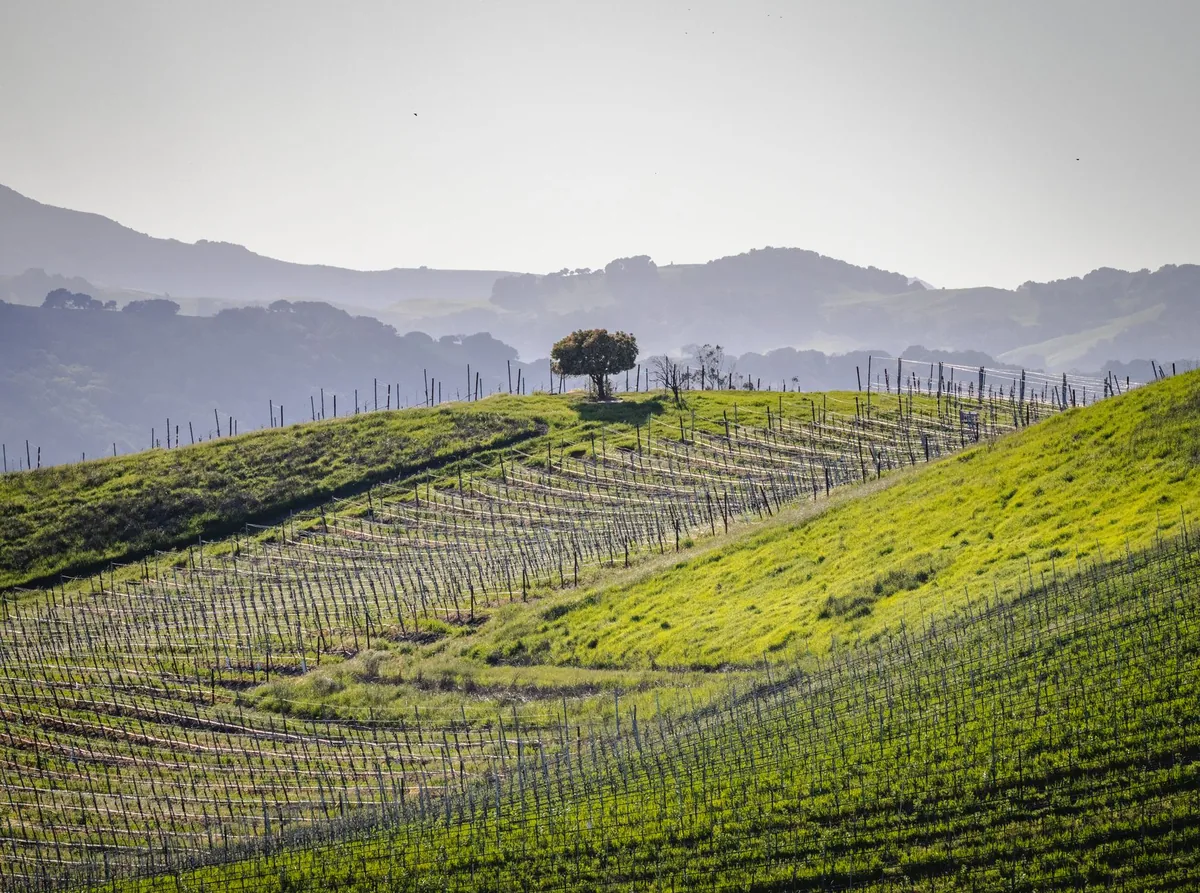
Cooling without an ocean
Air gets colder as it rises, at a fairly predictable rate, so a vineyard at 2,400 feet begins each day several degrees behind one on the valley floor. That head start matters less than what happens after sunset. Thin, dry mountain air holds almost no heat once the sun goes, and cold air drains downhill off the Sierra Nevada through every canyon and creek bed.
The result is a daily temperature swing that regularly runs thirty degrees or more. Grapes ripen hard through long, hot, cloudless afternoons and then spend the night effectively refrigerated, which is why the reds here can reach full ripeness and still finish with grip.
Rainfall is the other half of the picture. The region takes roughly twenty to forty inches a year, almost all of it between November and April. The soil profile fills before budbreak and the growing season that follows is close to rainless.
Compare that with the mechanisms at work elsewhere and the difference is stark. Lodi cools itself with Delta air pulled in from the west, and Livermore Valley uses a gap in the coast ranges that opens onto San Francisco Bay. The Foothills have neither, and rely on height alone.
One appellation, eight counties
The Sierra Foothills appellation was approved in November 1987 and it is enormous, covering well over 2.6 million acres in a long north-to-south band along the western slope of the range. Its boundaries take in parts of Yuba, Nevada, Placer, El Dorado, Amador, Calaveras, Tuolumne and Mariposa counties.
An appellation that size cannot describe a flavor, and the club’s own writers said so directly. A December 2010 profile noted that the region was too diverse to be defined by any particular group of wines, which remains the fairest summary anyone has offered.
What the appellation does describe is a condition: granite, height and a long dry summer. Everything narrower than that belongs to the sub-appellations inside it.
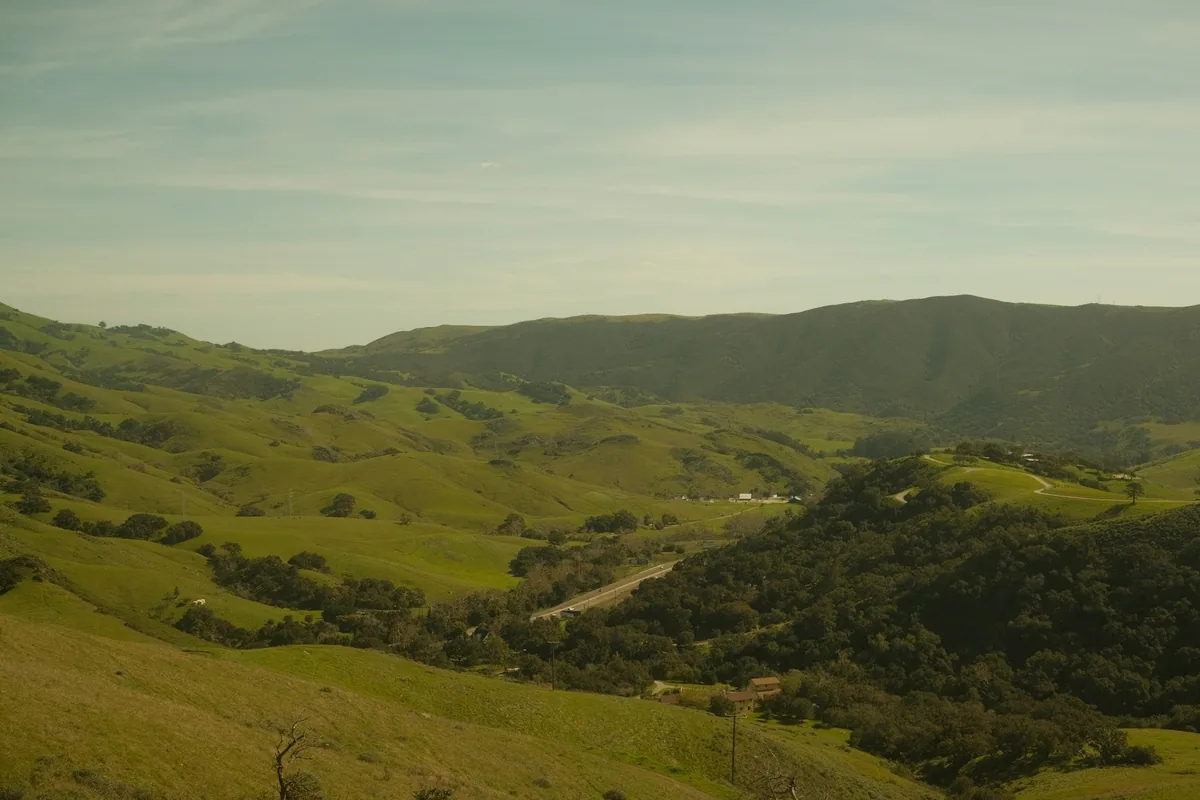
Decomposed granite and what it does
The bedrock under most of the region is granite, and centuries of weathering have broken its surface into a coarse, sandy, free-draining grit. Volcanic and metamorphic material appears in places, particularly further north, but decomposed granite is the common thread.
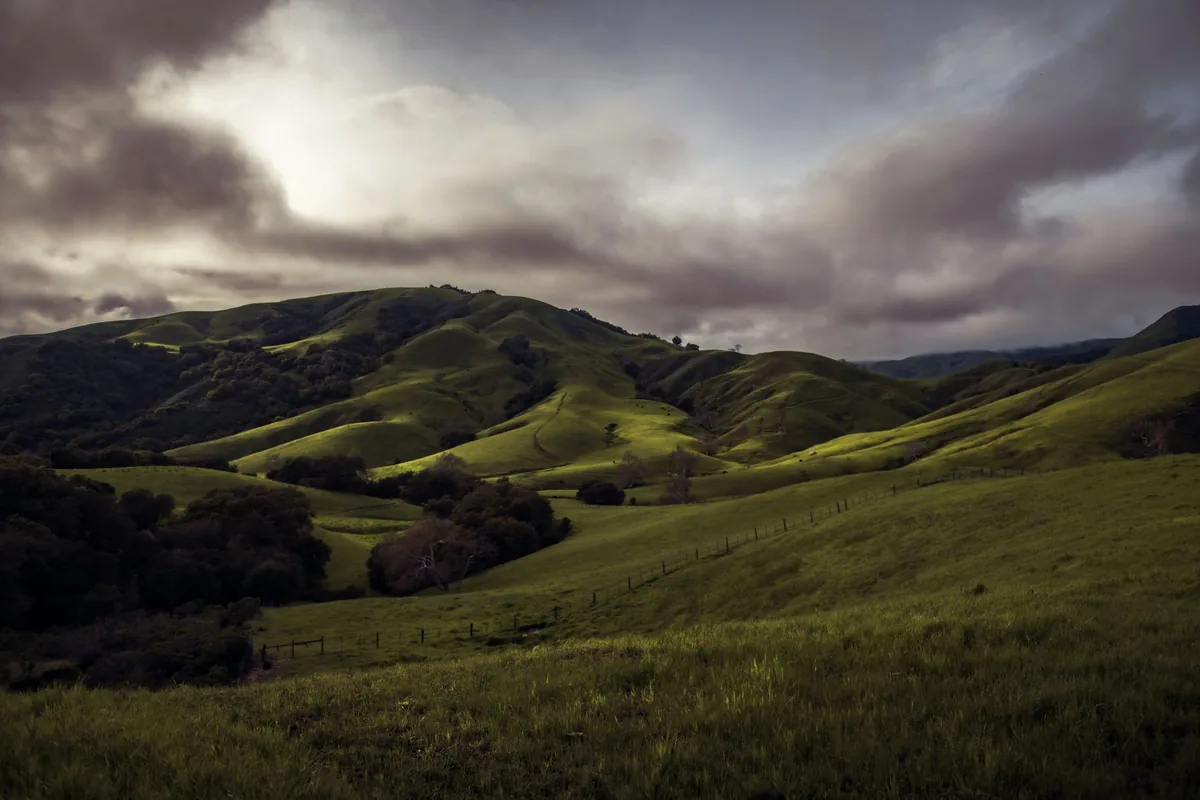
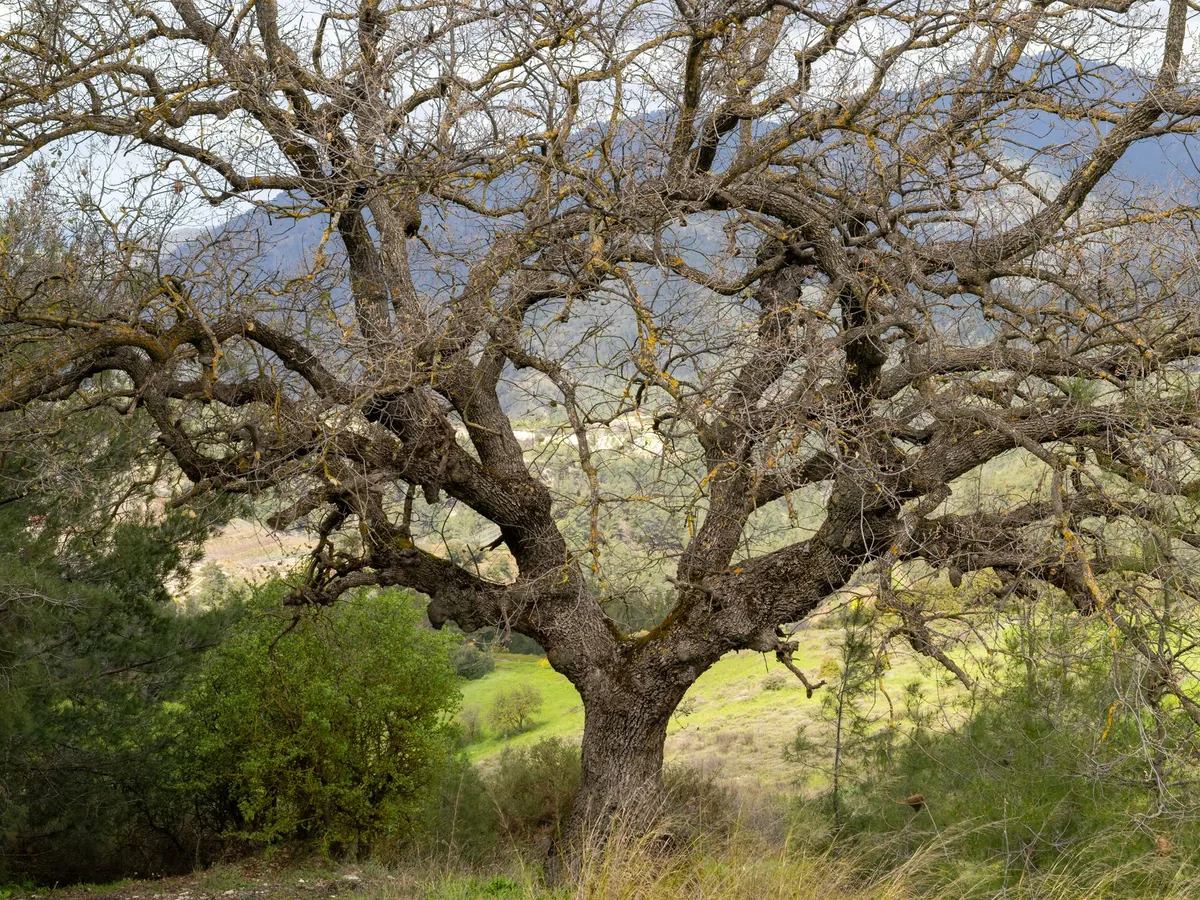
Soil like that holds very little water and almost no fertility, so roots go deep and canopies stay small. Yields fall, skins thicken, and the fruit concentrates without needing to be pushed.
The same grit had an accidental second effect. Phylloxera, the root louse that destroyed most of California’s nineteenth-century vineyards, survives poorly in sandy ground, which is a large part of why the oldest vines here are still standing on their own roots.
The sub-appellations, read as an elevation ladder
Guides usually list the smaller appellations alphabetically, which hides the only thing that reliably separates them. Ranked by height, they turn into a legible sequence from warm and broad-shouldered at the bottom to tense and slow-ripening at the top.
| Appellation | County | Typical vineyard elevation | Established | Character |
|---|---|---|---|---|
| California Shenandoah Valley | Amador, with a sliver in El Dorado | About 1,200 to 2,000 feet | 1982 | The warmest and most planted; Zinfandel country |
| Fiddletown | Amador | About 1,500 to 2,500 feet | 1983 | Colder nights and more rain than its neighbor |
| El Dorado | El Dorado | About 600 to 3,500 feet | 1983 | The widest range of sites and soils of any |
| Fair Play | El Dorado | About 2,000 to 3,000 feet | 2001 | Second-highest average vineyard elevation in the state |
| North Yuba | Yuba | About 1,000 to 2,000 feet | 1985 | Small, isolated and largely single-estate |
The club visited the top of that ladder twice. A July 2013 profile of a Fair Play producer recorded that the appellation carried the highest average elevation in California, a distinction it held until a higher Fresno County appellation was approved in 2015, and a February 2010 visit to the same estate described how a weekend property in El Dorado County turned into seventy planted acres.
Vines planted for the Gold Rush
James Marshall found gold in the tailrace of a sawmill at Coloma in January 1848, on the South Fork of the American River, and the site is preserved today as Marshall Gold Discovery State Historic Park. State Parks describes what followed as the greatest mass movement of people in the Western Hemisphere.
Miners needed wine, and freight over the Sierra was ruinous, so vines went into the ground beside the diggings. Highway 49 still threads the mining camps together, and a surprising number of the oldest vineyards sit within sight of it.
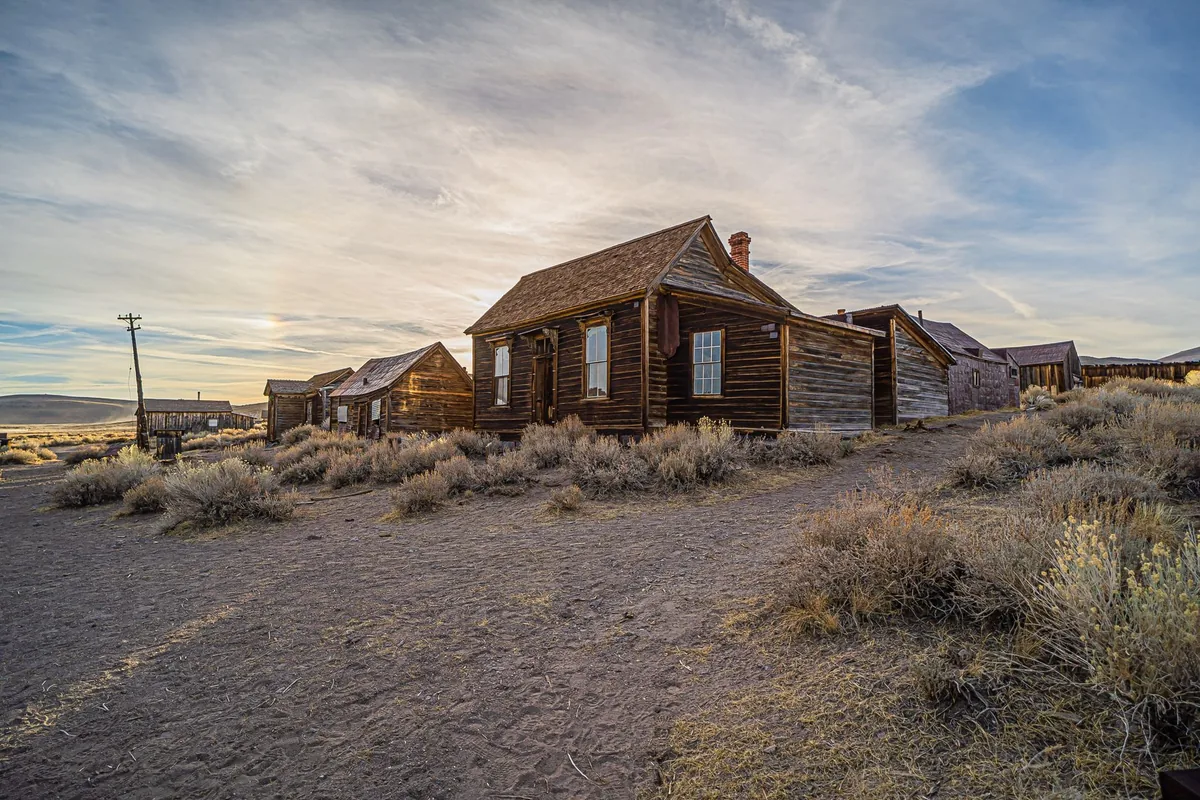
When the gold gave out the vineyards mostly stayed, because the households that planted them stayed. That continuity is why the region can point to vines older than almost anything on the coast.
What a Sierra Foothills wine region guide should say about the grapes
Zinfandel dominates, and by a wide margin; it is comfortably the most planted variety across the appellation. Barbera is the region’s most convincing second act, holding acidity in heat that flattens most Italian varieties elsewhere in the state.
Syrah, Grenache, Mourvèdre and Viognier have all found footing on the granite, and Cabernet Sauvignon, Petite Sirah and Chardonnay are planted throughout. A November 2014 profile of a winery straddling the El Dorado and Amador county line gives a good sense of how mixed a single Foothills estate can be.
Choosing and pairing
Read the smaller appellation before the larger one. A wine labeled only Sierra Foothills could come from anywhere in eight counties, whereas Fiddletown or Fair Play on a label tells you the fruit ripened slowly at height.
These are wines with real alcohol and real acid at the same time, which makes them better with food than their weight suggests. Grilled and smoked meat, charcuterie, tomato-based braises and firm sheep’s-milk cheese all work.
Sierra Foothills FAQ
Is Amador County the same thing as the Sierra Foothills?
No. Amador is one of eight counties inside the wider appellation, though it holds much of the planted acreage. The Amador County guide covers its Shenandoah Valley and old-vine Zinfandel in detail.
How high do the vineyards actually go?
Most sit between roughly 1,200 and 3,000 feet, with the El Dorado appellation stretching from about 600 feet up to 3,500. Above that the growing season becomes too short to ripen red grapes reliably.
Why is so much of the region Zinfandel?
Partly history and partly fit. Zinfandel was planted heavily during and after the Gold Rush, and it ripens well in hot afternoons while the cold nights keep it from turning flabby.
Does the region have a signature white wine?
Not in the way it has a signature red. Viognier and Chardonnay both perform well at height, and Sauvignon Blanc is planted throughout, but the reputation of the Foothills rests on red grapes.
Reading the Foothills against the rest of the state
Height is a slower and less forgiving cooling mechanism than fog, and it shows in the wines: more tannin, more alcohol, more grip, less obvious perfume. That is a difference in kind, not a difference in quality.
The overview of California’s wine regions sets the Foothills beside the coastal appellations they are usually measured against, and the archive of California winery profiles from 2010 to 2019 holds first-hand visits to producers across several of the counties named above.